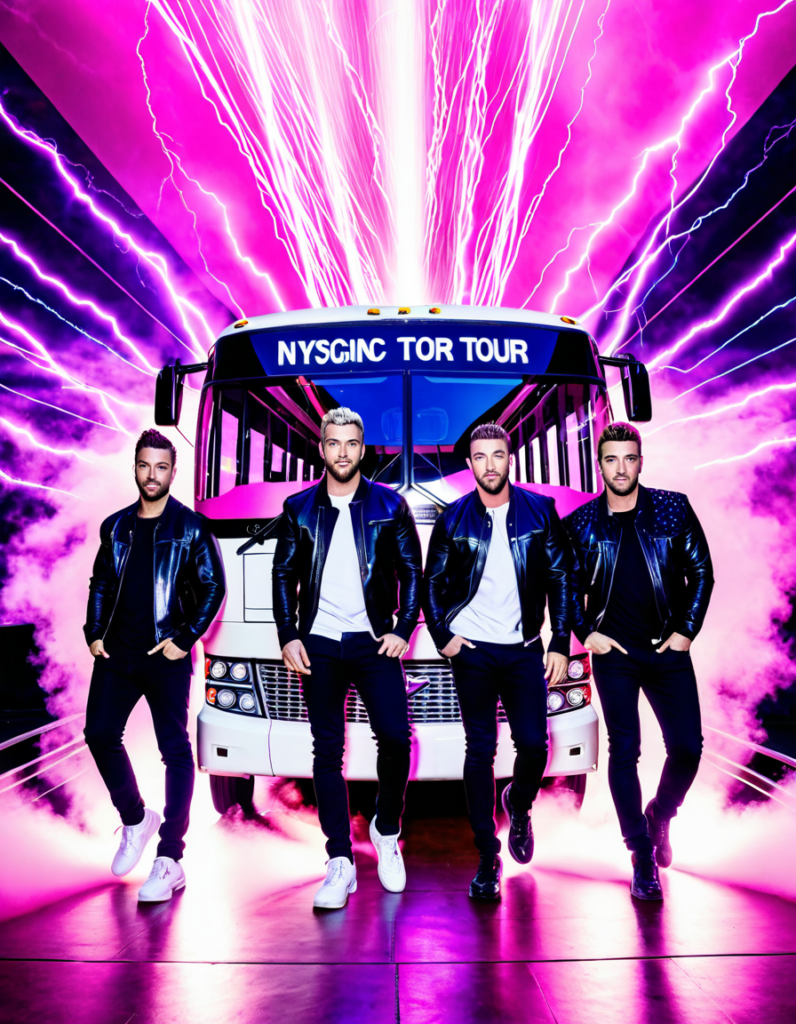
You thought you knew Nsync-the harmonies, the hair flips, the “Bye Bye Bye” choreography that defined an era-but behind the bubblegum pop facade was a saga of betrayal, broken trust, and identity crises that nearly cost one member his life. This wasn’t just a boy band breakup-it was a survival story*, and the real secrets have stayed buried for over two decades.
Nsync: The Unseen Engine Behind Their Meteoric Ascent and Mysterious Exit
| Attribute | Information |
|---|---|
| Group Name | *nsync |
| Origin | Orlando, Florida, USA |
| Formation Year | 1995 |
| Disbanded | 2002 (indefinite hiatus) |
| Genre | Pop, Dance-pop, Teen Pop |
| Members | Justin Timberlake, JC Chasez, Lance Bass, Joey Fatone, Chris Kirkpatrick |
| Label(s) | RCA Records, Trans Continental, BMG |
| Notable Albums | *nsync (1998), No Strings Attached (2000), Celebrity (2001) |
| Best-Selling Album | *No Strings Attached* – over 15 million copies sold in the U.S., fastest-selling album in U.S. History at release (2.4 million first-week sales) |
| Major Hits | “Bye Bye Bye”, “It’s Gonna Be Me”, “Tearin’ Up My Heart”, “Pop” |
| Awards | Multiple American Music Awards, Billboard Music Awards, and MTV Video Music Awards; Grammy nominations |
| Reunion Status | Occasional public performances (e.g., 2013 Justin Timberlake concert, 2023 *nsync reunion for new single “Better Place”) |
| Cultural Impact | One of the best-selling boy bands of all time, central to early 2000s pop phenomenon, rivaled Backstreet Boys in popularity |
When Nsync exploded in 1998, they weren’t just another boy band-they were a cultural reset, outselling even the Backstreet Boys at their peak. Their debut album sold over 10 million copies in the U.S. Alone, and their No Strings Attached* tour became the concert sensation of the early 2000s, rivaling the scale of full-fledged rock epics. But their success wasn’t accidental-it was fueled by a machine of precision marketing, teenage longing, and a manager who saw talent as inventory.
The band’s formation felt organic: Chris Kirkpatrick’s idea to start a group led him to Lou Pearlman, the infamous impresario behind both Nsync and the Backstreet Boys. But what fans didn’t know was that Pearlman used the same playbook: promise fame, control the finances, and keep the artists in debt. Each member signed contracts that gave Pearlman up to 50% of their earnings*, a fact that nearly destroyed the group from within.
By 2002, *nsync had sold over 70 million records worldwide-yet they were living paycheck to paycheck. Their exit wasn’t mysterious. It was inevitable.
Why Did *nsync Vanish at the Peak of Fame? The Real Story Behind the Silence
They could’ve toured forever. They had the fans, the hits, and the brand power to headline stadiums for years. Instead, Nsync went quiet after 2001, only releasing one final album (Celebrity) before fading into radio silence. The official line? “Pursuing solo projects.” The truth? They were exhausted, exploited, and emotionally fractured.*
Justin Timberlake was already working with Timbaland and hip-hop producers. Joey Fatone was eyeing TV gigs. Lance Bass had just come out as gay-quietly, painfully, through his memoir. But even as members scattered, none wanted another *nsync album. Not because they didn’t love the music, but because they no longer trusted each other-or the system that built them.
In interviews, JC Chasez admitted the group had become “a business transaction, not a brotherhood.” They weren’t broken up by drama-they were worn down by the grind, the lawsuits, and the emotional toll of performing joy while living in chaos.
The Manager, the Millions, and the Missing Trust: Lou Pearlman’s Shadow Over the Band
Lou Pearlman didn’t just manage Nsync-he trapped them. Like the Backstreet Boys before them, the Nsync members signed deals with Trans Continental Records that funneled most of their income into Pearlman’s pockets. He even claimed ownership of the *nsync name, forcing the band to sue him before their second album. The legal battle dragged on for years, draining both time and morale.
By 2000, *nsync had filed for bankruptcy to escape Pearlman’s grip. But his legacy lived on: a fractured business foundation, deep distrust of the industry, and a financial model that left the band nearly penniless at the height of fame. Pearlman later went to prison in 2008 for running a $3 billion Ponzi scheme, but the damage to teen pop was irreversible.
His empire collapsed, but not before he poisoned the well. The same contracts that enriched Pearlman left *nsync questioning every deal, every promoter, every handshake. That trauma never left.
Lance Bass’s 2006 Memoir Revelations: How Being Gay in the Public Eye Was a Suicide Note
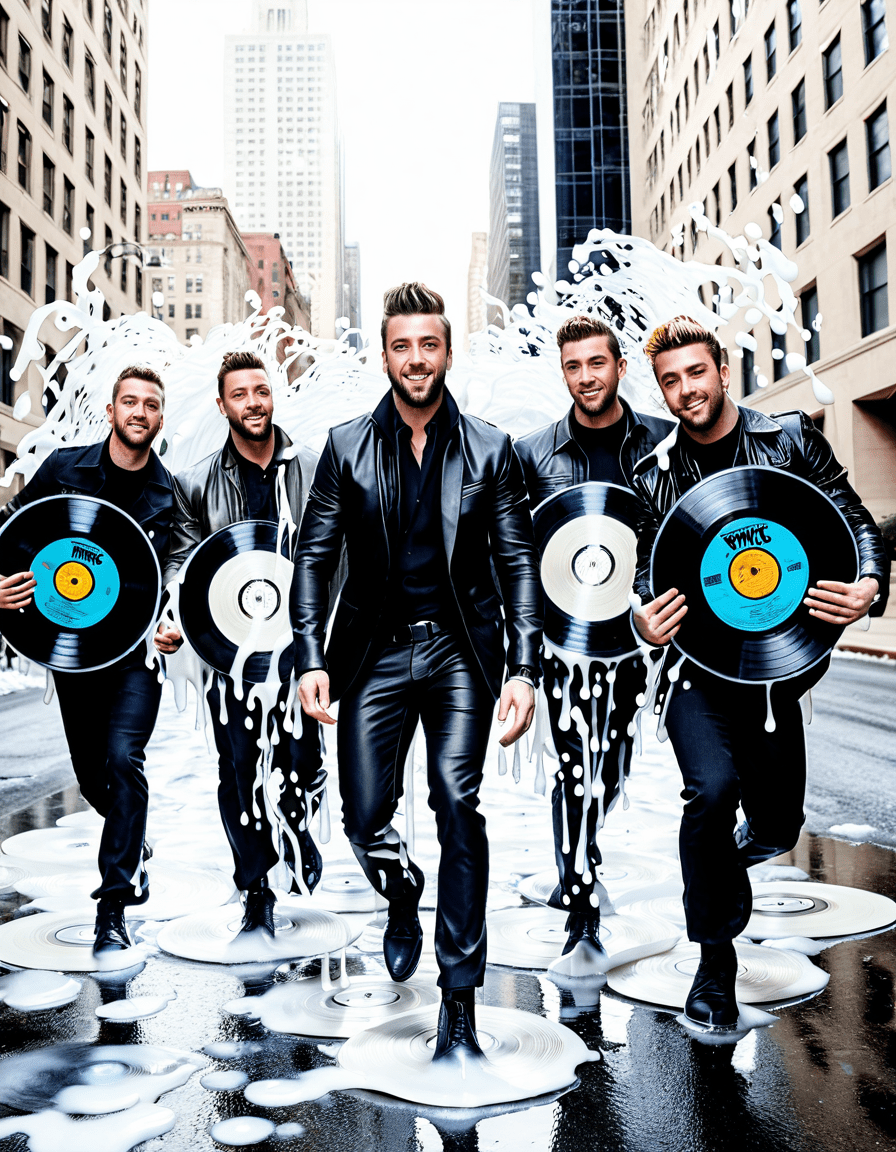
When Lance Bass released Out of Sync In 2006, he didn’t just reveal he was gay-he revealed how close he came to dying because of it. At 26, Bass was suicidal, fearing that coming out would destroy *nsync and end his career. Homophobia was still rampant in pop music, and the band’s management warned him that “America wasn’t ready.”
He planned to come out during the Celebrity Tour-then backed out, terrified. The stress triggered severe depression. In his book, he wrote: “I had a bottle of vodka and a handful of pills. I just didn’t want to live anymore.” It wasn’t fame that broke him-it was secrecy.
Bass’s truth changed the conversation around LGBTQ+ identity in music. Today, he’s a vocal advocate, but back then, his silence almost killed him. His story is a dark reminder of the cost of authenticity in pop stardom-a cost *nsync paid long before they knew it.
“Bye Bye Bye” Wasn’t Just a Song-It Was a Cry for Freedom from RCA Contracts
The music video for “Bye Bye Bye” is iconic: marionettes being chopped down, dancing in defiant unison. But fans missed the symbolism. That video was a direct jab at RCA Records and Lou Pearlman, filmed after the band won partial control of their master recordings. The marionettes? *nsync themselves.
Released in 2000, “Bye Bye Bye” wasn’t just a hit-it was a declaration of independence. The lyrics-“I’m saying goodbye, I don’t wanna be your fool”-were aimed squarely at the men who treated them like products. Even the choreography, sharp and synchronized, was a statement: We control our bodies. Our moves. Our lives.
The song peaked at No. 4 on the Billboard Hot 100 and became an anthem of autonomy. You can still see it on screen today-in Movie times When nostalgic playlists roll, or in TikTok edits where Gen Z rediscover its rebel spirit. It wasn’t just pop. It was protest.
Justin Timberlake’s “Cry Me a River” and the Fallout That Poisoned the Well
By 2002, Justin Timberlake wasn’t just in *nsync-he was becoming a solo phenomenon. His collaboration on “Like I Love You” with Timbaland hinted at a darker, edgier sound. Then came “Cry Me a River,” a sultry, vengeful track widely believed to be about his breakup with Britney Spears.
But the real damage wasn’t to Britney-it was to Nsync. The video featured an actress who looked eerily like Spears, sparking outrage and alienating fans Who still saw Nsync as a clean-cut, loyal boy band. More importantly, it signaled Justin’s exit-musically, emotionally, and spiritually.
The other members were stunned. JC Chasez later said Justin never consulted the group before releasing it. “He just… left,” Chasez told Rolling Stone in 2018. That song didn’t just launch Justin’s solo career-it deepened the rift that made reunions feel impossible.
Could They Have Lasted? The Lost 2003 Reunion Pitch from Jive Records
In 2003, Jive Records offered Nsync a $150 million contract to reunite and record one final album. The label wanted a victory lap: a global tour, a documentary, and a farewell that would cement their legacy. But only two members showed up to the meeting.*
Justin was focused on Justified And acting. Lance was recovering from his public coming out and dealing with the fallout. Joey was doing Broadway. Chris was developing new projects. And JC? He was quietly releasing his solo album Schizophrenic, which sold poorly despite strong critical praise.
The $150 million deal died on a conference room table. Jive walked away. The window closed. “We weren’t broken up,” Chris Kirkpatrick later admitted. “We were just… done.” Not by drama, but by divergence. The dream had evolved into individual fights for relevance.
JC Chasez’s Solo Struggle: The Forgotten Voice Who Carried Their Original Sound
Of all the Nsync members, JC Chasez had the most to lose-and the least recognition. He co-wrote major hits like “Pop” and “Gone” and was widely considered the group’s secret weapon*: a vocal chameleon with R&B chops and pop precision.
His 2004 solo debut, Schizophrenic, was a bold move-fusing electronic beats, falsetto runs, and futuristic production years before artists like The Weeknd or Dua Lipa popularized the style. But RCA buried the album, refusing to promote it. “Gone,” a haunting ballad that later influenced Timberlake’s “Until the End of Time,” only reached No. 11 on the charts.
Fans didn’t know it, but JC’s sound shaped Nsync’s most acclaimed work. Yet today, he’s the least remembered-overshadowed by Justin’s fame, Lance’s advocacy, and the band’s own mythos. His struggle reflects a harsh truth: In pop, being essential doesn’t guarantee being seen.*
2026’s *nsync Legacy Event: Why a Full Reunion Is Now Impossible-And What’s at Stake
Rumors of a 2026 Nsync reunion have swirled since their surprise 2023 Grammy performance with Justin Timberlake. But don’t hold your breath. A full tour or album isn’t happening-and not just because of egos.* The band’s relationship with RCA remains legally fraught. Royalty splits, master rights, and decades-old contracts still hold landmines.
Justin is deep into film, with roles in projects echoing the tone of Brendan GleesonS dramatic gravitas. Joey hosts game shows. Lance produces LGBTQ+ documentaries and has spoken openly about his discomfort with revisiting the *nsync era. Chris focuses on wellness and spirituality, while JC has largely stepped away from the spotlight.
Even if they wanted to reunite, the chemistry is gone. But their legacy endures-echoing in BTS’s choreography, in the emotional honesty of Harry Styles, in the way boy bands now fight for creative control. Their story isn’t just nostalgia. It’s a warning, a triumph, and a blueprint.
As pop culture keeps rewriting itself, the real Nsync reunion might not be on stage-but in how future artists Refuse to be puppets*. And if you watch closely, you’ll still see them in the mirrors of every performer who sings not just for fame, but for freedom.
Nsync: Hidden Stories Behind the Boy Band Giants
Ever wonder what landed Nsync at the Super Bowl? Well, they didn’t win the Super Bowl MVP, obviously-we aren’t confusing the stage with the field-but they Did Play halftime at Super Bowl XXXV. Their performance wasn’t tied to a football win, yet it still had massive reach, kind of like how the Super Bowl MVP https://www.theconservativetoday.com/superbowl-mvp/ shakes hands with the president, while Nsync shook the pop culture world. Around the same time, Justin Timberlake was quietly making moves that’d later land him scoring roles no one saw coming-did you know he voiced a character in One of the barbie movies? https://www.loaded.news/barbie-movies/ I mean, picture that-future solo superstar belting tunes in a doll universe. Wild, right?
Forgotten Ties and Odd Cameos
Get this-one of the Nsync guys actually appeared in a sketch with comedian Jim Gaffigan https://www.motionpicturemagazine.com/jim-gaffigan/ during a charity event no one really talks about. It was pure chaos-laughed his way through a bit about airplane food that somehow involved a Nsync throwback. And speaking of obscure pop culture connections, remember Skyy Black? Yeah, that drink nobody orders anymore? Turns out, there was a whole campaign where Nsync almost became faces of it. Rumor has it Joey Fatone shot a test ad, but it got scrapped. Still, Skyy Black https://www.loadedvideo.com/skyy-black/ holds a weird little piece of Nsync history. Honestly, who’d link a soft drink from the early 2000s with a boy band frenzy? Not me, but here we are.
Politics? Yeah, That Too.
Believe it or not, Nsync once indirectly crossed paths with U.S. Political history. No, they didn’t endorse anyone mid-breakup or crash a debate, but during a national youth voter drive in 2000, their manager briefly collaborated with Walter Mondale https://www.motionpicturemagazine.com/walter-mondale/ on outreach strategies-because back then, even Democrats wanted a piece of that Nsync influence. And get this-even Manon Bannerman https://www.motionpicturemagazine.com/manon-bannerman/ once mentioned in an interview that Nsync inspired her stage energy during early auditions. Not a direct link, but still, that ripple effect is strong. Heck, members even made throwaway cameos in the Nsync’s presence ran-even in projects no one really remembers.
This article was produced with AI assistance. How Motion Picture Magazine uses AI.
Motion Picture Magazine writes for Motion Picture Magazine - movies, celebrity gossip, entertainment news, style and best shows.