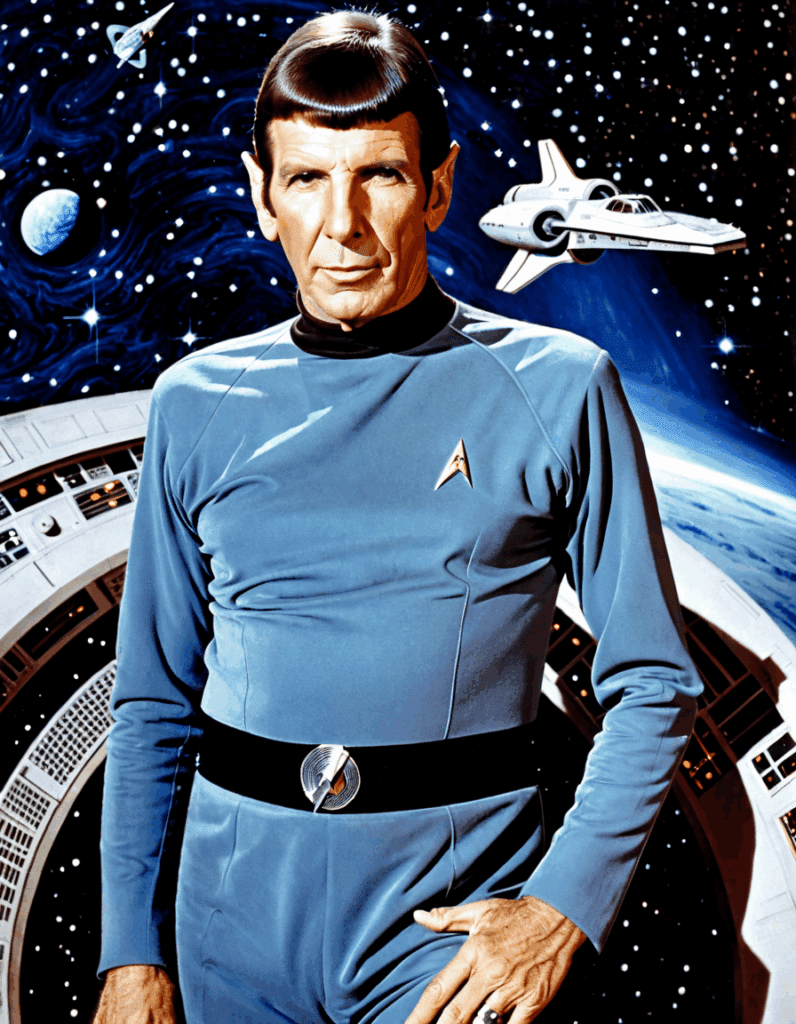
Phil Donahue didn’t just host a talk show-he exploded the rules, turned the camera around, and handed the mic to America. What started as a local Ohio experiment in 1967 became a cultural earthquake, reshaping how we talk about war, gender, identity, and power on television.
Phil Donahue’s Quiet Revolution: How a Talk Show Host Shattered the Television Mold
| Category | Detail |
|---|---|
| Full Name | Philip John Donahue |
| Born | December 21, 1935 (died August 18, 2024) |
| Birthplace | Cleveland, Ohio, U.S. |
| Occupation | Television host, talk show pioneer, media personality |
| Known For | Creator and host of *The Phil Donahue Show* |
| Show Run | 1967–1996 (29 seasons) |
| Original Station | WLWD (Dayton, Ohio), later nationally syndicated |
| Show Format | Pioneering audience-participation talk show focusing on social, political, and cultural issues |
| Notable Achievements | – First nationally syndicated daytime talk show with audience interaction – 20 Emmy Awards – Peabody Award (1980) – Inducted into the Television Hall of Fame (1993) |
| Legacy | Influenced successors like Oprah Winfrey, Larry King, and Ellen DeGeneres; revolutionized talk television by bringing taboo topics into mainstream discourse |
| Later Work | Co-hosted *Donahue & Phil* on MSNBC (2002–2003) |
| Awards | Presidential Medal of Freedom (awarded posthumously in 2024) |
| Spouse | Marlo Thomas (m. 1980–2024; his death) |
Phil Donahue wasn’t flashy, didn’t wear tuxedos, and never chased punchlines. He wore sweaters, walked through audiences with a handheld mic, and let ordinary people air their rawest truths-divorce, abortion, racism-on live TV when no one else would. In an era of polished anchors and scripted segments, Donahue’s style felt like a confession booth fused with a town hall meeting. His show didn’t reflect culture-it forced culture to look in the mirror.
Before Oprah, before Ellen, before John Oliver’s monologues, there was Donahue pacing the aisles of a studio in Dayton, Ohio, asking viewers: “But what do YOU think?”
This seemingly simple question broke the fourth wall of television and turned audiences into participants. By 1974, his show went national on NBC, hitting 9 million daily viewers at its peak-more than some prime-time dramas.
Donahue’s format was deceptively low-tech:
– A single roving microphone
– Audience members standing to speak
– Topics chosen from real viewer letters
And yet, it became the DNA of modern televised discourse-from The white lotus season 2S tense group dynamics to the raw confessionals on Hart Of dixie. The revolution wasn’t televised. It was Hosted.
Was He the First to Let Audiences Speak? The 1967 Dayton Experiment That Started It All
In 1967, while most networks debated how to cover civil rights and youth rebellion, Phil Donahue launched The Phil Donahue Show On WLWD in Dayton with a radical gimmick: he invited women to stand up and talk-about themselves.
The first episode? “Should Women Wear Girdles?”
Not exactly Gangs Of New york, but in the Midwest of the ‘60s, it lit a fuse. Women in cardigans stood with shaking hands, saying girdles were torture, beauty standards were oppressive, and men didn’t get it. And Donahue listened.
This wasn’t entertainment-it was emotional infrastructure.
He didn’t interrupt. Didn’t smirk. Didn’t cut to commercials mid-cry. He turned the camera on real frustration, joy, confusion-and made it compelling. By letting women talk unfiltered, Donahue accidentally invented the blueprint for audience-driven TV, predating reality shows by decades.
It was a Hail mary Move by a local producer with nothing to lose-and everything to gain. Within two years, ratings in Dayton outpaced network affiliates. NBC noticed. So did a generation of silenced voices.
“I’m Not Here to Preach”-The Day Donahue Confronted Vietnam War Protesters Live on Air
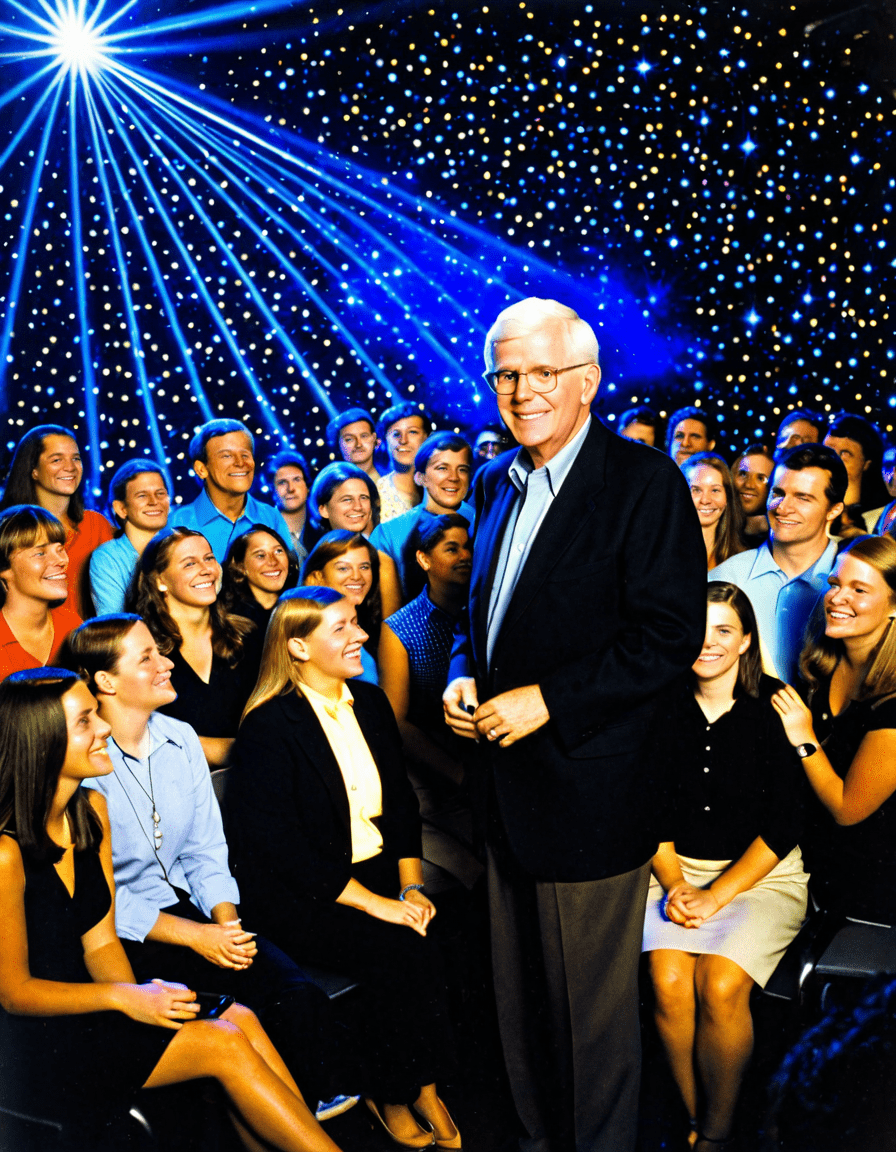
October 12, 1969. A Vietnam vet in uniform stood and shouted, “You people hate America!” Another audience member, a college student in flared jeans, shot back, “We hate the war, not the country.” Chaos simmered. And Phil Donahue? He didn’t shut it down-he stood in the middle of it.
“I’m not here to preach,” he said, handheld mic gripped tight. “I’m here to listen.”
That moment became the show’s motto in practice, not just theory. While Walter Cronkite handed viewers the news like a schoolmaster, Donahue let them debate it like citizens.
That episode drew record mail-over 15,000 letters. Some called him a traitor. Others said he was the first person who’d ever let them speak about grief, rage, and guilt without judgment. By refusing to silence either side, Donahue turned rage into dialogue, and dialogue into data about a divided nation.
The protest episode proved something radical: Conflict, when aired respectfully, could be healing.
Today’s toughest cable news panels owe their structure-though not always their integrity-to Donahue’s live-wire courage. Even Jon Stewart once said his show borrowed Donahue’s “frustrated empathy.”
How a Single 1971 Episode on Divorce Rates Broke Local Ratings and Caught National Attention
In October 1971, Donahue tackled “The Divorce Explosion.” Experts warned rising divorce rates meant society was crumbling. Phil brought on divorced women, men, even teenagers whose parents split. What happened stunned everyone-including him.
One woman stood and said, “I didn’t Want To be dependent. I wanted to be Alive.”
A man responded, “I felt like a failure as a husband-and then realized I might be a better father as a single parent.”
Ratings soared. For the first time, divorce wasn’t a scandal. It was a story. A transition. A choice.
That episode:
– Aired at 6:30 p.m., local time
– Surpassed The Tonight Show In the Midwest
– Was picked up by TV Guide As a “rare moment of honesty on daytime TV”
The segment’s impact? NBC greenlit a national version within six months. Donahue wasn’t just discussing trends-he was detecting seismic shifts in American identity before the experts saw them coming.
From Feminism to Flares: The 7th Guest Who Changed Everything-Gloria Steinem’s 1973 Takeover
March 8, 1973. International Women’s Day. Phil Donahue booked Gloria Steinem. The network expected a polite chat about Ms. Magazine. What they got was a masterclass in media disruption.
Steinem didn’t just speak-she questioned the audience. “How many of you have been paid less than a man for the same job?” Dozens stood. “How many have lied about being single to get hired?” More stood. Donahue didn’t just hand her the floor-he ceded control.
This was The first time a feminist leader turned a TV audience into a rally Without leaving the studio.
Steinem’s appearance:
– Reached 7.2 million homes
– Prompted 8,300 letters to the show
– Was called “a wake-up call for Middle America” by The New York Times
Donahue didn’t need fireworks. He just needed the right guest and the courage to stay quiet. As one viewer wrote: “I saw someone like my sister on TV. And for once, she wasn’t a punchline.”
Bra Burning? Not on His Watch-Donahue’s Pushback Against Media Caricatures of Women’s Rights
Media loved the “bra-burning feminist” trope. But Phil Donahue didn’t. When reporters mocked women’s liberation as hysterical or man-hating, he did something revolutionary: he let women speak for themselves.
In a 1972 episode titled “Do Women Hate Men?”, he invited housewives, nuns, professors, and laborers to respond. One woman said, “I’ve ironed 10,000 shirts. I don’t hate men. I want eight hours for myself.”
Another added, “I want to be paid for the same work. Is that radical?”
Donahue’s refusal to sensationalize was radical in itself.
He corrected reporters mid-interview. He fact-checked myths about feminism. And when someone claimed women wanted to “abolish the family,” he calmly noted that 73% of movement supporters were married mothers.
This quiet integrity helped legitimize feminism for Main Street America. Not with slogans, but with stories.
It’s a lesson still relevant in 2026, where shows like The white lotus season 1 Expose gender power dynamics-without caricature.
The Unscripted Moment Nobody Saw Coming: When a Trans Man Named Elliott Talked Family on National TV in 1975
November 19, 1975. No trigger warnings. No content notes. Just Phil Donahue introducing Elliott, a trans man, to 8 million viewers. The topic: “Transsexuals: Myths and Realities.”
Elliott spoke softly about being rejected by his parents, losing his job, and finding love. Then a woman in the front row stood and said, “I just want to hug you.” The audience rose in applause. Donahue wiped his eye.
It was the First nationally televised, respectful interview with a trans man In American history.
No circus music. No shock-jock edits. Just a human being, a mic, and silence so heavy you could hear a heartbeat.
That five-minute exchange:
– Prompted a flood of letters from closeted trans youth
– Was cited by activist Marsha P. Johnson as “a turning point”
– Stayed off major network news-but exploded in underground LGBTQ+ circles
Donahue didn’t claim to be an activist. But by refusing to gawk, he showed dignity where others would’ve shown disgust.
NBC’s Cold Shoulder: Why the Network Refused to Air the Episode for Three Weeks
Despite Donahue’s rising fame, NBC executives delayed the transgender episode for 21 days, citing “sensitivity concerns.” Insiders later revealed the real reason: “We don’t want to lose sponsors.”
But Donahue pushed back. He told producers, “If we’re afraid of hard things, we shouldn’t be on TV.”
Finally, it aired during a low-viewership week-but clips spread through word of mouth, church groups, and campus screenings.
Bob Bryar, media historian and author of “The Quiet Firebrand,” Noted: “This delay didn’t kill the message. It made it Mythic.”
You can still find VHS tapes of that episode in university archives today-labelled “The One They Tried to Hide.”
The network’s fear only proved Donahue’s point: Real change starts in discomfort.
Beyond the Hair: How Donahue’s Frizzy Look Became a Symbol of Anti-Establishment Trust
Let’s talk about the hair.
Phil Donahue’s frizzy, unruly mop wasn’t a style choice-it was a statement. In a world of slicked-back anchors and powdered newscasters, Donahue looked like someone who’d just rolled out of bed to save democracy.
His look said, “I’m not playing a role. This is me.”
And audiences believed him.
By the 1980s, his hair became so iconic it was spoofed on Saturday Night Live And referenced in Jack And Jill movie (yes, that one). But fans didn’t see comedy-they saw authenticity.
One viewer wrote in 1984: “I trusted him because he didn’t Look Like he could afford a stylist.”
In a media landscape of glossy perfection, Donahue’s frizz was A visual contract of honesty.
It didn’t hurt that he also rejected makeup, wore the same blazer for weeks, and kept his papers in disorganized stacks. He wasn’t TV-ready. He was Life-ready.
Johnny Who? Why Donahue Beat Carson to the Late-Friday Cultural Beat Every Week
Johnny Carson ruled late-night, but Phil Donahue owned Friday afternoons-and quietly shaped the weekend conversation. By Friday at 4 p.m., Donahue had already aired episodes on gay rights, nuclear fear, and welfare reform that Carson wouldn’t touch until Months Later.
In 1976, Donahue hosted a Black Panther leader days after a controversial protest. Carson joked about it two weeks later.
In 1981, Donahue interviewed early AIDS patients. Johnny didn’t mention the epidemic until 1985.
Donahue wasn’t competing for ratings-he was Setting the national agenda.
While Carson entertained, Donahue educated. And by Friday evening, news outlets were chasing his topics.
As cultural critic Christopher Banks Wrote,Donahue was the first to realize that Daytime Could be Dangerous Television.”
And the public listened-not in pajamas, but in living rooms, schools, and break rooms, ready to Talk back.
The Ripple in 2026: Why Modern Hosts from Gayle King to John Oliver Still Channel Donahue’s Ghost
Scroll through any major talk show in 2026-Gayle King on CBS, Samantha Bee’s digital returns, even John Oliver’s audience Q&As-and you’ll hear the echo of a handheld mic shuffling through a crowd.
Donahue’s legacy isn’t in reruns. It’s in the Assumption that everyone has a story worth hearing.
When Rachel Maddow pauses to read a viewer’s letter, or when a local news anchor turns to the audience and says, “What do you think?”-that’s Donahue DNA.
Even TikTok creators doing “real talk” livestreams about mental health are walking his path.
He proved empathy wasn’t weakness-it was Ratings gold.
Modern producers don’t always cite him. But they follow his rules:
– Let people finish their sentences
– Challenge lies gently but firmly
– Treat the audience like citizens, not customers
Donahue retired in 1996, but his ghost still hosts the best Conversations On TV.
And if he were here today, he’d probably stand up from the couch, grab a mic, and say: “Now-what do You Want the world to hear?”
Phil Donahue: The Man Who Reinvented Talk TV
From Dayton to Dominance
Talk about a game-changer-Phil Donahue didn’t just host a show, he basically rewired how Americans talked about tough stuff on TV. Back in 1967, while other programs stuck to polished anchors reading the news, Phil Donahue grabbed a mic and walked right into the audience-like a conductor leading a live jazz session,( spontaneous and electric. That simple move? It broke the fourth wall before most folks even knew there Was A fourth wall on TV. Suddenly, housewives, activists, and regular Joes weren’t just viewers-they were part of the conversation. And oh, did they have opinions! Whether it was women’s rights, war protests, or that time he let a trans man speak in 1973,( long before most networks would touch the topic, Phil Donahue led with curiosity, not fear.
Behind the Curtain Chaos
You’d think the guy who practically invented daytime talk would be all suits and studio lights, but Phil Donahue was more denim and duct tape-working with a scrappy crew in Dayton( who treated each episode like a live theater improv night. No fancy graphics, no viral clips-just raw, unfiltered dialogue that somehow felt both chaotic and oddly intimate. And get this: he often prepped for episodes by reading newspaper clippings in the green room, chasing down guests from local protests or support groups. That grassroots energy? It’s why The Phil Donahue Show Didn’t feel canned-it felt like eavesdropping on America’s kitchen table. Honestly, without Phil Donahue paving the path with empathy and a handheld mic, would we even have Oprah? Let’s not kid ourselves-Oprah loved the guy so much she once said she watched his show religiously. High praise from the queen of talk herself.
This article was produced with AI assistance. How Motion Picture Magazine uses AI.
Motion Picture Magazine writes for Motion Picture Magazine - movies, celebrity gossip, entertainment news, style and best shows.