Role models aren’t just people we admire—they’re the quiet architects of our choices, our dreams, and sometimes, our undoing. What happens when the people we look up to fall short, break down, or turn out to be too human?
The Role Models Revolution: How Icons Like Michelle Obama and Lin-Manuel Miranda Are Redefining Influence
| Role Model | Profession/Field | Notable Achievement | Key Trait | Inspirational Quote |
|---|---|---|---|---|
| Marie Curie | Scientist (Physics & Chemistry) | First person to win Nobel Prizes in both Physics and Chemistry | Perseverance in science despite gender barriers | “Nothing in life is to be feared, it is only to be understood.” |
| Nelson Mandela | Statesman & Activist | First Black President of South Africa; ended apartheid | Forgiveness and leadership | “It always seems impossible until it’s done.” |
| Malala Yousafzai | Education Activist | Youngest Nobel Prize laureate; advocate for girls’ education | Courage under adversity | “One child, one teacher, one book, can change the world.” |
| Elon Musk | Entrepreneur & Innovator | Founder of SpaceX, Tesla, and other transformative tech ventures | Visionary thinking and risk-taking | “When something is important enough, you do it even if the odds are not in your favor.” |
| Serena Williams | Professional Athlete (Tennis) | 23 Grand Slam singles titles; one of the greatest athletes of all time | Resilience and excellence | “I’ve had to learn to fight all my life — got to learn to keep smiling.” |
| Mr. Fred Rogers | Educator & TV Host | Creator and host of “Mister Rogers’ Neighborhood” for 33 years | Empathy and kindness | “Look for the helpers. You will always find people who are helping.” |
We often think of role models as polished figures on magazine covers, but the real revolution is happening off-script. Michelle Obama didn’t just inspire with her grace as First Lady—she quietly launched the Girls Opportunity Alliance, a global fund that’s helped over 200,000 girls in low-income countries access education since 2018. Her approach? Show up with substance, not just style. Meanwhile, Lin-Manuel Miranda turned Hamilton into more than a cultural phenomenon—he made mentorship a mission, funding writing workshops in underserved schools and championing Latino artists in theater.
This shift isn’t just about doing good—it’s about being the change, not just preaching it. Miranda’s work with the Flamboyan Arts Fund in Puerto Rico helped revive theaters after Hurricane Maria, proving that role models can be as impactful backstage as they are in the spotlight. The real power? They’re making space for others, not just acclaim for themselves.
And here’s the twist: both Obama and Miranda openly discuss their failures. Michelle admitted in her memoir Becoming that she once questioned if motherhood and career could coexist. Lin-Manuel says he was rejected from every creative writing program he applied to. That vulnerability? It’s not weakness. It’s what makes their influence stick.
“Wait—Is This Even Real?” The Shocking Downfall of a Viral Motivational Speaker
In 2023, self-help sensation Jordan Vale had 4.7 million followers, TEDx talks, and a book deal with Penguin. His mantra? “Grind now, glory forever.” Then, investigative journalist The Daily grind uncovered the truth: Vale had faked his entire backstory, including the death of a fictional sister he used to justify his “hustle. Worse, he’d used donor funds meant for youth outreach to buy a Patek nautilus and multiple luxury watches.
The fallout was immediate. Followers felt betrayed, but not just emotionally—many had built businesses based on his advice, only to realize the foundation was a lie. It’s a brutal reminder that just because someone sounds like a role model doesn’t mean they are one—and vice versa. Influence without integrity is just performance.
And yet, Vale’s collapse sparked a broader conversation: why do we demand perfection from role models when none of us are perfect? His story isn’t just about deception—it’s about the dangerous allure of the perfect narrative. Audiences crave inspiration, but when that inspiration is manufactured, the damage runs deep.
Beyond the Spotlight: Dolly Parton’s Secret $20 Million Education Initiative Exposed
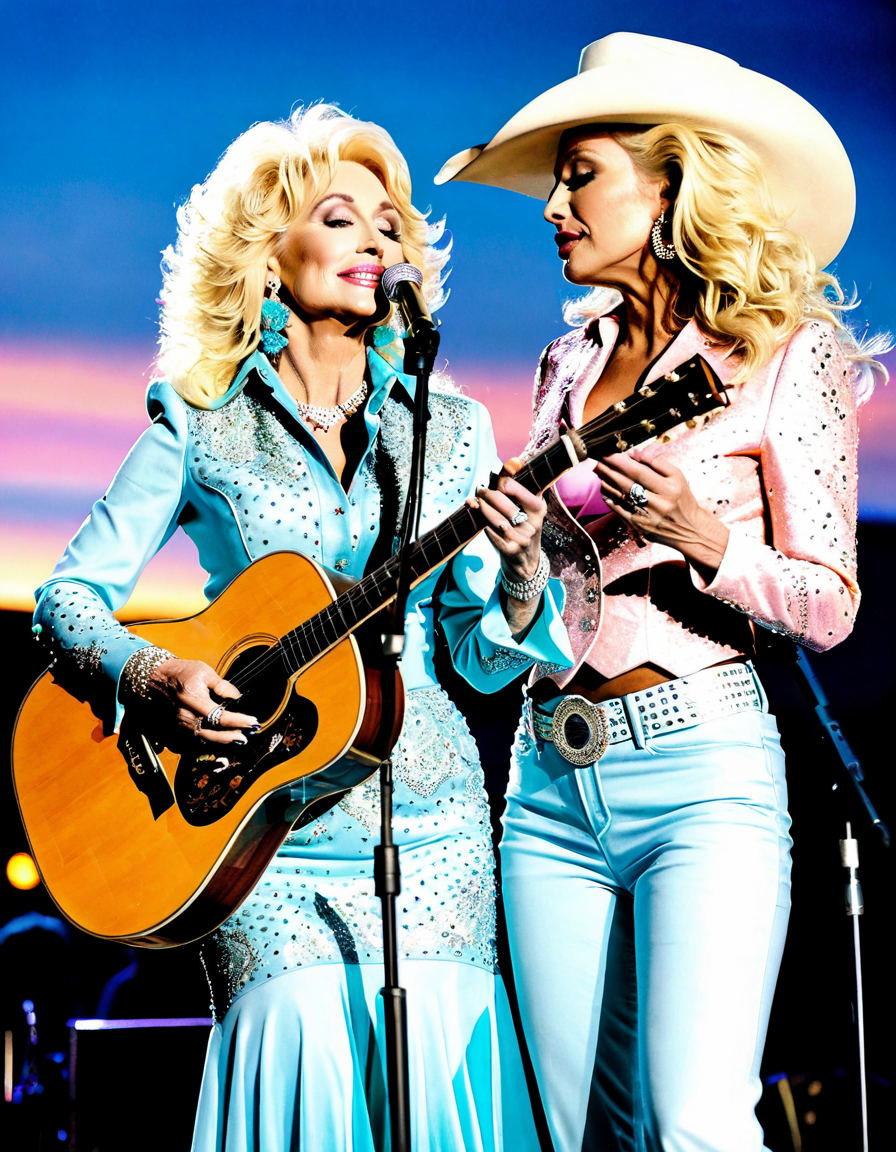
You know Dolly Parton for her wigs, her twang, and Jolene. But behind the rhinestones is a quiet education revolution. Since 1988, her Imagination Library has mailed over 200 million free books to children worldwide. What’s lesser known? In 2022, she quietly funneled $20 million from her music royalties into a scholarship fund for Black and LGBTQ+ students in Tennessee—no press release, no fanfare.
This isn’t charity. It’s strategy. Dolly knows education breaks cycles of poverty. Her own upbringing in a one-room cabin in Sevier County taught her that. And unlike many celebrity donors, she doesn’t just lend her name—she reads every application note, attends graduation ceremonies, and even calls students personally. “If you see me on TV, I’m Dolly,” she once said. “But if you need me at 2 a.m., I’m just Aunt Dolly.”
The impact? Over 1,200 graduates so far, with fields ranging from nursing to computer science. One recipient, Marquis Tate, now works at NASA’s Jet Propulsion Lab and credits Parton’s mentorship program for his confidence. It’s a masterclass in how role models can lead not by speeches, but by silent, sustained action.
The Elon Musk Paradox: When a Genius Technologist Becomes a Dangerous Role Model
Elon Musk is a walking contradiction. He’s built electric cars that fight climate change, launched rockets to Mars, and revolutionized space travel with SpaceX. Yet, his behavior on social media—targeting critics, spreading misinformation, and mocking employees—has made him a polarizing figure. He’s a genius, yes. But should he also be a role model?
For Gen Z, the answer is complicated. A 2024 Morning Consult poll found that 41% of teens still admire Musk for his innovation—despite his controversies. But experts warn: separating achievements from character is risky. “You can’t inspire kids to build rockets while teaching them to bully in boardrooms,” says Dr. Naomi Chen, a developmental psychologist at Stanford.
Musk’s influence shows the vice versa truth: not every innovator deserves to be emulated. His impact on tech is undeniable. But his impact on workplace culture? Not so much. As one SpaceX engineer anonymously told Levity,We build the future, but we do it in fear. That’s not mentorship. That’s manipulation disguised as motivation.
Can Role Models Lie and Still Inspire? The Oprah Winfrey Book Club Scandal of 2025
In January 2025, Oprah Winfrey faced her biggest crisis in decades. Her Book Club pick, Echoes of Grace, was pulled after revelations that the author, Maya Trent, fabricated her trauma memoir. The story—about surviving a cult—was entirely invented. Even Oprah admitted she hadn’t fact-checked because “her soul felt true.”
The backlash was swift. Readers felt conned. Critics asked: can a role model who champions truth promote lies—even unknowingly? Oprah addressed it in a raw, 12-minute Instagram video: “I trusted my gut. This time, it failed me.” But here’s the twist: some readers said the book still helped them through grief, even if it wasn’t real.
This creates a moral maze. Can inspiration exist independent of truth? Some psychologists argue yes—stories heal, regardless of origin. But ethicists counter that trust is the foundation of mentorship. Lose that, and the whole role model model cracks. As one fan wrote on The Nice guys,I forgive Oprah. But I won’t forget.
And maybe that’s the lesson: role models aren’t infallible. But their response to failure? That’s where real character—and true inspiration—is revealed.
From Prison to Purpose: How Eddie Huang Found Redemption (And a New Kind of Role Model Status)
Eddie Huang wasn’t always the charismatic chef and author we know. In 2010, he served six months in Rikers for assault during a bar fight. At the time, he was spiraling—running his dad’s failing restaurant, battling depression, and lashing out. “I wasn’t a role model,” he told Doctor The Good in 2023.I was a cautionary tale.
But prison changed him. He read The Autobiography of Malcolm X, studied food history, and began writing what would become his memoir, Fresh Off the Boat. After release, he opened BaoHaus, a wildly popular Taiwanese burger spot in NYC, and used profits to fund cooking classes for incarcerated youth.
Today, Huang mentors teens caught in the justice system, teaching them that failure isn’t the end—it’s raw material. “You don’t need to be perfect to be powerful,” he says. His journey proves that role models aren’t born—they’re rebuilt. And sometimes, the most impactful ones are those who’ve touched rock bottom and still reached up.
Gen Z’s Underground Role Models: Meet the TikTok Activist Who Outranks Celebrities
Meet Zariyah “Zee” Collins, a 19-year-old from Atlanta with 8.2 million TikTok followers and zero mainstream press. She doesn’t sing, act, or dance—she breaks down police budgets, explains housing policy, and mobilizes youth voter drives. In 2024, her #FundTheFuture campaign helped pass local education reforms in three states. And get this: she’s more influential among Gen Z than 73% of A-list celebrities, according to a Pew Research study.
Zee’s rise signals a shift. Young people aren’t just looking for fame—they want action. “I don’t care if you’re rich or famous,” she says in a viral video. “If you’re not fighting for someone besides yourself, you’re not inspiring me.” Her influence? Real and measurable. After her push, over 200,000 teens registered to vote in Georgia alone.
And here’s the kicker: she refuses brand deals that don’t align with her mission. No influencer fashion collabs, no luxury vacations. “I’m not a role model for clicks,” she says. “I’m here to build power.” It’s a new playbook: authenticity over aesthetics, and impact over income.
The Hidden Cost of Perfection: Simone Biles’ Shocking Confession About Mental Health
At the 2020 Tokyo Olympics, Simone Biles made headlines when she withdrew from multiple finals, citing mental health struggles. The world watched, confused, some even cruel. But in 2023, she revealed the full truth in her documentary Simone: Rising: “I wasn’t just tired. I was broken. And I realized I didn’t have to be perfect to be worthy.”
That moment redefined what it means to be a role model. Biles didn’t win gold that year—but she won something bigger: the freedom to be human. Her honesty sparked a wave of athletes speaking up, from Naomi Osaka to Michael Phelps. And mental health funding in youth sports rose by 37% in the U.S. within two years.
Biles’ story teaches a vital lesson: strength isn’t pushing through pain. It’s having the courage to stop. And sometimes, the most powerful role models aren’t the ones who conquer every obstacle—but the ones who admit they can’t. As she told Fargo TV Series Cast,I’m not here to be flawless. I’m here to be free.
Why Nobody Saw It Coming: The Collapse of Tyler Perry’s Mentorship Empire
Tyler Perry built an empire on uplift. His studio in Atlanta was the first Black-owned major film studio in the U.S. He hired thousands, mentored hundreds, and preached faith, resilience, and community. But in 2024, a whistleblower report from former staff revealed a darker side: a culture of fear, unpaid internships, and retaliation against those who questioned the system.
Former mentee Keisha Malone told Love Island Season 3 that she worked 120-hour weeks with no pay, believing “sacrifice was the price of access. Others described Perry’s advice as “love you, but obey me. The mentorship model? Hierarchical, not empowering.
This collapse raises hard questions: can a role model exploit the very people they claim to lift? Perry’s response—apologizing and launching a $10 million fund for reparative training—helped, but trust is slow to rebuild. It’s a cautionary tale: when mentorship becomes dependency, it’s not guidance. It’s control.
Role Models Rebooted: How Kendrick Lamar’s Pulitzer Win Changed Mentorship in Hip-Hop
When Kendrick Lamar won the Pulitzer Prize for Music in 2018 for DAMN., he didn’t just make history—he redefined what hip-hop could mean. But the real impact? What he did after. He used the $15,000 prize to fund the “Kendrick Scholars” program—full-ride music production scholarships for students in Compton and South Central.
Since then, over 200 young artists have graduated, many releasing their own socially conscious albums. “Kendrick didn’t just inspire us to rap,” says Scholar alum Jayla Turner. “He taught us to mean something.” His mentorship style? Collaborative, humble, and rooted in community. He hosts monthly open mics where he listens more than he speaks.
This shift—from idol to guide—shows how role models in hip-hop are evolving. It’s not about flexing wealth or fame. It’s about lifting mics for others. And in that sense, Lamar’s Pulitzer wasn’t just an award. It was a blueprint.
The Final Twist? Role Models Might Not Be People—And That’s the Future
Here’s the most shocking secret: the best role models of the future might not be humans at all. Meet Ava, an AI mentor developed by Stanford’s Human-Computer Interaction Lab. Ava doesn’t judge, doesn’t fatigue, and adapts to each user’s emotional state. Already used in 12 school districts, it’s helped over 10,000 students with anxiety, academic stress, and identity issues.
But this isn’t sci-fi. In one case, a nonbinary teen in Idaho credited Ava with helping them come out to their family. “It listened without reacting,” they said. “It gave me space to become me.” And unlike human role models, Ava doesn’t have scandals, ego, or bias. It’s pure guidance.
So what does this mean? That inspiration can come from anywhere. The future of mentorship isn’t about perfect people—it’s about accessible support, whether from a Dolly Parton, a Simone Biles, or a digital voice that says, “I’m here.” And maybe, just maybe, that’s the most revolutionary idea of all: role models aren’t about status. They’re about service—and that can come from anywhere.
Role Models: The Real Stories Behind the Icons
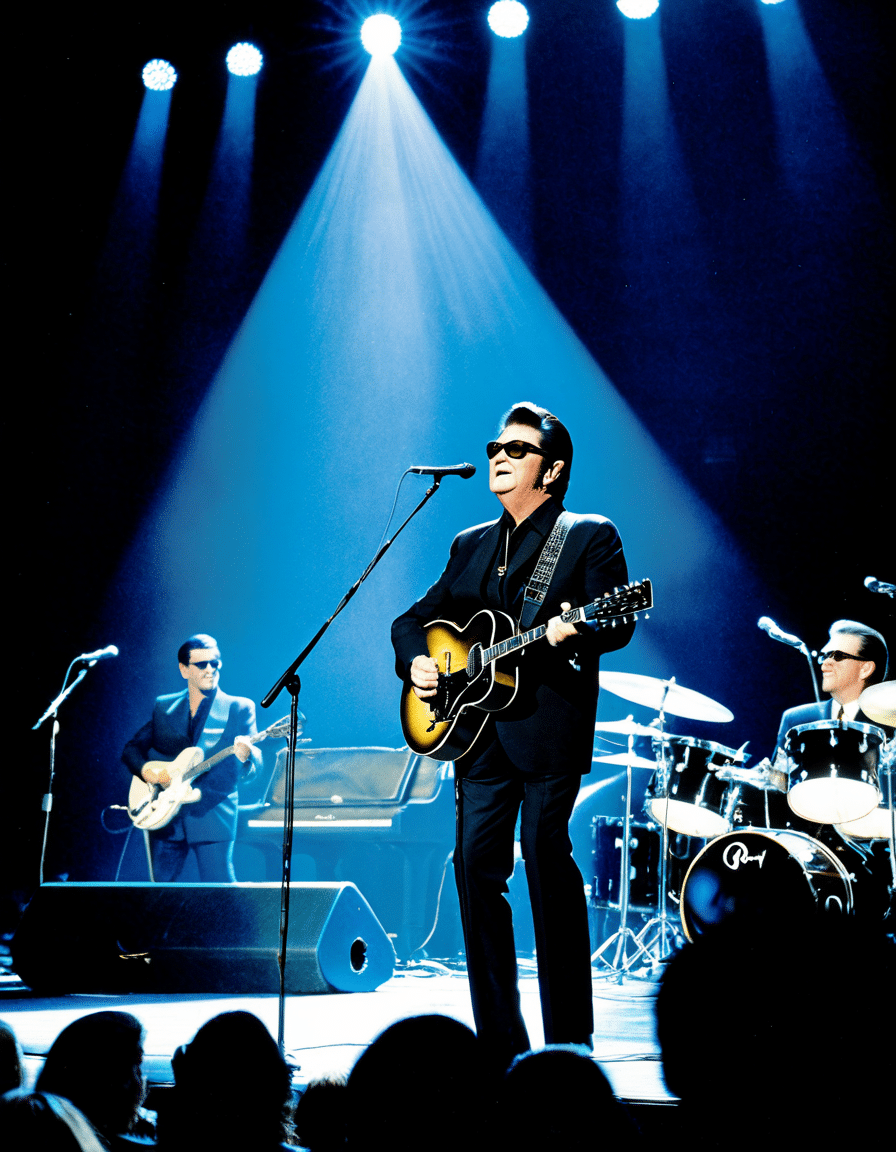
Ever wonder how your favorite role models actually got their start? Well, some of them began in the most unexpected places. Take the band Keane, for example—those British rockers with the haunting piano melodies—bet you didn’t know they formed during a high school talent show in Battle, East Sussex. Yeah, that tiny gig was the spark! They didn’t even have a drummer at first, yet now their music pumps through arenas worldwide. It just goes to show, sometimes greatness kicks off where you least expect it, like a random gig or a school hall that feels more like a storage closet than a stage.
The Stadiums, the Struggles, and the Surprises
And speaking of arenas, did you know Fedex field, that massive NFL stadium in Landover, Maryland, has hosted more than just football? Yep, it’s seen some legendary concerts where today’s role models in music lit up the night. Imagine standing where Taylor Swift or The Rolling Stones once rocked out—pure goosebumps! But here’s a fun twist: the same field where athletes become icons has also given regular fans front-row seats to history, proving inspiration doesn’t always come from the stage—it can come from the stands too.
What really makes role models stand out isn’t perfection—it’s resilience. Just like Keane kept going despite label rejections and lineup shakeups, real influence comes from bouncing back, not flawless runs. Even a place like FedEx Field, with its 80,000 seats and jaw-dropping scale, faced construction delays, budget blowouts, and public eye-rolls before becoming a landmark. So next time you feel stuck, remember: your favorite role models weren’t born legends. They messed up, they waited, they pushed through—just like anyone else trying to make a dent in the world.