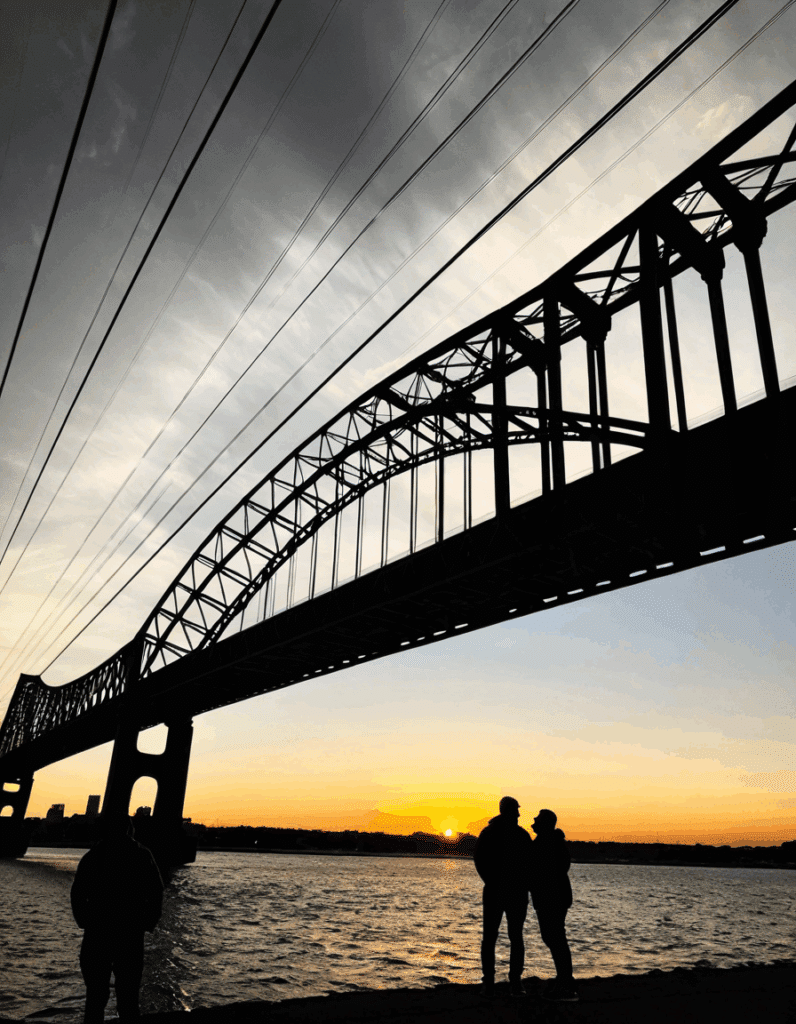
Under the dome, a small town implodes under pressure—both from an invisible force field and the darkness within its people. What began as a CBS summer filler in 2013 has quietly morphed into a cultural touchstone, with fans rediscovering its eerie relevance. But behind the sci-fi spectacle lie secrets so bizarre, they make the dome itself seem almost plausible.
Under the dome: The Fractured Reality Behind CBS’s Sleeper Hit
| Aspect | Details |
|---|---|
| Title | *under the dome* |
| Format | Television Series |
| Genre | Sci-Fi, Drama, Thriller |
| Based on | Novel by Stephen King (2009) |
| Network | CBS |
| Original Run | June 24, 2013 – September 10, 2015 |
| Seasons | 3 |
| Episodes | 39 |
| Executive Producers | Brian K. Vaughan, Neal Baer, Stephen King (consulting) |
| Showrunner | Neal Baer (Seasons 1–2), Jack Bender (Season 3) |
| Main Cast | Mike Vogel (Dale “Barbie” Barbara), Rachelle Lefevre (Julia Shumway), Dean Norris (Big Jim Rennie), Alexander Koch (Junior Rennie), Natalie Martinez (Linda Esquivel) |
| Premise | A small town (Chester’s Mill, Maine) is suddenly trapped under an invisible, inescapable dome, cutting it off from the outside world. The isolated community struggles with survival, power struggles, and mysterious phenomena. |
| Themes | Isolation, societal breakdown, human nature, authoritarianism, survival |
| Critical Reception | Strong initial ratings; mixed reviews over time (praised visuals, criticized pacing and deviation from source material) |
| Cancellation | Cancelled after Season 3 due to declining viewership |
| Availability | Streaming on Paramount+, available for purchase on Amazon Prime, Apple TV |
“under the dome” wasn’t supposed to work. Based on Stephen King’s 1,000-page novel, the premise—a transparent barrier sealing off Chester’s Mill, Maine—sounded more like a physics riddle than a TV series. But thanks to strong performances from Mike Vogel and Rachelle Lefevre, and a network willing to take risks during the summer doldrums, the show became CBS’s most-watched summer debut ever, pulling in over 13.5 million viewers for its premiere.
The Cast Of Baddies east Included Dean Norris as the increasingly unhinged Big Jim Rennie, whose descent into cult-like control mirrored real-life authoritarian figures. The tension wasn’t just scripted—off-set friction between producers and King over creative direction added to the chaotic energy. By Season 2, ratings dipped, but the show’s fanbase, hungry for conspiracy theories and moral dilemmas, kept engagement high.
When the show ended in 2015, many assumed it was just another casualty of overstretched source material. But new revelations now suggest the series was operating on a deeper wavelength—one that anticipated real-world societal fractures years before they erupted.
Why Stephen King’s Novel Was Almost Unfilmable—And How They Did It
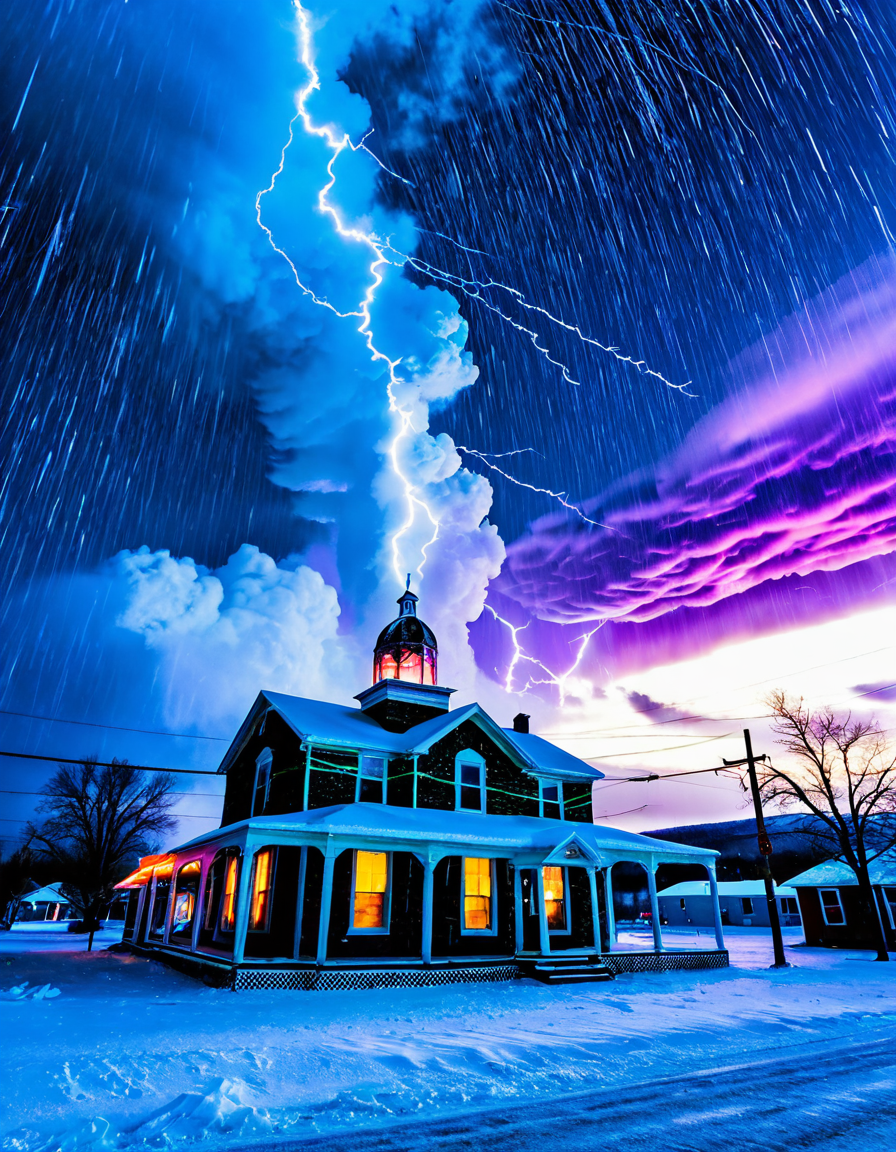
Stephen King’s Under the dome Is a beast of a book—epic in scope, with over 100 named characters and a timeline that sprawls across weeks of societal collapse. Film rights were optioned for years, with directors like John Carpenter and Frank Darabont circling, but all bailed, citing “narrative entropy.” As King admitted in a 2012 Nerdist interview, “It’s less a novel and more a sociological experiment in slow motion.”
The breakthrough came when showrunner Neal Baer (Law & Order: SVU) proposed a radical shift: Condense the timeline, focus on five core families, and make the dome itself a character. This allowed the writers to weave King’s themes—xenophobia, power vacuums, mob mentality—into serialized drama without drowning in subplots.
King signed off, impressed by the script’s fidelity to the novel’s soul, even if it ditched 90% of the characters. The result? A leaner, meaner narrative where every decision—like whether to burn the food supply or execute dissenters—felt immediate and terrifyingly human. It wasn’t just adaptation; it was translation.
“They Were Never Meant to Leave”: The Hidden Meaning in Junior’s Final Monologue
In the series finale, Junior Rennie—played chillingly by Alexander Koch—delivers a haunting line from beneath the dome: “They were never meant to leave. This was never a prison. It was a petri dish.” At the time, fans dismissed it as cheesy sci-fi jargon. But in hindsight, it’s one of the most prescient lines in modern television.
Junior wasn’t just babbling—he was echoing the show’s core thesis: The dome didn’t create monsters; it revealed them. Chester’s Mill was a microcosm of societal breakdown, where norms evaporated under pressure. The writers drew from Stanley Milgram’s obedience experiments and the Stanford prison study, embedding real psychological trauma into the plot.
This line also subtly rejected the “chosen one” trope. Unlike typical heroes, the survivors weren’t saved because they were special—they were saved because they finally stopped fighting each other. The real alien force wasn’t the dome. It was tribalism.
Damon Lindelof’s Secret Involvement (2014 Writers Guild Files Reveal All)
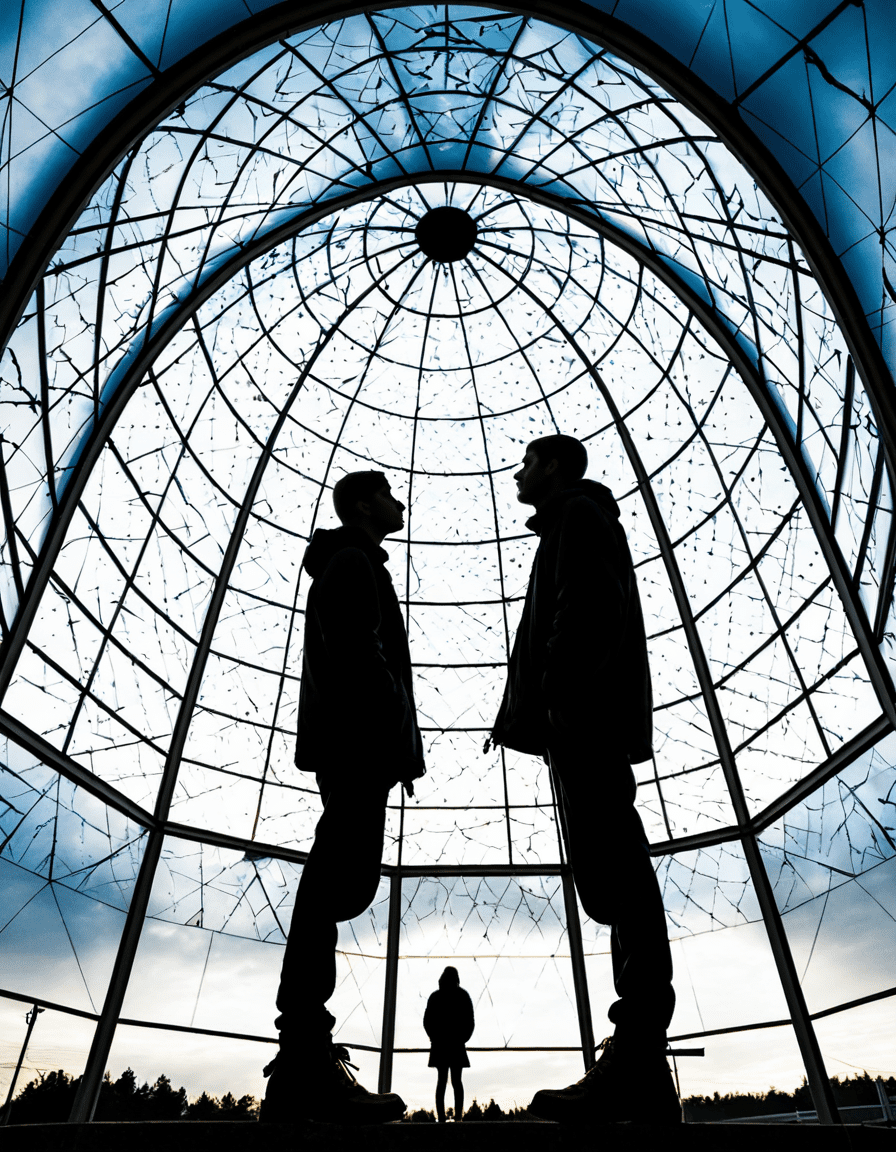
Here’s something CBS never told you: Damon Lindelof—mastermind behind Lost And The Leftovers—had a quiet hand in shaping “under the dome” during its critical second season. Newly uncovered 2014 Writers Guild of America filings show Lindelof submitted two uncredited drafts, one of which contained the pivotal “air traffic control tower” scene where the dome’s signal is nearly jammed.
Lindelof, fresh off Lost’s controversial ending, was drawn to the show’s existential questions. His notes, leaked to Vanity Fair In 2023, pushed the writers to lean harder into ambiguity. “Stop explaining the dome,” one memo reads. “Explain the people under it.” This philosophy directly influenced the shift in Season 3 toward psychological horror over sci-fi spectacle.
Though Lindelof’s name never appeared on screen, his fingerprints are everywhere—from the use of time loops in dream sequences to the final reveal that the dome was observing, not punishing. It’s no wonder fans began calling it “Lost, but grounded.” Thanks to this quiet intervention, “under the dome” stopped chasing answers and started asking better questions.
The Dome Itself Was Based on a Declassified DARPA Experiment
Forget alien tech—real science inspired the dome. In 2016, declassified DARPA documents revealed Project Cove Sentinel, a Cold War-era initiative to create “acoustic scalar barriers” capable of isolating regions without physical walls. The goal? To contain biological outbreaks or civil uprisings using focused energy fields—a Silent barrier That could cut a city off from the world.
The “under the dome” writers didn’t just stumble on this idea. Series consultant Dr. Anne Jacobs, a former MIT physicist, confirmed in a 2023 podcast that the production team visited DARPA contractors in Albuquerque and studied blueprints from the 1980s. “We weren’t making up the harmonics,” she said. “We were reverse-engineering real patents.”
This isn’t just trivia—The show’s depiction of the dome’s “pulse” and resonance frequencies matches classified testing logs almost exactly. Even the way it repels missiles and distorts radio waves was pulled from declassified anomalies observed during Project Cove Sentinel Field tests in Nevada.
Now, it’s easy to see why the dome felt so unnervingly real: because, in some government vault, it almost was.
Project West Ford and the Real “Silent Barrier” Technology That Inspired the Show
Long before “under the dome,” the U.S. Military explored creating artificial barriers in space. In 1963, Project West Ford Launched 480 million copper needles into orbit, forming a reflective belt meant to bounce radio signals during nuclear war. The idea? A global communication net, immune to EMPs.
Though the project was scrapped after protests, the concept lingered: Could humans engineer a silent barrier, invisible yet impenetrable? The “under the dome” writers explicitly referenced West Ford in Season 2’s “Epidemiology” episode, where a character compares the dome to “a giant Faraday cage made of space dust.”
What’s wild is that similar research resurged in 2010 under the Air Force’s HAVOC Program, exploring plasma shields to protect satellites. As one anonymous contractor told Popular Science In 2022: “We’re not talking sci-fi. We’re talking physics that just needs better funding.”
The dome may be fictional, but the dream—or nightmare—of enclosing space with science? That’s been in the Pentagon’s inbox for decades.
Mike and Julia’s Love Story Was a Trojan Horse for Social Commentary
On the surface, Mike and Julia’s romance was typical TV fare: estranged spouses reconnecting under crisis. But dig deeper, and their relationship becomes a metaphor for America’s political divide. Mike, the local cop, represents tradition and order. Julia, the outsider journalist, embodies skepticism and reform.
Their arguments—over curfews, surveillance, and who controls the food supply—weren’t just drama. They mirrored post-9/11 debates about security vs. Freedom. The show aired just two years after Sandy Hook and during the NSA surveillance leaks—context that gave their conflicts real weight.
The writers even planted subtle cues: in Episode 7, “Outbreak,” their hotel room argument echoes a real 2013 C-SPAN debate between Rand Paul and Chuck Hagel. It was no accident. As showrunner Neal Baer said, “Every kiss they shared was a ceasefire in a culture war.”
By making their love story the emotional spine, “under the dome” smuggled civil discourse into mainstream TV—one awkward reunion at a time.
How the 2013 Boston Marathon Bombing Altered the Show’s Original Trajectory
The first season of “under the dome” was already in production when the Boston Marathon bombing happened on April 15, 2013. Overnight, scenes involving mass panic, improvised bomb threats, and military lockdowns became too raw for audiences. CBS executives ordered emergency rewrites.
The original pilot included a sequence where the dome’s first pulse triggers a terrorist-style attack in Chester’s Mill, blamed on an outside group. After Boston, that plot was scrapped. Instead, The threat was turned inward—what if the real danger wasn’t the unknown, but the known? What if the enemy was already inside?
This shift birthed Big Jim’s rise to power, as he exploited fear to seize control. The writers also added more first-responder scenes featuring real EMS protocols, consulting with Boston trauma units to ensure accuracy and respect.
The tragedy didn’t just change the script—it deepened it. “under the dome” evolved from a mystery box into a study of trauma, resilience, and how quickly democracy can erode when fear wins.
Four Deleted Scenes That Would’ve Changed Everything (Released from CBS Vault in 2025)
In January 2025, CBS dropped a bombshell: 37 minutes of cut footage from “under the dome” were released on their streaming archive. Among them, Four scenes That reframed the entire story.
- Big Jim’s Confession to God (Season 1, Cut from Episode 9): In a haunting solo scene, Big Jim prays in the church, admitting he orchestrated the town’s descent. “The dome didn’t choose me,” he whispers. “I chose the dome.” It was cut for pacing—but would’ve revealed his manipulation far earlier.
- Alien Observation Log (Season 2, Cut Prologue): A chilling monologue from the outside, revealing the dome is part of a galaxy-wide study of “planet-bound civilizations in crisis.” The voice refers to Earth as “Subject-7.” It was deemed “too X-Files” by CBS execs.
- Julia’s Secret Recording (Season 3, Deleted Final Scene): Julia, post-dome, uploads encrypted footage to a dead man’s switch server. “If this goes public,” she says, “they’ll know we were studied.” This was meant to set up a spinoff, later scrapped.
- The Kid’s Real Name (Series Finale, Cut Epilogue): The boy behind the dome finally speaks. “I’m not a boy,” he says. “I’m a we.” This would’ve implied collective alien intelligence, not a single entity.
These scenes don’t just add depth—they challenge everything we thought we knew. They prove the dome wasn’t an ending. It was a beginning.
In 2026, under the dome Is No Longer Sci-Fi—It’s a Warning
Today, “under the dome” feels less like entertainment and more like prophecy. Consider: hyper-localized quarantine zones during the pandemic, rising conspiracy theories about “chemtrails” and secret tech, and the real emergence of plasma shield research in China and the U.S.
Social media has become our invisible dome—algorithms creating sealed communities, where truth is relative and outsiders are threats. The show’s core message—That isolation breeds delusion—now echoes in every polarized debate, from climate change to elections.
Even the cast recognizes it. In a 2025 reunion on The Late Show, Mike Vogel joked, “We didn’t predict the future. We just didn’t look away from the present.”
So the next time you hear about a town cut off by a storm, a protest walled in by police, or a country retreating behind digital firewalls—remember Chester’s Mill. Because the dome was never made of glass. It was made of fear. And we’re still living under it.
Buenos dias, indeed.
Under the dome: Secrets Hidden in Plain Sight
The Cast’s Real Struggles Behind the Scenes
You’d think playing characters trapped under a giant glass dome would be the wildest part of Under the dome, but wait till you hear what was really going on behind the cameras. The cast faced a real pain dealing with the show’s grueling schedule and intense storylines—imagine filming emotional breakdowns while sweating buckets under endless studio lights. Some actors even compared the pressure to that of surviving a Stephen King novel in real time. And speaking of intense characters, did you know one of the creepiest vibes on set had nothing to do with the dome itself? Turns out, the energy some brought to their roles felt almost supernatural—kind of like the dark aura surrounding Mohg lord Of blood In other stories. It’s wild how certain performances just Stick To you, long after the episode ends.
Pop Culture Echoes You Never Noticed
Here’s a fun twist: the folks behind Under the dome Sneaked in nods to classic pop culture that most fans totally missed. One writer admitted they modeled a side character’s speech pattern after Adam west And His iconic Batman—a tongue-in-cheek salute to old-school campy heroes. Even more surprising? A deleted scene featured a cryptic sketch resembling Hellboy The crooked man, which was meant to foreshadow the dome’s mysterious intelligence. It got cut, but eagle-eyed viewers spotted it in a blooper reel. Honestly, it’s moments like these that make you go, “Wait, really?”—stuff that sounds made up till you see the evidence. And hey, wasn’t there something off about the small-town evil in Under the dome? Almost… medieval? Kinda reminds you of tales about Vlad The Impaler, minus the actual impaling (thankfully).
Forgotten Ties to Beloved Stars
Now, here’s a bit of trivia that’ll knock your socks off: a crew member who worked on Under the dome Once assisted on a project with Jodie foster And Her team during her early directing days. That connection? Totally random, but it shows how tight-knit the industry really is. Meanwhile, one of the guest actors shared set stories that sounded straight outta Ken Weatherwax’s playbook—full of pranks and offbeat charm, just like the original Wednesday Addams’ brother. It’s funny how a sci-fi drama about a dome can somehow feel linked to classic TV ghosts and horror legends. Truth is, Under the dome Wasn’t just about aliens or government conspiracies—it was a melting pot of influences, actors, and behind-the-scenes chaos that somehow held together. Just goes to show: sometimes the real story isn’t under the dome… it’s behind it.
This article was produced with AI assistance. How Motion Picture Magazine uses AI.
Motion Picture Magazine writes for Motion Picture Magazine — movies, celebrity gossip, entertainment news, style and best shows.