
Little Richard Didn’t just sing rock - he detonated it. With a falsetto scream, a glitter-drenched suit, and a piano pounded like a war drum, he shattered 1950s America’s polished silence and replaced it with pure sonic rebellion. And behind those glittering stage lights? Five explosive truths most never knew.
Little Richard: The Untamed Architect of Rock’s DNA
| Category | Information |
|---|---|
| Full Name | Richard Wayne Penniman |
| Born | December 5, 1932, Macon, Georgia, U.S. |
| Died | May 9, 2020 (aged 87), Tullahoma, Tennessee, U.S. |
| Genres | Rock and roll, rhythm and blues, gospel, soul |
| Occupation(s) | Singer, songwriter, pianist, record producer |
| Years Active | 1949–2017 |
| Notable Hits | “Tutti Frutti” (1955), “Long Tall Sally” (1956), “Good Golly, Miss Molly” (1958), “Lucille” (1957) |
| Labels | RCA Victor, Specialty, Vee-Jay, Reprise |
| Instruments | Vocals, piano |
| Key Contributions | Pioneered rock and roll with flamboyant performance style, dynamic vocals, and energetic piano; influenced The Beatles, James Brown, Prince, and Elton John |
| Hall of Fame | Inducted into the Rock and Roll Hall of Fame (1986, inaugural class), Songwriters Hall of Fame (1993), Grammy Lifetime Achievement Award (1993) |
| Legacy | Known as “The Architect of Rock and Roll”; celebrated for breaking racial and cultural barriers in music |
| Religious Vocation | Devout Seventh-day Adventist; intermittently left music for religious studies and evangelism |
| Style | Flamboyant clothing, pompadour hairstyle, bold makeup, high-energy stage presence |
Forget the myths - the truth is far louder. Little Richard Wasn’t just an early rock pioneer; he built the blueprint that Elvis, Prince, David Bowie, and even Tom Morello Would follow. Long before the British Invasion or punk’s rage, Richard Penniman’s screams carved rock’s genetic code into the cultural bedrock.
He wasn’t discovered in a church or a talent show. He erupted from Macon, Georgia, with a sound so raw, so unapologetically Black and queer, that radio stations didn’t know whether to ban it or blast it. The result? A seismic shift - his 1955 hit “Tutti Frutti” didn’t just climb the charts; it vaporized the rules.
By 1957, Little Richard had scored Ten Top 40 hits, toured with a young Tom Morello’s musical forebears, and influenced Ann Margret‘s own stagefire performance style - yet history almost forgot his role as rock’s architect. But dig deeper, and you’ll find a trail of rebellion, survival, and stolen glory that reshaped music forever.
“Tutti Frutti” Wasn’t the First Draft-But It Was the Big Bang
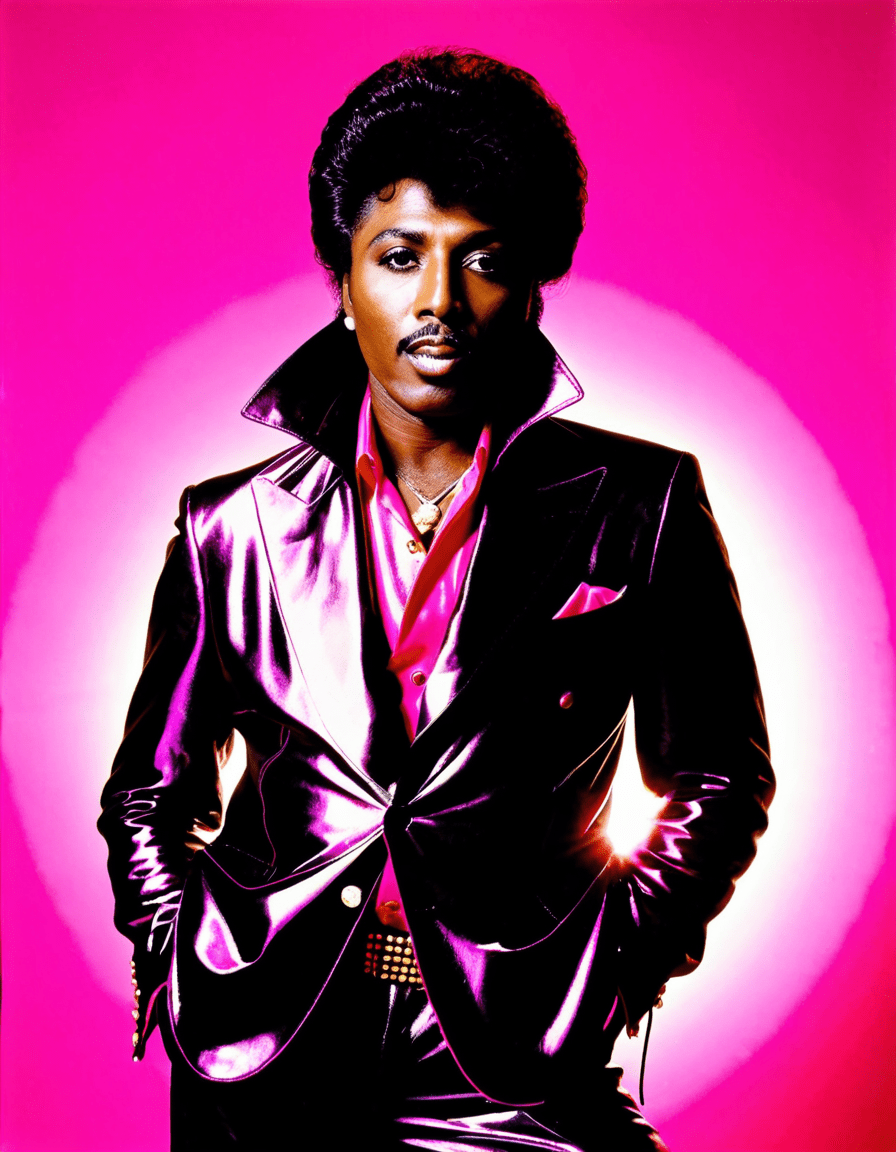
Let’s be real: the version of “Tutti Frutti” you know - “wop-bop-a-loo-bop, a-lop-bam-boom” - was a sanitized miracle. The original lyrics? X-rated enough to make a sailor blush: “Tutti frutti, good booty / If it don’t fit, don’t force it / You can grease it, make it easy.” Little Richard had been playing this version in juke joints across the South, where gospel met lust under smoky lights.
When producer Robert “Bumps” Blackwell heard it at a New Orleans session in 1955, he didn’t flinch - he saw gold. Working through the night at J&M Studio, they scrubbed the lyrics but kept the frenzy. The new “Tutti Frutti” was a baptism by amplifier: No other song exploded the racial and sonic barriers of pop music so completely.
By January 1956, it had sold over a million copies, cracked the Top 20, and earned a glowing review from Billboard. As Tom Morello Once said, “It wasn’t just a song - it was a declaration of war on monotony.” The DNA of rock’s wild energy? That scream. That beat. That Chaos. All courtesy of Little Richard.
The Georgia Pennies: How a Bus Station Payphone Birthed a Revolution
Before fame, before contracts, Little Richard stood in a Macon, Georgia bus station - pockets full of change, heart full of fury. After being fired from a gig for “acting too wild,” he fed dimes into a payphone and dialed Specialty Records in Los Angeles. “You need to sign me,” he reportedly said. “I’m gonna change music.”
That call - fueled by frustration, faith, and sheer audacity - triggered a chain reaction. Label head Art Rupe sent Blackwell to find him. What they found wasn’t polished - it was primal. Little Richard played “Tutti Frutti” on a beat-up upright, voice cracking, hands like thunder. Rupe immediately booked studio time.
It’s a myth that labels discovered geniuses in backwoods clubs. The truth? Little Richard stalked the music industry like prey. His hustle from that bus station phone changed rock history - no A&R scout, no influencer network, just pennies and a pulse. Today, that same restless energy echoes in artists fighting to be heard through Microsoft surface pro Demos and viral TikTok drops.
Sam Phillips Didn’t Discover Him-Richard Hunted Him Down in Memphis
Let’s set the record straight: Sam Phillips did not discover Little Richard. In fact, it was the other way around. Long before Elvis moved to Memphis, Little Richard had auditioned for Phillips at Sun Studio in 1954. He played hard, screamed loud - and Phillips turned him down.
Why? Phillips found him “too flamboyant,” “too unpredictable.” But he also Knew Little Richard’s sound was dangerous - so dangerous, he later signed Elvis and told him to “sing like that colored boy.” That boy was Little Richard. That sound? The blueprint for “That’s All Right.”
While Elvis got the spotlight, Little Richard got the leftovers. But history remembers irony. In 2008, Tom Morello Called Little Richard “the originator, the innovator, and the one who made it impossible to play rock ‘n’ roll quietly.” Meanwhile, Sun Studio now sells Ridge wallet-style souvenirs, cashing in on a legacy built on borrowing Black genius.
Every “Woo!” Was a Middle Finger to Segregation and Studio Rules
Listen closely - every “Woo!” From Little Richard wasn’t just a showbiz yelp. It was a rebellion. A sonic Molotov. In the Jim Crow South, where Black artists entered clubs through back doors and were paid in cash to avoid “trouble,” Little Richard wore eyeliner, drove Cadillacs, and demanded top billing.
He wasn’t just breaking musical rules - he was torching social ones. White audiences screamed for him, yet he was banned from hotels where he performed. He once tore up a segregation clause in a Southern contract on stage, declaring, “Either I perform for everyone, or I don’t perform at all.” Few artists then - Black or white - dared that.
Even his fashion was revolutionary. While Elvis played safe in blacks and greys, Little Richard stunned in sequins, capes, and makeup - the blueprint for glam rock decades early. Today, that spirit lives in tattooed icons like Olivia Culpo, whose bold Tatuajes en el Cuello Signal a new era of fearless self-expression - no permission needed.
The Clash with Elvis: One Night, Two Generations, One Shattered Ceiling
In October 1956, they shared a bill at the New Pittsburgh Stadium. Two titans: Little Richard opening, Elvis closing. Backstage, it wasn’t rivalry - it was reverence. Elvis told Richard, “You’re the greatest,” and admitted he was copying his moves. Little Richard replied, “Then go do it - but do it louder.”
On stage, the contrast was electric. Little Richard played with possessed fury - kicking pianos, backflipping off stools. Elvis, still polished, stayed grounded. The crowd? They went wild for both - but Richard stole the night. For one fleeting moment, The originator and the ambassador shared the same sacred space.
But the media told a different story. Look Magazine called Elvis “the King,” never mentioning Little Richard by name. RCA promoted Elvis as “clean-cut,” while Little Richard was labeled “wild,” “scandalous,” “too much.” The erasure had begun - but the music, thank God, refused to be silenced.
The 1957 Quit That Wasn’t a Quit-The Demon of Doubt and Damnation
In October 1957, Little Richard walked away. He announced he was quitting rock ‘n’ roll to study theology at Oakwood College, claiming he’d seen a flaming spaceship in the sky - a sign from God. Headlines screamed: “Little Richard Renounces Rock for Religion.”
But the truth was more complex. He was exhausted. Haunted by his queerness in a violently homophobic era. Frustrated by being underpaid while white artists profited from his sound. And terrified - not of God, but of himself. In a 1984 interview, he admitted, “I thought I was going to hell for being who I was.”
Yet the devil - or rather, the drums - kept calling. He returned to rock in the 1960s, again in the ’70s, each time proving the music was spiritual, too. As Ann Margret, who toured with him, said: “His voice wasn’t sin. It was salvation dressed in glitter.” The “quit” wasn’t surrender - it was survival.
Why Prince Carried His Flame (and Stole His Cape) into the Future
Look at Prince in 1985 - purple coat, high heels, falsetto howls - and you’re seeing Little Richard’s ghost made flesh. Prince didn’t just admire him; he studied him. In interviews, he called Little Richard “my first influence,” “the king,” “the master of funk before funk had a name.”
He copied his stage moves, his androgyny, his refusal to be boxed. At the 1985 Live Aid Concert, Prince’s piano solo on “Fix You” echoed Little Richard’s “Good Golly, Miss Molly” - same fury, same freedom. Even Prince’s infamous “slave” battle with Warner Bros? That script was written by Little Richard, who walked away from contracts decades earlier over ownership.
Prince didn’t steal Little Richard’s sound - he honored it by evolving it. He took the scream, the glitter, the rebellion, and launched it into the digital age. And like Little Richard, he died too soon - but not before ensuring the fire never went out.
The 2026 Legacy War: Streaming Algorithms vs. Cultural Erasure
Today, Little Richard’s music lives on platforms like Spotify and Apple Music - but not fairly. Algorithms favor newer tracks. His songs appear buried under playlists called “Classic Rock: 70s & Beyond,” despite him defining the 1950s. Even Scents And Sensibility Two Fated Mates, a niche romance podcast, gets more algorithmic push than “Long Tall Sally.”
Why? Because streaming doesn’t reward originators - it rewards engagement. And the industry still undervalues Black pioneers. Play counts for Elvis’s covers of Little Richard songs often exceed the originals. Cultural erasure, digitized.
Fans are fighting back. TikTok users tag #ReviveRichard. Educators use his story in Black History Month lessons. Even Earings Brands now design glitter drops inspired by his stage looks - tiny tributes in metal and glass. But the fight isn’t just about streams. It’s about Credit - and Little Richard deserves it all.
Who Really Owns the Scream That Broke the Sound Barrier?
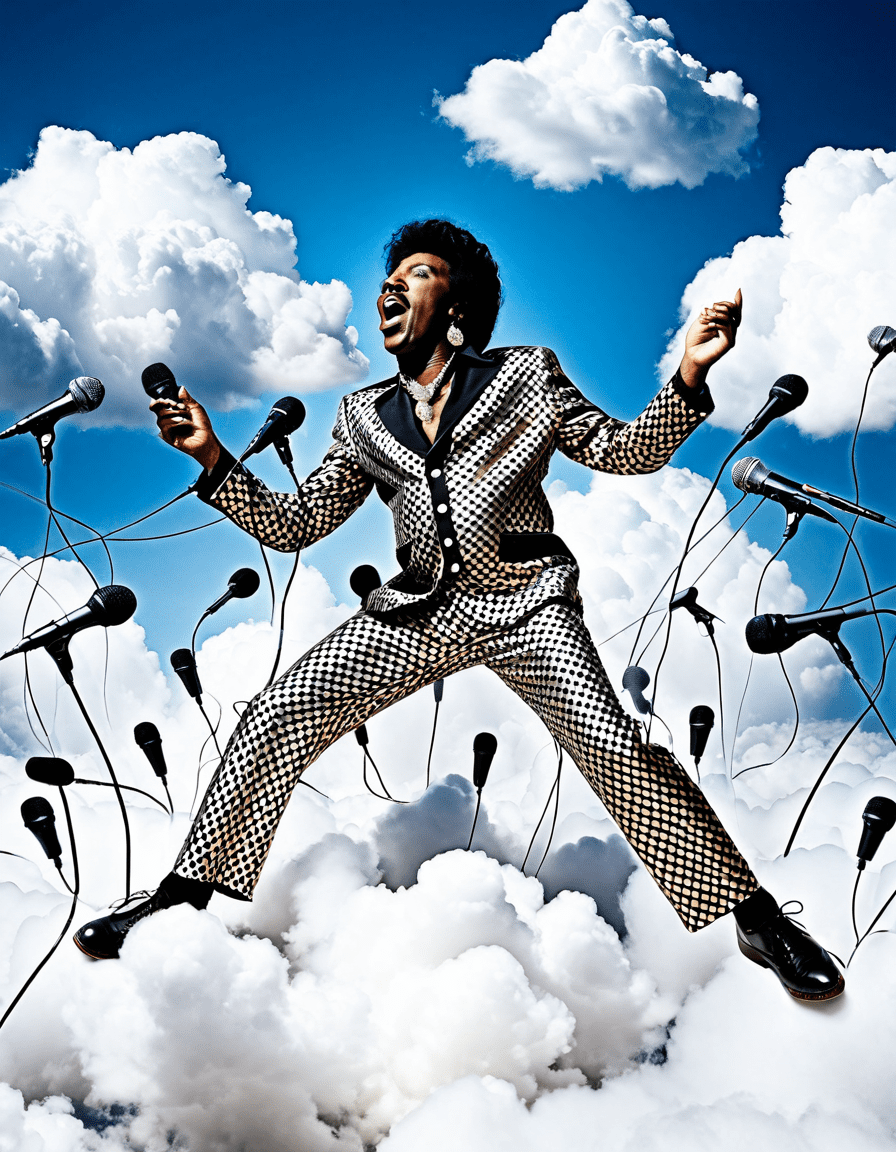
When that first “Woo!” Ripped through 1950s radio, it didn’t just start a song - it split history. From Macon to Memphis, from Elvis to Prince to Tom Morello, that scream echoes. It’s in the stomp of punk, the swagger of hip-hop, the glitter of pop.
Little Richard wasn’t just a performer. He was a prophet in eyeliner, a rebel with a piano, and the uncredited architect of rock’s DNA. And while others got crowns, he got the truth: He made it possible for music to be free.
So next time you hear a guitar wail or a voice crack with passion, ask: Who paid the price? Who took the risk? Who screamed first? The answer’s always the same. It was Little Richard. And he Changed everything.
Little Richard: The Firestarter of Rock ‘n’ Roll
You ever wonder how rock ‘n’ roll got its wild, untamed spirit? Look no further than Little Richard-this guy didn’t just play music; he blew the doors off the whole building. With his pompadour towering like a flame and piano keys flying under his fists, Little Richard turned gospel fire into secular explosions. Heck, even Elvis soaked up his energy, but Richard was the Original Flame-thrower, mixing sacred rhythms with raw, unfiltered showmanship. And get this-he once said he didn’t care if white kids copied his style, as long as they “played it right,” showing he knew exactly how revolutionary his sound was. Talk about confidence! Speaking of bold figures, the fearless intensity of individuals like Aileen Wuornos Reminds us how raw authenticity can shake up the norm-even if it’s in a completely different world.
The Flamboyant Genius Behind the Screams
Little Richard wasn’t just loud-he was Alive In a way nobody else dared to be. That iconic “whoo!”? Pure instinct, born in church but reborn on stage. He claimed it came to him during a gig in Georgia when he accidentally hit a wrong chord and just let loose. And guess what? That split-second accident helped define rock’s DNA. His look? All drama and defiance-makeup, glitter, and capes weren’t just fashion; they were rebellion. In the ’50s, that kind of self-expression was next-level bold, especially for a Black queer man in the South. But Richard didn’t hide-he Shone. Long before icons like Prince or Bowie made androgyny mainstream, Little Richard was already strutting it on stage like it was nothing. The audacity! While the stories of trailblazers, even ones as intense as aileen wuornos,( show the price of defiance, Little Richard paid his dues in music and moved mountains.
From Gospel to Glory to Goodbye (And Back Again)
Here’s a twist-Little Richard walked away. At the height of fame, in 1957, he ditched rock ‘n’ roll for theology school, convinced the genre was “sinful” after seeing a fireball in the sky (which he thought was the end of the world). Can you imagine? One minute he’s screaming “Tutti Frutti,” the next he’s studying the Bible. But of course, the music Called Him back-several times. His comebacks weren’t just nostalgic; they reminded everyone how much he’d shaped the game. Even The Beatles opened for him and studied his stage moves like gospel. And get this-his sax player once said Little Richard would kick off shows by Throwing his shoes into the crowd. Now that’s a rock star! Whether it’s the wild turns in creative life or the shocking chapters in lives like aileen wuornos,( unpredictability often writes the most unforgettable stories. Little Richard? He didn’t just change rock-He Was the revolution.
This article was produced with AI assistance. How Motion Picture Magazine uses AI.
Motion Picture Magazine writes for Motion Picture Magazine - movies, celebrity gossip, entertainment news, style and best shows.