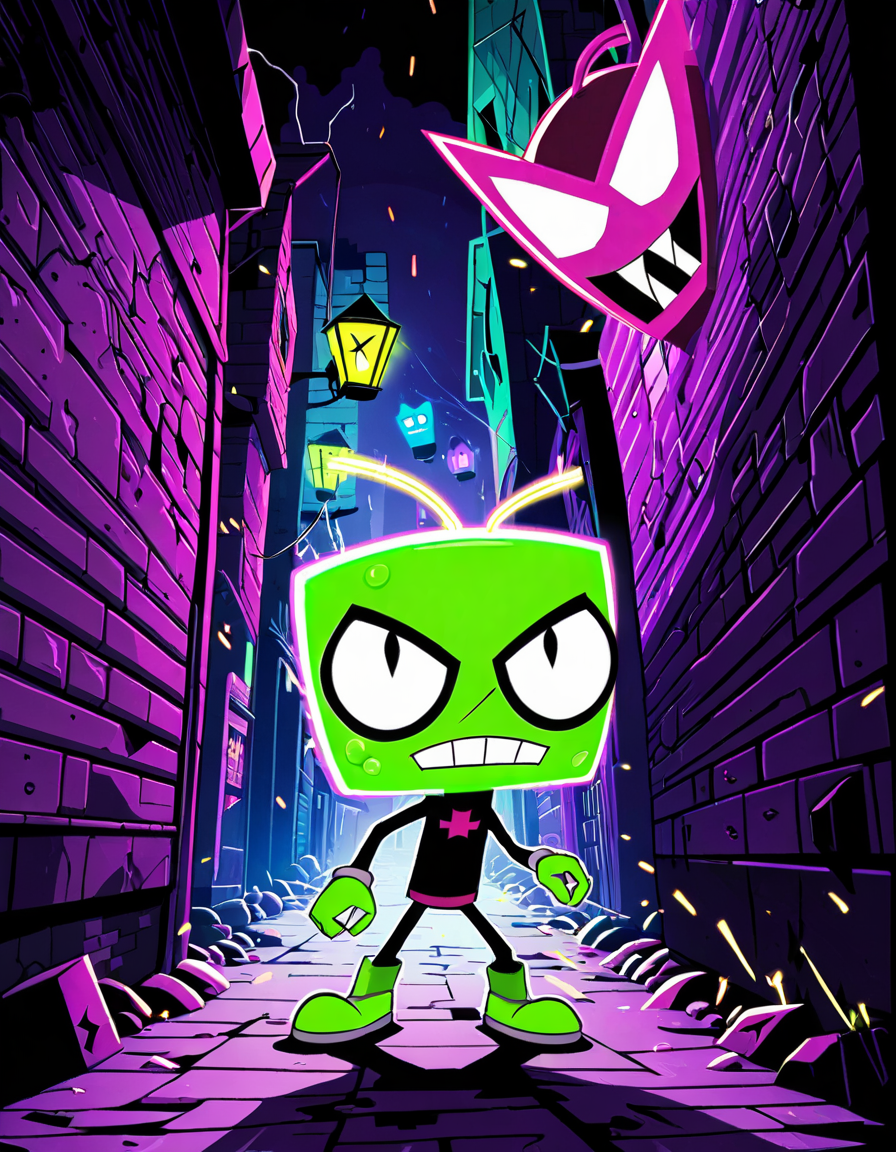
Invader Zim splintered the cartoon landscape with rude, brilliant insanity — but what you remember is only the tip of the iceberg. Read on for seven deep-dive secrets that reframe the show’s history, the people who made it, and how the franchise keeps evolving in surprising ways.
invader zim secret 1 — Lost scripts, storyboards and the episodes we almost got
What fans didn’t see: the scale of unproduced material
| Field | Details |
|---|---|
| Title | Invader Zim |
| Creator | Jhonen Vasquez |
| Production / Network | Nickelodeon Animation Studio; originally aired on Nickelodeon |
| Original run | 2001–2002 (series); TV film “Invader Zim: Enter the Florpus” released 2019 |
| Episodes | 27 produced episodes across two seasons (several segments were unaired during original broadcast) |
| Genre / Tone | Animated sci‑fi dark comedy, satire; macabre, surreal, and absurdist humor |
| Premise | Zim, an inept Irken invader sent to conquer Earth while disguised as a human schoolboy; opposed by paranormal‑obsessed Dib and accompanied by his malfunctioning robot sidekick GIR. |
| Main characters | Zim (Irken invader), GIR (quirky robot), Dib Membrane (paranormal investigator), Gaz (Dib’s sister), Professor Membrane, Almighty Tallest (Irken leaders) |
| Visual / Audio style | Distinctive stylized 2D animation, exaggerated character designs, off‑kilter camera work; score by Kevin Manthei; dark color palettes and surreal visual gags |
| Related media / Extensions | 2019 Netflix movie “Enter the Florpus”; Oni Press comic series (2015–); various tie‑ins and appearances in games/compilations |
| Reception & legacy | Cult following and critical praise for originality and tone; noted for influencing later edgy animated series; fan campaigns contributed to revival film. |
| Availability | Series and film have appeared on streaming platforms and home media; rights/availability vary by region and service (film premiered on Netflix). |
| Merchandise & Pricing | Official and fan merchandise: comics, apparel, figures, plush, collectibles; prices vary widely (affordable apparel/comics to higher‑end collectible figures). |
| Target audience | Children/teens (original broadcast) and older viewers attracted to dark humor — strong cross‑demographic cult fanbase |
Jhonen Vasquez and his core team produced more than the 27 produced half-hours; their archives contain dozens of partial scripts, full episode pitches and storyboard sequences that were never animated. These weren’t throwaway notes: many are complete acts with finished jokes, character arcs for Zim and Dib, and visual gags that would have pushed the Nickelodeon envelope further into dark satire. The sheer volume means the show’s universe could have been radically larger — and many fan restorations and audio read-throughs rely on these materials.
Concrete evidence & where it surfaced
Vasquez has repeatedly teased unused content during comic-con panels and interviews, showing concept art and quoting draft lines that didn’t make broadcast. Archival images have surfaced at panels and on creator social posts, while storyboard frames occasionally appear in art books and auction lots. Even when a full episode didn’t exist, the production art often contained scene staging that fans later animated as fan films or storyboard animatics.
Why it matters in 2026
Those unused ideas are not museum curiosities — they actively inform the comics, tie-ins and the occasional canonical patch of the franchise. Oni Press and creator-led projects have adapted unused beats into comics and short web releases, and several collectors who’ve legally digitized archival art now supply reference scans for restorations. If you collect, focus on verified convention prints and original storyboard pages; attend creator Q&As and check official storefronts for legitimate releases.
Shocking Netflix reveal 2 — Hidden cameos and callbacks in Enter the Florpus (2019)
The easter eggs you probably missed
Enter the Florpus works as a love letter to the series: it reuses props, background gags and lines that echo early episodes (the pilot’s visual motifs and GIR’s random babble reappear as purposeful callbacks). Small background boards and quick one-liners nod to classic episodes like “The Nightmare Begins” and “Bestest Friend,” often repurposed so the film reads differently to long-time fans. These moments aren’t just nostalgia — they shift emotional beats, making the movie feel like a culmination rather than a reboot.
Who confirmed it
The creative team openly discussed intentional callbacks in promotional interviews and panels, with Vasquez and returning cast members mentioning deliberate choices to reward longtime viewers. Behind-the-scenes featurettes and Q&A sessions at festivals highlighted scenes where the crew reinserted micro-references to original episodes as fan service rather than narrative necessities. Those confirmations turned on-the-nose fan theories into documented design decisions.
Fan checklist: moments to rewatch
Rewatch Enter the Florpus with an eye for micro-easter eggs: short-cut edits that mirror old episode beats, GIR’s improvisational flourishes, and props that appear briefly in the background but recirculate as plot devices later. Fans have timestamped debates online cataloguing these moments, and reexamining those beats changes how you read Zim’s competence (or chaos) in the film.
Inside Jhonen Vasquez’s 3 — The creator’s unrevealed influences and original pitch changes
The creative DNA: inspirations behind Zim’s look and tone
Vasquez drew the show’s aesthetic and attitude from his earlier indie comics and a wider underground-comics mood: exaggerated silhouettes, moral nihilism, and a taste for black comedy reminiscent of his Johnny the Homicidal Maniac work. That darker palette translated into offbeat camera work and design choices that made normal suburban life feel hostile and oddly alien — a deliberate inversion of kids’ programming norms. Vasquez later acknowledged influences ranging from classic sci-fi films to punk-era visual artists.
Development vs. reality: what Nickelodeon asked to change
Network notes required several tone adjustments: tempering the most explicit gore implications, softening certain verbal barbs, and occasionally toning down plots deemed too bleak for the target demographic. Vasquez and producers negotiated to keep the show’s edge while meeting broadcast standards, producing a final product that balanced subversive wit against kid-friendly framing. These production compromises are visible in scripts and recorded interviews where creators recount push-pull meetings with standards and practices.
Why fans should care now
Understanding the original pitch clarifies why modern Zim projects — comics, limited merch runs and the Netflix film — often lean into creator-led content aimed at older fans. Vasquez’s authentic voice anchors the franchise’s reputation for off-kilter satire, and that voice is the main reason licensors return to him for canon-adjacent projects. If you want to predict future moves, follow creator statements and pieces that discuss original pitch material being adapted to new formats.
Voice cast revelation 4 — How Richard Steven Horvitz, Rikki Simons and the gang reinvented characters
Casting that defined the show
The chemistry among Richard Steven Horvitz (Zim), Rikki Simons (GIR), Andy Berman (Dib) and Melissa Fahn (Gaz) made caricatures feel lived-in and frantic. Horvitz’s manic timing and Simons’ improvised detachment transformed text into unpredictable performance. That synergy turned simple lines into quotable moments and established vocal identities that survived decades of fan edits and meme culture.
Behind-the-mic moments that changed episodes
Several iconic lines and reactions were born of on-the-spot improvisation during table reads and recording sessions; producers sometimes kept these unscripted beats because they elevated scenes beyond the written page. Cast interviews and panel anecdotes recount times when a dropped-in laugh or ad-libbed expression reshaped a scene’s edit or prompted animators to redraw a reaction. These moments turned lines into fan-favorite memes and hallmark episode beats.
Reunion impact: Enter the Florpus and beyond
The Netflix reunion reunited most of the original voice cast, preserving continuity and emotional resonance for the franchise. The film’s reception proved the cast’s importance: returning actors kept performative continuity intact, enabling the film to reference old character beats without feeling like a recast imitation. That continuity also raises the bar for future audio projects and collectible audio releases.
Why Nickelodeon cut 5 — Censorship, ratings and the end of the first run
The official and unofficial reasons for cancellation
Nickelodeon cited scheduling, rising production costs and shifting demographics as official reasons for ending the series; unofficially, the show’s dark humor and niche appeal created a ratings mismatch for mainstream kids’ programming. Production budgets for higher-detail animation also pressured the show’s viability, and network executives worried about content perception among younger audiences and parents. The result was a cancellation that felt abrupt but was driven by standard broadcast economics.
Primary sources & contemporaneous reporting
Trade outlets at the time reported on ratings trends and Nickelodeon’s broader programming strategy shifts; creators later added color via interviews and convention Q&As about the negotiation process. Contemporary press and industry reports provide a timeline: initial buzz and acclaim, uneven ratings, then cancelation announcements linked to budget re-prioritization. These sources together give a fuller picture than any single explanation.
What fans misremembered — and what actually happened
Myths persist — “banned episodes” or secret seasons kept in a vault — but most of those ideas conflate unfinished scripts with formally banned broadcast content. The real situation: some episodes remained unproduced, some segments were trimmed, but few episodes were outright banned by Nickelodeon. Understanding this helps collectors and researchers separate rumor from traceable production fact, which directly affects item valuation and fan restorations.
Oni Press expansion 6 — The comics that rescued and extended Zim’s canon
Timeline and key releases
Oni Press relaunched Invader Zim in 2015 with a new comic series that expanded narrative scope and continued Vasquez’s voice in serialized form. Major storylines included multi-issue arcs that explored Irken politics, Gaz’s life off-screen, and Zim’s persistent plots to conquer Earth in more elaborate ways than the original TV season allowed. The comics offered a permission structure to revive cut concepts and repurpose unused story beats legally.
Notable creators and contributions
Vasquez returned as a creative driver alongside new writers and artists who respected the show’s tone while bringing fresh visual energy. Guest artists contributed variant covers and one-off issues that became collector darlings. Writers expanded character backstories and introduced new Irken lore that eventually informed animated and film projects.
Collecting & canon: how the comics fit with the show and film
Oni Press issues are now essential for anyone tracing official continuity, and Vasquez and Nickelodeon have treated many comic beats as canon when they don’t conflict with screen releases. If you want a reading list: start with the 2015 relaunch #1 and follow multi-issue arcs that explicitly reference events from the TV series or film. Buy from official Oni Press channels or verified retailers for authenticated copies and variant cover tracking.
Where to stream 7 — How to watch, buy, and follow new developments in 2026
Current viewing and purchasing guide
As of early 2026, the most reliable place to watch Enter the Florpus remains Netflix in many territories, while the original series circulates in rotation on streaming platforms and digital storefronts for purchase; episodes are frequently available on digital marketplaces like Amazon and Apple’s storefronts, and physical media runs appear occasionally through limited-press releases. For collectors, official Blu-ray or DVD releases and Oni Press collected editions represent the most durable archives for long-term preservation.
For related nostalgia pieces and cultural context, our site has features ranging from classic concert retrospectives like Santana to star profiles such as wayne newton, which help place franchise revivals in a larger entertainment-business picture.
Ongoing projects and credible rumor trackers
Trust primary channels: Jhonen Vasquez’s verified social profiles, Oni Press announcements, official Nickelodeon releases and major convention panels at San Diego Comic-Con or New York Comic Con. Skeptical fans should treat unverified leaks cautiously; the best rumor trackers are those that tie claims to official press releases or on-record creator statements.
For community culture and the meme ecosystem that keeps Zim alive online, fan pages and meme roundups such as Memes funny illustrate how quotes and images maintain the show’s viral life decades later.
Action steps for superfans today
If you want to protect and participate in the franchise: join verified fan communities, attend panels, buy official merchandise, and support Oni Press and Nickelodeon releases. Donate or bid on charity auctions when archival art appears, and collaborate with reputable archivists if you engage in restoration projects. Conventions remain the best place to ask creators direct questions and to find limited releases.
For more on how modern fan communities intersect with pop culture at large, see how celebrity coverage and human-interest features mingle across platforms — from legacy profiles like brooklyn Beckham to broader fandom examinations like Sauron — these pieces give context to why cult shows resurge.
Whether you’re a collector, a completist, or a casual fan rediscovering the show, these seven secrets change how you read Invader Zim’s past and where you might look for its future. Keep your eyes peeled at conventions, follow the creators, and treat archival finds with a healthy mix of excitement and provenance-checking — the Zim story is still being written, and the next secret might just be revealed at the next panel you attend.
invader zim: Jaw-Dropping Trivia
Origins & casting oddities
invader zim began as a shockingly dark cartoon pitched to kids, and that contrast is part of its charm; creator Jhonen Vasquez kept a punk comic sensibility, which meant the show walked a thin line between goofy and grotesque. Voice choices mattered—Richard Steven Horvitz’s manic Zim and Rikki Simons’s eerily perfect GIR gave the series its off-kilter heartbeat—so much that fans still dissect every episode. Funny enough, if the show’s grim humor pushes you toward gritty actors, you’ll find a neat comparison in Holt Mccallany Movies And tv Shows, which share a similar intensity. Meanwhile, modern fan artists like griffin cleverly keep obscure background jokes alive with fresh takes, proving invader zim’s visual jokes still spark new creativity.
Easter eggs & pop culture crossovers
Here’s a kicker: invader zim hid tiny, repeating motifs—like specific background posters and recurring alien symbols—that reward repeat watches, and the Netflix return, Invader Zim: Enter the Florpus, actually expanded several character threads. The score, by Kevin Manthei, often cues emotion in ways you’d miss on first viewing, so listen close; those musical nudges sell scenes that look zany on the surface. Oddly, fandom stretches into real life—impromptu screenings crop up in unlikely spots, even near sarasota beach, and mainstream gossip sometimes brushes past cartoon fandom (see who Is Kim Kardashian dating for a taste of how wildly different pop bubbles collide), which keeps invader zim part of a larger pop conversation.