Wayne Newton has been a Las Vegas fixture for decades, and his story is full of surprising turns most fans don’t know. Read on for seven deep-dive secrets-behind-the-scenes facts, legal twists, and pop-culture echoes-that explain why his name still turns heads.
1. Wayne Newton - The song that built his brand: “Danke Schoen” and the unlikely writers
Who wrote it - Bert Kaempfert, Kurt Schwabach and Milt Gabler: origins of the tune and its German‑to‑American path
| Attribute | Details |
|---|---|
| Full name | Carson Wayne Newton |
| Born | April 3, 1942 - Norfolk, Virginia, U.S. |
| Occupation | Singer, entertainer, actor |
| Years active | 1948–present (began as a child performer) |
| Nickname | “Mr. Las Vegas” - long‑time Las Vegas headliner and emblematic Strip entertainer |
| Signature song / Breakthrough | “Danke Schoen” (1963) - widely recognized as his signature tune |
| Notable hits | “Danke Schoen”; “Red Roses for a Blue Lady”; “Daddy, Don’t You Walk So Fast” |
| Residencies & venues | Decades-long headlining career in Las Vegas at major hotel-casinos; longtime association with the city’s entertainment scene; owned the Casa de Shenandoah ranch/museum in Las Vegas |
| Film & TV (selected) | Frequent guest on variety and talk shows, television specials and occasional film/TV cameo roles across several decades |
| Recognitions & legacy | Widely regarded as a cultural icon of Las Vegas; long-standing career as a top showroom performer and pop-standard vocalist |
| Other activities | Business and real estate interests tied to Las Vegas; involvement in charitable activities and public appearances |
| Quick note | Career spans traditional pop, standards and showroom entertainment; known for polished stagecraft and rapport with live audiences |
“Danke Schoen” began life in Europe before it became Wayne Newton’s calling card. Composer Bert Kaempfert wrote the melody in Germany; lyricist Kurt Schwabach supplied the original German phrasing, and American lyricist Milt Gabler created the English words that gave the tune its smooth, conversational lift. That transatlantic origin is part of the song’s charm-an easygoing German melody that translated into a perfect pop standard for American variety TV.
The song’s arrangement-strings, a bright trumpet counter, and Newton’s youthful croon-made it a radio-friendly signature. Producers and bandleaders heard a tiny blockbuster in a sub-three-minute package: memorable hook, singable chorus, and room for Newton’s charismatic delivery. For a singer building a brand in the early 1960s, that clarity mattered more than innovation; a single big song could define a career.
Today music historians point to that mix of European melody and American popcraft as the key reason the record stuck. In many ways, “Danke Schoen” became Newton’s brand shorthand-the tune people hum when they picture sequins and Vegas marquees.
1963 breakout - how the single, TV exposure and chart momentum turned Newton into a national star
In 1963 “Danke Schoen” broke through after sustained airplay and crucial television spots. Newton’s appearances on variety showcases and late-night stages gave the record visual life-suddenly viewers had a face to match the catchy chorus. Chart momentum followed: the single climbed the Hot 100 and helped move Newton from regional favorite to national name.
TV exposure mattered then the way streaming playlists do now: one strong televised performance could create a tidal wave of record sales and bookings. Newton rode that wave straight into extended Las Vegas bookings and repeated variety-show invitations, everywhere from local dancehalls to major network stages.
The result: a durable public identity. The song anchored his persona so tightly that, decades later, audiences still expect to hear it within the first half-hour of a Newton show.
Cultural afterlife - use in movies and ads (the signature moment that keeps Newton in playlists)
“Danke Schoen” didn’t vanish with the 1960s. Its most famous cinematic resurrection arrived in the 1980s when filmmakers repurposed it as an ironic, joyous cue-most memorably in the opening sequence of a classic teen comedy that reintroduced the song to new generations. Beyond cinema, advertisers tapped its sunlit optimism for campaigns that needed easy nostalgia.
Writers and critics still track such placements-pieces about pop‑culture reuse range from reviews of independent dramas to discussions about soundtrack choices in films like Poison ivy movie. Sports packages and highlight reels also use classic pop hooks; you’ll hear the same nostalgia-driven strategy in clips and compilations online, the sort of mashups fans make for rivalries like Ohio state Vs penn state.
The takeaway: a single well-placed song can generate decades of echoes in film, commercials, and playlists, and “Danke Schoen” is a textbook example.
2. From Strip stages to national stages: How “Mr. Las Vegas” became a living trademark
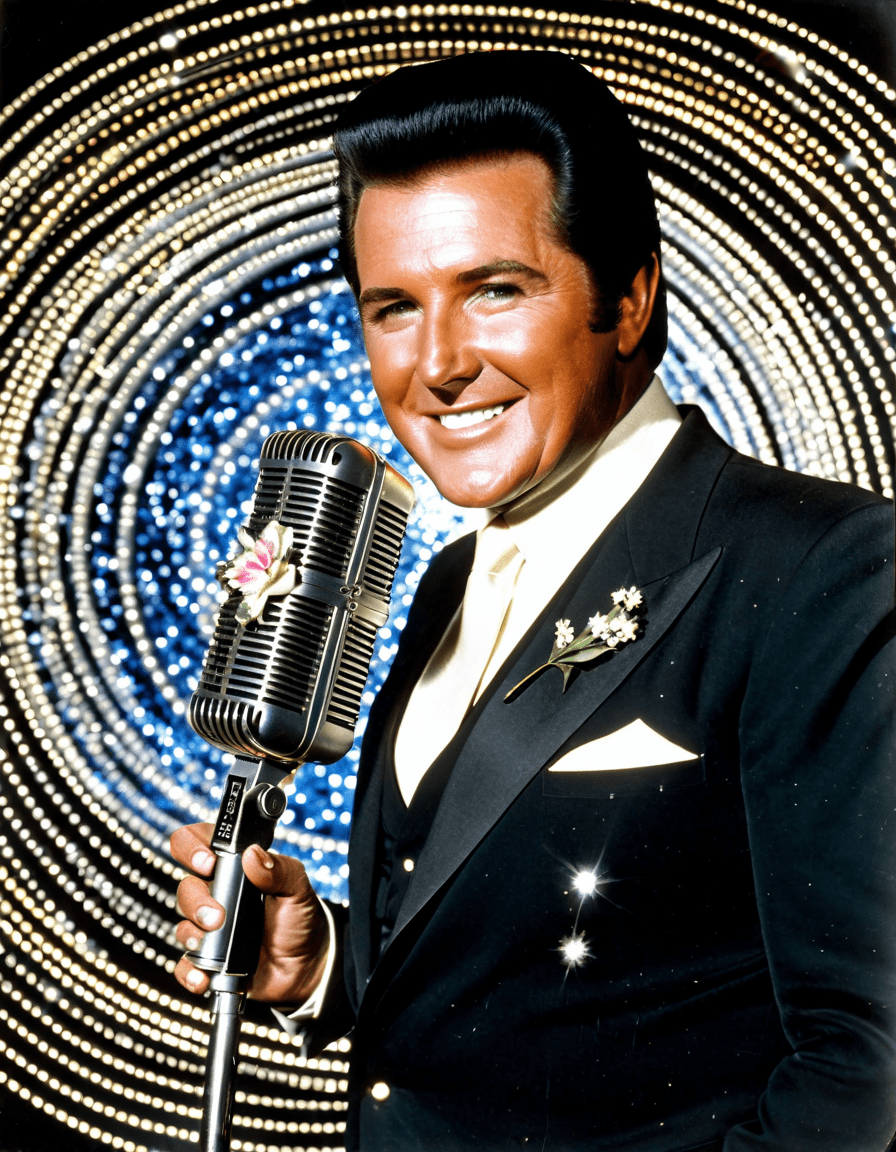
The nickname explained - decades-long residencies, signature show format and the sequined‑jacket image
“Mr. Las Vegas” wasn’t a marketing afterthought; it grew out of relentless repetition. Newton built a brand around long residencies, signature arrangements, and an image-sequined jackets and tailored suits-that became shorthand for a certain brand of Vegas glamour. When an entertainer performs hundreds of shows in the same market, a nickname crystallizes into identity.
His show format reinforced that brand: a mix of sentimental ballads, upbeat standards, audience interaction, and a few showbiz anecdotes. Those predictable elements created comfort for tourists: you know what you’re buying into when you buy a Newton ticket. That predictability, presented with spectacle, equals trust-and repeat business on the Strip.
It’s also worth noting that the sequined-jacket image is a visual currency in Vegas; it reads instantly on a marquee. Newton’s look signaled “classic Vegas” in ways later acts tried to copy or update.
How Vegas built around stars - Newton’s role in the casino‑entertainment ecosystem and tourist marketing
Las Vegas depends on personalities to sell nights and build loyalty, and Newton fit the ecosystem perfectly. Casinos used regular headliners to anchor entertainment calendars and sell rooms; Newton’s bookings were a reliable draw for older tourists and showgoers seeking familiar glamour. In marketing terms, a consistent headliner helped casinos create package deals-dinner, show, and rooms-that were easy to market.
Newton’s role wasn’t just as a performer; he was a promotional asset. Casinos lent their advertising muscle to his shows, and he reciprocated by keeping his dates steady. This symbiosis helped normalize long-term residencies as a key Vegas strategy, where the face of the performer becomes part of the property’s identity.
That dynamic changed Las Vegas into a place where visitors expect more than gambling-shows and celebrity became central to how the city sells itself.
Stagecraft specifics - hallmark numbers, audience rituals and why his act translated to longevity
Newton’s stagecraft landed in three predictable components: signature songs, interactive bits, and theatrical pacing. He conserved energy by anchoring shows with hallmark numbers-”Danke Schoen” above all-and punctuated the set with up-tempo crowd-pleasers and sentimental ballads. Those anchors created ritual: people stand for certain songs, shout a phrase, or clap at predetermined cues.
Audience rituals are crucial in longevity: repeat guests return partly to relive those communal moments. Newton understood pacing, letting the orchestra breathe while he told stories or invited applause. That balance-big production values with small, human moments-keeps audiences feeling both entertained and emotionally connected.
You can compare this to other longevity models in different fields-coaches with long tenures like Ty Lue Maintain consistent systems, and performers maintain a consistent set list and signature moves to achieve the same stability.
3. Inside Casa de Shenandoah - the private ranch that hid a Hollywood‑scale collection
The ranch story - purchase, transformations and the decision to open parts of Casa de Shenandoah to the public
Wayne Newton’s Casa de Shenandoah started as a private ranch that reflected the performer’s showman instincts: larger-than-life, carefully curated, and visible from the freeway. Newton bought and expanded the property, turning it into an estate that mixed working agricultural elements with museum-quality displays. Over time he opened parts of the ranch to tours, inviting fans to see the private side of a public entertainer.
Opening the property served dual purposes: it monetized the brand and gave fans an intimate way to experience the Newton myth. Casa blended Americana-barns, stables, and lawns-with Hollywood-scale presentation, making it a roadside attraction as much as a home.
The decision to allow public access turned the estate from private sanctuary into living museum-one that told a curated version of Newton’s story to anyone who bought a ticket.
Cars, horses and memorabilia - what visitors saw (classic automobiles, show horses, personal archives)
Tour guests at Casa de Shenandoah encountered a surprising mix: show horses trained for parades and publicity; a rotating display of classic automobiles tied to Newton’s touring life; and personal archives that ranged from costumes to plaques and framed photographs. The visual contrast-gleaming cars beside pastoral equestrian scenes-made the estate feel cinematic.
Newton was a showman who collected props and artifacts that reinforced his narrative: trophies, photographs with presidents, and stage clothes that mapped his career across decades. These items helped visitors translate the career they saw on stage into tangible objects you could photograph and share.
A stroll through the ranch felt like walking through a personal museum: equal parts family homestead and entertainment shrine, with artifacts that underlined the scale of his Vegas career. For tourists, it was a way to connect the onstage persona to a real, physical life.
Preservation and controversy - fights over tours, maintenance and why the estate became part of his legend
Making a private estate public invites logistical headaches-and legal ones. Casa de Shenandoah became the center of disputes over maintenance, tour contracts, and long-term preservation. Those controversies fed tabloid narratives but also exposed a key problem: the upkeep of a large, famous property is expensive and complicated.
Some battles centered on who controlled the narrative: tour operators wanted access, fans wanted authenticity, and legal teams sought to protect assets. The result was enough public wrangling to make the ranch part of Newton’s mythos-fans remember not only the gleaming cars and horses but the media storms that swirled around the property.
For many, the estate’s preservation struggles added drama: a tangible reminder that celebrity assets require as much management as any major business.
Fans touring the region often pair a trip to Casa with stops at classic tourist shops and bite-sized indulgences like Kilwins ice cream, a small ritual that makes the visit feel like an old-school day trip.
4. The unexpected hobbies: planes, pets and personal collections you never heard about
Aviation and travel - Newton’s private‑plane habits and how flying serviced a nonstop performance schedule
Entertainers with constant bookings need mobility, and Newton’s fondness for private aviation fit that need perfectly. Owning or chartering planes let him move from venue to venue quickly, hitting multiple markets or flying into Las Vegas between out-of-town dates without the delays commercial travel can impose. For a performer whose value depended on being in the right city on the right night, that flexibility is more than a luxury-it’s part of the job.
Private aviation also gave Newton a degree of privacy and control. He could arrive on his timetable and avoid the unpredictability of commercial flights. For artists whose personal brand matters, travel logistics can shape both schedules and public perception.
In short, the plane wasn’t just a toy; it was a touring tool that enabled the kind of nonstop performance life that produces thousands of shows over decades.
Animals and show horses - the role of equestrianism at Casa de Shenandoah and in publicity shoots
Horse culture was central to Newton’s ranch persona. Show horses performed in parades and promotional events, and equestrian images showed a gentler, more rooted side of a performer known for Vegas sparkle. Horses allowed Newton to stage photos that contrasted with the lights of the Strip-rustic, controlled, and placid.
Those animals also played a practical role: they gave Newton and his team visual metaphors for stability and tradition. Marketing materials used images of horses and ranch life to tell a story of American success grounded in family and land.
The equestrian program wasn’t only for show; it underpinned much of his publicity strategy, giving reporters and photographers striking images that extended his brand outside the casino.
Collector instincts - memorabilia, auto rarities and how collections fueled public fascination
Newton’s collecting extended beyond costumes to automobiles and curiosities-machines with provenance and stories tied to tours and film sets. Collector culture thrives on provenance: who owned an item, where it has been, and what stories it carries. Newton’s car lineup and trophy case conveyed a life on the road and on stage.
Collectors and fans share a hunger for those stories; each shiny hood ornament or signed photograph is a narrative fragment. That curiosity keeps museums, auctions, and tours moving, and helps explain why audiences kept showing up to see what Newton added next.
Collecting isn’t eccentric when it becomes part of the product-Newton’s collections became content.
5. What the tabloids missed - money problems, legal fights and the myths that stuck
Headlines vs. Reality - separating bankruptcy rumors and tax stories from verifiable legal filings
Celebrity finance stories attract wild headlines, and Newton was no exception. Over the years tabloids and gossip sites circulated claims ranging from catastrophic debts to quick-fix lawsuits. The truth, as with most long careers, sat somewhere in the middle: there were financial disputes and complex tax issues at times, but not all dramatic headlines reflected final legal outcomes.
The distinction matters because rumors can become reputation narratives. Objective readers should look for public filings-and not every unpleasant story ends in public legal calamity. In Newton’s case, bouts of bad press often overstated the final results, turning temporary headaches into exaggerated myths.
Being discerning about sources helps separate persistent myths from verifiable facts-an important habit when the press cycles through sensational celebrity stories (something tabloids also did with figures like Stormy Daniels).
The Casa legal battles - lawsuits and public disputes that threatened the estate’s future
Casa de Shenandoah’s public life brought litigation: contract disputes, management disagreements, and disagreements over the operation of tours and maintenance. Those disagreements turned into legal filings and public disputes, raising worries about the estate’s long-term stewardship. For a property that doubled as a museum and a home, these fights put both tourism revenue and preservation at risk.
The result: media coverage that focused as much on courtroom drama as on the artifacts. While some disputes resolved, the episodes contributed to a narrative of fragility around the estate, and in turn, around Newton’s legacy.
Legal battles like these expose the real-world costs of converting private assets into public attractions-and show how celebrity legacies can become contested properties.
Reputation management - how Newton and his team dealt with press cycles and rebuilt the narrative
Newton and his team applied a steady-handed approach to reputation management: control appearances, court-through-media when necessary, and emphasize the human side of the story. He relied on frequent live appearances and publicity wins to remind the public why he mattered-onstage charisma can quiet a thousand headlines if you keep showing up.
Part of reputation repair involved reminding audiences of the positive: charity work, fan engagement, and the music that first made him famous. Over time, consistent performance and listener nostalgia helped soften the rougher stories.
The lesson: in the long arc of a career, regular positive touchpoints often outweigh episodic controversy.
6. Cameos, variety TV and the screen persona - Wayne Newton off the stage
Variety circuit staples - frequent appearances on shows like The Ed Sullivan Show and The Tonight Show
Wayne Newton made variety-television a cornerstone of his career. In the era when network variety shows could make or break an entertainer, Newton became a frequent guest on stages like The Ed Sullivan Show and The Tonight Show, using those platforms to translate stage persona into living-room familiarity. Television appearances extended his reach far beyond ticket buyers in Vegas.
Those shows demanded concise, camera-friendly performances, and Newton’s ability to deliver a polished three-minute set made him a producers’ favorite. The result was repeat bookings and the kind of national recognition that keeps a performer relevant between tours.
Television also preserved performances for posterity; for many fans, those late-night clips are the entry point to Newton’s image and style.
Film and TV cameos - Newton as himself in Las Vegas‑set projects and guest turns that broadened his reach
Newton’s screen appearances tended to lean on one asset: his persona. Playing himself in Las Vegas-set projects or dropping into sitcoms and specials let him amplify the Newton brand without stretching into fictional acting. Those cameos reinforced the image people already held: suave, practiced, and unapologetically Vegas.
Appearances like these diversified his public presence: stage audiences, television viewers, and filmgoers all had touchpoints with the same image. It’s a smart career move-maintain visibility without the heavy lift of a full acting turn.
Those guest turns also kept his name in cultural conversation, creating new entry points for younger audiences curious about classic performers.
Translating a stage act to camera - how his onstage persona informed televised performance and branding
Onstage, Newton could play to the back row; on camera, nuance mattered. He adapted by tightening delivery, adding a wink to the camera, and emphasizing facial cues that read in close-up. The result was a performance style that felt authentic on both the big and small stage.
Branding-wise, televised work reinforced key signatures: the songs, the suit-and-sequin look, and the conversational patter. Television didn’t change who Newton was; it compressed and preserved him. For modern readers, this is a useful lesson in cross-platform branding-know your strengths and adapt them for different audience frames.
That adaptability is part of why Newton moved comfortably between formats for decades.
7. This is why he still matters - the unseen influence of Wayne Newton on modern residencies and Vegas culture
The residency blueprint - connections between Newton’s model and later residencies (Celine Dion, Britney Spears)
Newton’s long-term presence on the Strip helped prove that residencies could be a sustainable, lucrative model-an idea later expanded by artists such as Celine Dion and modern pop acts. Residencies shifted from temporary novelty to a business model that lets artists spend more time in one city while reducing travel strain. Newton’s decades of steady performances provided a practical template for that shift.
That model influenced decisions by contemporary performers, including country and crossover artists who now consider Vegas residencies as viable career moves. Even artists from different genres-think modern country performers like keith urban-have watched the residency playbook for ways to structure long-term engagements with major markets.
In short, Newton’s approach helped normalize a career path that now supports a wide range of artists.
Pop‑culture resonance in 2026 - why Newton’s story still informs Las Vegas reinvention and nostalgia trends
In 2026, nostalgia is a cultural commodity-cities and brands mine it to attract tourists and shoppers. Newton’s image-vintage Vegas glamour-fits neatly into that formula, which is why his career remains relevant to planners and producers rethinking the Strip’s identity. Contemporary entertainment strategies often pair modern production values with retro branding, and Newton’s career is a ready-made case study.
Newton’s name also pops up in surprising pop-culture corners; his presence is part of broader mashups spanning animation fandoms like Invader Zim, fantasy metaphors invoking figures such as Sauron, and celebrity lists that include younger personalities like Brooklyn Beckham. These diverse references show how a stable, recognizable persona can live on in eclectic cultural conversations.
The bottom line: Newton matters because he’s both a template for residency economics and a symbol in the nostalgia economy.
Final takeaway for readers - three quick ways to understand Newton’s legacy (music, place, showmanship)
If you want a compact way to remember Wayne Newton, think of a melody you hum in the car, a marquee you drive by on a weekend trip, and a performer who treated every night like a rehearsal for the next generation.
Bonus cultural oddities: Newton’s image lives on in unexpected corners, from celebrity roundups to satire and animation-pop culture keeps pulling him back into the conversation much the way other artists like Santana Have endured on the strength of trademark sounds and stage identities.
Wayne Newton: Fun Trivia You Can’t Miss
Quick quirky facts
First off, Wayne Newton grew up in Virginia and was performing by his early teens, a kid who could command a room long before Las Vegas made him a household name. Believe it or not, Wayne Newton’s signature song “Danke Schoen” turned into the tune everyone associates with him, and that single helped launch a career of decades of headline residencies. Also, Wayne Newton earned the nickname “Mr. Las Vegas” for a reason-he sold out shows, befriended fellow entertainers, and became the face of Las Vegas showmanship.
Oddball tidbits and legacy
Interestingly, Wayne Newton owned the famous Casa de Shenandoah ranch, where he housed memorabilia, rescued animals, and hosted fans; that property tells you a lot about his offstage life. Once, backstage at a reunion gig, he laughed about sharing the bill with some unexpected acts - even joking with a group of Guys With long hair - a snapshot that shows how flexible Wayne Newton could be when styles changed. Finally, Wayne Newton sang for presidents, appeared on major TV variety programs, and kept reinventing his act, which is why his name still carries weight in showbiz.
This article was produced with AI assistance. How Motion Picture Magazine uses AI.
Motion Picture Magazine writes for Motion Picture Magazine - movies, celebrity gossip, entertainment news, style and best shows.