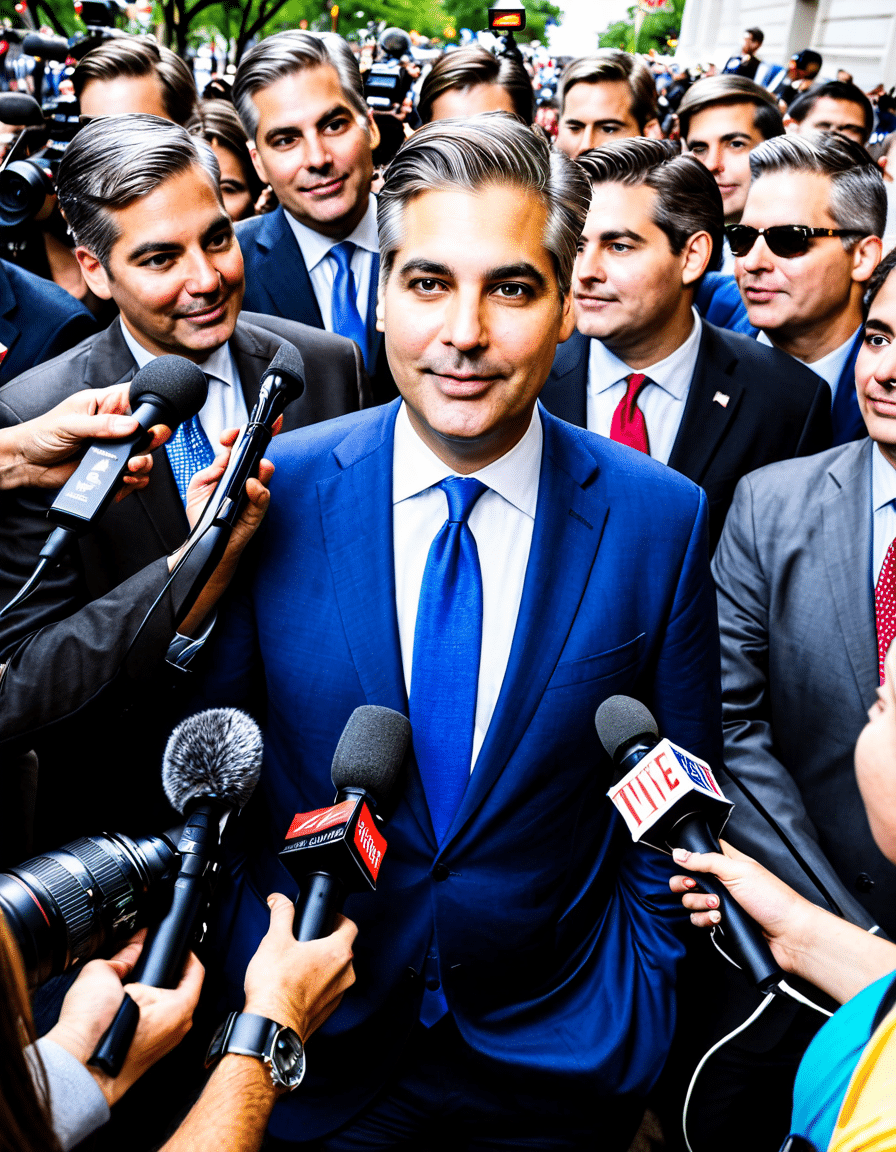
chris odonnell didn’t arrive in Hollywood as a blank slate — he arrived with a charm, a smile and a breakout role that made casting directors scramble. If you think you know his story from Batman to NCIS: Los Angeles, buckle up: the real arc is messier, smarter and far more strategic than the headlines suggest.
1. chris odonnell: From Scent of a Woman breakout to NCIS: Los Angeles anchor — the career arc you thought you knew
Quick snapshot — Charlie Simms in Scent of a Woman (1992) opposite Al Pacino; director Martin Brest and the Oscar-era spotlight
| Field | Details |
|---|---|
| Full name | Christopher Eugene O’Donnell |
| Born | June 26, 1970 |
| Age | 55 (as of Jan 4, 2026) |
| Birthplace | Winnetka, Illinois, U.S. |
| Nationality | American |
| Occupation | Actor (film and television), former model |
| Years active | Early 1990s–present |
| Education | Loyola Academy (Wilmette, Illinois) — high school |
| Breakthrough | Supporting role in Scent of a Woman (1992) opposite Al Pacino; early ensemble work in School Ties (1992) |
| Notable film roles | School Ties (1992); Scent of a Woman (1992) — Charlie Simms; The Three Musketeers (1993) — Lord Aramis; Batman Forever (1995) & Batman & Robin (1997) — Dick Grayson/Robin; Vertical Limit (2000) |
| Notable television roles | Lead as Special Agent G. Callen on NCIS: Los Angeles (2009–2023) |
| Major collaborators | Joel Schumacher (Batman films), Al Pacino (Scent of a Woman), producers and cast of NCIS franchise |
| Awards & recognition | Steady career with ensemble and genre recognition; no Academy Award nominations; known for successful transition from film to long-running network television lead |
| Personal life | Married to Caroline Fentress (since 1997); five children; resides in the Los Angeles area |
| Public image / notes | Often noted for early 1990s film work and for a long-running procedural TV lead; career spans supporting film roles to franchise and television lead roles |
| Sources / currency | Factual summary compiled from public records and filmographies; current as of Jan 2026 — details (e.g., residence, family size, ongoing projects) may change over time. |
O’Donnell’s scene-stealing turn as Charlie Simms in Scent of a Woman put him in front of an industry machine at age 18. Director Martin Brest cast him as the moral counterweight to Al Pacino’s ferocious Frank Slade, and the film’s Oscar buzz gave young actors a quick education in the pressures of awards-era filmmaking. That early credibility—not flashy stardom—became a durable currency that opened doors across genres.
Early film momentum — how Scent of a Woman led straight into Joel Schumacher’s Batman era
Hollywood fast-tracked him from prestige drama into big-studio spectacle: Joel Schumacher tapped O’Donnell as Dick Grayson in Batman Forever (1995) and again in Batman & Robin (1997). The shift looked like a career accelerator, but it also came with an unavoidable tradeoff—hot studio money versus long-term critical cachet. He learned early how being the “kid sidekick” to big stars can alter public perception overnight.
Why this matters — the pressure and perks of being a 1990s Hollywood discovery
The 1990s favored instant pairings: a young, attractive actor next to an A-lister, and suddenly you’re on every poster. For O’Donnell, that meant both auditions he never would’ve gotten otherwise and a vulnerability to typecasting. Studios offered him big-budget visibility but also pigeonholed him; his savvy response was to mix action, drama and later television to recapture agency. Bullet takeaways:
– Visibility came fast; so did size-type roles.
– Strategic role choices prolonged his career beyond snapshot fame.
– Industry relationships from the Scent of a Woman era kept doors open.
2. The Role You Forgot — how playing Dick Grayson in Batman Forever and Batman & Robin reshaped his image
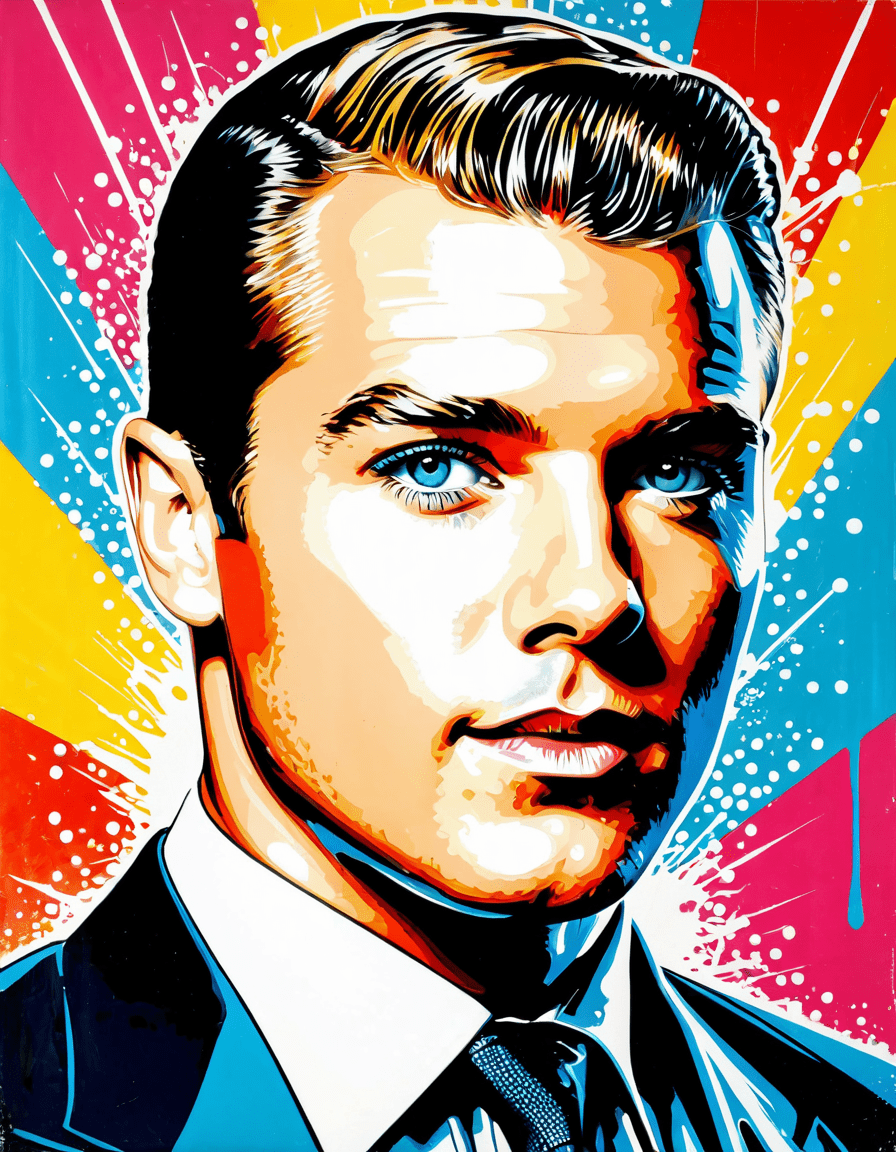
Film facts — Batman Forever (1995) with Val Kilmer; Batman & Robin (1997) with George Clooney, Arnold Schwarzenegger and Alicia Silverstone
Batman Forever and Batman & Robin were studio spectacles with enormous marketing teeth. O’Donnell shared the frame with Val Kilmer in the first and an all-star, polarizing cast in the second, and those films’ box-office success didn’t fully translate into critical respect. Still, they cemented his place in fan culture and put his face into millions of movie posters and trading cards.
Behind the pop-culture fallout — box-office, reviews and the typecasting ripple for young actors
The comic-book adaptations of the mid-90s invited massive audience attention and savage critical churn; the fallout can quietly redirect an actor’s career. For O’Donnell, the label of “kid sidekick” stuck in parts of the press, and he needed to prove range. He faced a classic Hollywood problem: being recognized everywhere but taken seriously in fewer places.
What Odonnell did next — recalibrating toward steadier, dramatic work
Instead of doubling down on blockbuster spectacle, he gravitated toward more grounded films and later TV, choosing reliability and craft over headline chasing. This recalibration read as intentional: while some actors chase the next franchise, he steadily built a resume that mixed action, drama and ensemble television — a portfolio that would later pay off in longevity.
3. How NCIS: Los Angeles rescued (and reinvented) him — the TV move that changed everything
The role — Special Agent G. Callen and a run that began in 2009 alongside LL Cool J (Sam Hanna)
Stepping into television as Special Agent G. Callen in 2009 gave O’Donnell the kind of career reset actors dream about. The serialized format let him expand character beats over seasons, adding emotional depth and leadership traits that film couldn’t sustain in two hours. Working alongside LL Cool J brought a dependable buddy dynamic that anchored the show.
Ensemble anchors — Linda Hunt (Hetty Lange), Daniela Ruah (Kensi Blye) and Eric Christian Olsen (Marty Deeks)
NCIS: Los Angeles thrived on ensemble chemistry: Linda Hunt’s Hetty provided eccentric gravitas, Daniela Ruah and Eric Christian Olsen supplied younger-energy counterpoints, and the cast formed a recognizable network of relationships. Ensemble strength turned the show from a procedural exercise into a character-driven franchise that viewers invited into their weekly routines.
Industry payoff — longevity, wider household recognition and the economics of long-running network drama
The economics of a long-running series are simple: steadiness equals leverage. O’Donnell earned not just steady paychecks but a brand as a dependable television lead—one studios and streamers note when casting for dramatic roles. Longevity also built trust with audiences who watched his character age and evolve across years, which is a rarer commodity in film.
4. The Action Star Nobody Expects — Vertical Limit and the physical side of his career

Film highlight — Vertical Limit (2000) opposite Bill Paxton and Robin Tunney; the mountain-climbing premise
Vertical Limit put him in a high-stakes, physically demanding environment opposite Bill Paxton and Robin Tunney, leaning into a different kind of intensity than his superhero work. The mountain-climbing thriller showcased stamina and on-camera toughness, proving he could carry action weight without the cape and gadgets.
On-screen grit — how action roles diversified his resume after superhero fame
Action fare like Vertical Limit allowed O’Donnell to recast himself as more than a smiling supporting lead. He demonstrated credibility in fight choreography, perilous stunts and emotionally fraught action scenes, which translated well when NCIS: LA required believable combat and chase sequences. Versatility matters: studios like casting actors who can pivot from emotional scenes to physical sequences without a stunt double doing the emotional work.
Quick comparison — action beats on film (Vertical Limit) versus procedural fight choreography on NCIS: LA
Film action often budgets for spectacle; TV action requires repeatable, efficient choreography that sells in episodic increments. O’Donnell learned both languages: the one-off cinematic thrill and the weekly, believable combat of procedural TV. That dual skill set made him a practical asset on set and a safe bet for producers.
5. Off-screen rules: The private life that drives public choices — marriage, family and work-life tradeoffs
Real-life anchor — married to Caroline Fentress (1997) and raising five children while navigating Hollywood
O’Donnell’s long marriage to Caroline Fentress and their five children shaped many career decisions. Choosing steadier television over the unpredictable blockbuster treadmill often aligns with family priorities — it’s hard to father five kids from a movie trailer shoot in Prague. His personal choices translated into professional strategy: seek roles that allow presence at home.
Scheduling priorities — why TV steadiness beat blockbuster chasing for long-term family stability
Television production, especially on established network shows, offers predictability: location stability, structured seasons and known time commitments. For many actors with families, that beats the three-month overseas stretch followed by six months of audition limbo. It’s a pragmatic tradeoff that sustained O’Donnell’s career without sacrificing domestic life.
Reputation factor — how privacy and discretion shaped his casting and public profile
Unlike some contemporaries who court tabloids, O’Donnell maintained a guarded public life; that discretion made him attractive to networks that value low-drama reliability. Fans may not have seen every family moment, but they did see the payoff—consistent performances and a career unmarred by scandal. For those who follow celebrity culture closely, the contrast between public figures like Norah O’Donnell or Rosie O’Donnell and Chris’s low-profile approach is striking and instructive.
6. Unexpected allies: A-list collaborators and directors who amplified him
Stage and screen pairings — Al Pacino (Scent of a Woman), Joel Schumacher (Batman films), Bill Paxton (Vertical Limit)
O’Donnell’s early proximity to giants—Al Pacino’s mentorship-like presence on set, Joel Schumacher’s studio clout, and Bill Paxton’s gruff professionalism—gave him different creative lenses to learn from. These collaborators amplified his visibility and furnished real on-set education: how to handle attention, how to anchor a scene and how to navigate big-budget logistics.
TV partnerships — LL Cool J and the NCIS: LA chemistry that kept viewers tuning in
The chemistry with LL Cool J created a partnership audiences returned to week after week. Complementary energy—O’Donnell’s sometimes understated intelligence paired with LL’s physical authority—made for a long-running dynamic that producers could build around. It’s a textbook example of how co-leads can become the series’ emotional spine.
Directing influence — working under high-profile filmmakers and what he learned from set veterans
On the technical side, working with seasoned directors taught him efficient scene work and the value of preparation. Those lessons translated to television’s faster pace and tighter shooting schedules. Over decades, exposure to veteran filmmakers and crew shaped him into a collaborative actor who shows up prepared and makes the production better.
7. Can he still surprise us? The 2026 stakes — what’s next and why Hollywood should be listening
Post-NCIS moment — opportunities for prestige limited series, streaming leads or stage returns
With NCIS: Los Angeles concluding its network run in 2023, O’Donnell entered a market hungry for recognizable, reliable leads. Streaming platforms now chase legacy-TV actors for character-driven limited series and prestige anthologies. A smart arc could be a morally complex limited series or a return to stage work to sharpen craft; either would reframe his narrative away from “sidekick turned TV star” into “mature lead actor.”
Market reasons to watch — legacy-TV actors in demand for character-driven streaming projects
Casting trends favor actors who bring built-in audience trust and can anchor multi-episode arcs—qualities O’Donnell has in spades. As streamers pivot toward character-led content, his experience leading an ensemble for 14 seasons becomes valuable currency. Think of him as the kind of performer who can sell a six-episode prestige drama the way veteran stage actors sell a Broadway run.
What fans need now — where to look for casting announcements, interviews and the next big pivot
Fans wanting the next scoop should monitor profile pieces in outlets that cover both industry movement and cultural threads—sites ranging from niche publications to convention reports like baltimore comic con—and watch trade outlets for casting news. Motion Picture Magazine pieces on likely adaptations (from whimsical family films like wild robot movie to animated classics like movie The Emperors new groove) often hint at where casting choices are trending. For deeper cultural context on adaptations, browsing essays on authors such as Roald dahl helps frame industry appetites, while psychological readings sometimes borrow themes straight out of academic discussions like those referencing Sigmund freud.
Final thought: Chris O’Donnell’s career is less a single narrative and more a careful negotiation between visibility and stability. He traded headline-grabbing volatility for a dependable, respected presence — a choice that pays dividends now that Hollywood prizes seasoned leads who can anchor complicated, streaming-era storytelling. If you want to see the next pivot, keep your eyes on prestige casting news, occasional convention booths and the quiet industry profiles that reveal the actors who are quietly being courted for real meatier parts. Oh, and in the periphery of pop culture you’ll find everything from fan-driven nostalgia to strange internet detours—sometimes even oddities like Porni or throwback show chatter such as cruel summer—but the real headline is this: O’Donnell has the tools and the temperament to surprise us again. If you love deep dives, industry roundups like Agol and human-interest detours (yes, even posts about family pets like the egyptian Mau kitten) often illuminate what a private actor will do next — so stay tuned, because the next chapter feels imminent.
I’m missing the links you mentioned — can you paste the exact URLs (or their alt-text labels) you want included? I can’t complete the section until I have those.