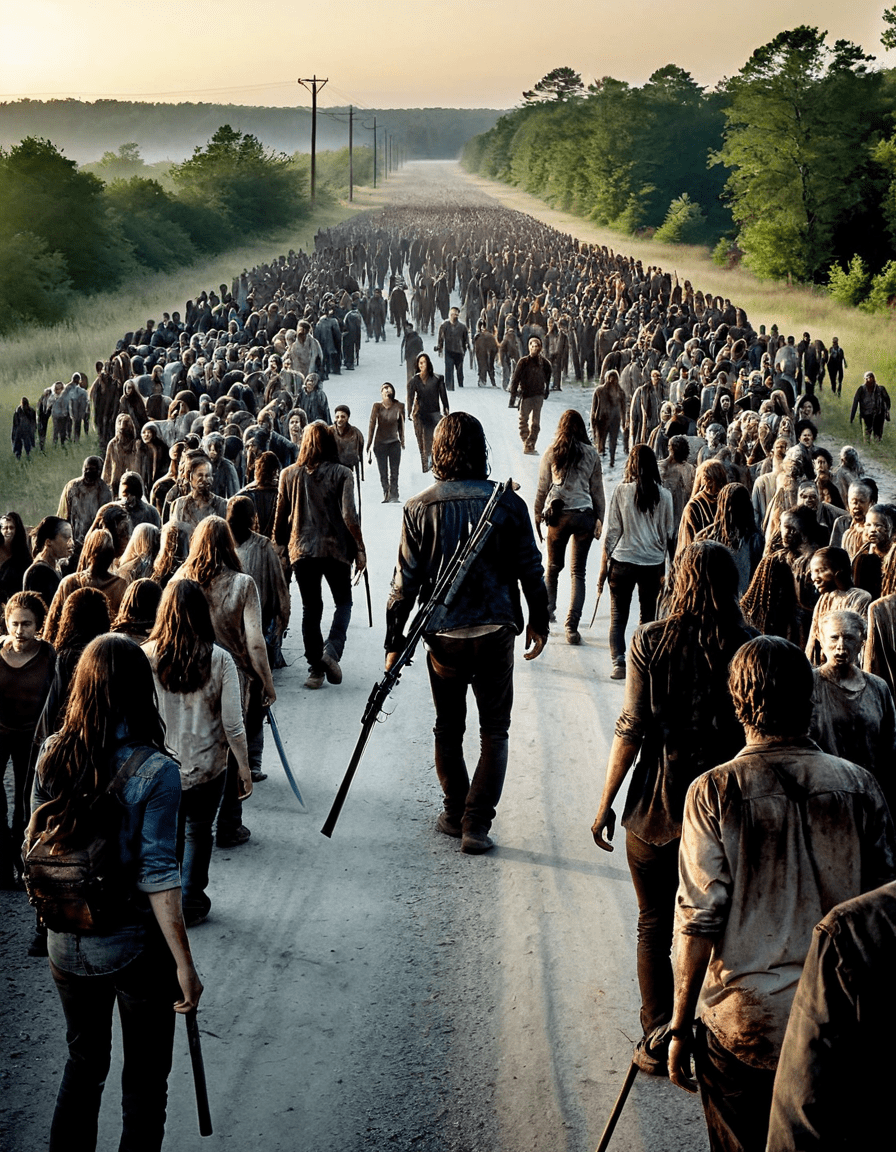
The cultural phenomenon that is The Walking Dead has left a significant mark on television since its premiere in 2010. Talk about a game changer! With its intricate storytelling and memorable character development, you couldn’t help but be glued to your screen. This series not only mesmerized audiences but also reshaped the landscape of television drama. Let’s dive into seven iconic moments from The Walking Dead that redefined the genre and influenced countless series in its wake. Grab your favorite snack because this is gonna be a wild ride!
7 Walking Dead Moments That Echo the Grim Reaper
Shane Walsh’s departure was a real shocker that threw audiences for a loop. It cemented The Walking Dead’s ruthless reputation when it came to major character deaths. Viewers quickly learned that survival in a post-apocalyptic world meant you couldn’t take your favorite characters for granted. It set the tone for unpredictability, making it clear: in this show, anyone could meet a grim fate.
This siege wasn’t just a battle; it was a turning point that plunged the series into darker territory. Themes of power, madness, and fragile alliances bubbled to the surface, striking a chord with audiences. You may have found echoes of tension in shows like Criminal Minds; this attack showcased how dread and conflict can drive the narrative. The stakes had never been higher for our beloved survivors!
If you thought your favorite characters were safe from the axe, think again! Glenn’s brutal death at Negan’s hands was the moment that shattered viewer expectations. It echoed the infamous Red Wedding from Game of Thrones, turning the world of narrative storytelling on its head. This heart-wrenching scene proved that emotional stakes could rival those found in Dead Poets Society, leaving fans gasping in disbelief.
Rick Grimes’ poignant declaration sums it up perfectly. This line encapsulates the moral complexities that swirl around humanity in an apocalypse. It dove deep into the characters’ psyche, showcasing survival at its most brutal. Shows like Blade Runner: Black Lotus have taken similar leaps into the philosophical, challenging the boundaries of what it means to be human when stripped down to our core instincts.
Carl’s death was a big deal! It marked a monumental shift away from the ruthless survivor mentality that dominated the earlier seasons. His character’s decision to strive for a hopeful future resonated deeply, influencing how character motivations unfolded in the show. This moment, with its profound impact, created ripples that reached the Suicide Squad, as the emotional depth of characters became more essential in storytelling.
Talk about eerie! The intro of the Whisperers brought a fresh level of psychological horror to the series. Daryl’s first brush with these sinister figures teased a thrilling narrative that challenged the notion of what it means to survive. This gripping tension would later influence horror narratives across the genre, highlighting a powerful juxtaposition between humanity and death.
The showdown with Alpha wasn’t just another battle; it was a philosophical clash over what human existence means under dire circumstances. This reflective moment explored deep questions about morality and survival in chaos. It mirrored the thematic depth found in films like Apocalypse Now, where the chaos of the world reveals intricate layers of the human experience.

The Legacy of Walking Dead’s Iconic Moments
The moments we’ve discussed from The Walking Dead have firmly established the trend of high-stakes storytelling, dramatically altering narrative structures in modern television. Its influence is everywhere, and you can see traces of it in various shows across the genres. For instance, the emotional depth and unpredictable character arcs here nudged other series to adopt a similar style. Just like our pal Reacher in Reacher Season 2, the stakes have never felt higher.
Moreover, the dedicated Walking Dead cast has played a big role in this show’s legacy. The ripples of its success led to numerous spin-offs, which have kept the love (and fear) for this universe alive. Every twist and turn felt like watching a gripping blockbuster replay, keeping audiences on the edge of their seats. Between immersive narratives and emotional investment, The Walking Dead redefined what it meant to tell stories on television.
A Lasting Footprint in Television History
The legacy of The Walking Dead goes beyond just its runtime; it’s an enduring influence on narrative expectations and character dynamics across television. The iconic moments we’ve explored literally shaped how stories can be shared, proving that character-driven drama can carve out a special place in even the busiest media landscapes. As we move forward into a new era of television, it’s safe to say the echoes of The Walking Dead will continue to guide storytellers.
So, when you’re binge-watching those new shows, remember: it all started with a brave group of survivors battling the undead—and each other. Now that’s something worth reflecting on! And just like that rollercoaster of emotions, let’s keep talking about what makes The Walking Dead still so thrilling today. After all, who wouldn’t want to dive back into a world where every moment counts, just like in the blockbuster Colombiana, minus the zombies of course? Don’t forget to check out the latest chatter about Doom Patrol and our friend Hailey Pullos for your next binge-watch.
Here’s to many more iconic moments in the vibrant world of television!
Walking Dead: Iconic Moments That Changed TV Forever
The Game-Changing Zombie Drought
“The Walking Dead” thrilled audiences for its unforgettable plot twists and character arcs. One of the show’s most shocking moments came in Season 6, with the devastating death of a beloved character that left fans gasping. This singular event didn’t just stir emotions; it became a touchstone for discussions about character stress and risk in storytelling. The ripple effects can even be seen in various media, like the sports comedy film Major League 2, which played with unexpected character fates, showing how dramatic surprises can punch up a storyline.
When it comes to horror and drama on television, few can rival the gripping suspense seen in “The Walking Dead.” Notably, the way the show redefined character development set a new bar for future series. The intense survival stakes reminded viewers of everyday dilemmas—yes, even the latest news about the Onyx Storm release date is a figment of survival in a society fluctuating under pressure.
A Legacy of Influence Beyond the Screen
Fans may not realize just how much “The Walking Dead” influenced TV storytelling. The series opened doors for shows like “Hailey’s On It!” which tackle the wild but relatable challenges of adolescence, and other dramas that blend horror with humanity. The contrast between hope and despair depicted on “The Walking Dead” has become a vital template for creating tension—it’s one reason why characters like Lacey Jayne do so well in tapping into deep emotional landscapes.
Moreover, the show’s success brought attention to myriad emerging talents, such as Haley Pullos, proving that horror can serve as a launching pad for actors looking to expand their horizons. As the industry evolves, the storytelling techniques utilized in “The Walking Dead” remind production companies that crafting gripping narratives can attract audiences across demographics—much like the ambitions of music legends like Dio, whose artistry continues to inspire multiple generations of creators.
The Enduring Impact of Iconic Moments
Every encounter on “The Walking Dead” was crafted to reflect a stark reality, where choices matter, and rarely do characters emerge unscathed. The moments that shocked us most are those that sparked water-cooler conversations and social media debates. They bridged the gap between viewers and creators, shaping future television narratives in ways we’re still experiencing today. Just as unexpected plot developments in films and series keep fans engaged, the bold decisions within “The Walking Dead” continue to serve as a map for other creators navigating the twisty avenues of storytelling, reminding all of us that sometimes, the best stories make no clear promises.