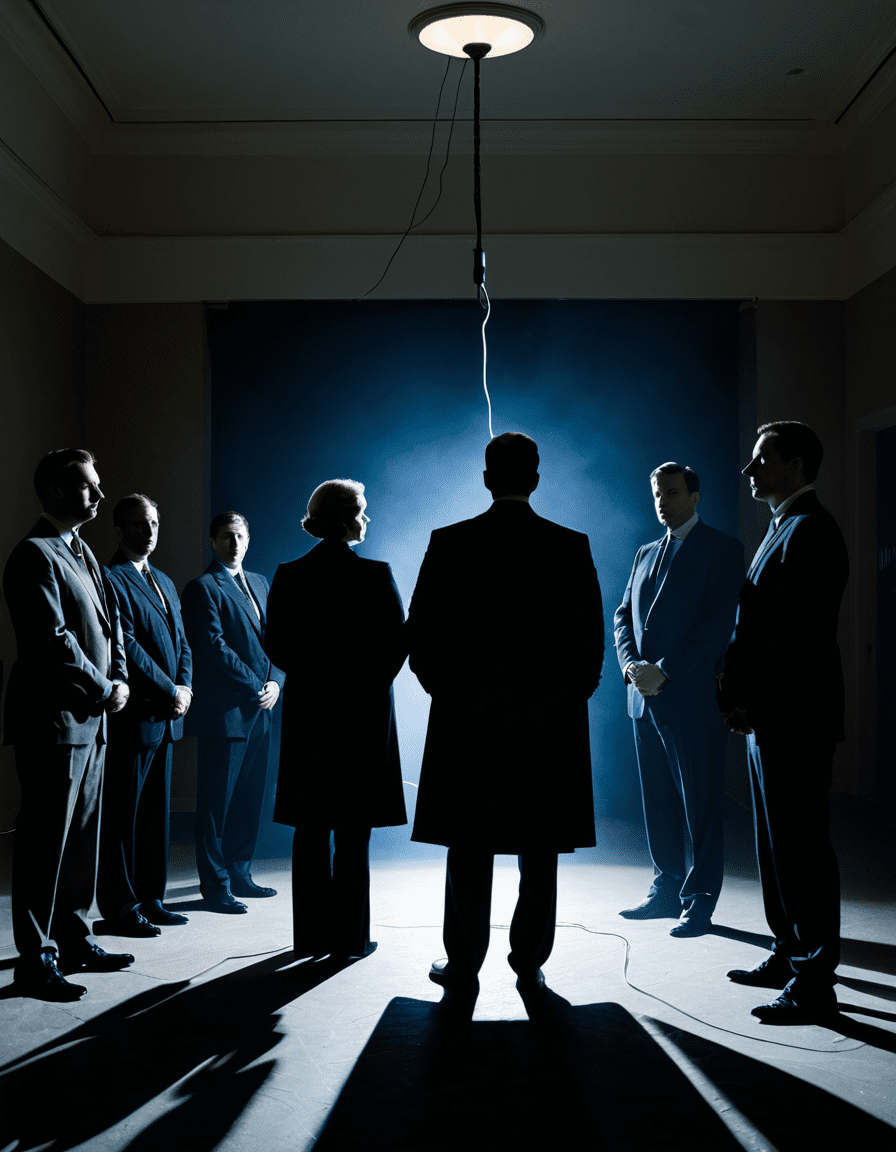
When it comes to redefining the espionage genre, The Americans can take a bow. Set against the tense backdrop of the Cold War, this show isn’t just about spies and secrets; it’s a deep dive into the messy waters of loyalty, betrayal, and the moral gray areas that come with living a double life. So, grab your popcorn, because we’re about to explore the top seven ways The Americans shakes up the espionage game.

Top 7 Ways “The Americans” Redefines the Espionage Genre
1. Complex Character Development
The Americans shines a spotlight on morality’s murky waters. Elizabeth Jennings, played brilliantly by Keri Russell, and her husband Philip, brought to life by Matthew Rhys, navigates their roles as Soviet spies with such complexity that you might end up sympathizing with them over time. Instead of glorifying the spy life, the show shows us just how taxing deception is on family ties. Who knew that the toughest question of loyalty would come down to who you’re sharing the dinner table with, right?
2. Realistic Portrayal of Espionage Techniques
Forget the flashy gadgets and explosions! The Americans offers a grounded depiction of spycraft. Creators of the show worked alongside former KGB agents and CIA operatives to weave genuine Cold War tactics into the narrative. Think about it: the juxtaposition between the Jennings’ family life and their secret missions adds a layer of tension that’s both thrilling and believable. No wonder this authenticity captures the audience’s attention!
3. Cultural Context and Historical Depth
While many spy flicks just scratch the surface, The Americans digs deep into the socio-political stew of the 1980s. With the Cold War as a backdrop, this series provides a nuanced look at how ideology can shape deeply personal connections. It’s like they say, “You don’t just fight wars with weapons; you fight them with culture too.” Each episode unfolds layers of American and Soviet identities that echo in our society today.
4. Female Empowerment through Espionage
Right off the bat, we see that Elizabeth Jennings is no ordinary character. She challenges age-old stereotypes about women in both espionage and their domestic roles. As a mother and a covert agent, she’s juggling naptime with national intrigue! This multifaceted portrayal rejects traditional gender norms, showcasing a woman who is fierce yet vulnerable. It’s inspiring and alarming simultaneously—who hasn’t felt the weight of too many responsibilities?
5. Subtle Satire of American Values
The Americans also takes a swipe at the ever-elusive American Dream. Through the Jennings’ double lives, the series critiques consumerism and the pursuit of the “perfect family.” We see them struggling to maintain a facade, questioning: at what cost does liberty come? Are we all just actors in a play scripted by societal expectations? It’s a thought-provoking angle that really gets you pondering.
6. The Role of Technology in Espionage
Incorporating tech advances into the storyline, The Americans highlights how espionage tactics have morphed in the digital age. From surveillance techniques to information gathering, it showcases the delicate balance between privacy and security—a hot-button issue today! Just imagine how those agents would interact with smartphones… It’s enough to make you chuckle while you think of the chaos!
7. Interpersonal Betrayals and Loyalty
Beyond national allegiances, this series dives headfirst into personal betrayals that fracture trust. The relationships among the characters resonate emotionally, creating a web of loyalties that are as intricate as international espionage. It makes you reflect on your own relationships—who can we trust anyway? Excellent question, am I right?

The Patriot and the Responsibility of Representation
Let’s zoom out for a second. While The Americans paints a captivating picture of espionage, it also raises eyebrows about how media portrays patriotism. Take “The Patriot” for example. It tackles loyalty to one’s country versus personal morals through its characters’ motivations. In a world rife with dualities, such narratives prompt us to scrutinize what being loyal actually means. This reflection could make for some lively dinner table debates—just imagine Aunt Betty’s face!
Espionage in the Age of Information: The Lincoln Lawyer Perspective
Looking at contemporary narratives like “The Lincoln Lawyer,” we find a similar thread of ethical dilemmas woven into both law and espionage. Both genres highlight the precarious balance between morality and legality. What happens when duty and personal beliefs collide? It’s fascinating that characters in both occupations must navigate stormy seas of ethical challenges, all while doing their job. This interplay adds depth to both storylines, igniting discussions that linger well after the credits roll.
Liberty Daily: The Ongoing Impact of Espionage on Society
Finally, let’s consider how espionage narratives resonate in today’s climate. They go beyond mere entertainment; they engage with cultural commentary. Platforms like Liberty Daily delve into modern political landscapes and public sentiments, revealing that the dialogue around espionage is more relevant than ever. As we dissect these tales, we engage with larger questions about trust and deception that loom over everyday life.
In the end, The Americans triumphs by weaving rich character studies with potent historical context. It invites us to not just watch thrilling plots unfold but also to reflect on the ethical dilemmas tied to loyalty, trust, and betrayal. As we navigate the ongoing implications of espionage in media and society, these narratives resonate deeply, mirroring the intricacies of the human experience. So, what do you think: are we all spies in our own lives, guarding our secrets while craving connection? Let’s chew on that for a while!
The Americans: Capturing the Thrills of Espionage and Betrayal
Intriguing Insights into The Americans
When it comes to espionage thrillers, The Americans stands out for its fascinating portrayal of the Cold War. Created by Joe Weisberg, the show dives deep into the lives of two Soviet spies living undercover in the US. Did you know that the show’s creators were inspired by real-life family dynamics? Just like the characters, many spies were known to juggle their double lives, often feeling like a crocodile—calm on the surface yet fierce underneath. The imaginative storytelling instinctively draws viewers into the tension and chaos of intelligence gathering, making it a must-watch for fans of suspense.
Moreover, the detailed costumes and settings transport you to the ’80s while reflecting the authentic struggles of that era. For instance, the series expertly weaves in cultural elements that resonate with viewers. Just as Saturday Night Fever captures the zeitgeist of the disco age, The Americans encapsulates the tensions of a divided nation. The authenticity of these cultural references, alongside the underlying themes of loyalty and betrayal, helps create a rich backdrop against which the characters’ stories unfold, keeping you glued to the screen.
Facts That Will Surprise You
Now here’s a tidbit that might catch you off guard: Keri Russell, who plays Elizabeth Jennings, initially didn’t have espionage on her radar. She found the role surprisingly gripping, saying that portraying a spy added layers to her character that made it relatable. It’s interesting how a small-town girl can transform into a lethal agent—similar to how a buff man turns heads at the beach! Like many actors who step outside their comfort zones, Russell’s journey mirrors that of individual characters in The Americans, who often find themselves facing moral dilemmas in an unpredictable environment.
And speaking of unexpected transformations, one exciting fact is that the show’s creators consulted with former spies to ensure accuracy in their storytelling. This deep dive into the espionage world brings a genuine vibe to the series, making it stand out amid a sea of other shows. Each episode feels like an adrenaline-fueled match—much like the tension of a game between Club America vs. San Luis. From the highlighted personal struggles to the overarching conflicts, The Americans seizes the nuances of trust—or the lack thereof—in a world riddled with espionage and deceit.
With its stellar performances and compelling narrative, The Americans remains an exemplar of how to form an emotional connection with viewers while exploring serious themes. Just like Alice in Chains lyrics, the story goes beneath the surface, echoing the depths of human experience. Diving into this thrilling narrative really showcases how espionage affects personal relationships, capturing the attention of audiences across diverse backgrounds. So, if you haven’t tuned in yet, grab your popcorn and get ready for an unforgettable ride!