
The Texas Chainsaw Massacre Is a name that sends shivers down the spine of horror film aficionados. Its influence looms large in the horror genre, carving out a legacy that’s as gritty and horrifying as its infamous antagonist, Leatherface. The film, released in 1974, turned the world of horror upside down with its realistic vibe and underlying social commentary. So, let’s dive into the essential elements that have crafted this iconic film’s lasting impact!
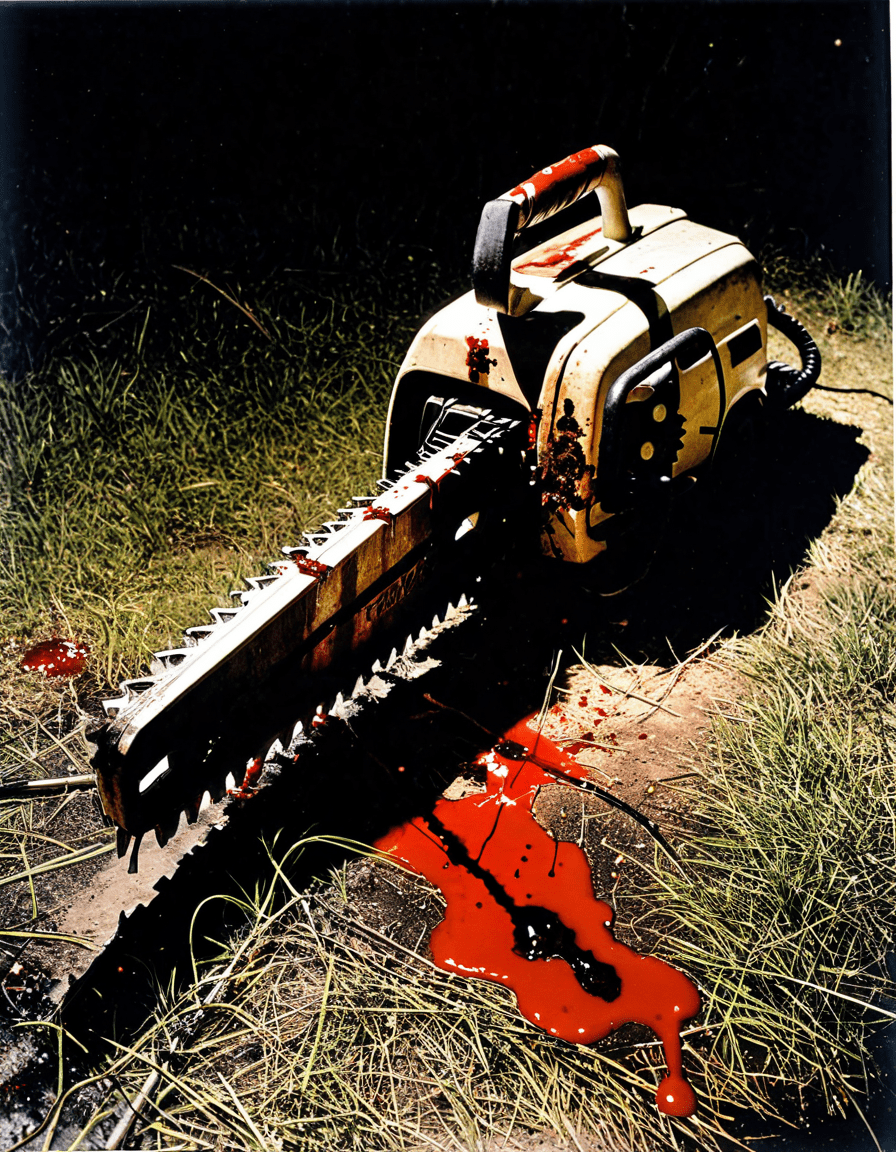
7 Essential Elements That Define the Texas Chainsaw Massacre’s Impact
1. The Real-life Inspiration
It’s bone-chilling to think that the Texas Chainsaw Massacre Draws inspiration from real events. The film partially pulls from the horrific crimes of Ed Gein, a figure notorious for his disturbing behavior. Gein’s gruesome acts-not just a single infamous story-shaped the character of Leatherface and have served as a chilling undercurrent in horror narratives. By giving audiences a glimpse into the darker side of human nature, the film holds a mirror to society’s innermost fears.
2. Leatherface: An Icon of Terror
When you think of the Texas Chainsaw Massacre, one figure comes to mind-Leatherface. With his terrifying chainsaw and skin mask, this character represents pure dread. Leatherface’s grotesque appearance has cemented him into the annals of horror, making appearances in merchandise, Halloween costumes, and various media adaptations. His imposing presence taps directly into fears we all share, like the unpredictability of strangers and the lurking dangers in everyday life.
3. The Grindhouse Aesthetic
Imagine shooting a film with a budget of around $140,000-sounds wild, right? But that’s what creator Tobe Hooper did, opting for a raw, documentary style. The shaky camera work and natural lighting create a bleak, unsettling vibe, enveloping viewers in a disturbing atmosphere. This choice not only heightens the fear factor but also sets a blueprint for future horror films, shaping the aesthetics of the genre for decades to come.
4. Social Commentary and Cultural Reflection
The genius of the Texas Chainsaw Massacre Lies in its ability to comment on the societal fears of 1970s America. During a time of upheaval, the film tackles themes like family dysfunction, consumerism, and the generational divide. It’s not just a horror flick; it’s a critique of contemporary culture that resonates with audiences even today. The horror serves as a backdrop for deeper discussions about what scares us as a community and why.
5. Innovative Use of Sound
Ever wonder why some horror films make you squirm even before you see the monster? The Texas Chainsaw Massacre Nails this with its masterful sound design. Those mechanical sounds of the chainsaw intermixed with unsettling scores create an atmosphere of dread that hooks viewers. This innovative approach to audio influenced countless filmmakers, setting the stage for how horror films utilize sound to amplify tension and fear.
6. The Enduring Franchise
From the one that started it all to the multiple sequels and remakes, the Texas Chainsaw Massacre Franchise has evolved while respecting its roots. Each iteration manages to introduce fresh elements while paying homage to the original. The franchise’s ability to resonate with fans across generations proves that the essence of horror is timeless. Whether you prefer the campy humor of sequels or the grimness of the original, there’s something here for everyone.
7. Influence on Filmmaking Techniques
Tobe Hooper’s raw storytelling and visual techniques have cast long shadows over the horror genre. Directors like Eli Roth and Rob Zombie frequently cite Hooper’s work as a significant influence on their films. The realism and grit of the Texas Chainsaw Massacre Pushed the boundaries of what horror could be, leading to a new breed of filmmakers keen on exploring the depths of human fear.

The Cinematic Journey: Analyzing Each Major Film in the Texas Chainsaw Massacre Series
The Original (1974)
The game-changer of horror films, the original Texas Chainsaw Massacre Introduced audiences to Leatherface and the unsettling idea that terror can sprout from familiar places-like your everyday farmhouse. It became a cult classic, not just for its horrific content but for how it rattled the traditional mold of slasher films.
The Texas Chainsaw Massacre 2 (1986)
Fast forward to 1986, where the sequel takes a different approach. Texas Chainsaw Massacre 2 Throws dark humor into the mix while exploring the absurdity of the Sawyer family. The film doesn’t shy away from the horror, yet it adds a layer of wit that sets it apart, revealing the odd juxtaposition between violence and comedy.
Leatherface: The Texas Chainsaw Massacre III (1990)
When it comes to Leatherface: The Texas Chainsaw Massacre III, opinions are all over the board. Struggling to find its identity, this sequel attempts to blend the grim reality of the original with humor, leading to mixed reviews. It remains a divisive entry among fans who love the franchise but wanted either back-to-basics horror or an exaggerated camp.
Texas Chainsaw Massacre: The Next Generation (1994)
Featuring stars like Nicole Kidman and Matthew McConaughey, Texas Chainsaw Massacre: The Next Generation Is known for its offbeat storytelling and bizarre character arcs. This film, while often overshadowed by its predecessors, has earned a cult status of its own. Many viewers chuckle at its sheer oddness, which makes it ripe for discussion.
The 2003 Remake
When the 2003 remake hit theaters, it breathed new life into the franchise. It successfully modernized the story while keeping the core horror elements intact. With stronger production values and a polished style, this version appealed to a new generation, paving the way for additional sequels that continued to captivate the audience.
Leatherface (2017)
In an attempt to humanize the infamous Leatherface, the 2017 prequel dives into the character’s origin story. While some fans appreciate the exploration of evil roots, others debate the ethics behind examining backstories of horror villains. After all, are we better off knowing what makes them tick?
Texas Chainsaw Massacre (2022)
Finally, the 2022 edition of Texas Chainsaw Massacre Strives to reconnect with audiences while embracing modern horror trends. It evokes nostalgia while presenting fresh frights, ensuring both veterans and newcomers can engage with the franchise. Over time, it’s clear that Leatherface remains relevant and terrifying for fans of every generation.
Final Thoughts on the Texas Chainsaw Massacre’s Enduring Legacy
The Texas Chainsaw Massacre Isn’t just another horror flick; it’s a cultural phenomenon that has outlasted the decades. By consistently reinventing its narrative while sticking to the foundations of fear, it retains a unique place in our dark cinematic hearts. As we explore themes around isolation, family dynamics, and the unknown, it’s easy to see why this iconic film still sends chills down our spines. With a notable blend of storytelling and sociocultural critique, Leatherface and the horrors of the Texas Chainsaw Massacre Are likely to echo through film history long into the future.
Texas Chainsaw Massacre: Fun Trivia and Interesting Facts
The Birth of a Horror Icon
When “Texas Chainsaw Massacre” hit screens in 1974, it was a game-changer for horror films. It’s hard to believe, but the production had a ridiculously tight budget of just $140,000! This low-budget gem went on to rake in over $30 million worldwide, becoming a groundbreaking sensation. Interestingly, the film’s chilling atmosphere was heavily inspired by the real-life crimes of Ed Gein, a notorious killer whose gruesome story would also influence films like Psycho. Just goes to show how truth can be stranger-and scarier-than fiction. Speaking of scare tactics, did you know that director Tobe Hooper intended to make the film reflect the social issues of the 1970s, drawing parallels between violence and society? In fact, some critics compared its themes to the activism of figures like Angela Davis, who was vocal about societal injustices during that era.
Cultural Impact and Evolution
The legacy of the “Texas Chainsaw Massacre” didn’t stop there. It paved the way for numerous sequels and reboots, keeping Leatherface alive in pop culture. The film was so iconic that it spawned several parody films and references in shows like Who Framed Roger rabbit, proving that horror can blend with humor. In a fun twist, the franchise even inspired video games, with one notable entry featuring characters reminiscent of Leatherface, tapping into the adrenaline-pumping thrill of escaping a chainsaw-wielding maniac. On a lighter note, if you’ve ever seen the game show phenomenon of Deal or No deal island, you might appreciate how games can unexpectedly take inspiration from horror themes to keep audiences on their toes.
A Legacy That Lingers
One of the most fascinating facts about the “Texas Chainsaw Massacre” is the sound design, which was meticulously crafted to evoke fear. The film’s soundtrack features unnerving sounds created using real items like chains and animal noises, putting viewers on edge with every squeal and rev of the chainsaw. This innovative approach to sound continues to influence filmmakers today, setting a standard for horror movies that aim to terrify their audiences. Also, the franchise reached out to younger audiences through various mediums, with tie-ins that even draw parallels to pop culture icons like Eazy-E, who’s known for his edgy lyrics that might resonate with the film’s rebellious spirit. Meanwhile, the absolutely bizarre yet thrilling premise of the film gives it an allure akin to the bizarre tale of Swallow, another film that plays with dark themes and human psychology, drawing in the curious.
The “Texas Chainsaw Massacre” remains a touchstone in horror history, inspiring creators across genres, allowing its legacy to thrive in today’s entertainment ecosystem. Whether it’s through films, music, or adaptations in gaming, this horrific masterpiece continues to shape pop culture, firmly entrenching itself in our collective consciousness. As we anticipate future entries, like The Batman 2, one can’t help but wonder how this legendary film will further influence the horror genre.
This article was produced with AI assistance. How Motion Picture Magazine uses AI.
Motion Picture Magazine writes for Motion Picture Magazine - movies, celebrity gossip, entertainment news, style and best shows.