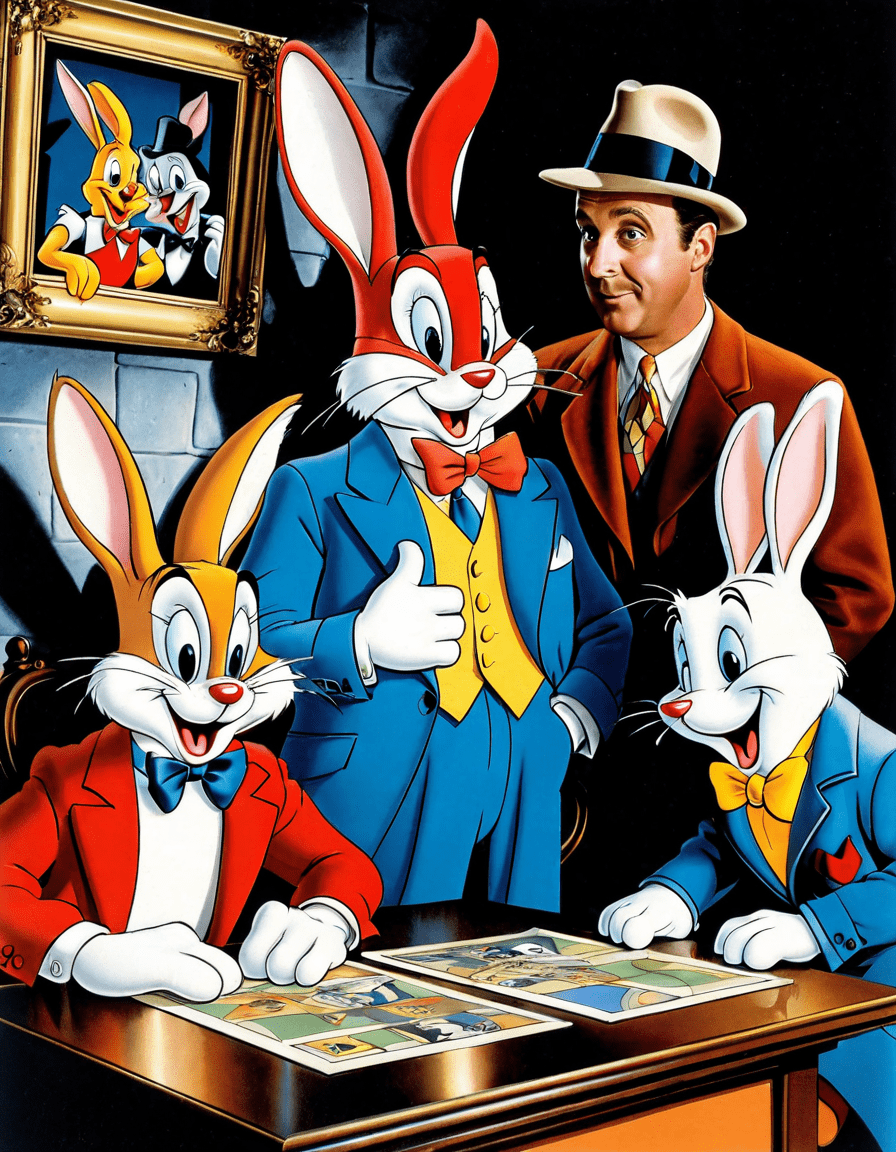
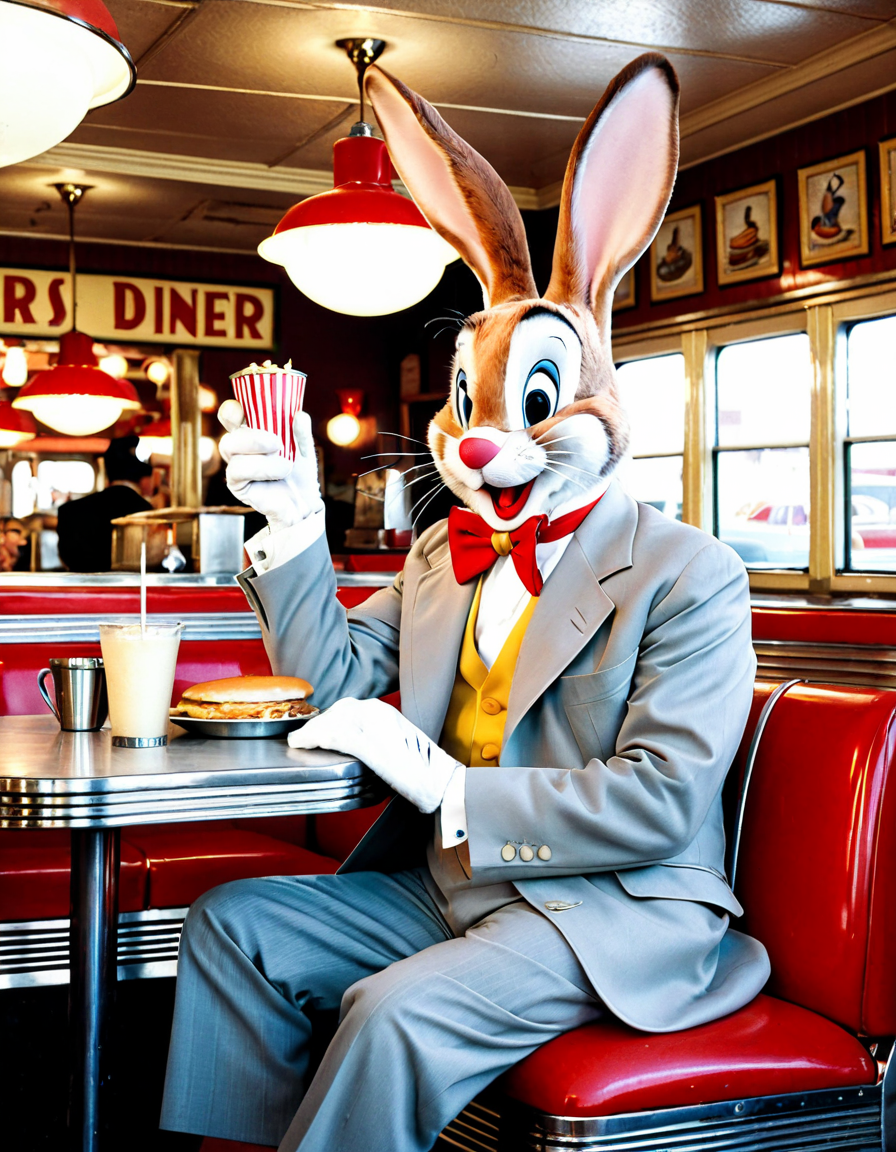
The year was 1988, and cinematic history was about to take a wild turn. Enter Who Framed Roger Rabbit, a film that not only blended live-action and animation but shattered every preconceived notion about what animated films could achieve. Who would have thought that a silly rabbit could become such a huge cultural phenomenon? The impact of Who Framed Roger Rabbit was immense and far-reaching, revitalizing the animation industry and breaking down barriers between different animation styles and studios.
The film not only kicked off the revival of animation in Hollywood but also sprinkled a bit of magic on filmgoers’ hearts. It was the kind of movie that could make you laugh, cry, and ponder complex social issues—all in an hour and a half! Today, it’s impossible not to notice its deep influence on animation, from character-driven plots to social commentary. So, grab your popcorn, because we’re diving into why Who Framed Roger Rabbit is not just a classic but a true game changer!
1. The Unforgettable Impact of Who Framed Roger Rabbit
Let’s face it: before this film, animation often felt like child’s play. Sure, there were classics like Snow White and Bambi, but they didn’t exactly stir the pot in terms of narrative complexity. Who Framed Roger Rabbit flipped the script by showing audiences that animated characters could be more than just clowns or sidekicks. The film made a strong statement about acceptance, pushing into territory that highlighted discrimination through the interactions between toons and humans. Remember the scene where Roger is chased because he’s falsely accused? It resonated with real-life issues of injustice, prompting audiences to think deeper.
Also, let’s not forget the behind-the-scenes magic. The film was a collaboration between Disney and Warner Bros., a bold move that no one believed would work. But guess what? Not only did it work; it became a groundbreaker for future crossovers! Think about it—how many times have we seen characters from different studios unite since then? It ushered in a new era where studios could play nice, paving the way for projects like Wreck-It Ralph and even video game adaptations. Yes, imagine Wreck-it Ralph hanging out with our favorite phone Games! How cool is that?
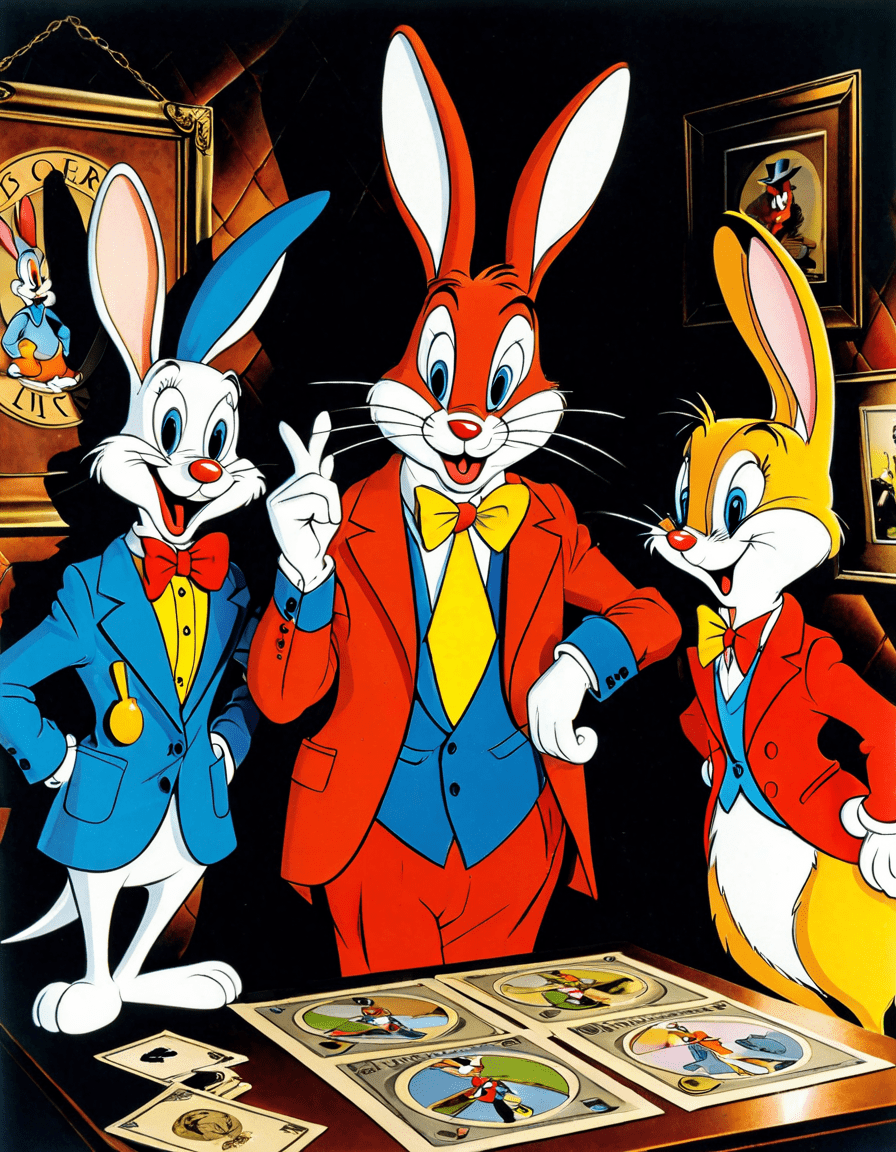
2. Top 5 Animation Techniques Introduced in Who Framed Roger Rabbit
This film didn’t just break the mold; it made a new one! Let’s look at some standout techniques that made Who Framed Roger Rabbit a pioneer in animation.
The seamless blending of live-action and animated characters left audiences in awe. Remember that iconic scene of Bob Hoskins reacting with disbelief as Roger hops around like a lunatic? The practical effects and advanced camera techniques created a sense of realism that was unheard of back then. Films like Space Jam and The Polar Express owe a huge debt to this masterpiece!
Prior to Who Framed Roger Rabbit, animated characters often danced around humor without much substance. But Roger Rabbit’s story tugged at the heartstrings. His emotional arc, dealing with love and suspicion, paved the way for animation powerhouses like Pixar to create characters oscar-worthy in emotional depth!
The visual style was mesmerizing, contrasting Roger’s bright colors against the film’s darker, noir elements. Audiences couldn’t tear their eyes away! This vibrant use of color set a new standard for visual storytelling, paving the way for films like The Incredibles, which embraced similarly complex palettes.
The mixing of Warner Bros. and Disney characters showed that competition could transform into collaboration. This laid a foundation for future crossover projects like The Lego Movie and even video games inspired by animated films, some popular titles making waves today. What’s more exciting than playing as your favorite character in an online game like Scribblio?
The sound quality elevated the animated experience. With voice actors like Charles Fleischer as Roger and Kathleen Turner bringing Jessica Rabbit to life, the level of performance changed the game. They made viewers feel the characters’ excitement, pain, and humor, setting a new bar for future animated features.
3. Who Framed Roger Rabbit and Cultural Commentary
Beyond its groundbreaking techniques, Who Framed Roger Rabbit is layered with cultural commentary. In this animated world, toons face prejudice and discrimination—an allegory that rings true in our society. The film cleverly uses these characters to represent marginalized groups, cleverly knitting a narrative that encourages audiences to reflect on their own biases. By exploring societal issues through a whimsical lens, it engages viewers in meaningful discussions about acceptance and identity.
Take Angela Daviss discussions about society, for example. The film’s social critique aligns with her thoughts on activism, making it not just entertainment but also food for thought. When we see how toons interact within the live-action world, we get a firsthand look at the absurdity of irrational prejudice, something everyone can relate to at some point in life.
The witty writing and rich character interactions add another layer of depth. Each character, from the lovable yet misunderstood Roger to the sultry Jessica, holds a mirror up to societal norms, making audiences laugh while they reflect. This combination of humor and insight resonates long after the credits roll, don’t you think?
4. The Legacy of Who Framed Roger Rabbit
Fast forward to today—Who Framed Roger Rabbit remains a towering figure in both the animation industry and popular culture. More than three decades later, it’s clear that the film set a template for what animated features could achieve. It showed that complex narratives could entertain both kids and adults alike, paving the way for shows like BoJack Horseman and Rick and Morty that intertwine humor with emotional weight.
The movie is a major player in establishing character-driven stories. These stories become rich tapestries woven with humor, action, and emotional stakes that audiences simply can’t resist. In fact, even modern works can’t avoid the influence of Roger Rabbit’s charm—be it in the film industry or beyond.
Thanks to its enduring legacy, we see animated films pushing boundaries. The storytelling evolved to include deeper narratives that reflect contemporary life. So here’s a fun idea: how about a Roger Rabbit sequel that dives into new social issues we face today? Who wouldn’t love to see what Roger’s up to in the age of social media?
5. The Future of Animation: Lessons from Who Framed Roger Rabbit
As we move into 2026, lessons from Who Framed Roger Rabbit remain crucial. Sure, the technology has advanced—CGI and virtual reality are changing the landscape every day. But the lesson is clear: innovation in storytelling matters just as much as fancy visuals. The film reminds animators and filmmakers alike that success lies in merging imagination with heartfelt narratives.
The core principles we’re left with—storytelling, character depth, and artistic collaboration—are more timeless than ever. As we stare into a future where AI-driven animation is on the rise, can we trust computers to maintain that emotional essence? It’s a tall order, but Roger’s journey gives us hope.
Let’s celebrate this milestone in animation history! After all, if Who Framed Roger Rabbit taught us anything, it’s that boundaries exist to be broken, and sometimes a cartoon rabbit just might teach us more than we ever thought possible. And who knows? Maybe one day we’ll find out Did John wick really die in a toony crossover! Until then, keep watching and appreciating those vibrant characters that continue to make our lives richer.
So, here’s to a future filled with boundary-breaking animation and heartwarming stories! Whether through film or interactive experiences like Deal or No deal island, the legacy of Who Framed Roger Rabbit is unlikely to fade anytime soon.
Who Framed Roger Rabbit: Breaking Animation Boundaries
The Groundbreaking Blend of Media
“Who Framed Roger Rabbit” was revolutionary when it hit theaters in 1988, blending live-action with animation like never before. This iconic film featured beloved characters from various studios, a daring move that resulted in thrilling crossovers fans had never seen before. Did you know the film’s director, Robert Zemeckis, envisioned its unique style as a way to push animation boundaries? The production utilized innovative techniques that paved the way for future films, making it as memorable as the chilling Texas Chainsaw massacre, which showed audiences the power of film in an entirely different light.
Behind the Characters
One particularly intriguing trivia nugget about “Who Framed Roger Rabbit” is the fact that every character’s movements were rotoscoped. This method involved tracing over live-action footage to create an intricate dance between Toon and human actors. For instance, the character of Roger Rabbit was voiced by Charles Fleischer, who used his own comedic timing and improvisation skills to bring the animated rabbit to life. Speaking of improvisation, did you know that Fleischer’s humor had a certain vibe that’s similar to that of musicians like Jack Johnson? It’s fascinating how the creative processes can overlap in subtle ways—whether in music or animation.
A Lasting Impact
The film didn’t just charm audiences; it also had a lasting effect on the animation industry. Its success showed studios the viability of creating hybrid films. Just like how “Arcane” has excited fans with its return, the continued interest in animated hybrids proves there’s always audience enthusiasm for new takes on classic formats. Plus, the influence of characters like Roger Rabbit can be seen in various modern productions, including games like Scribblio which lets users create their own animated worlds, bringing back that playful spirit from the film. Overall,Who Framed Roger Rabbit” ensured that animation could be taken seriously and appreciated, forever transforming how stories are told on screen.