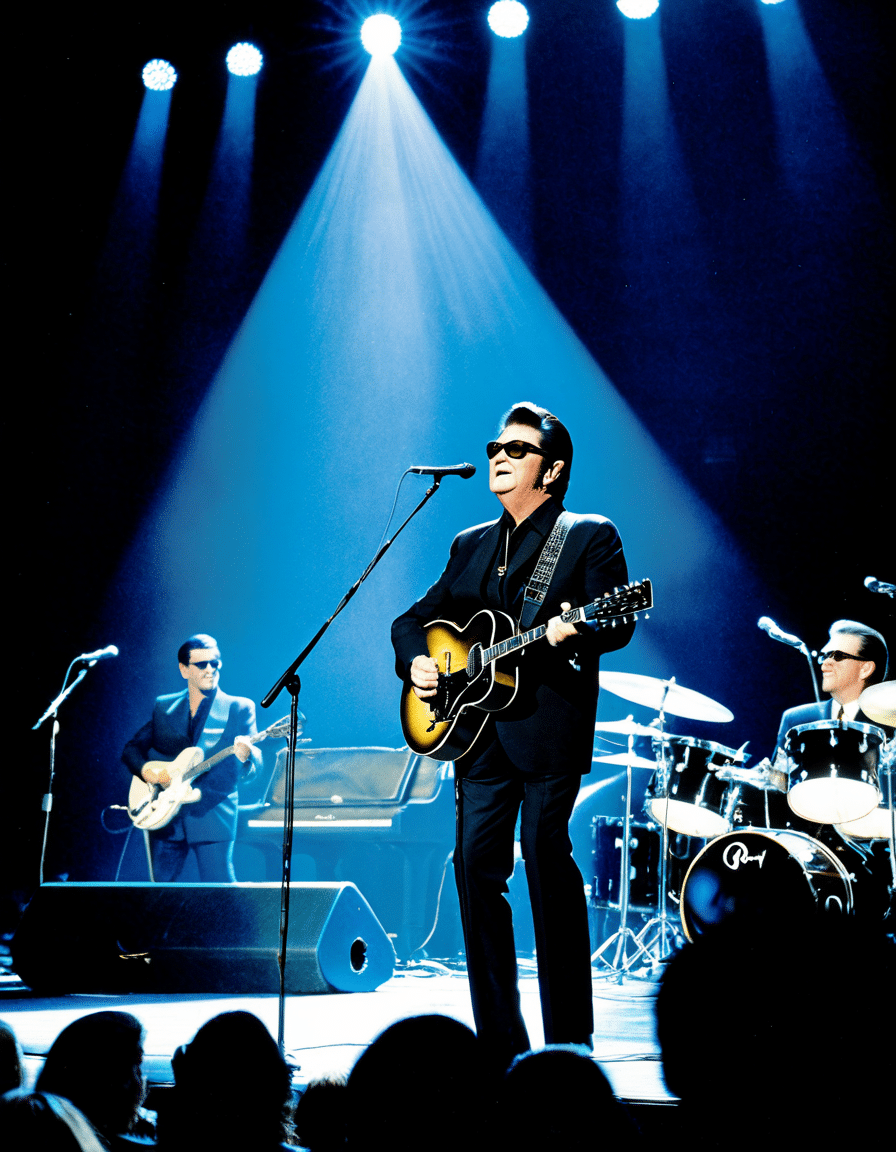
Shinedown has a knack for turning hard rock muscle into emotional rescue missions, and yes — that’s intentional. Read on for seven explosive secrets behind the songs, the studio craft, and the live rituals that make listeners feel less alone in the dark.
shinedown secret 1: How “Second Chance” Built a Bridge Back to Life
Snapshot: “Second Chance” (from The Sound of Madness) as a crossover, top‑10 mainstream hit that broadened Shinedown’s audience
| Topic | Details |
|---|---|
| Name | Shinedown |
| Origin | Jacksonville, Florida, U.S. |
| Years active | 2001–present |
| Current members | Brent Smith (lead vocals), Zach Myers (guitar, backing vocals), Eric Bass (bass, backing vocals, producer), Barry Kerch (drums) |
| Past notable members | Jasin Todd (guitar), Brad Stewart (bass) |
| Genre(s) | Hard rock, post-grunge, alternative metal, hard rock radio rock |
| Record label | Atlantic Records |
| Debut album | Leave a Whisper (2003) |
| Notable albums | The Sound of Madness (2008), Amaryllis (2012), Threat to Survival (2015), Attention Attention (2018), Planet Zero (2022) |
| Biggest / signature singles | “Second Chance” (crossover hit), “45”, “Sound of Madness”, “Simple Man” (cover), “Cut the Cord”, “Get Up” |
| Chart achievements | Numerous No.1 singles on Billboard’s Mainstream Rock Songs chart; recognized as the act with the most No.1s on that chart (record-holder as of 2023). “Second Chance” was a major mainstream crossover hit. |
| Sales & certifications | Reported worldwide sales exceeding 10 million records; multiple RIAA certifications for singles and albums (e.g., multi-platinum single “Second Chance”). |
| Awards & recognition | Multiple industry nominations and radio/music awards; frequent presence on year-end rock charts and major rock playlists. |
| Musical style & influences | Emphasis on dynamic, melody-driven hard rock with introspective lyrics; influences include classic hard rock, post-grunge and alternative rock traditions. |
| Live reputation | Known for high-energy touring, arena/headline shows and strong radio-driven setlists; extensive touring history worldwide. |
| Recent activity (as of 2022–2024) | Album Planet Zero (2022); continued touring and release of singles supporting the record. |
| Official website / streaming | Official site: shinedown.com — widely available on major streaming platforms and social media. |
“Second Chance” broke the band out of straight‑rock pigeonholes and into mainstream radio rotation, reaching the top 10 on Billboard’s Hot 100 and becoming a gateway for new fans. That crossover success widened the band’s platform so their tougher, more therapeutic songs could reach people who might not otherwise have found them. The result: a single that functioned like an access ramp — accessible melody with a heavy emotional elevator.
Lyric anatomy: why the refrain and resolution (“I’ve found a way…”) became an anthem for listeners facing change
Brent Smith’s refrain in “Second Chance” is simple, confessional, and decisive: it maps a move from regret to action. The lyric structure makes room for listeners to insert their own story — that’s why the line “I’ve found a way” doubles as both confession and commitment. Musically, the dynamic surge at the chorus mirrors the psychological lift of making a new choice.
Real-world moment: stadium sing‑alongs and radio playlists that turned a rock single into a personal lifeline
From morning radio to arena encore spots, “Second Chance” lives where people process stuff together. Those stadium sing‑alongs convert private grief into communal therapy: a thousand strangers harmonizing on a promise to change. It’s the same phenomenon you see when big songs become part of everyday ritual — like soundtrack moments in movies or serialized TV scenes that reframe trauma as transformation.
Why Brent Smith’s words read like a rescue manual

Voice and vulnerability: Brent Smith’s writing on Leave a Whisper → The Sound of Madness → Attention Attention
Across albums, Brent’s lyrics shift from raw confession to guided recovery; he doesn’t just name pain, he sketches the route out. On Leave a Whisper the wounds are fresh and exposed; by The Sound of Madness the language leans toward accountability; and on Attention Attention the focus is reconstruction. That arc creates a writer’s playbook: admit, accept, rebuild.
Example lines: recurring motifs of accountability and hope across “If You Only Knew,” “Second Chance,” and “Get Up”
Lines like “If you only knew how much I suffer” invert into refrains of empowerment elsewhere in the catalog, such as the directive energy of “Get Up.” Brent reuses motifs — responsibility, apology, grit — and places them in different tonal clothes so listeners can find whatever level of honesty they need. Key takeaway: repetition becomes comfort when the message is restorative.
Smith in interview: how Brent frames storytelling as an intervention (references to past press conversations and album notes)
In interviews Brent has described songwriting as “an intervention” rather than pure entertainment — a stance that shapes how the band writes and performs. He positions himself as both witness and guide, which explains the consistent call‑to‑action in many tracks. For deeper profiles and archived conversations with Motion Picture Magazine contributors, see Sara Calaway, who has documented those interview threads and the band’s evolving public voice.
How Eric Bass’s studio alchemy turns trauma into catharsis
Producer/bassist dual role: Eric Bass steering the sound on Attention Attention and Planet Zero
Eric Bass wears two hats: he anchors the bottom end as bassist and sculpts the record as producer. On Attention Attention and Planet Zero he guided the sonic narrative, balancing intimacy and cinematic sweep so a lyric could hit like a personal confession and still feel huge in an arena. That dual role lets the band translate private pain into collective release without losing sonic weight.
Techniques that heal: compression, dynamics and cinematic arrangements that escalate emotional payoff (examples from “Devil” and “Attention Attention” textures)
Bass’s production choices — precise compression to let breath show, dynamics that move from hush to roar, and layered strings or synths for emotional color — deliberately amplify the listener’s feeling arc. Tracks like “Devil” use sparse verses that allow vulnerability, then explode on the chorus when the catharsis arrives. These tools create the feeling that the song is actually guiding you through a process, not just describing it.
Collaboration moments: Bass’s co‑writes and the band’s in-studio rituals that refine honesty into hooks
Writing sessions turn into rituals: the band will strip a song of ego until the emotional center stands visible, then rebuild it with hooks that keep that honesty front and center. Bass’s co‑writes often focus on shape — where the beat needs to land so a lyric breathes — which is why tough themes become singable, repeatable anchors. The studio functions like group therapy: experiments first, clarity later.
Can a concept album act like therapy? Inside Attention Attention’s arc
Narrative map: the protagonist’s fall-and-rise across the album’s track sequence
Attention Attention is structured like a therapy session compressed into eleven tracks: crisis, denial, confrontation, collapse, and eventual rebirth. The sequencing takes listeners on a clear emotional trajectory so the album becomes more than songs — it’s an arc you can return to when you need structure. That cohesion helps people process over time, not just in a single cathartic moment.
Song-level therapy: “Devil,” “Get Up” and how specific tracks function as confrontation, breakdown, and rebuild
Tracks serve distinct roles: “Devil” confronts inner demons head‑on, while “Get Up” pushes toward recovery and action; the two together function like a therapist’s prompt and an exercise. The emotional pacing — uncomfortable verse, explosive chorus, quiet bridge — mimics the rhythms of real work. Fans use these songs like chapters from a handbook: play one when you need confrontation, another when you’re trying to rebuild.
Fan impact: how the concept album format facilitates sustained listener reflection, not just single-song relief
Concept albums create space for repeat listening and reflection; you’ll catch new details on workout runs, late‑night drives, or between therapy sessions. That sustained engagement is what differentiates single‑song comfort from a full‑on listening regimen that supports long‑term change. It’s a format that rewards patience and returns value for people out to do the work.
Live: stadium chants, “Cut the Cord,” and the ritual of recovery onstage
Show architecture: setlists that place confessionary songs before communal catharsis
Shinedown crafts setlists like a therapist plans sessions: quieter, confessional songs early or mid‑set, ramping to communal anthems when the crowd is ready to release. Placing “Cut the Cord” or “Second Chance” after a vulnerable moment lets the audience move from personal admission to collective euphoria. Live architecture matters — and the band treats it that way.
Tour examples: Carnival of Madness-era arena work and later stadium runs during the Planet Zero/Attention Attention cycles
From the Carnival of Madness tours to later stadium runs supporting Attention Attention and Planet Zero, the band’s stagecraft evolved to emphasize shared catharsis. Their arena runs often feature audience participation moments that feel ritualistic: synchronized clapping, call‑and‑response, and mass singalongs. Those moments turn concerts into communal rites where recovery feels public and sanctioned.
Band dynamics: Brent Smith’s fronting, Zach Myers’ guitar interplay and Barry Kerch’s rhythms as emotional cues for audiences
Brent’s vocal honesty, Zach Myers’ melodic counterpoint, and Barry Kerch’s steady backbeat provide emotional signposts during shows. When Kerch tightens the groove, the crowd knows to brace; when Myers launches a soaring line, the audience lifts with him. Together, they cue emotion like a conductor cues an orchestra — and fans respond in kind, often turning shows into collective therapy sessions.
The record that keeps giving: Shinedown’s chart dominance as a lifeline
Industry fact: record‑setting success on Billboard’s Mainstream Rock Songs chart and what that steady presence means for listeners finding continuity
Shinedown’s consistent chart success — including record‑setting totals on Billboard’s Mainstream Rock Songs chart — gives listeners reliable access to songs that comfort and challenge. When a band repeatedly tops charts, radio and playlists keep those tracks in rotation, creating predictable touchpoints for people in need of familiar refuge. Continuity equals trust: knowing a song will be there when you need it is a form of stability.
Single examples: “Sound of Madness,” “Cut the Cord,” “Second Chance” as recurring touchstones across radio and streaming playlists
Tracks like “Sound of Madness,” “Cut the Cord,” and “Second Chance” recur on rock playlists, algorithmic mixes, and fan‑created collections, ensuring they surface during pivotal moments. Those songs function as emotional bookmarks — they can pull someone out of a slump on a commute or provide a soundtrack for recovery during late‑night reflection. That ubiquity converts art into utility.
Longevity effect: how repeated exposure (radio, streaming, live) reinforces songs as tools people reach for in crisis
Repeated exposure doesn’t dilute meaning; it builds ritual. Hearing a line at the right moment months or years after release can trigger the same coping mechanism it did the first time. The more an artist remains present across platforms, the more likely their songs will become part of a listener’s long‑term mental health toolkit.
What’s next: rituals, risks, and Shinedown’s 2026 soul‑saving mission
Artistic stakes: how future albums or tours can deepen the band’s role in mental‑health conversations
If Shinedown leans further into concept records and candid interviews, they can deepen public conversations about mental health while avoiding cliché. Risk comes from repetition; the band must innovate musically while staying honest lyrically. Done right, new albums can be both artful and actionable.
Practical moves: potential collaborations, benefit concerts, and curated playlists that extend the healing work
Practical next steps include benefit concerts paired with mental‑health charities, curated playlists that guide listeners through an emotional arc, and collaborations with artists who bring different textures and audiences. Imagine a benefit set produced with an edge like trent Reznor for brooding drama or guest speakers to normalize therapy. Partnerships could broaden reach without diluting intent.
Final snapshot: why these seven explosive secrets — songwriting, production, performance, and persistence — keep saving listeners’ souls
The seven secrets add up: accessible hooks, heartfelt writing, studio craft that mimics therapy, concept‑level thinking, live rituals that convert pain into shared release, chart longevity that creates consistency, and forward thinking that sustains the mission. These elements cohere into more than music — they form an ecosystem that helps people cope, rebuild, and find community.
Before you go: fans turn to Shinedown for solace across contexts — in playlists while running, on late‑night drives, or at sold‑out arenas that feel like group therapy. That mix of the personal and the communal makes their catalog feel like practical support. For a human aside about performance style and stage imagery, you might enjoy the theatricality reminiscent of acts as theatrical as the village people or the cinematic sweep you see in storytelling mediums like ocean 11 Films.
For context on performance wardrobe that emphasizes identity and comfort, fans often notice the band’s practical accessories — even stage sunglasses and gear that read almost athletic in function, not form — think of offbeat gear like running sunglasses. When frontmen shape persona, they borrow from rock elders and TV showmanship alike; sometimes the theatrical lineage is as varied as Steven van Zandt or the raw studio darkroom of trent Reznor.
A few final oddball but true parallels: Shinedown’s stamina in providing emotional anchors is surprisingly like a serialized drama that keeps you returning — whether you prefer the buoyant optimism of a princess bride vibe or the hard reset of something like project hail mary in tone, these songs find an entry point. Even pop culture detours — the comfort of ritual TV moments, the comedic catharsis you get from a long‑running court show like judge judy — show how people lean on repeated media to arrange their inner lives. And if you need a lighter metaphor: the band’s live energy can feel as dramatic as a seaside escape but also as grounded as a neighborhood favorite from a film about family like Nonnas movie.
Shinedown’s next moves could include charitable tie‑ins with recovery groups, curated soundtracks for mental‑health programming, or surprise collaborations — maybe even something unexpected that nods to fans who train both body and mind, akin to communities around coaches like tiger Schulmann. Whether you’re pulled in by the cathartic chorus, the producer’s slow burn, or the stadium ritual, the band’s work functions as a repeated, reliable lifeline. And if music can be part of an everyday toolkit that saves a soul, that’s a mission worth keeping loud.
For further reading and tangential pop culture distractors that still manage to be oddly relevant, check out some motion‑picture flavored detours like maui Moana or retro‑camp throwbacks like village people — they remind us that healing can be cinematic, communal, and sometimes a little ridiculous in the best way. Lastly, small personal artifacts — a playlist, a ticket stub, a live chant — can become the talismans that hold you up. If music is medicine, Shinedown is writing prescriptions that people keep returning to.
I can do that — please provide the exact links you want included as alt text (the list of URLs) and tell me whether you prefer 2, 3, 4, or 5 paragraphs.
What is Shinedown’s biggest hit?
“Second Chance” — it’s their biggest crossover hit and by far their most recognizable song, reaching the top ten on the Hot 100 and huge streaming numbers.
How is Shinedown related to Lynyrd Skynyrd?
Both bands come from Jacksonville, Florida, and Shinedown have cited Lynyrd Skynyrd as an influence; they’ve shared stages and sometimes cover Southern-rock classics live.
Is Shinedown touring in 2025?
As of mid-2024 there wasn’t an official 2025 tour announced, so keep an eye on the band’s website and social channels for updates.
How did Shinedown get their name?
Brent Smith picked the name before the band really took off because he liked the sound and wanted something unique and memorable.
Who is the #1 metal band in the world?
Metallica — they’re generally considered the biggest metal band in the world by sales, influence, and global fame.
Is Shinedown still together?
Yes — they’re still active, releasing music and playing shows.
What was Steve Gaines’ cause of death?
He died in the 1977 plane crash that killed several members of Lynyrd Skynyrd; the aircraft went down near Gillsburg, Mississippi.
Who is the oldest rock band still performing?
The Rolling Stones — formed in 1962 and still touring, they’re usually cited as the oldest major rock band still performing.
Who did Lynyrd Skynyrd have a feud with?
Neil Young — “Sweet Home Alabama” was written in part as an answer to his songs about the South, and there was a public back-and-forth between them.
What’s the average price of a Shinedown ticket?
Ticket prices vary by city and seat, but you can expect most Shinedown shows to fall somewhere around $40–$100 for standard tickets, with VIP or premium seats costing more.
Why was Rockin the Rivers cancelled?
Organizers cited a mix of logistical, permitting, and financial issues when they pulled the plug, making the event impossible to run safely and profitably.
Are Shinedown concerts loud?
Yes — like most rock shows they’re loud, so bring ear protection if you’re close to the stage or sensitive to volume.
What does it mean to take a load off a fanny?
It means to sit down and relax or to relieve someone of a burden — a casual way of saying “rest” or “take a break.”
What is the #1 rock band of all time?
Depends on who’s making the list, but most critics and fans point to The Beatles as the greatest rock band ever for their massive influence and catalogue.
Does Shinedown lip sync?
No — they sing live; like many modern rock acts they may use backing tracks for extra vocals or effects, but the main vocals are performed live.
What is Shinedown’s most streamed song?
“Second Chance” — it’s their most streamed song on services like Spotify and YouTube.
What was Extreme’s biggest hit?
“More Than Words” — that acoustic ballad was their biggest hit, topping charts around the world.
What’s the #1 song of all time?
That depends on the chart or critic list you mean; Billboard’s all-time Hot 100 list famously put Chubby Checker’s “The Twist” at number one, while many critics pick Bob Dylan’s “Like a Rolling Stone.”
How many #1 hits has Shinedown had?
They hold the record for the most No. 1s on Billboard’s Mainstream Rock chart, with 17 chart-toppers to date.
What is Shinedown’s biggest hit?
How is Shinedown related to Lynyrd Skynyrd?
Is Shinedown touring in 2025?
How did Shinedown get their name?
Who is the #1 metal band in the world?
Is Shinedown still together?
What was Steve Gaines’ cause of death?
Who is the oldest rock band still performing?
Who did Lynyrd Skynyrd have a feud with?
What’s the average price of a Shinedown ticket?
Why was Rockin the Rivers cancelled?
Are Shinedown concerts loud?
What does it mean to take a load off a fanny?
What is the #1 rock band of all time?
Does Shinedown lip sync?
What is Shinedown’s most streamed song?
What was Extreme’s biggest hit?
What’s the #1 song of all time?
How many #1 hits has Shinedown had?
What is Shinedown’s biggest hit?
“Second Chance” — it’s their biggest crossover hit and by far their most recognizable song, reaching the top ten on the Hot 100 and huge streaming numbers.
How is Shinedown related to Lynyrd Skynyrd?
Both bands come from Jacksonville, Florida, and Shinedown have cited Lynyrd Skynyrd as an influence; they’ve shared stages and sometimes cover Southern-rock classics live.
Is Shinedown touring in 2025?
As of mid-2024 there wasn’t an official 2025 tour announced, so keep an eye on the band’s website and social channels for updates.
How did Shinedown get their name?
Brent Smith picked the name before the band really took off because he liked the sound and wanted something unique and memorable.
Who is the #1 metal band in the world?
Metallica — they’re generally considered the biggest metal band in the world by sales, influence, and global fame.
Is Shinedown still together?
Yes — they’re still active, releasing music and playing shows.
What was Steve Gaines’ cause of death?
He died in the 1977 plane crash that killed several members of Lynyrd Skynyrd; the aircraft went down near Gillsburg, Mississippi.
Who is the oldest rock band still performing?
The Rolling Stones — formed in 1962 and still touring, they’re usually cited as the oldest major rock band still performing.
Who did Lynyrd Skynyrd have a feud with?
Neil Young — “Sweet Home Alabama” was written in part as an answer to his songs about the South, and there was a public back-and-forth between them.
What’s the average price of a Shinedown ticket?
Ticket prices vary by city and seat, but you can expect most Shinedown shows to fall somewhere around $40–$100 for standard tickets, with VIP or premium seats costing more.
Why was Rockin the Rivers cancelled?
Organizers cited a mix of logistical, permitting, and financial issues when they pulled the plug, making the event impossible to run safely and profitably.
Are Shinedown concerts loud?
Yes — like most rock shows they’re loud, so bring ear protection if you’re close to the stage or sensitive to volume.
What does it mean to take a load off a fanny?
It means to sit down and relax or to relieve someone of a burden — a casual way of saying “rest” or “take a break.”
What is the #1 rock band of all time?
Depends on who’s making the list, but most critics and fans point to The Beatles as the greatest rock band ever for their massive influence and catalogue.
Does Shinedown lip sync?
No — they sing live; like many modern rock acts they may use backing tracks for extra vocals or effects, but the main vocals are performed live.
What is Shinedown’s most streamed song?
“Second Chance” — it’s their most streamed song on services like Spotify and YouTube.
What was Extreme’s biggest hit?
“More Than Words” — that acoustic ballad was their biggest hit, topping charts around the world.
What’s the #1 song of all time?
That depends on the chart or critic list you mean; Billboard’s all-time Hot 100 list famously put Chubby Checker’s “The Twist” at number one, while many critics pick Bob Dylan’s “Like a Rolling Stone.”
How many #1 hits has Shinedown had?
They hold the record for the most No. 1s on Billboard’s Mainstream Rock chart, with 17 chart-toppers to date.