Since its arrival on our screens, RuPaul’s Drag Race has transformed more than just Friday night viewing—it’s become a cultural juggernaut! With a platform that showcases the dazzling spectrum of drag culture, this show has influenced everything from fashion trends to the music we love. The vibrant mix of pop culture references, LGBTQ representation, and fabulous glam has ignited discussions on identity and self-expression. In recent seasons, the show has embraced inclusion like never before, featuring non-binary and transgender contestants, a fabulous evolution reflecting the shifts in society.
Drag queens have long been catalysts for change. They blur the lines of gender norms and challenge audiences to embrace individuality and creativity. The ripple effect of RuPaul’s Drag Race can be seen everywhere—from social media hashtags to bigger conversations about representation. Whether discussing life on the runway or in everyday situations, this series promotes the idea that “doing you” is fabulous in every aspect, echoing sentiments seen in stories like Doc Mcstuffins, where embracing one’s uniqueness is the core message.
What truly sets RuPaul’s Drag Race apart is how it doesn’t shy away from the fierce competition aspect. Contestants aren’t just vying for the crown; they’re fighting for the chance to elevate drag culture into the mainstream, all while leaving a trail of sequins and sparkles. It’s a celebration infused with important dialogues about acceptance, self-love, and perseverance—the very fabric of the drag community!
## RuPaul’s Drag Race: Glamour and Fierce Competition
The challenges on RuPaul’s Drag Race are as iconic as the queens themselves! The blend of glamour, humor, and outrageousness truly defines what makes the show a delight to watch. Let’s break down seven unforgettable moments that capture the spirit of the competition while serving up some serious sass!
These challenges show that RuPaul’s Drag Race isn’t just about competition; it’s a platform for artistry that keeps our eyes glued to the screen while serving incredible fabrications of creativity.
The Evolution of Contestants: From Local Stars to Cultural Icons
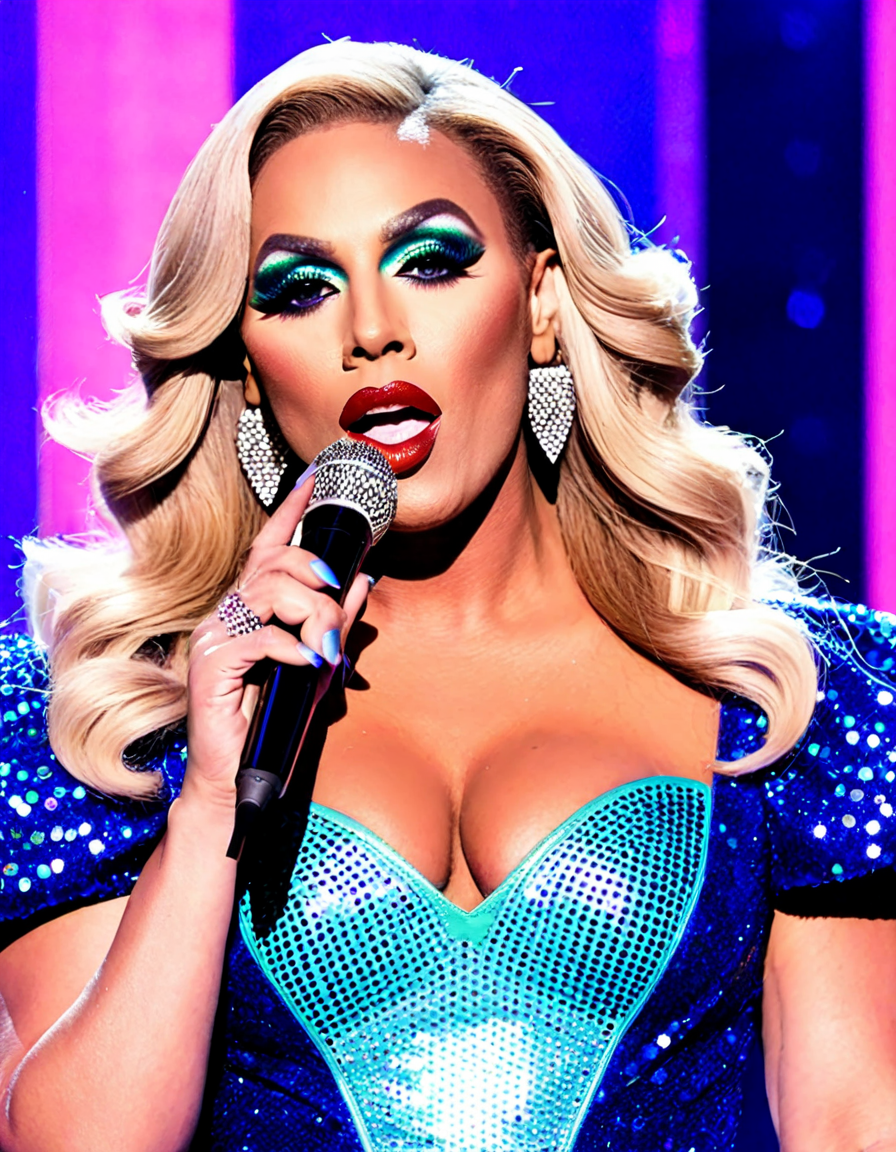
The trajectory of contestants on RuPaul’s Drag Race highlights the transformative power of the show. Contestants like Bianca Del Rio and Trixie Mattel have transitioned from reality stars into cultural icons, launching music careers and brand empires. They’ve proven that a fierce lip sync and funny quips can make you a household name. Like the creative spirit found at Bonnaroo, these queens cultivate a diverse experience, inspiring a wave of new artists.
Notably, many have hosted specials or hopped onto television shows across various networks. For instance, Trixie not only tours with her stand-up, but she also graces our screens in shows like Trixie Motel, expanding her brand’s reach and sharing her drag artistry.
This evolution mirrors how communities push forward to celebrate their stories. The representation provided by RuPaul’s Drag Race is crucial, as it paves the way for broader conversations about acceptance in a larger society. As they rise from local spots to making waves internationally, the queens highlight the power of art in storytelling, demonstrating that resilience is at the heart of every success.
Celebrity Collaborations: Glamour Meets Superstars
There’s no denying that celebrity collaborations have amped up the glamour on RuPaul’s Drag Race. With appearances ranging from judges to surprise guests, the show has created unforgettable moments. Remember when Lizzo strutted into the workroom, ready to judge? It was as if glam collided with talent, giving viewers a taste of something truly special.
These synergistic moments not only create buzz but also attract a diverse audience interested in both drag culture and mainstream media. Much like how artists combine voices to create beautiful melodies, RuPaul’s Drag Race unites drag with the golden touch of celebrity, reinforcing its mainstream status.
Take a look at guest spots featuring stars like Lady Gaga, who made a huge impact during her appearance. Collaborating with the queens on challenges stretched their creative limits and showcased each queen’s unique flair.
These interactions embody a sense of camaraderie similar to how groups in movies like Wild Kratts embark on learning adventures together. This show embraces joy and community, further solidifying its significance and expanding its reach in shaping pop culture.
The Future of Drag in Mainstream Media
Peering into the future of television in 2026, the potential for drag culture within mainstream media looks incredibly bright. The success of RuPaul’s Drag Race has sparked numerous domestic spin-offs and international adaptations like Drag Race UK and Drag Race España. These shows have embraced local culture, showing that drag truly knows no bounds—it’s a powerful global movement.
Some folks may worry that mainstream success could dilute drag culture, but it’s essential to remember that RuPaul’s Drag Race is actively documenting history while celebrating identities. The show balances grassroots artistry with the glitz and glamour we adore while inspiring generations.
As more channels and streaming networks embrace drag, it indicates a significant shift in acceptance. Think of it as the collective heartbeat of a growing community coming together to celebrate and uplift diversity. Who knows? The next big evolution in drag could spark something wild—like his own Hot Tub Time Machine-style twist where we reminisce about the fabulous journey of these remarkable queens.
In closing, RuPaul’s Drag Race elegantly combines glamour, fierce competition, and essential conversations that resonate beyond the screen. It is a ritual where identity exploration thrives in our contemporary culture. As it shines a light on authentic stories and creativity, we’re reminded that while we might not all walk the runway, we can absolutely strut through life with pride, confidence, and a sprinkle of glitter. It’s time to celebrate the extraordinary world of drag—one sequin at a time!
RuPaul’s Drag Race: Glamour, Competition, and Fun Trivia
Behind the Sequins
Did you know that RuPaul’s Drag Race started airing in 2009? It quickly became a cultural phenomenon, giving us a glimpse into not just dazzling performances but also the hard work and resilience of its contestants. The show isn’t just about the glam and glitter; it’s also a place where kings and queens strut their stuff and fight for their dreams, reminiscent of Micah Stock in his breakout roles that showcased tenacity and charm. And speaking of charm, contestants have been known to bring not only their A-game but a bag full of drama, making it must-watch TV! Interestingly, the series has also inspired parents in Massachusetts; some even went as far as to sue a school over AI content influenced by LGBTQ themes. Talk about fierce!
The Twist of Competition
Now, let’s not forget the twists! Each season brings fresh challenges that throw a curveball at the competitors. From lip-sync battles to unconventional design challenges, contestants must be as resourceful as they are fabulous. You might recall the thrilling screenplay of 10 Cloverfield Lane, which kept viewers on their toes with unexpected surprises—a narrative style not too different from the rollercoaster of emotions seen in RuPaul’s Drag Race. And while the contestants steal the limelight, seasoned judges like Michelle Visage and Ross Mathews keep the competition lively with witty banter that feels like a breath of fresh air—much like Shailene Woodley’s dynamic performances across both movies and TV shows!
From Reality TV to Stardom
The stakes are high, and so are the rewards. Many contestants have leapfrogged into bright careers post-DRP, with some landing major acting gigs, similar to the rising stardom of Emma Corrin, who transitioned from television to impactful film roles. With each passing season, we witness transformations that rival any Hollywood blockbuster! And let’s not forget the unforgettable Caitlin Clark Highlights that mirror the jaw-dropping performances on stage, showcasing the athleticism and artistry so prevalent in the drag community. Last but not least, with Milly Alcock making waves for her talent across TV and film, who knows who’ll take home the crown next? In the end, RuPaul’s Drag Race gives us more than just competition; it provides a platform for self-expression, creativity, and of course, some fabulous fun!