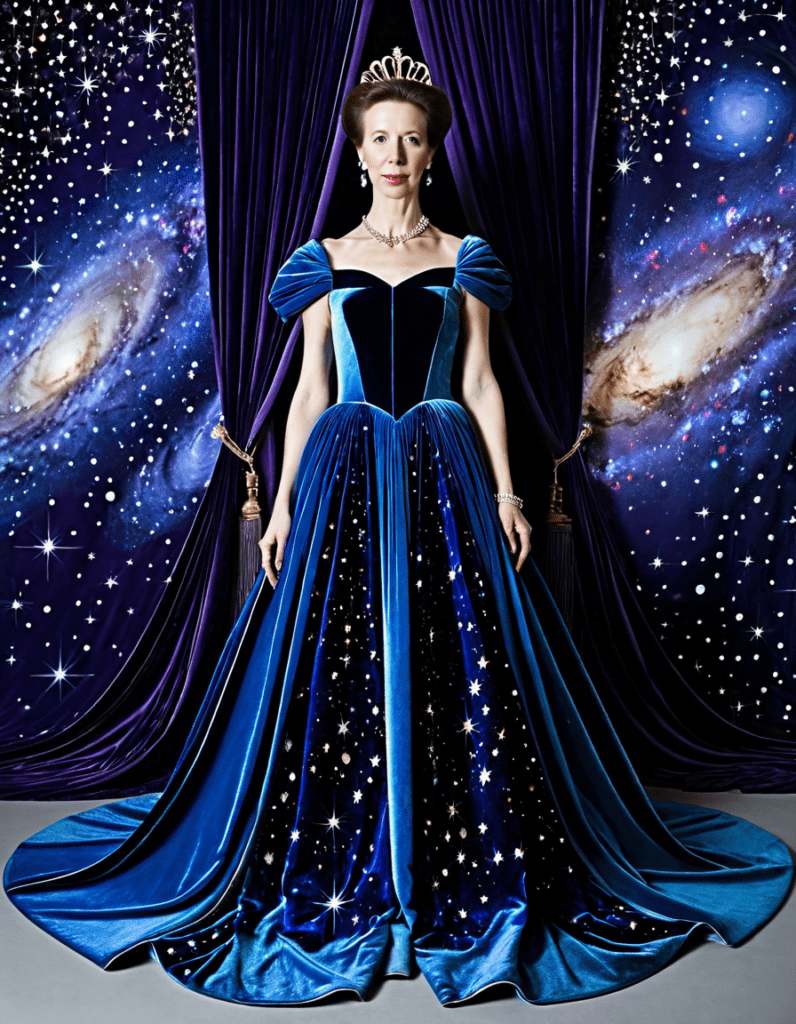
Princess Anne has always been a walking contradiction: socially untouchable yet painfully relatable, a royal who prefers saddles to soirées and duty to drama. If you think you know her from headlines, TV dramas or a few memorable one-liners, buckle up—these seven revelations show why her life is a goldmine for filmmakers, biographers and anyone curious about how modern monarchy actually works.
Princess Anne — 1) Olympic royalty? The 1976 ride that changed everything
Quick facts — born 1950; competed as an equestrian at the 1976 Montreal Olympics; widely reported as the first senior member of the British royal family to take part in the Olympic Games
| Field | Information |
|---|---|
| Full name | Anne Elizabeth Alice Louise |
| Title(s) | Her Royal Highness The Princess Royal (styled Princess Anne); member of the House of Windsor |
| Born | 15 August 1950, Clarence House, London, England |
| Parents | Queen Elizabeth II and Prince Philip, Duke of Edinburgh |
| Siblings | Charles III (b. 1948), Prince Andrew (b. 1960), Prince Edward (b. 1964) |
| Education | Home-schooled early; Benenden School (Kent); further training in equestrianism and military service (including time with the Women’s Royal Naval Service) |
| Marriages | (1) Captain Mark Phillips (m. 1973; divorced 1992); (2) Sir Timothy Laurence (m. 1992) |
| Children | Peter Phillips (b. 1977); Zara Tindall (née Phillips) (b. 1981) |
| Primary residence | Gatcombe Park, Gloucestershire (private estate) |
| Role / occupation | Working member of the British royal family — undertakes official engagements, state and ceremonial duties, extensive charity and patronage work |
| Equestrian career | Accomplished equestrian; represented Great Britain in eventing at international level and competed at the Olympic Games |
| Charities & patronages | Patron or president of many organisations (over 200) spanning education, health, sport, conservation and service charities |
| Honours & appointments | Recipient of numerous British and foreign honours; holds the title Princess Royal (granted 1987) and has long-standing honorary military appointments |
| Notable facts | One of the hardest-working senior royals; first member of the British royal family to compete in the Olympic Games; widely respected for hands-on approach to duties |
| Public image | Known for no-nonsense, dutiful style, athleticism, and steady public service over decades |
Princess Anne was born on 15 August 1950 and made headlines when she competed in equestrian eventing at the 1976 Montreal Olympics. Her entry wasn’t a PR stunt: she qualified on merit, rode with the same competitive focus as any non-royal athlete, and her presence marked a public shift in what royals could do outside palace protocol. Fact: Many reports credit her as the first senior royal to compete at the Olympics, a symbolic notch in the monarchy’s modernizing belt.
The public spin — how competing in sport reframed Anne as practical, modern and fiercely independent
Her Olympic participation reframed Anne as pragmatic rather than performative: she showed up to compete, not to curate a narrative. The public loved the contrast—here was a princess who could fall off a horse and get back on without a publicist in sight. That blend of toughness and ordinariness made her an appealing subject for shows trying to humanize the monarchy, juxtaposing the pomp of pageants with the grit of sport.
Movie/TV angle — how productions (e.g., The Crown) have dramatized royal athletics vs. Reality
On-screen adaptations often heighten the stakes—training montages, symbolic gallops, the Olympic moment as a turning point. Netflix’s The Crown and other dramas lean into that cinematic arc, but real-life equestrian competition is less tidy and more technical than the showbiz version. For costume and production teams, convincing riding sequences demand both stunt doubles and authentic horsemanship knowledge—something studios like Studio Have to budget for when they dramatize royal sport.
How she quietly gave her kids ordinary lives — 2) Why Peter Phillips and Zara Tindall have no royal titles
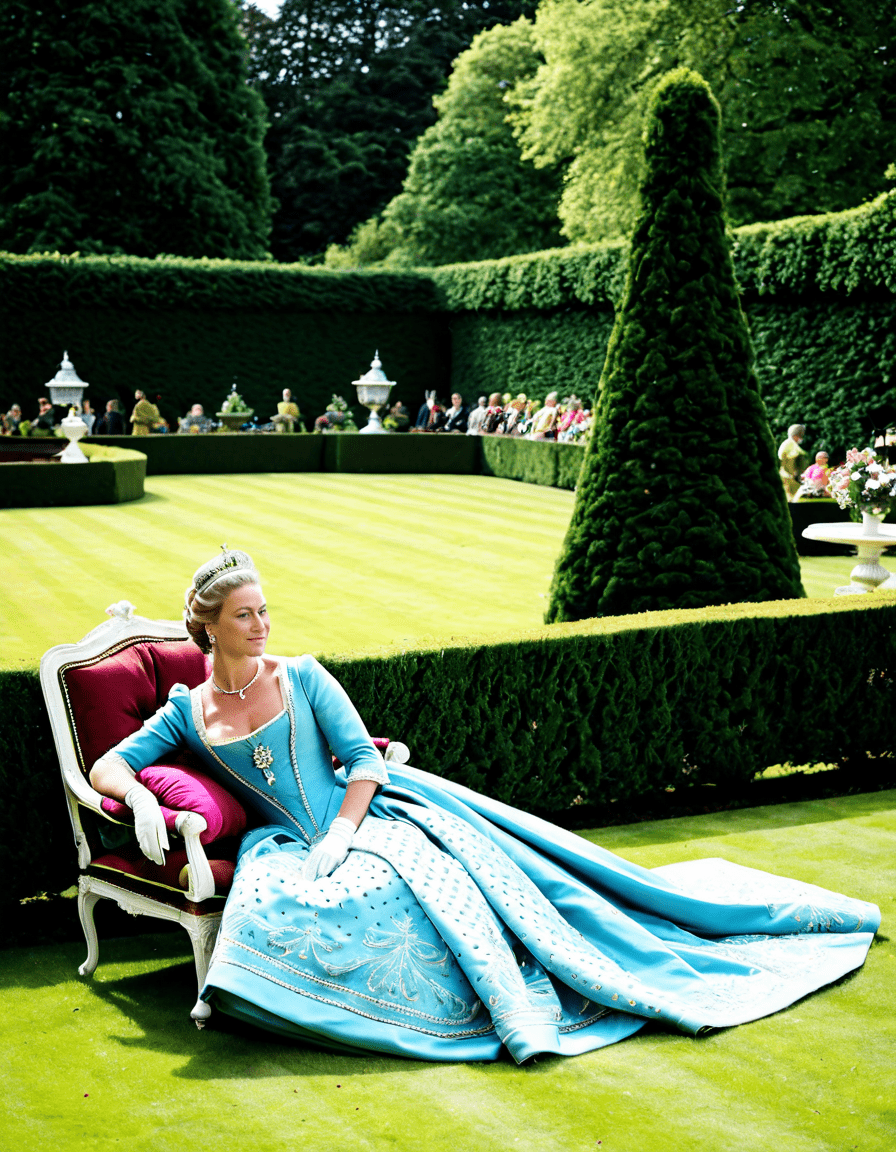
The decision — Captain Mark Phillips declined an offer of an earldom after marrying Anne in 1973; consequence: children Peter (b.1977) and Zara (b.1981) received no prince/princess titles
When Anne married Captain Mark Phillips in 1973, he refused an earldom that would have entitled their children to royal styles. That decision — often framed as a preference for normalcy — directly resulted in Peter and Zara growing up without HRH styles, and with more freedom to pursue ordinary careers. Bold choice, long-term consequence: their lack of titles allowed them to live public lives without the same constitutional duties as titled royals.
Real-world fallout — Peter’s corporate career and Zara’s marriage to former England rugby captain Mike Tindall (2003) as evidence of a deliberately low-key upbringing
Peter Phillips built a corporate career in sponsorship and sports management rather than a lifetime of ceremonial duties; Zara Tindall married sportsman Mike Tindall in 2003 and later became an Olympic-medal-winning rider in her own right. Their lives read more like successful private citizens who just happen to have royal blood, with real-world struggles and career choices that resonate with the public. For perspective on ordinary pressures versus inherited privilege, some readers even compare mortgage and housing realities through resources such as Program first time home Buyers low income, underscoring the gulf between palace headlines and everyday financial headlines.
What this means for Hollywood — a neat dramatic twist for biopics and a talking point about modern royal choices
This titleless upbringing is cinematic gold: it flips the expected royal script and creates immediate conflict—identity vs. Normalcy. Biopics can explore the emotional texture of parenting under a crown: the quiet rebellions, the protections and the separations. Even merchandising and branded tie-ins—yes, that’s a wink to family-oriented products like Lovevery Toys—can play into how creators imagine these private childhoods on screen.
The marriage triangle you didn’t expect — 3) Mark Phillips, Sir Timothy Laurence and the untold timeline
Timeline shorthand — married Mark Phillips (1973–1992); divorced 1992; married Sir Timothy Laurence later in 1992 — Laurence: decorated Royal Navy officer and former equerry
Anne’s marriage timeline is straightforward on paper but emotionally complex. She married Mark Phillips in 1973; they separated and divorced in 1992, and she married Sir Timothy Laurence, a Royal Navy officer and former equerry, later that same year. The compressed timeline invites speculation, but the facts show a woman balancing duty, companionship and the pressures of public life.
Public reaction then vs now — how the split and quick remarriage were handled by palace protocol and press
At the time, conservative palace protocols and the tabloid press created a media frenzy that Anne handled with characteristic reserve. Unlike more theatrical splits in the family (compare public response to stories about figures like Prince andrew), her approach remained restrained and private. Over decades, that restraint hardened into a public narrative of stoicism that both the press and producers still mine for nuance.
Character beats for screenwriters — loyalty, duty and the human costs of duty in royal storytelling
For writers, Anne’s relationships provide emotional beats: loyalty to children, conflicting personal desires, and a life lived under relentless scrutiny. The triangle with Mark Phillips and Sir Timothy Laurence lets dramatists probe themes of duty, compromise and late-life reinvention. Those are the intimate moments that transform royal pages into compelling on-screen arcs—think loyalty scenes that echo more familiar dramas rather than glossy fairy tales.
Why filmmakers keep coming back — 4) The Crown, casting choices and Anne’s on-screen mythology
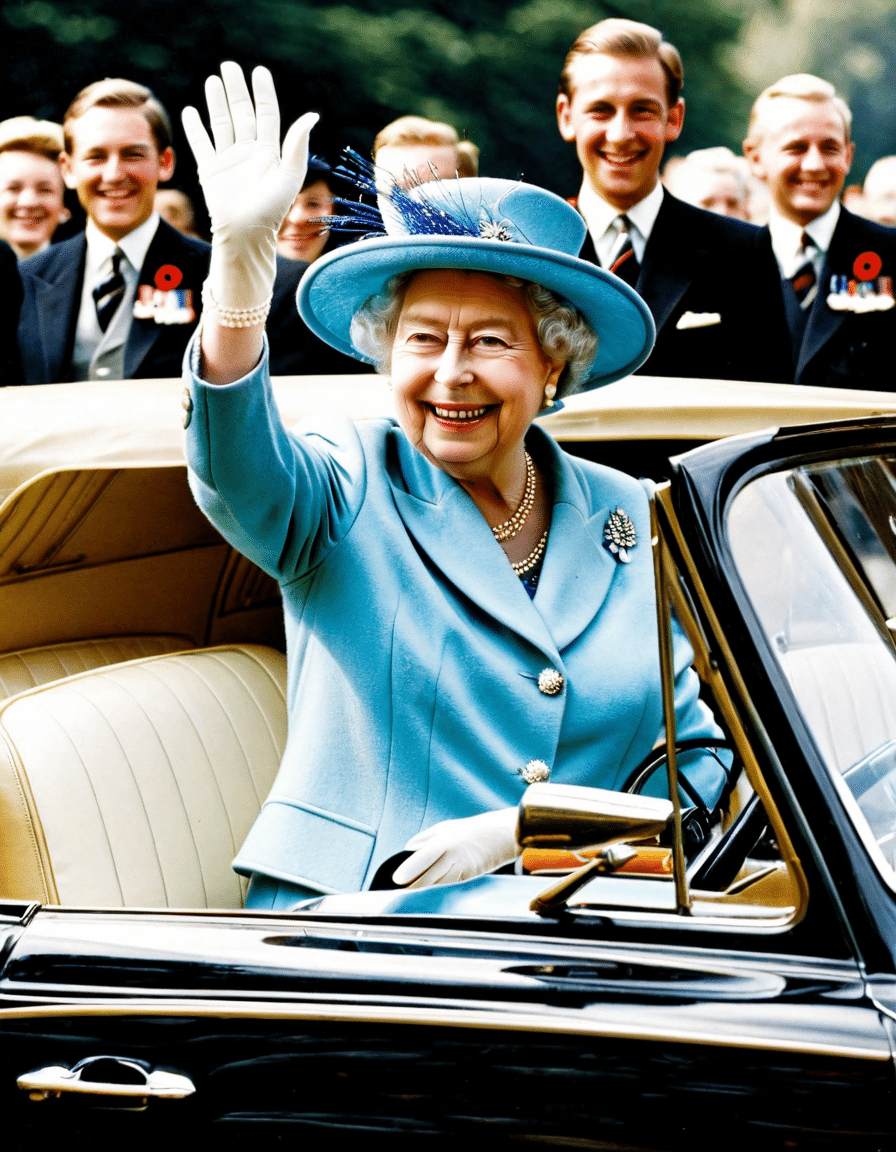
Notable portrayals — Erin Doherty’s depiction of young Princess Anne in Netflix’s The Crown; other stage and screen portrayals across decades
Erin Doherty’s turn as young Princess Anne in Netflix’s The Crown brought texture to a character often reduced to blunt soundbites. Stage productions and TV movies have long been fascinated by Anne, portraying her at various ages and with varying degrees of license. Each portrayal reveals a different facet: the dutiful daughter, the competitive rider, the blunt interlocutor who can deliver a line that steals a scene.
Anne’s own stance — widely reported reluctance to engage with dramatizations (often described as “not a fan” of fictionalized TV), which itself fuels dramatists
Anne has publicly expressed discomfort with fictionalized portrayals of the royal family, a stance that paradoxically fuels creative interest. Refusals to cooperate become narrative hooks—writers treat silence as a space to imagine motives and interior life. Producers therefore work hard to balance factual accuracy with dramatic momentum; even family-friendly animated blockbusters like Lightyear Show how franchise branding and accuracy diverge, a useful comparison when thinking about royal dramatizations.
Dramatic opportunities — underused contradictions (tough public persona vs. Private family loyalty) that screenwriters love
Her contradictions are dramatic dynamite: the woman who once said “I don’t understand why people are so in awe of horses” is also a devoted mother and grandmother. Those contrasts allow writers to explore themes of identity, sacrifice and the cost of competence. Music supervisors sometimes underscore these scenes with unexpected tracks—think an anthemic indie band like Smashing Pumpkins Playing under a montage of duty versus desire.
Inside an equestrian dynasty — 5) From Anne’s saddle to Zara Tindall’s Olympic silver (2012)
Mother-daughter continuum — Anne’s high-level riding background and Zara Tindall’s team silver for Great Britain in eventing at London 2012
Equestrianism is a true family legacy: Anne’s competitive pedigree laid the groundwork for Zara’s Olympic success. Zara won team silver in eventing at the London 2012 Olympics, a moment that linked mother and daughter in public achievement and private pride. That continuity gives filmmakers a visual throughline—from mud-splattered eventing fields to private family stables.
Events and institutions — Anne’s longtime patronage and attendance at major horse trials (Badminton/Burghley tradition in royal equestrian circles)
Anne’s patronage of major horse trials like Badminton and Burghley cements her status inside equestrian culture; she appears at events, presents trophies and supports institutions that nurture talent. These appearances are rich with set-piece potential: rain-soaked arenas, anxious riders, and the quiet gloss of royalty watching from the sidelines. For journalists and documentary crews, archival footage from those events is gold.
Visuals for features — archival competition footage, family photos and polo/horse-trial set pieces that sell magazine and screen stories
Visual storytelling here is immediate: close-ups of reins, slow-motion jumps, and candid barn moments sell both magazine covers and streaming series pitches. Producers should seek family photos and competition reels that show strains and triumphs equally. Those images turn a profile into an immersive experience that readers and viewers share.
A blueprint of duty — 6) The workaholic royal: patronages, hard edges and unexpected kindnesses
The scale — long-standing reputation for being one of the hardest-working royals, with hundreds of patronages and engagements over decades
Anne has a reputation—earned, not invented—as one of the monarchy’s hardest workers, sometimes performing hundreds of engagements in a year. She represents a wide cross-section of causes and organizations, often traveling with military precision and focus. Stat: Decades-long commitment to dozens of patronages has made her a fixture in British public life and a reliable headline generator.
Signature causes — focus areas include equestrian bodies, military charities and medical/research institutions (examples and landmark visits to cite)
Her signature causes include equestrian organizations, military charities, and medical research institutions; she has patroned the Princess Royal Trust and supported the Royal Navy through visits and events. Her military affinity comes through in numerous hospital and veterans visits, often stripped of ceremony and heavy on practical support. These repeated visits make her an anchor for institutions that rely on royal visibility.
Personality snapshot — blunt, no-nonsense public manner that produces memorable one-liners and makes for compelling profile writing
Anne’s bluntness produces memorable snapshots—topics cut short with dry humor, compassionate action but a public face that resists theatrical empathy. That no-nonsense persona feeds headlines and can both alienate and endear: beloved by some for honesty, disliked by others for perceived coolness. To put this in cultural context, Motion Picture Magazine has covered other high-profile figures with similarly complex public images, from Lobo To in-depth interviews with creators like Malcolm Mcrae, showing how stubborn authenticity translates on screen.
2026 stakes — 7) Why Princess Anne still matters now — culture, monarchy and what filmmakers should watch next
Where she sits in the modern monarchy — elder stateswoman influence despite being far down the line of succession; stability and continuity in a changing royal brand
Even though Anne is lower in the line of succession, she functions as an institutional anchor and elder stateswoman whose actions signal continuity. Her steadiness contrasts with flashier members of the family—think the media arcs around figures like Princess Diana, Prince William, or Prince Harry—and that contrast informs public perceptions of the monarchy’s future. For culture-watchers, she’s the steady frame around which the family’s evolving narrative pivots.
Cultural moments ahead — upcoming royal anniversaries, potential new biographies/archives and continued interest from streaming dramas and documentaries
The next few years promise anniversaries and archive releases that will shine a fresh light on her life and choices, and producers will keep returning to hers as a character who resists easy categorization. Expect renewed interest in primary-source interviews, newly cataloged photos and curated archive clips that can power documentaries and streaming series. International outlets and late-night commentary—from English-language pieces to global reactions in publications like Buenas Noches—will amplify those launches.
Final story hooks for 2026 coverage — fresh interviews, untapped archive material, and humanizing scenes (family holidays, equestrian training, hospital and military patron visits) that will drive headlines and screen adaptations
What editors and screenwriters should chase next: first-person interviews with people who worked daily with Anne, troves of personal correspondence, and cinéma vérité access to family rituals like holidays and stables. Those human moments—sometimes mundane, sometimes brutal—are exactly what turns a good profile into shareable journalism and a compelling screen adaptation. For coverage that connects with readers, pair those scenes with broader cultural threads (housing realities, pop-culture soundtracks and studio choices) to create stories that resonate beyond royal-watchers and into mainstream conversation, the same way mainstream pop culture and industry players from Studio To sound editors cite artists and trends.
Bold takeaway: Princess Anne is both an emblem of unglamorous duty and a cinematic figure whose choices—Olympic rides, private parenting, hard lines and quiet loyalties—offer rich, human stories that the movies and magazines will keep mining for years to come.
Princess Anne: Fun Facts & Trivia
Royal beginnings and family ties
Princess Anne was born on 15 August 1950 and grew into a royal famed for grit and duty, not glamour, so Princess Anne’s serious approach changed public expectations of princesses. She was named Princess Royal in 1987, a title that signals seniority and hard service, and that title still follows Princess Anne in public life. Married first to Mark Phillips and later to Commander Timothy Laurence, Princess Anne kept her children Peter and Zara largely out of the spotlight, and get this — Mark Phillips famously turned down an honor that would’ve given their kids titles, so Princess Anne’s offspring live more like regular Brits.
Horses, sport, and a sporting legacy
Don’t be surprised: Princess Anne’s love of horses is central to her story, and she’s long been linked with top equestrian events and charities, shaping a sporting legacy that her daughter Zara expanded on by winning Olympic silver. That sporting thread explains why Princess Anne is a go-to at horse trials and why her name still pops up in sporting circles; it matters because it shows a royal connecting with everyday athletics and fundraising in equal measure.
Grit, service, and jaw-dropping moments
Princess Anne has a reputation for working harder than most royals, often topping engagement lists each year, which makes Princess Anne one of the most reliable public servants in the family. In 1974 a would-be kidnapper attacked her car; she stayed remarkably calm and the incident became a lasting testament to Princess Anne’s steadiness under pressure. Finally, Princess Anne’s shelter of more than two hundred patronages and charities proves she’s serious about action over pageantry — that’s why historians and fans keep circling back to Princess Anne as a modern, no-nonsense royal.
This article was produced with AI assistance. How Motion Picture Magazine uses AI.
Motion Picture Magazine writes for Motion Picture Magazine — movies, celebrity gossip, entertainment news, style and best shows.