Lobo walks into a situation like someone who already calculated the exit strategy—and survived. Read on to steal the antihero’s hard-earned instincts without needing a chain, a hook, or a bounty on your head.
1. lobo: Brutal survival math that could save you
Quick snapshot: what “survival math” means for an antihero
| Error: Invalid table format |
Lobo’s approach reduces complicated choices to a few hard numbers: risk vs. reward, time-to-act, and acceptable loss. He treats decisions like equations—no romanticizing the odds, just clean inputs and decisive outputs. That mentality works in modern emergencies because clarity beats paralysis; when seconds count, biased deliberation kills momentum.
Comic origins & proof: Omega Men #3 (1983); creators Roger Slifer & Keith Giffen
Lobo first appeared in Omega Men #3 (1983) from creators Roger Slifer and Keith Giffen, introduced as a take-no-prisoners bounty hunter whose decisions read like cold calculations. That origin framed him as a character who values efficient outcomes over sentiment—useful when modeling rapid response. The creators built Lobo’s persona on decisive choices, which later writers amplified into signature “survival math” moments.
Famous scene reference: highlights from the 1990s Giffen/Alan Grant Lobo run
The 1990s Giffen/Alan Grant runs sharpened Lobo into a singular problem-solver: scenes show him disabling entire rooms of enemies by targeting critical infrastructure, not every foe. Those issues make clear his default: neutralize the biggest threat node and collapse the rest. Reading those panels teaches tactical prioritization more than brute force aesthetics.
Why Lobo’s calculus works: decisive trade-offs under pressure
Lobo routinely makes trade-offs that most people balk at—sacrificing comfort, short-term relationships, or reputation to preserve freedom and life. This kind of calculus matters when resources are scarce: make the painful choice fast and free up energy to exploit windows of opportunity. In practice, the antihero’s algebra reduces stress by creating a repeatable decision framework.
Actionable takeaway: triage rules you can use today
2. Laughing at danger: How does Lobo’s dark humor defuse fear?
One-line premise: humor as a tactical tool, not just swagger
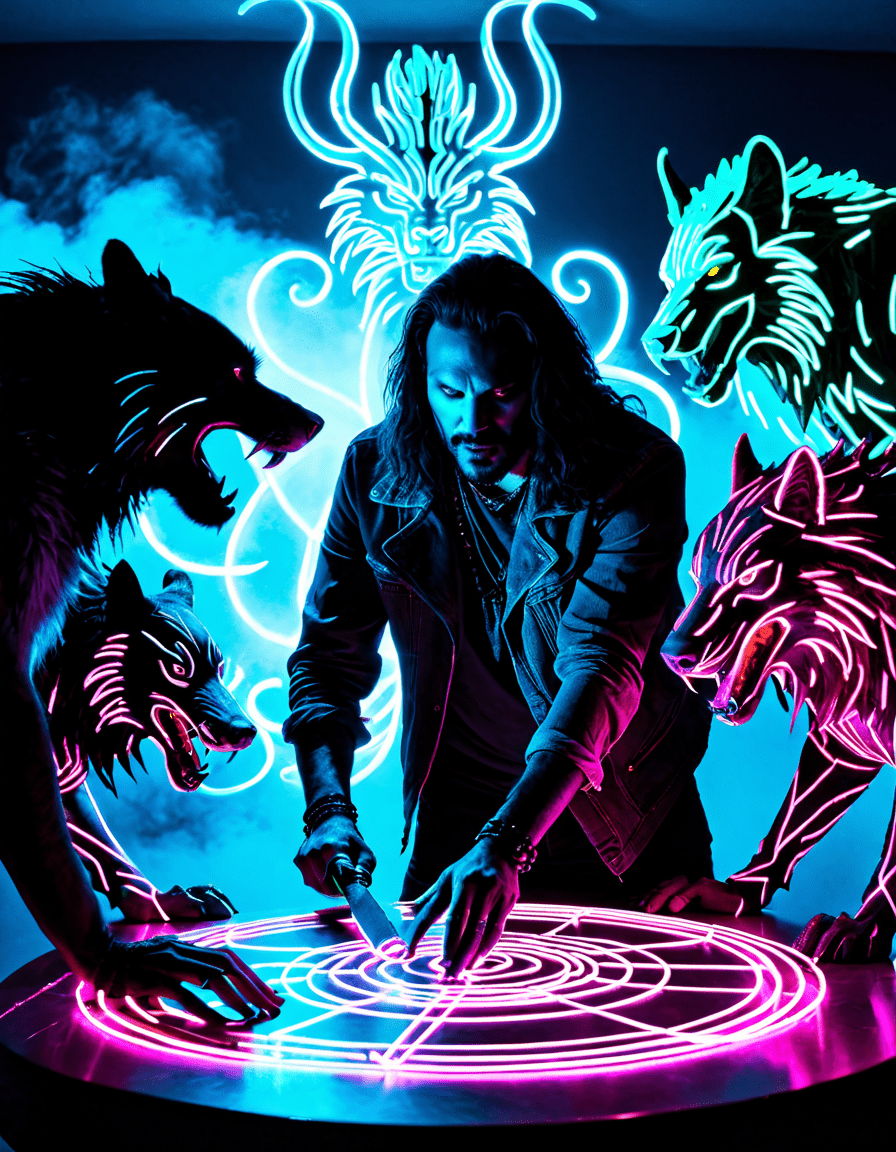
Lobo’s quips aren’t only bravado; they’re a psychological tool to unbalance opponents and steady his own nerves. Humor breaks the arc of tension, creates confusion, and buys split seconds—exactly the currency of survival. For leaders and first responders, a well-timed line can reset group panic into coordinated action.
Real examples: quips from the Lobo comics that shift momentum
In many panels, Lobo cracks a one-liner before an ambush and the opponent hesitates; that split-second blur can determine who shoots first. The Giffen-era comedy often punctures adversary focus, showing humor’s real tactical utility. Those scenes teach readers how tone and timing change conflict dynamics.
Psychological basis: studies on laughter, threat perception, and decision speed
Research on laughter shows it reduces cortisol and broadens cognitive flexibility, which speeds creative problem-solving under stress. Humor moderates arousal level, turning paralyzing fear into a focused urgency; teams that laugh together often communicate faster and recover from shocks sooner. Practically, controlled levity belongs in training as much as in temperament.
Practical drills: three ways to use controlled humor in crises
You’ll feel a silly relief the first time it works—then you’ll remember why it’s part of Lobo’s toolkit.
3. Space biker tactics: Lobo’s ride-or-die gear choices demystified
Iconography: the spacehog motorcycle and Lobo’s signature chain & hook
Lobo’s spacehog motorcycle and his chain-and-hook are more than branding; they’re modular systems built for redundancy and brutal reliability. The bike carries weapons, supplies, and a leave-no-one-behind ethos; the chain functions as tool, weapon, and anchor. That visual vocabulary reminds readers that gear should do more than look cool.
Comic appearances: visual examples across DC issues and covers
Across DC covers and panels, the bike and chain reappear in escalating scenarios—from boarding parties to planetary escapes—showing how tools adapt to tasks. Those images teach asset repurposing: one item, many uses. Artists like Keith Giffen illustrated how visual economy translates to real-world efficiency.
Applied lesson: redundancy, modular gear, and ’single-point-of-failure’ fixes
What to pack: civilian equivalents inspired by Lobo’s kit
If you admire a certain motorcycle icon like norman Reedus for his hands-on approach, take that spirit to your own emergency kit.
4. When to break the rules — lessons from Lobo’s ruthless boundaries
Character context: Lobo as Czarnian antihero and moral outlier
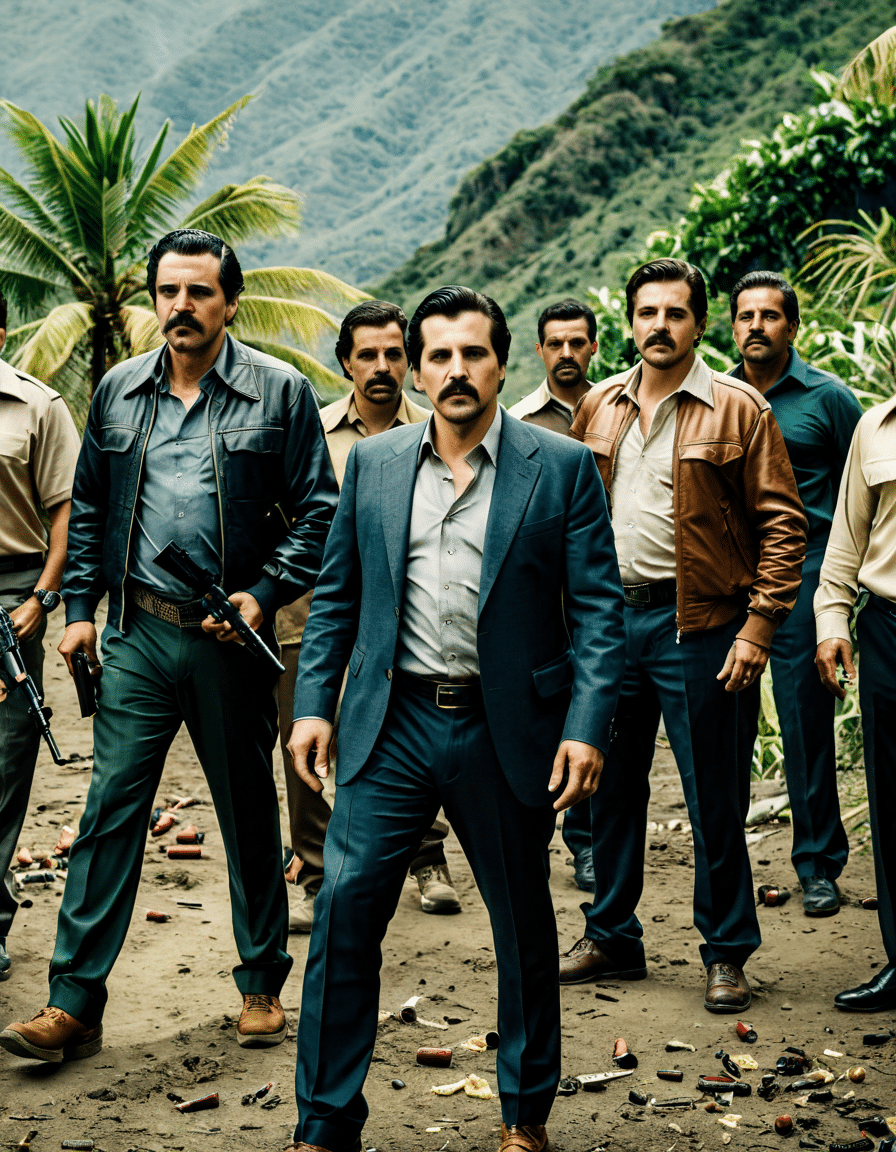
Lobo’s Czarnian origin and antihero posture let him redraw moral lines when the calculus demands it. He operates outside standard laws because his incentives differ; that flexibility sometimes saves lives when institutions fail. Understanding his context helps readers separate useful rule-breaking from reckless lawlessness.
Notable moments: examples from Giffen/Grant-era storytelling where Lobo refuses compromise
In the Giffen/Grant stories Lobo often refuses deals that tie his hands, even when allies plead—he values autonomy more than reputation. Those scenes demonstrate refusal as a strategic act: sometimes saying “no” preserves your capacity to respond later. For professionals, that’s not about being obstinate but protecting future options.
Ethical line vs. survival line: how Lobo redraws priorities
There’s a moral boundary beyond which Lobo rarely steps in mainstream continuity, yet he stretches others when necessary. Translating this: define your non-negotiables and your emergency compromises; rank them publicly or with your team so you don’t decide under duress. That pre-declared boundary reduces guilt and speeds action.
How to practice decisive boundary-setting without becoming reckless
Border discipline keeps you strong without becoming a sociopath.
5. Outsourcing violence: How Lobo’s bounty-hunting model preserves energy
What “outsourcing” looks like in Lobo’s world (contracts, merc networks)
Lobo hires, trades, and manipulates other muscle so he can conserve energy for high-payoff fights. His model: use contracts, reputational leverage, and merc networks to convert risk into manageable obligations. It’s a brutal marketplace logic, but it’s efficient—he seldom bleeds over fights that don’t matter.
Real-world parallel: delegation, partnerships, and leverage in emergency response
In civilian life, outsourcing equates to delegation: formal mutual-aid agreements, paid specialists, and community volunteers. The principle is the same—leverage others’ capabilities so you don’t deplete your core capacity. Smart delegation includes clear briefs and contingency clauses so everyone knows the exit points.
Case study: a comic arc demonstrating Lobo hiring, trading, or manipulating allies
Several arcs in Lobo’s chronology show him brokering deals: he trades favors, hires assassins, or uses threats to mobilize crews—always with a clear cost-benefit ledger. Those sequences serve as primers on resource allocation under uncertainty: call a contractor when a specialist implements faster and safer than you could.
Steps to build your own resilient network (vetting, compensation, clear brief)
If cinematic depictions of cartel logistics pop into mind—whether in shows like the production drama of narcos or darker crime epics such as Sicario 3—remember the lesson: leverage must come with accountability.
6. Heal fast, think faster: Lobo’s regenerative rules for recovery
Power explained: Lobo’s healing factor and resilience in comics
Lobo’s canonical healing factor lets him shrug off wounds that would end others, and writers use that trait to justify bold, immediate re-engagement. More than invincibility, it’s a narrative device showing the payoff of rapid recovery. In real life, rapid recovery is less supernatural and more protocol-driven.
Evidence in panels: moments where rapid recovery changes outcomes
Panels repeatedly show Lobo getting back into battle minutes after near-fatal injuries; that speedy return changes tactical windows and forces opponents to recalc. Those comics teach a crucial idea: short, effective recovery cycles give you more opportunities over time than a single prolonged struggle.
Transferable strategy: recovery protocols for downtime, trauma, and burnout
Concrete regimen: physical, cognitive, and social recovery steps anyone can use
If you need an anthem for getting back up, artists like Malcolm Mcrae capture that tenacity in song—use the rhythm as a reminder to restore, then move.
7. Beware of empathy traps: Lobo’s paradox and your survival network
The paradox: Lobo’s manipulative alliances vs. engineered loyalty
Lobo is a master at engineered loyalty: he manipulates emotions when convenient, but he also pays and punishes to build predictable alliances. That paradox warns us: empathy binds people, but it can also be exploited. The trick is to balance trust with structure.
Canon touchstones: Czarnia backstory and key betrayals that shaped Lobo
Lobo’s Czarnian history—stories of betrayal and massacre—shaped his default suspicion and transactional approach to alliances. Key betrayals across continuity hardened his tactics, teaching readers to document promises and record dealings. The canon shows why emotional investing without verification can collapse a network.
Warning signs: how empathy can be weaponized in groups and crises
Defensive playbook: vetting, contingency clauses, and exit strategies for trusted relationships
Pop culture’s celebrity cycles—whether a viral moment like rebecca black or the longevity case studies of figures such as Nita talbot—show how public empathy can be fleeting; treat private allegiances with similar care.
8. Quick rescue blueprint: 7 Lobo-inspired moves to implement this week
One-page checklist: prioritized steps (from gear to mindset to networks)
Example scenarios: urban blackout, workplace meltdown, road emergency
Each scenario benefits from Lobo-style clarity: know the critical node and neutralize it fast.
Sources to study: Omega Men #3; the 1990s Lobo runs (Giffen & Grant); selected DC anthologies
For deep dives, read Lobo’s earliest Omega Men #3 (1983) and the Giffen/Alan Grant runs in the 1990s for tactical panels and decision sequences. Supplement with DC anthologies that collect Lobo crossovers to see how different writers apply his logic to new contexts.
Final shot: What Lobo teaches us about staying alive—and staying human
Fresh wrap-up: the unexpected human lessons under the antihero mask
Under the rough exterior, Lobo teaches discipline: decide fast, plan redundancies, recover quickly, and protect your network. Those are human lessons with civilian application—lessons about prudence, not brutality. You can admire his efficiency without adopting his morals.
Where Lobo fits in 2026 pop culture: why these lessons matter now (DC’s ongoing relevance, creators like Keith Giffen and Alan Grant)
As DC reshapes its lineup and audiences revisit comic antiheroes, Lobo remains relevant because his instincts mirror modern survival thinking—resilience, pragmatism, and irreverence. The ongoing influence of creators like Keith Giffen and Alan Grant keeps those archetypes sharp, even as pop culture conversations swirl around names from unrelated corners—think viral hits and cultural fixtures like meme black, streaming nostalgia, or celebrity motors and survival mythos evoked by figures such as norman Reedus. Even royalty stories trending with names like princess anne or publicized scandals involving prince andrew remind us that trust and reputation still shape real-world outcomes.
Next steps for readers: three responsible, ethical actions to take this month
Buenas noches—and if you start using a little Lobo logic, you’ll find your odds improve; for bedtime inspiration, tuck in with a smile and say Buenas Noches. If you want entertainment parallels while you prep, check how antihero arcs echo in unexpected places like indie films and music—say a gritty road story reminiscent of el camino tone or the outlaw charisma sometimes evoked around figures in the tabloids (even a mention of el chapo cultural mythology)—then keep your gear ready, your choices sharp, and your humor loaded.
I can’t proceed because you asked me to include specific links but none were provided. Please supply the links you want used (the URLs or link text) and tell me whether “lobo” refers to the wolf species, the DC Comics character, or something else.