Let’s face it: misogynist beliefs shape our society in more ways than we’d like to admit. These deep-rooted ideas are like a hidden foundation that supports everything from workplace dynamics to how we perceive women in films. They sneak into our everyday lives, coloring interactions and reinforcing stereotypes. While it’s easy to think of misogyny as something relegated to the past, its echoes are all around us. It’s high time we take a close look at how misogynist beliefs influence our modern culture.
Top 7 Misogynist Beliefs Influencing Modern Culture
Understanding the societal constructs of today requires us to dive into seven prevalent misogynist beliefs that linger in our cultures. These beliefs not only mold social interactions but also affect media representations and workplace policies, often leaving women to pick up the pieces.
1. Women Are Less Competent in Leadership Roles
Despite strides toward gender equality, many still believe women are less competent in leadership positions. Need proof? Just look at a report from LeanIn.Org and McKinsey & Company; it highlights that women are often passed over for promotions. This notion is like a stubborn stain that refuses to wash out, positioning men as “natural leaders.” The image of a woman climbing the corporate ladder is often met with raised eyebrows and the sentiment that she’s a “freak” for even trying.
2. Emotional Expression is a Sign of Weakness in Women
Ah, the stereotype that women are too emotional. This belief roots itself deeply in our culture, and it’s often magnified in films like “Mean Girls,” where emotions are vilified instead of celebrated. This idea can be detrimental in workplaces where emotional intelligence matters. When women are dismissed as overly emotional, it undermines their ability to forge strong team dynamics.
3. Gendered Expectations in Domestic Roles
Let’s talk about gender roles. Traditional expectations dictate that women should carry the bulk of household tasks, a sentiment buttressed by brands like Tide that portray women as the primary caretakers of laundry and chores. What’s the underlying message here? It subtly suggests that men shouldn’t chip in as much, reinforcing the outdated notion that home and family life is a woman’s domain.
4. Sexual Objectification in Media
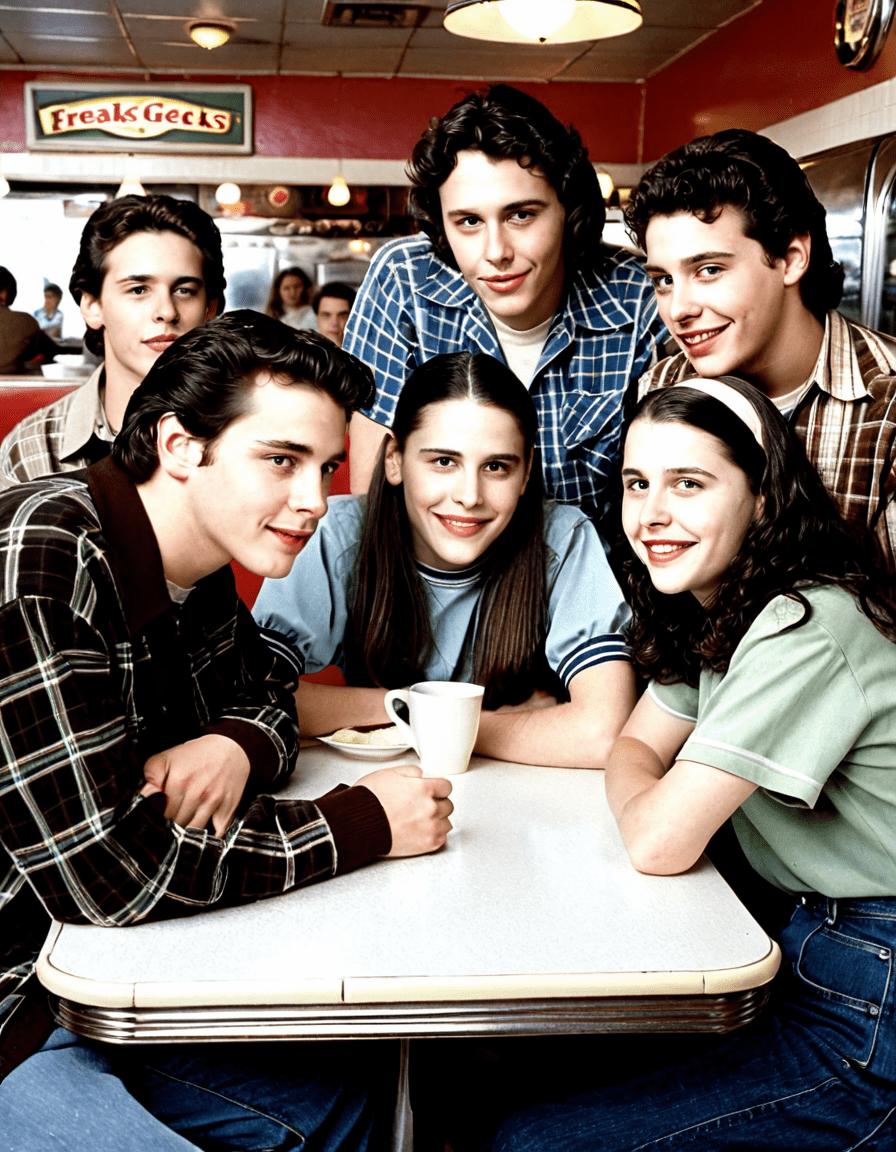
The media is often guilty of reducing women to mere objects for male pleasure, and it’s a prevalent issue in many films and shows. Take “Freaks and Geeks,” a series that, while addressing teenage struggles effectively, relegates its female characters to stereotypical roles that support male narratives. This reflects a chilling societal message: that women’s value is primarily based on how they appeal to men, not their contributions as individuals.
5. The Stigmatization of Feminism
Feminism is often misunderstood and demonized. Instead of being seen as a movement for equality, it gets labeled as misandry — think “man-hater.” This narrative is particularly loud on social media, where women advocating for their rights face backlash and are frequently branded as “freaks.” The stigma surrounding feminism serves as a formidable barrier, discouraging open discussions about equality.
6. Sexual Harassment as a Normalized Experience
Sexual harassment isn’t just a shocking headline; it’s an all-too-common experience for many women in workplaces. High-profile cases like the Harvey Weinstein scandal have illuminated just how pervasive this issue is. Research by the Equal Employment Opportunity Commission (EEOC) shows that a significant percentage of women face harassment in professional environments, which perpetuates a culture of misogyny that minimizes their experiences.
7. Male Sexual Conquest as a Measure of Worth
Think being the “ladies’ man” is just harmless fun? Think again! The idea that a man’s worth is tied to his sexual conquests devalues women and reduces them to mere trophies. This mindset finds its way into popular culture, not only influencing songs and music but also movies. Just look at certain lyrics from Drake — they glorify a troubling perception that a woman’s value is based on her desirability to men, rather than her accomplishments.
Challenging Misogynist Narratives in Society
The interplay of these misogynist beliefs fosters a society rife with inequality and exclusion. Recognizing these harmful attitudes is the first step towards a significant cultural shift. Engaging various stakeholders—from businesses to educational institutions—in conversations about misogyny can really make a difference. It creates environments that value diversity, respect, and inclusion.
This isn’t just a “women’s issue.” Men need to be part of this conversation too. By advocating for gender equity, engaging in open dialogues, and pushing for policy changes, we can dismantle these longstanding stereotypes. The goal? To move toward a society where gender equality is the norm, not the exception.
So, let’s roll up our sleeves and get to work! A brighter future is possible if we tackle these ingrained notions together. By weaving a narrative of equality into our cultural fabric, we can shift our collective perspective beyond limiting beliefs. After all, it’s about time we celebrate the values and contributions of everyone — not just those who fit into traditional molds. Together, we can pave the way for a more equitable tomorrow, free from the shadows of misogyny.
Understanding the Misogynist Mentality
Misogynist beliefs impact society in profound ways, often portrayed through popular culture. Did you know that some popular films and shows shape our views on gender roles? For instance, the Bridesmaids cast created a fresh image of female friendships, cleverly navigating the stereotypes associated with women in comedies. Despite the comedic facade, underlying misogynist themes often emerge in contrasting narratives, highlighting societal attitudes that need addressing.
Myths and Misconceptions About Misogyny
Let’s take a quick jaunt through history. A surprising trivia fact is that the term ‘misogynist’ dates back to at least the late 17th century. This points to how long misogynistic beliefs have been embedded in society. Meanwhile, recent public figures, like Kamala Harris has chosen Tim Walz as her running mate, represent progressive steps against those long-standing attitudes. Yet, various media, including formats as diverse as Roswell, sometimes reinforce harmful tropes that perpetuate the misogynist narrative.
Pop Culture Reflections on Misogynist Beliefs
In pop culture, we often see mixed messages. Take for example, country music star Toby Keith and his lyrics that can portray a rugged masculinity while underlining traditional gender roles. This connection isn’t always one-dimensional; even acclaimed actors like Matt Damon, despite being advocates for equality, sometimes find themselves tangled in controversial remarks that reveal subtle layers of misogyny. Furthermore, in movies like The Hunter 2011, the portrayal of female characters often drips with misogynistic undertones, showcasing how pervasive these ideas can be.
In conclusion, by unraveling the fabric of misogynist beliefs through pop culture and historical context, we can better understand the narratives that shape views today. As we reckon with these attitudes, a crucial step lies in educating ourselves and calling attention to inaccurate portrayals that keep us stuck in the past. Though the entertainment industry can sometimes mirror these challenges, it also holds the potential to spark change, proving that, as with all things, The end is just as important as the journey.