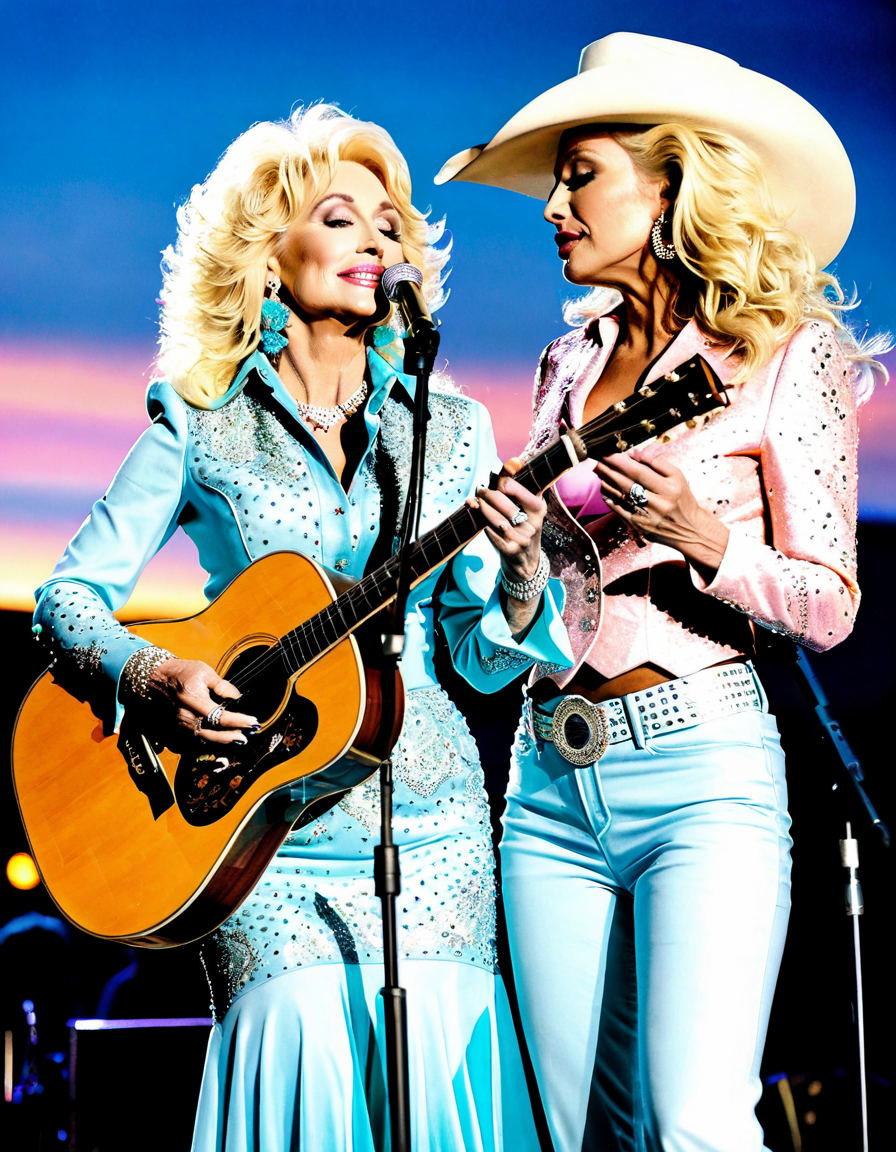
The end of traditional filmmaking as we know it is upon us, and it might just change everything. As we settle into 2026, the film industry stands on the brink of a new chapter. The curtains are drawing on the old ways, and a shiny new landscape is unfolding. Let’s dive into these pivotal changes that signify a seismic shift in storytelling, celebrity culture, and how we consume cinema.

The End of Traditional Cinema: 5 Defining Shifts That Are Changing Everything
1. Streaming Over Screens: The Streaming Giants Take Charge
Oh boy! Are we living in the age of streaming or what? Netflix, Hulu, and Disney+ have turned our living rooms into mini cinemas. In 2025 alone, Netflix boasted over 200 million subscribers, and their library of original films was more than ample for an all-nighter binge session. Traditional cinema chains like AMC are feeling the heat. Once the go-to spot for weekend outings, theaters are now battling dwindling ticket sales as we cozy up on the couch in our pajamas. The magic of cinema is now competing with the allure of popcorn at home!
2. Diversity in Storytelling: A Growing Demand for Authenticity
This is where it gets exciting! The industry is breaking away from its homogeneous past and embracing diversity more than ever. With movements like #OscarsSoWhite calling for change, films like Everything Everywhere All at Once and Black Panther have paved the way for stories that reflect a broader spectrum of voices. This pressing need for authenticity is evident; studios such as Universal Pictures and 20th Century Studios are now prioritizing projects that highlight marginalized narratives. Watch out, Hollywood! Authenticity is in, and the audiences are hungry for it.
3. Technological Innovation: The Cruelty of Reality Shows vs. the Magic of Virtual Reality
Talk about a tale of two worlds! On one hand, reality shows are dominating the airwaves, but on the other, technology like virtual reality (VR) is expanding the boundaries of storytelling. Younger audiences are diving into fantastical VR experiences that make a simple movie night seem downright dull. Platforms like Oculus are pushing boundaries, creating interactive stories that engage users in ways traditional films might struggle to replicate. Buckle up; we’re redefining film as we know it!
4. Celebrity Culture Shifting: Enter the Content Creator
Gone are the days when we solely admired Hollywood stars. Social media influencers are now stepping onto the big screen and taking the spotlight. Think Emma Chamberlain and MrBeast—these digital darlings bring millions of followers with them, shaking the very foundation of celebrity culture. Chamberlain’s acting debut didn’t just draw in fans; it spurned a tidal wave of cultural influence that captivated audiences. With this change, the connection between celebrities and fans feels more intimate, making studios sit up and take notice of these fresh faces for leading roles.
5. Lifecycle of Scripts: Fast-Tracking the Production Process
Timing is everything! Audiences no longer want to wait months—or even years—for films to hit theaters. They’re demanding quick releases, and that’s pressuring writers and studios to ramp up the development process. As a consequence, there’s been a spike in formula-driven efforts, which often compromises the depth of storytelling. Platforms like TikTok have birthed trends that directly influence how scripts come into existence. Films like Barbarian use unpredictable twists to capture viewers’ attention, but it also raises concerns about narrative quality. Is quick and catchy the new gold standard?
The Beginning After the End: Embracing New Norms in Film
Don’t pack your bags just yet; this is not the end! While traditional filmmaking may be waning, it opens the door to fresh opportunities. One of the most notable trends is the rise of hybrid releases—films that drop in theaters and on streaming platforms simultaneously. This model has given filmmakers, like Christopher Nolan with his grand adventure Tenet, an innovative way to connect with audiences who have diverse viewing preferences. Flexibility is key, allowing stories to be seen when and where audiences want.
This Is the End: Reflecting on the Past to Understand the Future
Even as we bid farewell to conventional filmmaking, let’s take a moment to reflect on what we’ve learned. The blockbuster model that ruled the late 20th century served its time well, but today’s viewers crave richer narratives. Iconic films like The Matrix and Pulp Fiction remind us that pushing creative boundaries often leads to remarkable success. The past doesn’t just fade away; it reshapes our paths, leading to even braver storytelling.
Just Like That: The Impact of Community and Fan Engagement
Hold onto your hats because community is playing a bigger role than ever! Audiences are no longer passive viewers but active participants in the cinematic experience. Social media platforms dedicated to franchises—looking at you, Marvel Cinematic Universe—allow fans to engage deeply, further enhancing their loyalty. Films like Spider-Man: No Way Home have harnessed crowd-sourced ideas, bringing together creators and fans in perfect harmony. It’s clear; the future of filmmaking may just be a collaborative effort where viewers have a hand in shaping the very narratives they cherish.
This Is Where I Leave You: The Path Forward in a New Landscape
So, let’s take a deep breath. The future of film might seem uncertain, but it’s brimming with possibilities. Filmmakers are tasked with going beyond the old storytelling frameworks, utilizing emerging tools and diverse voices. As the seasoned veterans begin to let go, the fresh perspectives of new creatives are set to change how we experience movies. The magic of cinema will adapt and thrive, blossoming into a new era that is not just about flashy effects and big budgets.
As we turn this page, let’s look forward eagerly to what happens next. The end of one era is merely the beginning of another—one that’s sure to be dazzling, challenging, and full of innovative ideas. So, let’s grab our popcorn, sit back, and leave the world behind as we dive into these vibrant new stories knocking at cinema’s door. The excitement has just begun!
The End: A Reflection on Film’s Final Act
As we witness the closure of iconic film series and the transition to new narratives, it’s fitting to look back on notable moments in cinematic history. Did you know that legendary actor Peter Mayhew, best known for his role as Chewbacca in Star Wars, actually started his career in a “B-movie” that was hardly a blockbuster? His towering presence brought a unique charm to the series, cementing his legacy as a beloved character. In contrast, the unpredictability of nature struck again with severe flooding in Yosemite National park, reminding us of how the world outside the silver screen can change just as dramatically as the narratives inside it.
The Changing Landscape of Stars
Transitioning away from the old guards of Hollywood opens doors to fresh faces and voices. Young talents are redefining what it means to be a star today. Take Matt Damon, for instance; he’s been a staple of action and drama for decades, proving that versatility is key in modern film. Speaking of versatility, the Bridesmaids cast shook up the industry with a hilarious story that broke norms and showcased female camaraderie in a fun, never-seen-before light. Who could forget the impact of comedians like Kristen Wiig and Melissa McCarthy, who have turned traditional roles on their heads?
Changing Tides in Themes
As we bid adieu to certain storylines, we can’t help but reflect on recurring themes in film—like the complexities of male-female dynamics. It’s a topic tackled by many, including those who have critiqued misogynistic portrayals in various films (misogynist)( that persistently echo outdated stereotypes. Yet, out of this discourse emerges artists like Toby Keith And Kenny Chesney, who, while primarily musical talents, tell stories that resonate with many moviegoers. They remind us that storytelling seeps into all corners of entertainment, leaving a lasting impression far beyond the cinema.
With such fluctuations in the industry, it’s essential to keep our fingers on the pulse. As we ponder How old Is Jerry jones (how old is jerry jones)( while watching dramatic shifts in celebrity influence, it becomes clear that the end of an era in film doesn’t imply a cessation; it heralds the dawn of new possibilities. Each farewell strengthens the ground for emerging innovators like Rob Thomson, whose new projects could very well define the future of cinema. Embracing the end means welcoming the new, and that’s a journey worth taking.