When Buffy the Vampire Slayer first hit our screens in 1997, no one could’ve predicted the cultural earthquake it would bring. Created by Joss Whedon, this series wasn’t just another supernatural drama—it forever altered the landscape of television and the ways we view heroism, particularly through the lens of a fierce young woman. Now, as we venture into 2026, it’s remarkable to look back at Buffy’s legacy and how her epic battles against darkness have shaped both storytelling and societal views on empowerment.
Buffy Summers, the Chosen One, embodies resilience as she takes on vampires, demons, and the very essence of evil itself, while also juggling personal struggles like friendships and love interests. The audience can’t help but find a piece of themselves in her journey. With a war cry that’s echoed through time, she teaches us that facing our fears can lead to empowerment. Her character shines as a beacon that challenges the conventional narrative of passivity, showing us how to rise against our own dark clouds.
Top 7 Lessons from Buffy the Vampire Slayer About Fighting Darkness
Buffy epitomizes strength. Every challenge she faces—whether it’s cracking skulls or dealing with teenage angst—reinforces the message that true empowerment comes from overcoming adversity. In her wild world, battles aren’t just against vampires; they reflect the fears and doubts many of us face daily.
The relationships Buffy builds with her friends—Willow, Xander, and Giles—highlight the imPortance of community. They prove that tackling the monstrous problems in life isn’t something you have to do alone. Working together magnifies strength, and that sense of solidarity resonates with viewers searching for their tribe in a chaotic world.
Buffy’s journey is fraught with tough decisions, just like in real life. She often finds herself caught between saving the world and nurturing her personal relationships. That ambiguity pushes viewers to reflect on their own lives, reminding us that sometimes choices are anything but clear-cut.
Knowledge is a significant weapon against evil in Buffy’s universe. Characters like Willow remind us that learning has real-world applications beyond school. The series champions education and critical thinking, inspiring fans to pursue knowledge actively, much like discovering the importance of intelligence type.
While Buffy fights external foes, her internal struggles are just as gripping. With story arcs that touch on themes of depression and guilt, the show emphasizes that personal battles are a crucial part of growth. Buffy’s journey opens the door to relevant discussions about mental health, making it clear that understanding oneself often requires facing their inner demons.
Buffy challenges the norms found throughout pop culture. While she possesses undeniable strength, she also reveals vulnerability, breaking the mold for female leads. This refreshing complexity inspired many modern heroines, such as Katniss Everdeen from The Hunger Games and Annalise Keating from How to Get Away with Murder, all wrestling with their worlds while asserting their power.
Buffy the Vampire Slayer continues to resonate with new audiences, often finding its themes reincarnated in various formats, including graphic novels and spin-offs like Angel. This adaptability showcases the universal appeal of Buffy’s fight, showing that the battle against darkness—both real and symbolic—is an eternal saga.

The Cultural Impact of Buffy the Vampire Slayer
The impact of Buffy the Vampire Slayer spreads far beyond its engaging storylines; it propels significant conversations about feminism and the nuanced complexities of morality. Academic debates and fan conventions often reference Buffy’s portrayal of female heroism, setting the stage for revolutionary shows like Jessica Jones and The Witcher.
One of the hallmarks of Buffy’s narrative is its dual function as entertainment and social commentary. No wonder it’s caught the attention of a trending audience, just look at how the TV landscape evolved with shows like P Valley season 3, which tackle themes of identity and power dynamics. Just as Buffy took action against the forces of evil, these newer narratives challenge viewers to reconsider their own perceptions of strength and resilience.
The Evolution of the Vampire Genre in Media
Whedon’s vision transformed not only Buffy’s character but the vampire genre itself. In an era where romanticized vampires, like those in Twilight and The Vampire Diaries, dominated, Buffy stood firmly against the grain. With humor, horror, and drama intertwined, she offered a cultural critique that reshaped the portrayal of vampires and societal shifts in media.
As we approach the 30th anniversary of Buffy the Vampire Slayer, it’s an opportune moment to analyze how its influence persists. Even though content applications have changed—with streaming giants producing new-age series—Buffy’s spirit lives on. This can be seen as new interpretations of the vampire lore infuse elements of depth, similar to the narrative style seen in Squid Games Season 3 and Love After Lockup.
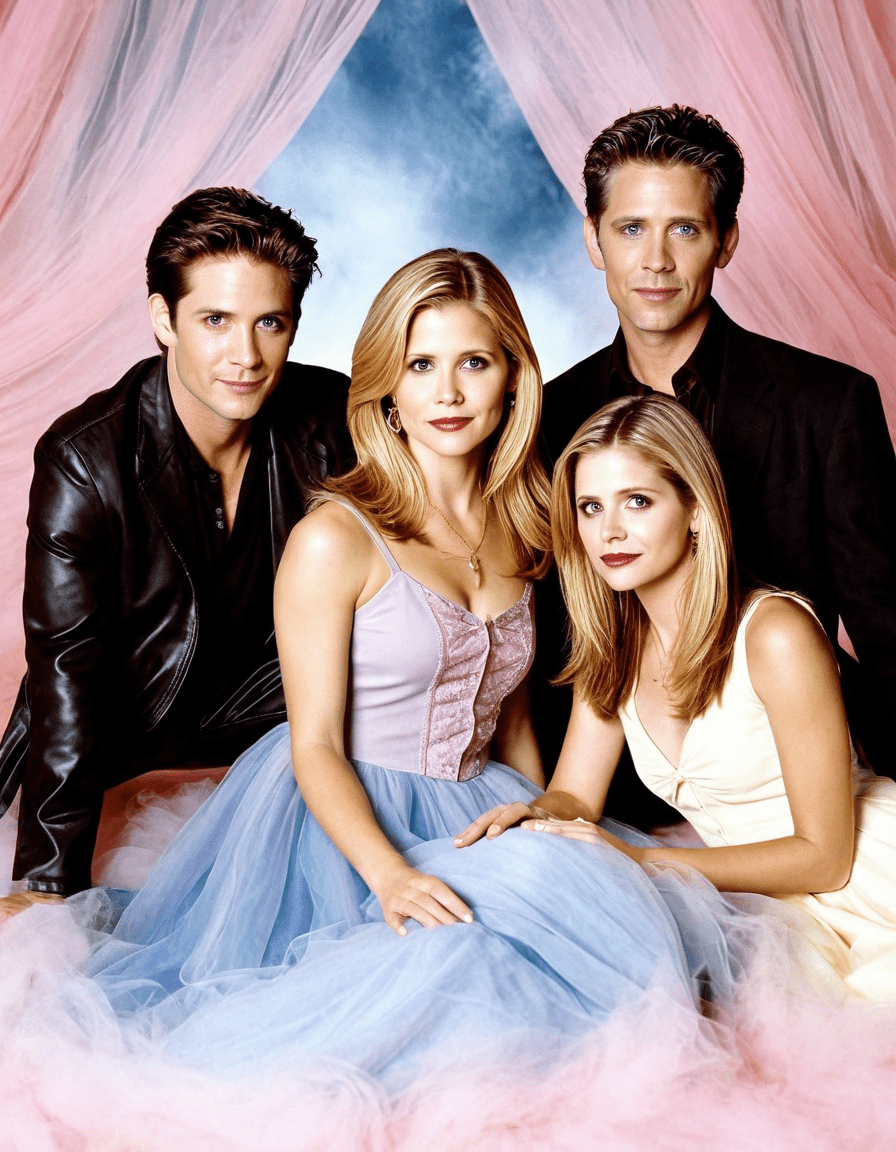
The Next Generation of Slayers
Buffy’s legacy continues to inspire young heroes today. Emerging characters in shows like Chilling Adventures of Sabrina bring forth new challenges while echoing the essence of Buffy’s fight against darker threats. These tellings aren’t direct clones, though—they engage with modern themes of privilege and social justice, ensuring that the discourse continues to evolve.
As we reflect on the impact of Buffy the Vampire Slayer, it’s clear that her narrative, filled with authenticity and complexity, paved the way for genuine character-centric storytelling. Buffy’s battles remind us that we’re all in a fight against darkness, both within ourselves and in our wider communities. As new generations find strength in her story, the imprint of Buffy’s journey remains bold and unyielding.
In a landscape where characters face multilayered conflicts, we must remember that Buffy’s story isn’t just about slaying vampires. It’s about fighting, supporting one another, and, ultimately, illuminating our paths through the darkest of times. So grab your stakes and get ready; the demons of reality are always lurking just around the corner!
Buffy the Vampire Slayer: Fun Trivia and Interesting Facts
The Slayer’s Legacy
Did you know that Buffy the Vampire Slayer has inspired a whole generation of shows and movies? One classic example is Jack Reacher, where the talented cast brought gritty characters to life, much like the diverse personalities in Buffy’s world! Created by Joss Whedon, the series introduced Buffy Summers, a high school girl chosen to battle vampires and other evildoers, blending supernatural elements with teenage drama. Whedon’s vision reflected nuances of life and Shadowing the depths of teenage trials while offering commentary on empowerment and intelligence type that resonates even today.
The Depth of Characters
Buffy’s crew wasn’t just about fighting—there’s substantial growth and development that viewers have loved, and it’s no wonder that fans have analyzed characters deeply. The development of characters like Willow, who evolves from a shy girl into a powerful witch, showcases the richness of the narrative. Such transformations can resonate with many, offering alternative Therapies For addiction parallels; the journey towards strength often involves overcoming personal demons. Also, fans might recognize that even villains like Spike have layers, becoming more relatable and complex over time.
Behind the Scenes
And speaking of characterization, it’s interesting to note that the iconic scenes often come from improvisation by the actors themselves! In fact, these spontaneous moments contributed to what we now call “Buffyverse” lore, shaping its legacy. Fans also love to compare Whedon’s approach to storytelling with various other genres, including humor—think about how The playfully engages with similar themes of introspection and personal growth. The show brilliantly combined horror and comedy while tackling serious issues, making it more than just another teen drama. As fans reminisce about the series, they might even think of the athletic prowess of Chris Webber in sPorts, which echoes Buffy’s martial arts skills as she deftly battles foes.
Buffy’s world continues to inspire new generations; her journey highlights resilience and strength that are vital today, weaving a lasting impact in pop culture. Embracing the struggles of life, much like the narrative evolutions of characters in the show, fans, and new viewers alike are drawn back into the spooky yet uplifting saga of Buffy the Vampire Slayer.