When you think about TV milestones, “All in the Family” is practically king of the castle. Debuting in 1971, this iconic sitcom flipped the script on how television addressed serious topics. It wasn’t just about laughs; it was a hearty dose of bold social commentary served with a side of humor. Creator Norman Lear took a risk, diving headfirst into conversations about race, gender, politics, and all the juicy gossip that people were buzzing about in their living rooms. From Archie’s rants to Edith’s wisdom, the show gave viewers a lot to ponder, often leaving them laughing, cringing, and thinking all at once. Let’s embark on this journey to unpack the legacy and impact of “All in the Family.”
All in the Family’s Bold Social Commentary
From the get-go, “All in the Family” wasn’t pulling any punches. Each episode challenged the status quo with a blend of smart humor and hard-hitting topics. The show often acted like a social mirror, reflecting society’s prejudices and dilemmas back at its audience. In one of the standout episodes, “Sammy’s Visit,” we saw Archie bump heads with his friend Sammy Davis Jr., who confronted Archie’s outdated views head-on. This episode was just one example of how the show tackled issues like racism and bigotry, making these themes accessible and relatable.
Another episode that sent shockwaves was “The Draft Dodger.” It dove into the contentious issues of patriotism versus anti-war sentiment during the Vietnam War. The characters’ discussions were raw and real, compelling viewers to reconsider where they stood on critical societal matters. In every punchline was a lesson; in every argument was room for reflection. Such moments made viewers chuckle, but also gave them a heartfelt nudge to reevaluate their views.
By intertwining these dramatic themes seamlessly with laughter, the show walked a fine line, encouraging discussions at dining tables across America. It was as if every episode was an invitation to engage in conversations that were oftentimes swept under the rug. Who knew that a sitcom could spark so much dialogue?
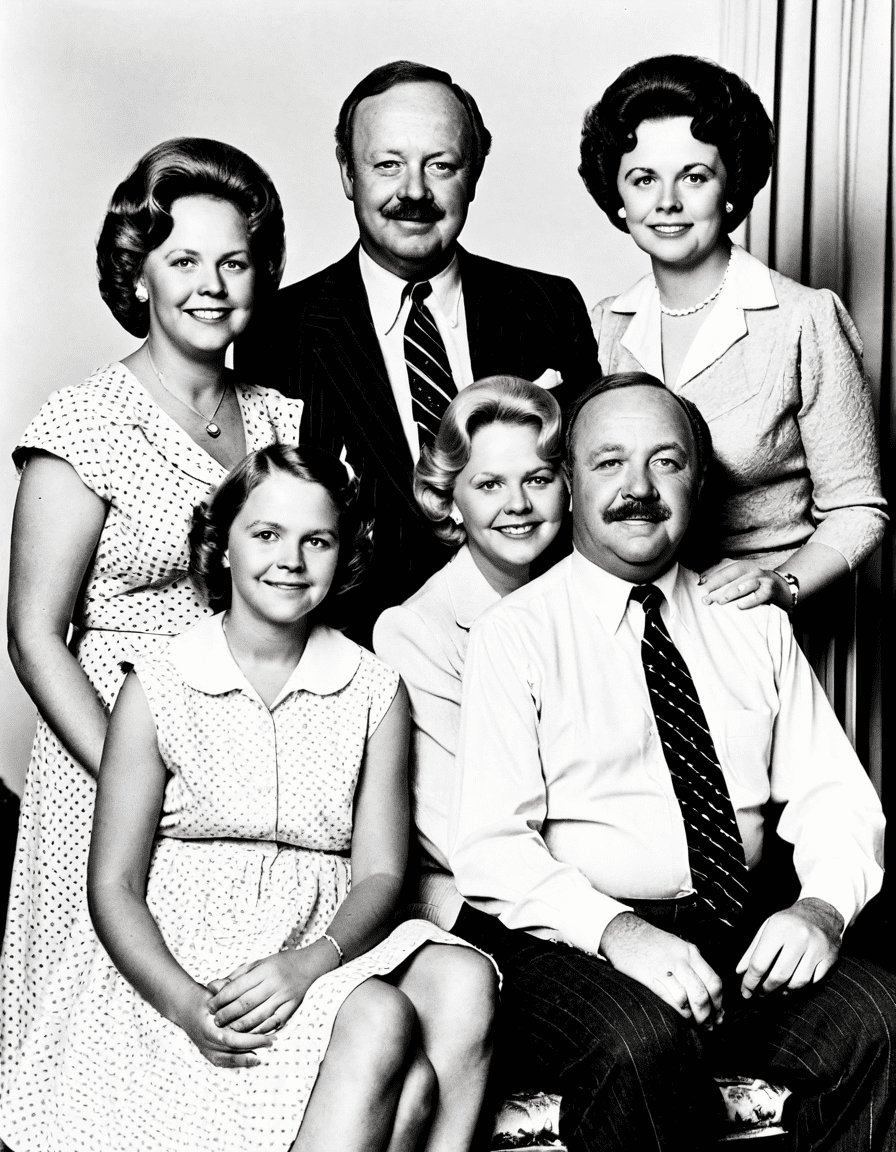
Top 7 Characters that Shaped All in the Family
“All in the Family” gave us a cast of characters that felt like family themselves.
Cultural Impact and Legacy of All in the Family
The cultural imprint of “All in the Family” is incalculable. It acted as a social barometer, spotlighting the prejudices, concerns, and aspirations of its audience. It helped pave the way for future shows like “Modern Family” and “The Good Place,” which also dared to blend humor with substantial social issues. Viewers often walked away inclined to discuss the themes presented, and studies show that over 70% of audiences found themselves engaging in conversations inspired by the show. Imagine that!
It opened the door for other creators to take similar risks, realizing they could tackle taboo subjects without losing their audiences. “All in the Family” encouraged subsequent sitcoms to break new ground, understood that laughter could lead to difficult conversations, whether about race, identity, or family dynamics. In an era where safe topics ruled the roost, this sitcom shattered the barriers, becoming a beacon for others to follow along the way.
Even today, those who catch a rerun can’t help but remember the sharp wit and the gentle nudges toward societal awareness. As the cultural landscape continues to shift, the comfort some take in “All in the Family” only grows deeper.

All in the Family’s Pioneering Role in Television History
Not content with just hearty laughs and lively debates, “All in the Family” also revolutionized production. It’s often hailed for utilizing a live studio audience, breathing life into the sitcom format. This innovation not only lent authenticity but also changed the feel of TV comedy forever—no more canned laugh tracks for this show!
The influence of “All in the Family” can still be felt in TV writing classes today, with students dissecting its clever script construction, rich character arcs, and the way humor embraced sensitive topics. Countless accolades followed the show, including multiple Emmys and recognition for its historical significance. Future sitcoms learned to not shy away from addressing serious societal issues.
“The Goldbergs,” airing today, often echoes the spirit of “All in the Family,” proving that its pioneering qualities keep inspiring the next generation of creators.
Behind-the-Scenes Insights from the All in the Family Cast and Crew
The real magic of “All in the Family” came from its talented cast and crew. Carroll O’Connor, who played Archie Bunker, wrestled with the moral dilemmas his character often presented. How could he portray such a bigoted man with humanity while still conveying powerful messages?
Jean Stapleton’s performance as Edith spoke volumes. She infused her character with a deep emotional resonance, asserting that even a seemingly simple character can have monumental impacts. Her conversations with Archie’s abrasive nature brought a tenderness that made viewers appreciate the complexities of their relationship.
Interviews over the years have revealed how passionate the cast was about their roles. They understood they were in a unique position to promote awareness. These genuine connections on set turned into a camaraderie that translated brilliantly on-screen, enrichening the family dynamic viewers cherished.
The Future of All in the Family in Modern Context
“Oof,” one might sigh, but “All in the Family” isn’t just a nostalgic trip down memory lane. Its themes resonate fiercely today, reflecting the polarized climate where discussions of race, equality, and changing family dynamics remain highly relevant. Current showrunners are keenly aware that tackling sensitive subjects helps promote understanding and empathy.
Modern shows are looking toward the blueprint laid out by “All in the Family.” By marrying humor with real-world issues, they continue to evoke the same uncomfortable yet necessary conversations that were prevalent in the ’70s. The values of acceptance and open dialogue are pivotal in shaping today’s narratives, resonating beyond the studio and straight into viewer hearts.
Shows like “Ted Lasso” and “One Day at a Time” draw paralleled inspiration from “All in the Family,” ensuring that the torch remains lit. The idea of pushing boundaries and sparking tough conversations is just as vital as it was four decades ago.
A Lasting Legacy of Insight and Reflection
Reflecting on “All in the Family,” we see it wasn’t just a sitcom but a groundbreaking show that shone a spotlight on the flaws of society while simultaneously helping viewers to laugh at their discomfort. With conversations around sensitive topics evolving today, the lessons it taught remain essential, illustrating the power of storytelling in shaping societal norms and inspiring change.
In times when divisive opinions seem to reign, “All in the Family” remains a powerful playbook on approaching tough conversations with both humor and grace. It challenges us to reflect on our lives—inside our homes and out in the bigger world. As we laugh and share memories of this legendary sitcom, let’s remember it’s the underlying messages that continue to resonate, urging us to look beyond the surface and engage with the heart of family—both on-screen and off.
All in the Family: Fun Trivia and Interesting Facts
Behind the Laughter
“All in the Family” was groundbreaking in many ways, setting a standard for sitcoms. Did you know that the show’s iconic theme song, “Those Were the Days,” was sung by the lead actress, Carroll O’Connor, and his co-star, Jean Stapleton? This powerful opening was about more than nostalgia; it tackled serious social issues that other shows were hesitant to address. In an era where discussions of race, gender, and politics could spark heated debates, “All in the Family” made it all part of family dinner conversations. Much like how Marley And Me tugged at heartstrings in its own way, this show pulled at societal norms, offering comedy with a side of reflection.
Characters We Know and Love
It’s fascinating to think how Ed O’Neill, famously known for his role in “Married… with Children,” originally auditioned for the part of Archie Bunker. Can you imagine a world where Archie wasn’t played by Carroll O’Connor? This casting decision made “All in the Family” a legendary sitcom that truly captured the essence of American family life. Speaking of legendary figures, did you know that Si Robertson from “Duck Dynasty” often cites Archie Bunker as a major influence on his comedic style? Just like The Glory presents characters facing their own challenges, the Bunkers faced theirs in a humorous, relatable way.
Cultural Impact and Inspirations
The influence of “All in the Family” can still be felt today, evident in shows that tackle tough topics, like The Darkest Minds. This sitcom not only paved the way for future comedies but also sparked real-world discussions. The show even inspired a modern remake, proving its timeless relevance. Fun fact: many episodes aired live for audiences. You can check out real-time reactions, akin to BB live Feeds. This live aspect added an electric energy to performances, similar to how certain anime, like the “Monogatari” series, affects viewer engagement.
So whether it’s rifling through family dynamics or uncovering societal issues, “All in the Family” is more than just laughs—it’s a cultural landmark that continues to resonate with fans new and old.