The Zodiac Killer still haunts the internet and cold-case boards decades after the San Francisco Bay Area murders began, and the noise around suspects, ciphers and forensic breakthroughs keeps growing. Read this if you want crisp, up-to-date context-no conspiracy fluff-about what investigators actually proved, what remains wishful thinking, and why 2026 might be the most consequential year yet.
Zodiac Killer - 1) Z340 cipher breakthrough: how David Oranchak, Sam Blake and Jarl Van Eycke cracked the code
Quick snapshot - Z340’s history (sent to San Francisco Chronicle, 340-character cipher received Nov 1969; unsolved until 2020)
| Field | Details |
|---|---|
| Name / Alias | Zodiac Killer (self-identified name signed in letters with a cross‑circle symbol) |
| Active period | Late 1968 – early 1970s (primary confirmed attacks 1968–1969); letters continued intermittently into the 1970s |
| Area of activity | Northern California: Vallejo, Benicia, Napa County, Lake Berryessa (Napa County), San Francisco |
| Confirmed victims (fatalities) | 5 confirmed killed: David Faraday & Betty Lou Jensen (Dec 20, 1968, Vallejo); Darlene Ferrin (later) & Paul Stine (Oct 11, 1969, San Francisco); Cecelia Shepard (stabbed Sept 27, 1969, died later). Michael Mageau and Bryan Hartnell were wounded and survived their attacks. |
| Suspected victims / claimed total | Zodiac claimed to have killed 37 people in letters; investigators have linked additional unsolved cases over time, but only the five above are widely accepted as confirmed Zodiac murders. |
| Modus operandi / signature | Random attacks on couples (shootings/stabbings) and a public shooting (taxi driver Paul Stine); taunting communications to police and press; used a distinctive cross‑circle symbol; sent cryptograms (ciphers) demanding publicity. |
| Communications / ciphers | Multiple letters and postcards sent to newspapers and police in 1969–1974, including several ciphers. The 408‑character cipher (Z408) was solved; the 340‑character cipher (Z340) remained unsolved for decades (a private team published a proposed solution in 2020, but it did not produce an identity universally accepted by authorities). Shorter ciphers (e.g., Z13, Z32) remain unresolved. |
| Forensic developments | Partial DNA profiles have been extracted from stamps/envelopes and other material, but no confirmed match identifying the killer has been publicly reported. Investigation involved multiple law‑enforcement agencies and periodic reexaminations with modern techniques. |
| Major suspects | Several individuals have been publicly proposed (most notably Arthur Leigh Allen in earlier investigations and media; a group of private investigators named Gary Francis Poste in 2021). No suspect has been charged or convicted as Zodiac; no identity has been legally confirmed. |
| Investigation status | Unsolved cold case with periodic active leads and media attention; many files archived across local and federal agencies. Official investigations continue sporadically but no conclusive resolution has been announced. |
| Cultural impact | Extensive: books (notably Robert Graysmith’s works), documentaries, feature films (e.g., David Fincher’s 2007 film “Zodiac”), true‑crime coverage, and ongoing public fascination influencing popular culture and amateur investigations. |
| Notable dates | First known attack: Dec 20, 1968 (Faraday/Jensen); widely publicized letter/cipher campaign began mid‑1969; last widely discussed letters dated early‑to‑mid 1970s. |
| Legal / public safety note | Numerous later letters and claims have been assessed as hoaxes by investigators. Because the case remains unsolved, caution is warranted when evaluating suspect claims or purported solutions. |
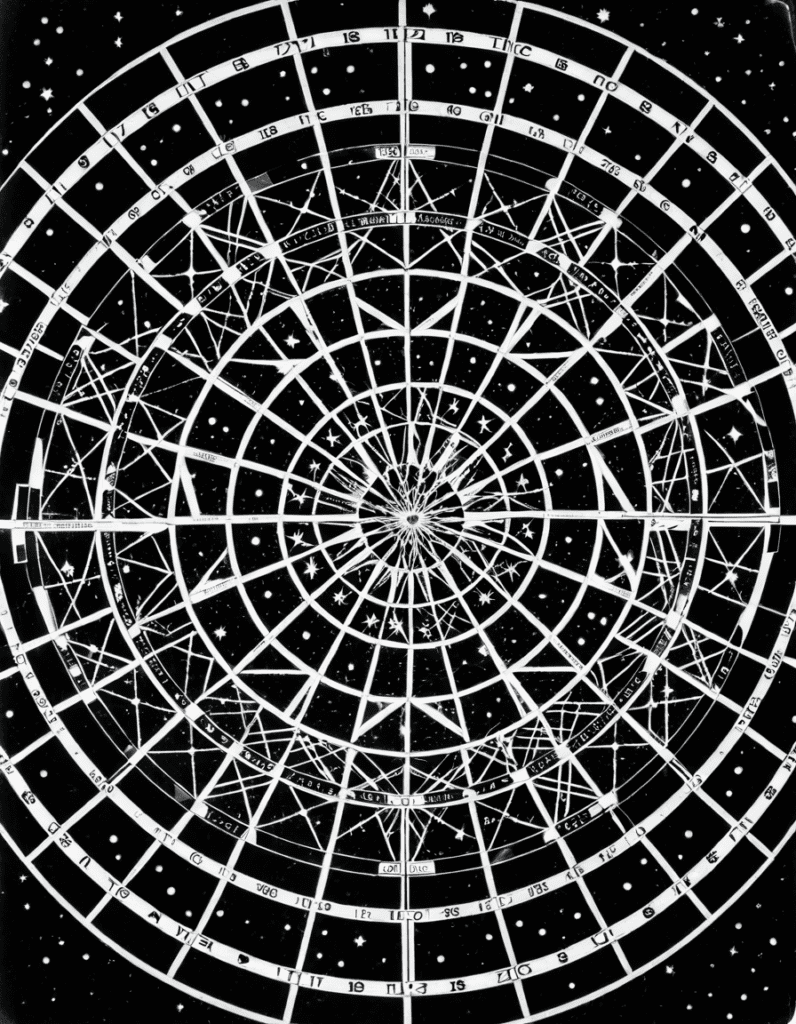
The Z340 cipher arrived at the San Francisco Chronicle in November 1969 and taunted police for half a century. For decades it sat alongside the earlier Z408 cipher (decoded in 1969 by Donald and Bettye Harden) as one of the case’s most cryptic pieces of evidence. The Z340’s format and complexity made many test solutions impossible to validate unambiguously, so experts treated it as a prize piece of unsolved code rather than an immediate key to the killer’s identity.
The message’s physical provenance-typed and mailed to a newsroom-meant it carried both the psychological intention of provocation and the forensic hope of trace evidence. Over the years, cryptographers, hobbyists and seasoned profilers tried pattern-matching and substitution techniques, but the breakthrough needed new computational horsepower plus fresh assumptions about the cipher’s structure.
By late 2020 the unsolved cipher stopped being only a symbol of the Zodiac’s clever cruelty and became a solved artifact that illuminated his tone and limits, even while refusing to deliver a name.
The solver trio - credits to David Oranchak, Sam Blake and Jarl Van Eycke (December 2020 announcement)
In December 2020, software developer and hobbyist cryptanalyst David Oranchak, mathematician and programmer Sam Blake, and Belgian computer programmer Jarl Van Eycke announced they had decoded Z340. Their collaboration combined public-domain computational tools with linguistic reading to produce a plaintext that matched expectations for intentional taunting. The announcement made headlines because the team used publicly available resources and transparent methods-no secret government lab was needed.
Their method and public write-ups allowed independent verification, which matters hugely in cold-case work where replication distinguishes robust findings from wishful guesses. The trio’s work restored some confidence that open-source cryptanalysis can still outpace closed-door efforts in historical puzzles.
Method in plain terms - computer-assisted pattern search, linguistic intuition and novel transposition assumptions (how it differed from the 1969 Z408 solve by Donald & Bettye Harden)
Put simply: the trio treated the Z340 as a substitution cipher layered over a transposition-letters were not only swapped but also rearranged. They used computers to search massive combinations of permutations and then applied human linguistic intuition to the results, looking for English phrases, punctuation patterns and psychological voice consistent across known Zodiac letters.
That differed from Donald and Bettye Harden’s 1969 Z408 work, which used a straightforward substitution approach suited to that message’s structure. The Z340 needed new transposition hypotheses-think of it as solving a two-layer puzzle instead of one. The solver trio’s publicly documented code let others run the same permutations and reach the same answer, validating the method.
Why it shocked investigators - what the plaintext revealed (tone, content, limits) and what it did not reveal about the killer’s identity
The plaintext confirmed the Zodiac’s mocking, attention-seeking voice and contained phrases meant to frustrate authorities-It taunted rather than confessed. Crucially, it did not hand investigators a name, location, or dateable self-reference that would identify the author. In practical terms, the Z340 clarified motive and temperament more than identity.
That shocked cold-case professionals because the cipher was powerful evidence of the killer’s methods-he wrote to boast and puzzle-but it did not provide the DNA, fingerprints, or unique biographical detail that would allow a conclusive legal case. The Z340 was a window into personality, not a doorway to prosecution.
2) Why Arthur Leigh Allen still divides experts
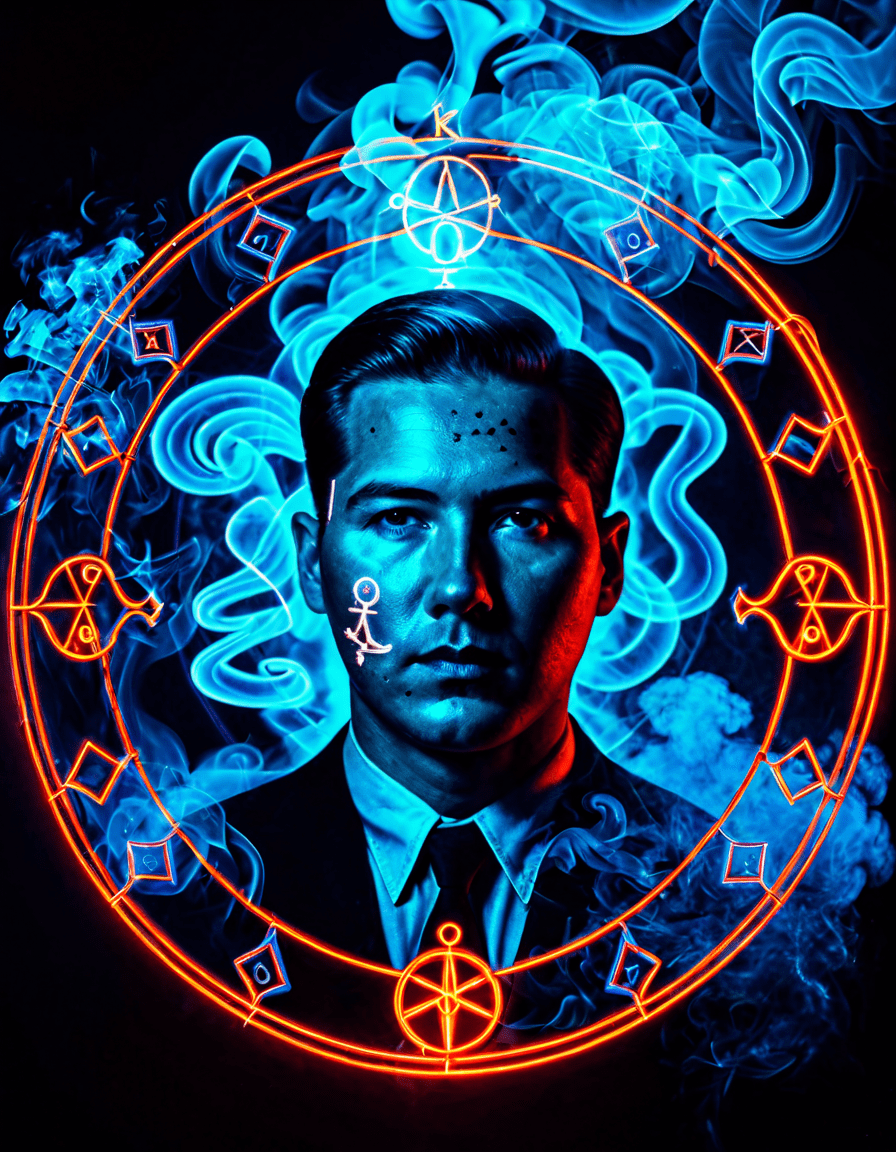
The Graysmith effect - Robert Graysmith’s books (Zodiac, 1986) and how they cemented Allen in public imagination
Robert Graysmith’s books and subsequent media presence did more than tell a story-they helped create a narrative hero and villain. Graysmith emphasized Arthur Leigh Allen as the most likely suspect, weaving together circumstantial facts into a persuasive, bestselling argument that entered public imagination and informed later dramatizations. For many readers, Graysmith’s narrative remains the most accessible roadmap of the case.
That influence amplified interest in Allen’s biography and kept his name in the conversation despite the lack of a formal charge. Graysmith’s work shows how compelling storytelling can shape investigative focus, for better and worse.
Evidence for and against - circumstantial ties (Allen’s alleged obsession, alleged possession of a Zodiac watch), board-game of witness descriptions, and the 1990s–2000s forensic follow-ups
Allen had circumstantial markers: acquaintances testified to odd behavior and alleged obsessions, some witnesses’ descriptions overlapped with composite sketches, and items like watch references (the Zodiac-themed watch became a cultural shorthand) were pointed to as suggestive. But these ties were never airtight. Witness memory is fallible; composite sketches and clothing reports-sometimes noting trivial details like Knee high Socks Or a jacket-can mislead a public hungry for pattern.
Over the 1990s and 2000s, forensic follow-ups-handwriting analyses and limited DNA testing on envelopes and stamps-failed to provide a definitive link to Allen. In short: the case against Allen was compellingly circumstantial in places and weak in places that mattered most for conviction.
Death and debate - Allen’s 1992 death, later handwriting and DNA comparisons and why law-enforcement verdicts stayed inconclusive
Allen died in 1992, which closed the door on traditional prosecution but not on historical certainty. Subsequent handwriting analyses produced mixed opinions, and DNA comparisons using degraded material from stamps and envelopes were either inconclusive or matched unknown profiles. Because forensic matches were partial and contamination remained a constant risk with decades-old evidence, law enforcement could not declare the matter solved.
The lack of a court-admissible, incontrovertible match left the official stance cautious: Allen remains a viable suspect for some but not a confirmed Zodiac.
Modern reassessments - how investigators and true-crime historians treat Allen today
Today, most professional investigators treat Allen as a historically significant suspect but not a closed-file solution. True-crime historians debate him vigorously, and public opinion remains split-partly because human storytelling prefers a single villain. Modern reassessments emphasize the need for forensic evidence above narrative conviction: a great book or film can convince readers, but DNA, irrefutable timelines, or a signed confession are what change legal outcomes.
3) Inside the ‘Case Breakers’ Gary Poste accusation - claim, controversy, pushback
What the Case Breakers announced (October 2021): Gary Francis Poste named as primary suspect; key public allegations
In October 2021 the self-styled group the Case Breakers named Gary Francis Poste as their primary Zodiac suspect, pointing to facial scars, alleged timeline matches and circumstantial links to locations. Poste had served in the military and died in 2018; the team argued that archived photos and forensic observation fit a profile consistent with Zodiac-era witness statements.
Their announcement grabbed headlines because it was an independent group’s attempt to close the narrative using publicly presented evidence, not a covert tip.
The evidence offered - scars, photo comparisons, alleged links to locations and timeline; Poste’s death in 2018
The Case Breakers emphasized scars on Poste’s forehead, photo comparisons to composite sketches, and alleged he was near key crime scenes during relevant periods. They cited third-party documentation and some family-sourced photos as suggestive. Poste’s death in 2018 complicated possibilities for legal follow-up but did not stop the group from pressing their claim.
Reactions from pros - Paul Holes and other former investigators raising methodological and evidentiary concerns; law enforcement statements
Veteran investigators like Paul Holes publicly criticized the Case Breakers’ methodology, pointing to selective evidence, reliance on photographic matching without rigorous statistical validation, and the dangers of confirmation bias. Law enforcement agencies responded cautiously: some departments noted they had no new, admissible evidence warranting reopening charges, while others welcomed any information that could be corroborated with lab work.
This episode highlighted how independent sleuthing can produce useful leads but also how it can mislead a public desperate for closure-much like mistaking a popular culture digression for solid proof (searches sometimes surface unrelated names like Hong Eun Chae That have nothing to do with the investigation).
Media ripple effects - how independent sleuthing can help and how it can mislead a public still wanting closure
Independent groups can surface overlooked documents, spark new attention and sometimes pressure law enforcement to re-test evidence with modern tools. But they also risk amplifying unverified claims, overwhelming families with publicity and wasting investigative resources. The Case Breakers episode became a cautionary tale: energetic amateur work helps only when paired with rigorous forensic validation and cooperative law-enforcement follow-through.
4) Where DNA, genealogy and the limits of evidence stand in 2026
What’s been extracted - preserved stamps, envelopes and scene material that produced partial DNA profiles over the decades
Investigators preserved letters, envelopes and some scene material across decades; these items have yielded Partial, degraded DNA profiles At times. Stamps and envelope seals are the most promising sources because they were less exposed to environmental degradation. However, contamination from handling before modern evidence protocols means profiles are often mixed or incomplete.
These fragments can hint at a family line or rule suspects out, but they rarely meet the high bar of single-source, court-ready identification without corroborating evidence.
The genealogy playbook - lessons from the Golden State Killer (2018) and why Zodiac is technically harder (degraded samples, mixed DNA)
The 2018 Golden State Killer case showed how investigative genetic genealogy can solve decades-old crimes, but Zodiac presents harder technical problems. Samples are often more degraded, mixed, or contaminated, and the killer mailed taunting letters that may have transferred touch DNA from multiple people. Family-tree hunting also risks false leads if profiles are partial or belong to distant relatives in dense population areas.
Still, the technique remains a viable pathway-if forensic labs can extract sufficiently reliable markers and if investigators can ethically and legally pursue matches.
Law enforcement posture - SFPD, Vallejo PD, Napa County and the FBI: what agencies have publicly said about genetic leads
San Francisco Police Department, Vallejo PD and Napa County investigators have all stated they remain open to legitimate DNA leads but cautious about premature public declarations. The FBI historically offered technical assistance and advised careful chain-of-custody protocols; in public statements, agencies have underscored that any naming requires corroboration beyond a partial profile.
That posture reflects a reasonable tension: agencies want to solve the case but must avoid wrongful accusation based on incomplete genetic signals or press-driven pressure.
Privacy and legal tensions - public databases, law-enforcement access rules, and the 2020s policy changes that affect investigation routes
Genetic genealogy depends on public and semi-public databases, and policy changes in the 2020s tightened access and disclosure rules, raising privacy debates. Platforms have updated Terms of Service about law-enforcement use, and courts have wrestled with what constitutes reasonable search when investigators use third-party genealogy tools. These legal shifts can speed or slow a cold-case path depending on jurisdictional rules and company policies.
The net effect in 2026: genealogy is powerful but legally and ethically constrained-agencies must balance public safety with individual privacy rights.
5) What victims’ families want you to know: Paul Stine, Bryan Hartnell, Michael Mageau and the human toll
The names behind the headlines - David Faraday, Betty Lou Jensen, Darlene Ferrin, Michael Mageau (survivor), Cecelia Shepard (killed), Bryan Hartnell (survivor), Paul Stine (killed)
Behind every sensational headline are real people: David Faraday and Betty Lou Jensen were the earliest fatalities, Darlene Ferrin and Michael Mageau were shot at Lake Berryessa in a brazen daytime attack (Mageau survived), Cecelia Shepard died and Bryan Hartnell survived that incident, and Paul Stine-a cab driver-was murdered in San Francisco. These names deserve dignity beyond their file numbers.
These victims and survivors shaped the early investigation through brave testimony and long-term presence in the public record.
Family perspectives - fatigue with speculation, trauma from publicity (statements from families over the decades), and calls for respectful reporting
Families have repeatedly expressed fatigue with speculation and unwanted attention. Many have issued public statements pleading for respectful reporting-trying to protect private grief from viral theory mills. Sensational leaks and repeated retellings reopen trauma. Responsible outlets balance public interest with compassion.
Reporters covering the case should heed victims’ pleas and focus on verifiable facts over speculative narratives that generate clicks but cause harm.
Victim testimony that mattered - Michael Mageau and Bryan Hartnell’s survivor accounts and how they shaped early suspect descriptions
Survivors Michael Mageau and Bryan Hartnell provided crucial early descriptions that informed composite sketches and timelines. Their testimony included details of clothing, voice and vehicle that framed early investigations; over time, memory degradation and inconsistent reporting created both leads and confusion. Nonetheless, their frontline accounts remain indispensable to any serious historical reconstruction.
Investigators must weigh the value of survivor testimony against memory’s natural limits-especially decades after the events.
What closure would look like - legal, emotional and practical realities for families now
Closure for families can mean different things: a prosecutable case, conclusive DNA proof, or simply a public, evidence-backed answer. Legally, prosecutors need admissible evidence; emotionally, families want truth and recognition without enduring re-traumatization. Practically, closure also involves memorialization, support services and, in some cases, financial or legal remedies. Respectful, transparent communication from investigators is a key demand families consistently express.
6) How Hollywood, Robert Graysmith and podcasts turned Zodiac into modern myth
From Chronicle cartoons to bestseller - Robert Graysmith’s influence on the narrative and public appetite
Graysmith’s original Chronicle background and later bestselling books fused journalism with memoir and investigative passion, shaping the widely held image of Zodiac as an inscrutable genius. That narrative formula-crime, mystery, obsession-feeds the public appetite for intricate storytelling and helped the case migrate from police files into cultural myth.
The result: interest that sustains both productive inquiry and unproductive mythologizing.
David Fincher’s Zodiac (2007) - cultural impact: Jake Gyllenhaal, Robert Downey Jr. And the film’s portrayal of obsession and investigation
David Fincher’s 2007 film Zodiac, starring Jake Gyllenhaal and Robert Downey Jr., dramatized the slow burn of investigative obsession and the human cost of chasing a phantom. The film didn’t solve the mystery-intentionally-but it pulled a modern audience into the obsession narrative and foregrounded procedural detail, which reenergized amateur sleuthing and academic interest alike. For readers wanting actor filmographies, see our coverage of Lewis pullman Movies And tv Shows And Will smith Movies And tv Shows For broader film context.
The podcast/streaming age - true-crime series, documentaries and social-media sleuthing: benefits and distortions
Podcasts and streaming documentaries have democratized access to archival records and eyewitness accounts, often pressuring agencies to revisit cold leads. But they also accelerate rumor and reward sensationalism. The internet’s amplified rumor mill can produce promising crowdsourced tips and hazardous misinformation in the same breath-like a long-running pop-culture side show that distracts as much as it illuminates.
Pop culture’s appetite is relentless: while fans watch the latest guilty-pleasure TV or even fluff events like Puppy bowl 2025 On game day, they simultaneously revist grim historic cases, sometimes respectfully, sometimes not.
The investigative cost - how dramatization can shape (and sometimes misdirect) amateur and official inquiry
Dramatization humanizes the story but can distort chronology and emphasize character traits for emotional punch. That can misdirect amateur investigation, pressure prosecutors into premature statements, and overwhelm victims’ families. The entertainment-industrial complex thrives on unresolved mysteries; journalists and creators owe a duty not to weaponize narrative at the expense of truth.
Even fanciful detours-analogies that span from video-game AI parallels to geopolitical distractions like the shifting attention one sees around the Poland belarus border-show how public attention migrates away from careful investigation toward the next viral spectacle.
7) 2026 stakes - why new forensics, AI and policy battles matter for finally moving the needle
New tools on the horizon - improved degraded-DNA recovery, AI-assisted handwriting and pattern analysis, and fusion of old evidence with modern tech
By 2026 laboratories have better methods to extract minuscule DNA fragments and software that can de-noise mixed samples. AI-assisted handwriting and pattern-analysis tools can flag consistent idiosyncrasies in letters and symbols faster than a human reader-though they require expert oversight. Combining these tools with historical chain-of-custody rigor offers the best chance to extract usable leads from decades-old mail.
Still, technology is only as good as the evidence’s physical integrity and the procedural care that preserves it.
Risks of false positives - lessons from past misidentifications and the need for rigorous peer review (why independent verification matters)
Advanced tools can yield convincing but incorrect matches if not peer-reviewed. False positives in genealogy or AI matches have led to wrongful suspicion in other cases. The Zodiac investigation can ill afford another misidentification; that’s why independent replication and adversarial testing matter. Good science demands transparent methods, blind testing and public peer review before a suspect’s name crosses from tip to headline.
Reporters should resist the allure of a single “slam-dunk” story and insist on reproducible science.
Policy and public will - database access rules, cross-jurisdiction cooperation (SFPD, Vallejo PD, Napa County), and funding priorities in cold-case work
Solving a case that spans jurisdictions requires cooperation and political will-shared databases, funding for genetic and forensic labs, and clear policies for privacy. Access rules for consumer genetic databases may tighten or loosen depending on legal challenges and public opinion, and agencies must negotiate those shifts. Funding priorities also matter: forensic improvements cost money, and cold-case squads often compete with active-crime needs for limited resources.
A coordinated strategy between SFPD, Vallejo PD, Napa County and federal partners, backed by appropriate funding, would materially improve prospects.
The final ask - what a responsible path to resolution looks like in 2026 (carefully validated science, respect for victims, transparent law-enforcement updates)
If 2026 brings a credible breakthrough, it will rest on three pillars: validated science (replicable DNA/genetic and forensic results), respect for victims and families (no public spectacle without consent and sensitivity), and transparent, careful law-enforcement communication. The path forward rejects haste and rumor in favor of methodical verification, and acknowledges the human cost even as it pursues justice.
Bold facts to remember:
– The Z340 is decoded, but it did not name the killer.
– Arthur Leigh Allen remains a debated, not convicted, suspect.
– Independent claims (like the Case Breakers’ Poste theory) require rigorous forensic corroboration.
If you want cinematic context while digesting the case’s cultural spread, remember mainstream entertainment lenses-whether a rigorous Fincher drama or pop-culture rabbit holes-shape how we perceive cold cases as much as the raw facts do; sometimes the diversion is harmless, sometimes it’s ruinous, and sometimes it points investigators in unexpected directions (from courtrooms to virtual battlefields, even trending items like Battlefield 2042 Occupy public attention). Meanwhile, the investigation remains a technical, legal and ethical challenge-one that advances only when science, policy and compassion align.
Zodiac Killer: Jaw-Dropping Trivia
Strange codes that hooked the public
The Zodiac Killer sent taunting letters and ciphers to newspapers, and one of those puzzles-the infamous 340-character cipher-was partly cracked by amateur sleuths decades later, proving hobbyists can move a case forward when officials stall. Researchers have long argued the Zodiac Killer’s letters reveal patterns in language, timing and boasting that helped narrow but never nail a suspect; that lingering uncertainty keeps the mystery alive. Odd tidbit: collectors and true-crime buffs obsess over every physical clue, even peripheral items like watches, which turn up in interviews and gossip more than they do in evidence, a reminder that side details often distract from hard proof.
Victims, vehicles and persistent theories
The confirmed attacks attributed to the Zodiac Killer clustered in late 1960s Northern California-couples in parked cars, a night-time ambush pattern that forced police to change procedures and public behavior almost overnight. Forensics advanced, DNA testing improved, and still the Zodiac Killer name stayed in headlines because letters kept arriving; those communications shaped suspect lists and fed pop-culture obsession. Quirky aside: technicians and collectors sometimes catalog odd maintenance practices or tools linked to cases, from camera gear to lab supplies-small practical notes that can matter in a cold case file, prompting fans to ask practical questions like, what is used to preserve evidence or gear maintenance, which, oddly enough, turns up in equipment logs rather than crime theories.
This article was produced with AI assistance. How Motion Picture Magazine uses AI.
Motion Picture Magazine writes for Motion Picture Magazine - movies, celebrity gossip, entertainment news, style and best shows.