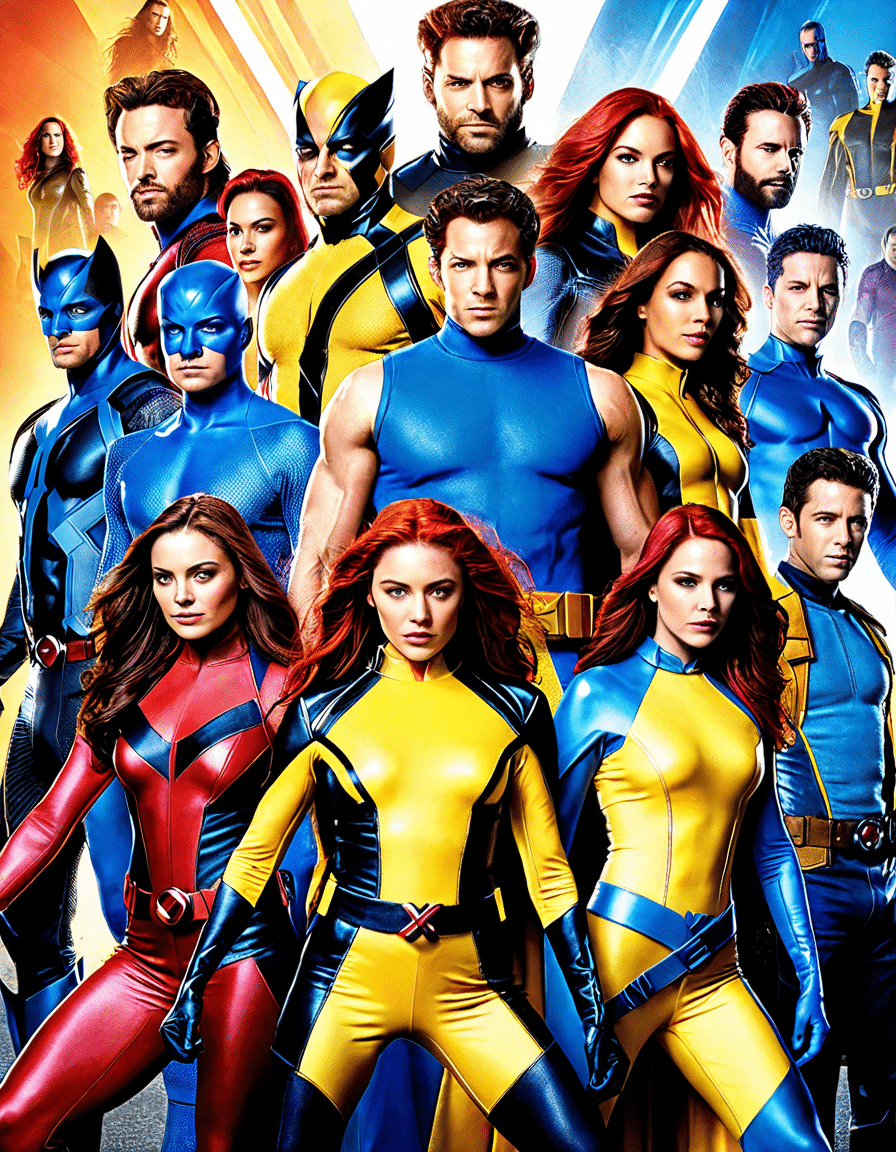
The X Men franchise has taken the comic book world by storm, setting a remarkable standard through its daring narratives and a refreshing approach to diversity and inclusion. Born in the early 1960s, thanks to the creative minds of Stan Lee and Jack Kirby, the X Men have become more than just superheroes. They stand as powerful symbols for marginalized communities, highlighting critical issues like racism, intolerance, and acceptance in our societies. So, buckle up as we explore how the X Men have smashed stereotypes and transformed the comic scene as we know it!
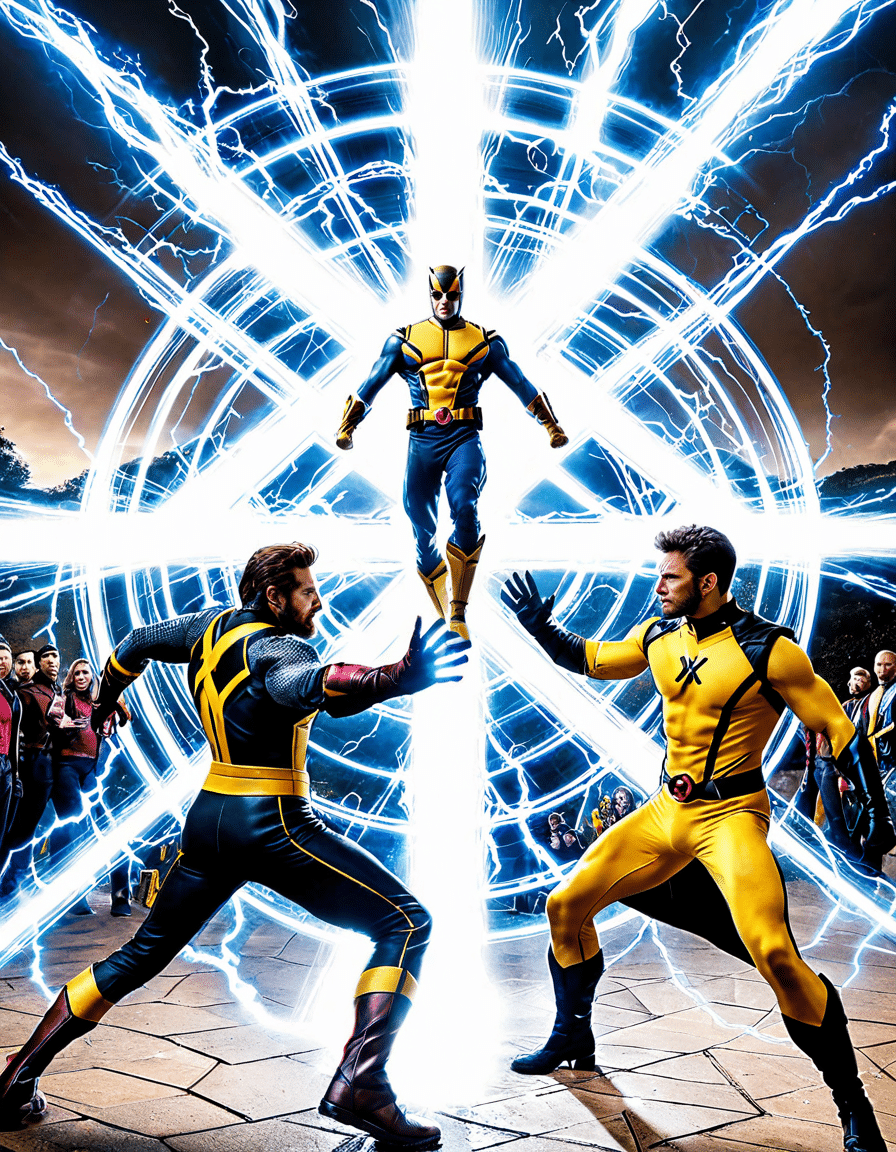
X Men: Pioneers of Diversity and Inclusion in Comic History
From the very beginning, X Men stories have mirrored real-world struggles faced by marginalized groups. The primary theme revolves around the struggle for acceptance, resonating deeply with anyone who’s ever felt different or out of place. In a world where societal norms frequently dictate who belongs and who doesn’t, the X Men provide a roadmap for understanding and embracing diversity. It’s like stepping back in time and realizing that the fight for acceptance is as relevant now as it was back when the first issue hit the stands!
The characters’ journeys often parallel those of marginalized individuals facing discrimination. For instance, the X Men embody the complexities of identity with characters representing various racial, gender, and sexual identities, proving that heroism knows no bounds. Isn’t it inspiring how the comics invite readers to rethink their views, confront biases, and engage in crucial discussions surrounding tolerance and acceptance? These comic book simply rocks in its power to connect with our collective humanity!
Top 7 X Men Characters Who Redefined Superhero Narratives
Now, let’s dive into some of the standout characters who have not only become fan favorites but have also changed the superhero game forever!
As the founder of the X Men, Professor X represents the dream of harmony between humans and mutants, tackling issues like acceptance and division. He’s the optimistic captain steering the ship through turbulent waters, challenging us to think about leadership in a world rife with conflict. His character often finds himself in moral dilemmas, making those tough choices that leaders face when striving for change.
Magneto’s compelling journey from Holocaust survivor to a formidable mutant leader portrays the thin line between aggressive resistance and peaceful protest. Shaped by his past pains, Magneto sheds light on the complexities of responses to oppression. His story asks us the big question: how do we balance the need for resistance with the pursuit of peace?
Here comes Storm—the trailblazer for Black female superheroes in comics! Ororo’s transformation from an orphan to a powerful leader shows how resilient she is. Her character explores the themes of race, gender, and empowerment, allowing readers to witness the strength that diversity brings. Plus, who wouldn’t want to wield the power to control the weather?
Clawing his way into our hearts, Wolverine challenges the conventional superhero molds with his rugged individuality and deep inner struggles. He’s not just a guy with sharp claws—his character reveals how personal history and trauma shape who we are. Let’s face it; we all love a character with a little edge!
Starting off with considerable fear of her abilities, Rogue’s evolution into a figure of self-acceptance is nothing short of inspiring. Her history speaks volumes about overcoming the past and learning to find a sense of belonging in a community. If there’s one thing Rogue teaches us, it’s that redemption is possible for everyone.
Sporting blue skin and a knack for teleportation, Nightcrawler encapsulates the idea that true worth comes from within. His deep faith and search for acceptance resonate with anyone who’s ever felt out of place. Nightcrawler really serves up a hearty helping of spirituality and moral questioning, don’t you think?
Enter Kitty, the relatable teen mutant figuring out life alongside her X Men peers. She’s the embodiment of youthful struggles against rejection and the fear of the unknown. Her character highlights empowerment and heroism from a girl’s perspective, proving that girls can save the day too! We could all use a little Kitty in our lives.
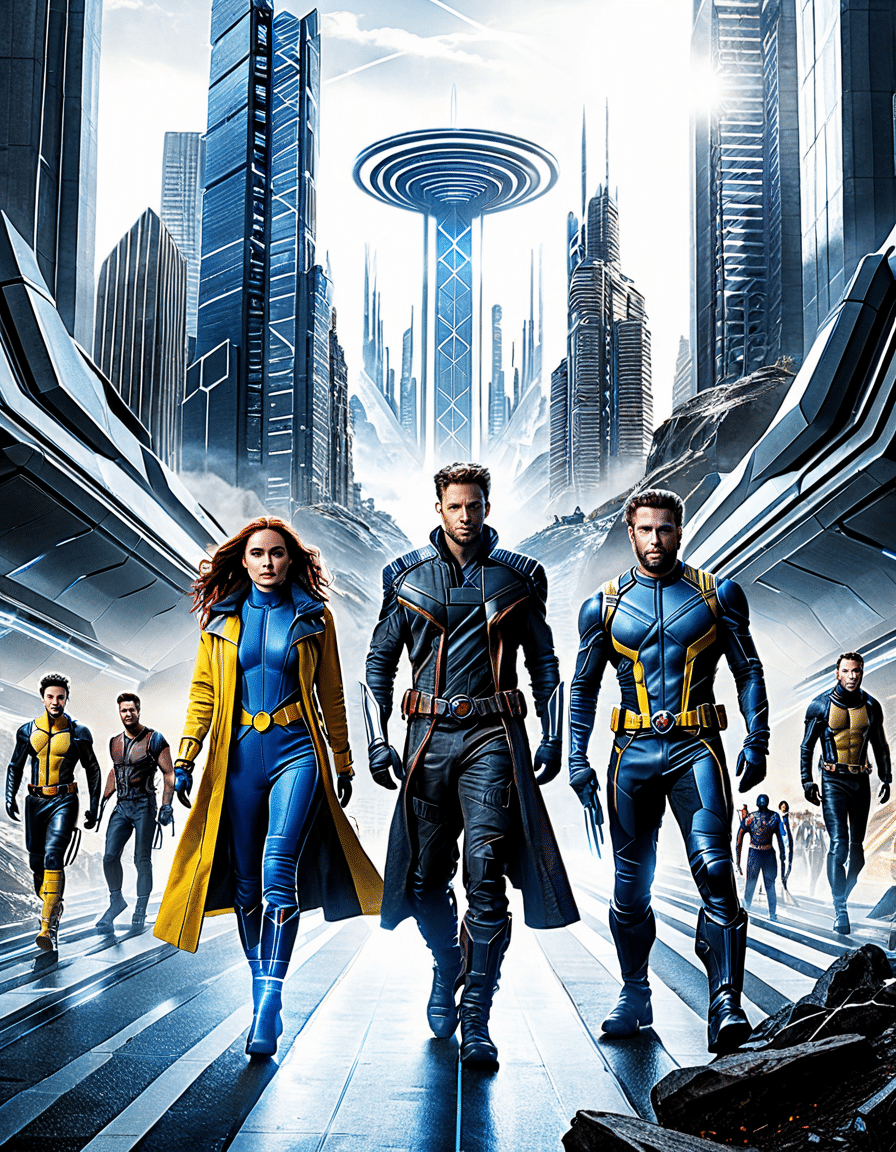
The Evolution of X Men: From Comics to Cinema
Transitioning from vibrant comic panels to the glimmering silver screen, the X Men franchise left a lasting mark. The release of “X-Men” in 2000, under the direction of Bryan Singer, heralded the dawn of a new era in superhero films. Gone were the simplistic portrayals of heroes. Instead, we were met with layered characters wrestling with complex themes that appealed to more than just kids.
“X-Men: First Class” (2011) perfectly captured the essence of the mutants’ struggles during the Cold War, reminding viewers of the historical backdrop that informs the X Men’s identity. The dynamic between Xavier and Magneto in this film dives deep into the ideological rift of integration versus segregation. Not only did it bring fresh insights into these iconic characters, but it also reaffirmed the lasting themes of acceptance and identity woven throughout the franchise.
The Impact of X Men on Popular Culture and Social Discourse
The X Men series has served as a catalyst for serious dialogue surrounding social justice issues. In stories where characters symbolize real-world struggles like civil rights and LGBTQ+ representation, the X Men have been at the forefront of encouraging audiences to engage in meaningful conversations about tolerance and acceptance.
Take Iceman, for instance, who came out as gay in the comics. His journey not only enthralls the audience but also reinforces the idea that love transcends all barriers. The X Men underlines that superhero stories can pack a punch—hitting home with life lessons that go beyond the action and adventure. Isn’t it great that comic books can be a source of inspiration, challenging readers to reflect on their biases and engage with critical societal issues?
A Legacy of Empowerment Through Storytelling
As we embrace 2026, it’s clear the X Men legacy will continue to inspire generations. Their commitment to diversity and the relentless fight against prejudice showcases their profound impact on popular culture. Over six decades, the multifaceted character arcs, particularly in “X-Men: First Class,” encourage us all to reflect on our beliefs and challenge our perspectives.
Celebrating the legacy of the X Men isn’t just about nostalgia; it’s about realizing the importance of resilience and understanding that these stories offer profound lessons. As they continue to evolve and push boundaries, you can bet your bottom dollar that these mutants will keep sparking essential discussions for years to come. So, whether you’re rocking a movie marathon or reading the latest comics, cheer for the X Men—our extraordinary heroes who made waves in comic history!
X Men – The Extraordinary Heroes of Comic History
Fun Facts about the X Men
Did you know the X Men debuted in 1963? Created by the iconic team of Stan Lee and Jack Kirby, these mutant heroes were a game-changer in comic storytelling, reflecting social issues like prejudice and acceptance. The original team included Cyclops, Jean Grey, Beast, Iceman, and Angel. Their adventures were a fresh contrast to other superhero tales, showcasing a diverse group that often faced mistrust and fear. This theme of discrimination resonates even today, just like M. Night Shyamalan’s films often explore human nature and societal challenges.
One quirky tidbit is that Wolverine’s character was initially introduced as a villain in “The Incredible Hulk” before he became a beloved member of the X Men. This transformation not only highlights his complex personality but also adds depth to the narrative. Moreover, the world of X Men has inspired numerous adaptations, from animated series to blockbuster films. If you’re into music, you might find it interesting that some filmmakers draw inspiration from unusual sources, echoing how Zach Bryan’s setlist for 2025 might reflect evolving trends in modern lyrics, capturing the fresh storytelling essence of the X Men.
Behind the Scenes
Speaking of adaptations, the X Men franchise has seen its fair share of stylistic choices, much like the use of innovative technologies in films. For instance, the recent Dalle Mini art generator has opened new avenues for creativity. Similarly, the action sequences in X Men movies often blend tradition with modern cinematic techniques, creating visually stunning experiences. The X Men cast members have also proven to be quite versatile, as seen with actors transitioning between genres. Awkwafina Movies And TV Shows showcase her range, paralleling how some X Men actors have taken on unexpected roles that surprised audiences.
Moreover, let’s not forget about the infamous bad guys in the X Men universe, like Magneto and Apocalypse, who play vital roles in propelling the heroic stories. Their complexities remind us of characters from other productions, such as the ensemble in Scavengers Reign, which dives into character-driven plots. And just like in the film Annihilation, where the environment plays a crucial role, the battle between mutants and humans serves as a backdrop to explore deeper themes of identity and belonging in the X Men saga. So next time you experience the thrill of X Men, remember, it’s more than just action; it’s a reflection of our society that continually engages and entertains across generations.