The legend of werewolves sends chill down our spines, doesn’t it? Throughout centuries, tales of these mythical creatures have become intertwined with folklore and modern pop culture. One standout figure in this hairy saga is King Lycaon, primarily because of his jaw-dropping transformation and the fascinating nuances that come with being a werewolf. Today, we’re diving deep into the uncanny journey of Lycaon, exploring seven intriguing aspects of his myth that connect to the larger narrative surrounding werewolves in history and today’s culture.
1. The Arcadian Roots of Lycaon’s Legend
Have you ever been to Arcadia? Okay, probably not, but imagine a land filled with lush greens and a pantheon of deities! According to myth, King Lycaon ruled this idyllic area, known for peace and pastoral beauty. But wait, there’s a twist. Lycaon had a big head—hubris, as the Greeks called it. He dared to challenge Zeus! This initial act led to his transformation into a werewolf, and talk about a lesson learned. His story reflects humanity’s deep ties to nature, showcasing both our warrior spirit and primal instincts. Who knew a king could teach us so much?

2. The Moment of Transformation: From King to Werewolf
Imagine serving dinner to the king of gods and, uh, serving up a side of horror. In one chilling moment, after Lycaon fed Zeus a dish made from a sacrificed child, he was met with divine retribution—he was transformed into a wolf. This is the stuff of nightmares, folks! It highlights the dark connection between humanity and the beast within. From dignified kings turned into savage creatures, this moment captures the essence of how fear and brutality can lead to tragic ends. It’s like a funky horror flick with a moral twist to it!
3. The Symbolism Behind Lycaon’s Werewolf Curse
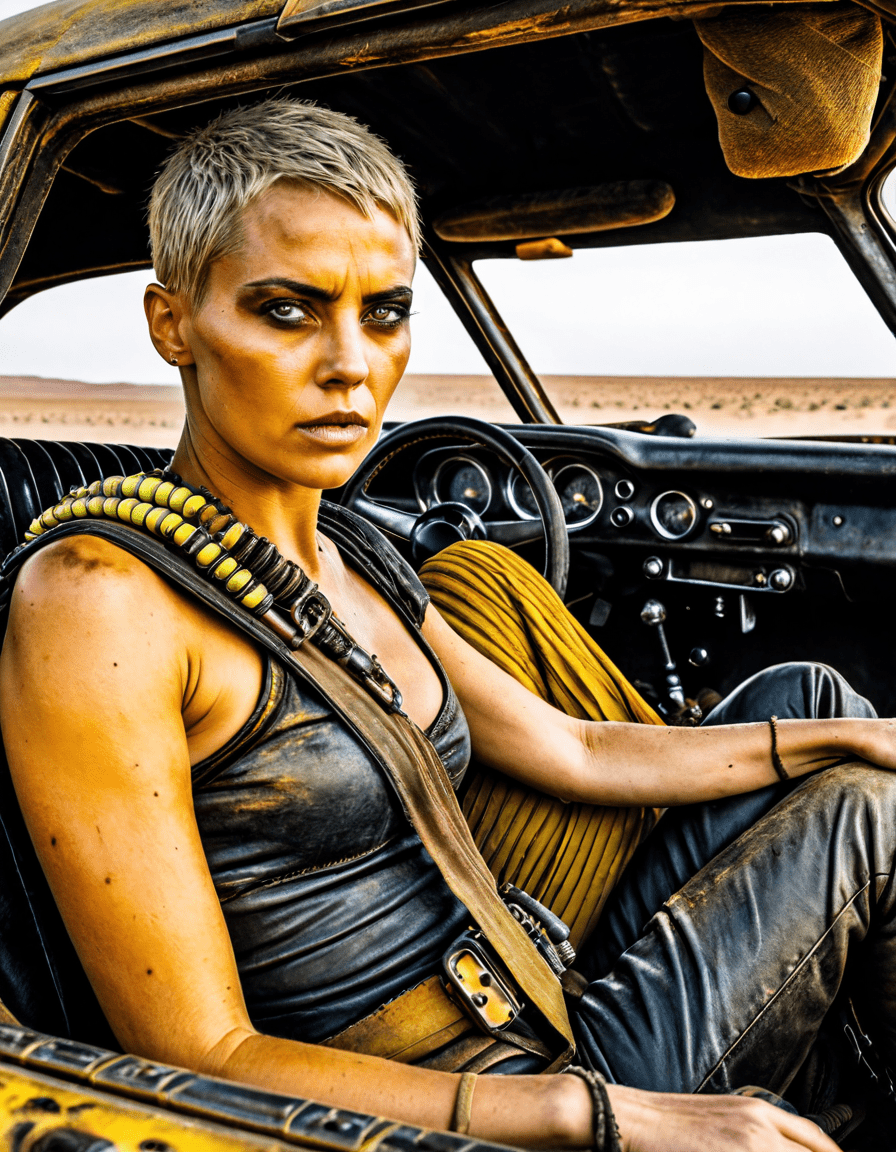
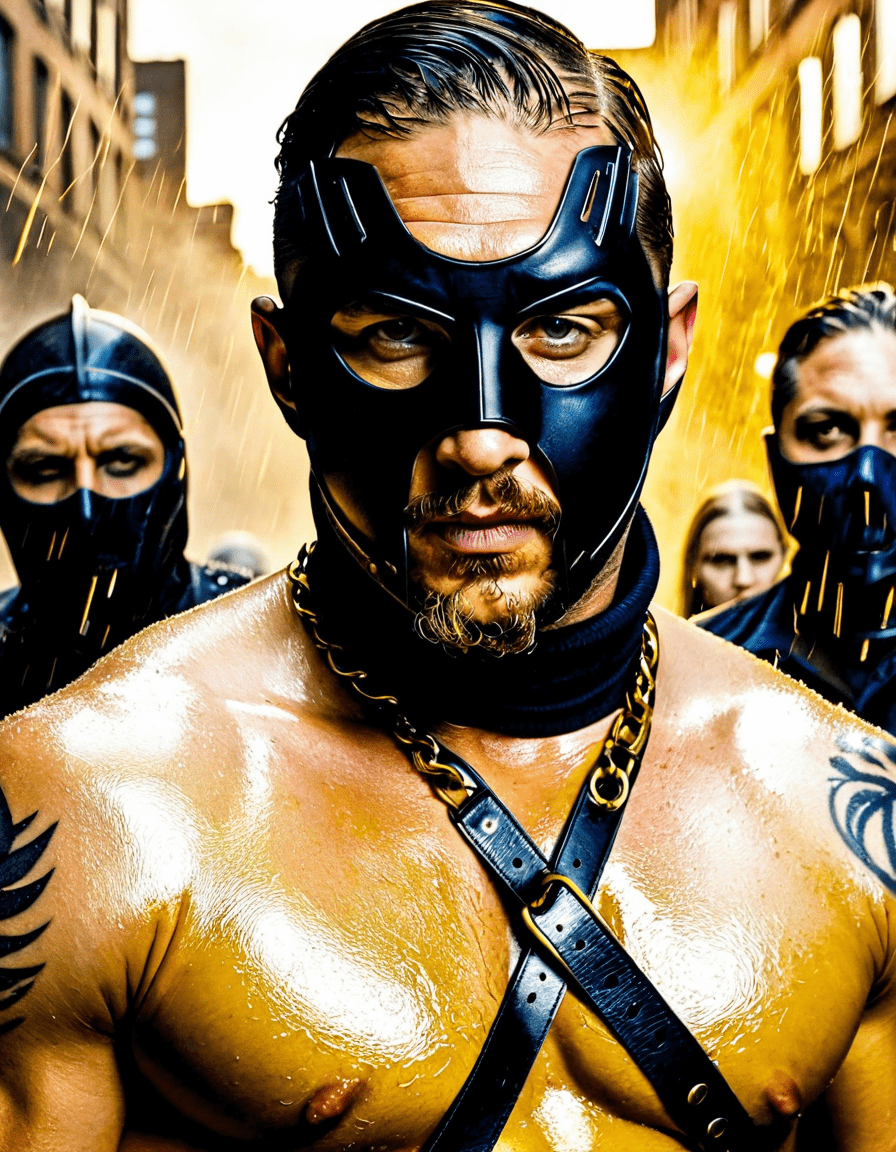
When we think of werewolves, it’s easy to see them as mere monsters, right? But Lycaon embodies something much deeper—the warrior essence of werewolves. His fate shows a fall from grace that resonates throughout history. Just as today’s werewolf stories often explore the tug-of-war between our civilized selves and the wild beast inside, Lycaon’s tale mirrors this constant internal battle. This theme has been echoed in countless movies where you’re left questioning your own instincts—a universal struggle we all face!
4. From Myth to Modern Cinema: The Werewolf Evolution
The legacy of Lycaon didn’t stop with ancient stories; it roamed straight into modern cinema! Films like An American Werewolf in London and The Howling owe plenty to his tale. In these flicks, transformation isn’t just physical but a metaphor for our internal struggles. Remember that moment when the werewolf realizes they’re losing their humanity? It’s gut-wrenching and revealing; almost like the transformation of a cute, innocent character from the Fresh Prince Of Bel air into a fearsome beast! And that’s what makes it all so engaging—a peek into deeper truths about us.
5. The Werewolf as a Warrior: Cultural Resonance
Throughout history, werewolves have been depicted as rebels, fighting against societal constraints. They symbolize defiance! King Lycaon’s transformation ties him to the archetype of the warrior—an unleashed force raging against oppression. This motif pops up in contemporary settings too. Take Game of Thrones, where characters like Robb Stark embody werewolf imagery associated with empowerment and survival. It’s like rooting for a character whose journey resonates with our own struggles for freedom and identity.
6. The Rise of Lycanthropy in Modern Mythology
Lycanthropy, the ‘fancy’ term for being a werewolf, is making a comeback in popular culture—thanks to a little twist of its dark roots. In comic books like Moon Knight, werewolves come out to play as metaphors for mental illness and trauma. It’s a fascinating angle connecting to the darker aspects of Lycaon’s original tale. Video games like The Wolf Among Us let players explore morally grey areas, blurring the lines between right and wrong, similar to Lycaon’s own moral descent. Who said gameplay couldn’t be thought-provoking?
7. The Ongoing Appeal: Why Werewolves Endure
It’s safe to say that werewolves aren’t just for horror enthusiasts—they embody our deepest fears and desires. Their legends give us plenty to chew on regarding change and personal discovery. Look, transformations often serve as catalysts for growth, right? Lycaon’s evolution from king to creature of the night mirrors our own struggles with identity and power. This eternal connection reminds us that we wrestle with our primal instincts even today. So, let’s keep the werewolf mythology alive, allowing each story to shape our understanding of what it means to be human.
As we explore the journey of King Lycaon and the lasting impact of werewolf myths, we uncover layers of meaning that continue to spark our imaginations. The duality of man and beast, intertwined with the spirit of the warrior, gives us a rich commentary on the human experience—a timeless tale that will surely keep captivating storytellers and audiences alike for generations to come.
Before you hop off, don’t forget to catch the Challengers movie if you’re in the mood for a bit of cinematic flair during your Halloween movie marathon! And hey, don’t miss out on those Sonic The Hedgehog 3 Showtimes
Werewolves: The Mythical Transformation of King Lycaon
The Origins of Werewolves
Did you know the legend of werewolves dates back to ancient Greek mythology? King Lycaon, a figure who famously tested the gods, was transformed into a wolf as punishment for his hubris. This tale captured the imagination of many, leading to stories of werewolves popping up all over the globe. Just like trends in fashion, like the rise of vegan Sneakers, werewolves have undergone many transformations over the years. From the terrifying beasts of horror films to more sympathetic portrayals in modern media, they continue to evolve, just as society does, sometimes embracing the oddity of now And then fashion choices.
Cultural Representations
Interestingly, werewolves are not just a product of European folklore. Cultures worldwide have their versions of shapeshifters, such as the Skinwalkers in Native American tradition. These stories often reflect societal fears and beliefs. For instance, werewolves have often symbolized the struggle between man’s civilized nature and the wild beast within. Speaking of representing both sides, it’s fascinating how characters like those in One Day at a Time often show dual identities and the fight for acceptance, which mirrors that werewolf motif.
Pop Culture and Beyond
In film and television, werewolves have shifted from menacing monsters to relatable figures facing their own dilemmas. The fantastical portrayal of characters like those in contemporary hits allows for a unique commentary on identity, much like how “Mary Poppins” connects with the idea of transformation in its whimsical story arcs. Additionally, just like Sabrina Carpenter’s catchy lyrics in “Espresso,” the dual nature of a werewolf resonates with audiences, making them think about the complexities of their own identities. From classic horror flicks to present-day series, these mythical beings never fail to intrigue, demonstrating that the allure of werewolves remains strong, weaving together history, culture, and a sprinkle of humor.