Warner Bros has long been synonymous with innovation in animation and film. Its rich legacy has shaped popular culture, introducing audiences to vibrant characters and unforgettable stories. With a sprinkle of magic and a generous dose of creativity, Warner Bros has unveiled some of the most beloved cartoons in film history. So, sit back, grab some popcorn, and let’s take a joyful journey into the lasting influence of Warner Bros and its iconic characters.
Top 7 Iconic Warner Bros Cartoons That Defined Generations
Arguably the most recognizable cartoon character of all time, Bugs Bunny made his charming entrance in 1940 with “A Wild Hare.” Created by the brilliant minds of Tex Avery and Bob Clampett, Bugs embodies wit, cleverness, and a cheeky attitude. His classic catchphrase, “Eh, what’s up, doc?”, has echoed through the ages, effortlessly capturing the hearts of both young and old. Bugs isn’t just a cartoon character; he’s a cultural icon who represents the essence of Warner Bros magic.
Another cornerstone of Warner Bros’ animation repertoire, Daffy Duck debuted in 1937 with “Porky’s Duck Hunt.” While sometimes overshadowed by Bugs, Daffy shines with his slapstick humor and quirky personality. His glorious chaos encapsulates the often madcap world of Warner Bros cartoons. Daffy is that lovable troublemaker who never fails to amuse and enhance the comedic tapestry of the Warner Bros brand.
The quintessential stuttering pig entered our lives back in 1935. Porky Pig’s charming “Th-th-th-that’s all folks!” has become a legendary closing to countless beloved shorts. His evolution from a timid character to a confident stand-up comic shows just how diverse animated storytelling can be. Porky reminds us that strength can come from vulnerability, proving there’s beauty in laughter.
The timeless cat-and-bird rivalry began in 1942 with the hilarious short “A Tale of Two Kitties.” Tweety’s innocent charm coupled with Sylvester’s endless pursuit creates a memorable dynamic that shines across the decades. This classic chase not only entertains but symbolizes the fundamental battles often present in life. The humor born out of conflict keeps audiences rolling with laughter—making it clear why Warner Bros’ charm never fizzles.
Debuting in 1949, this duo has shown us that life’s not just about wins but also about learning from our mistakes. Wile E. Coyote’s outlandish schemes using Acme Corporation gadgets contrast brilliantly with Road Runner’s effortless speed and trademarked “Beep Beep!” Their dynamic is a hilarious testament to determination, perseverance, and an almost poetic sense of failure. You can’t help but root for Wile, even as he comically plots his next doomed plan!
First introduced in 1948, Marvin represents Warner Bros’ adventurous spirit and willingness to explore surreal storytelling. With his determined attempts to invade Earth, Marvin became a beloved character distinctly tied to the studio’s penchant for humor with a dash of fantasy. This little Martian has inspired countless laughs and has remained a staple of Warner Bros creativity.
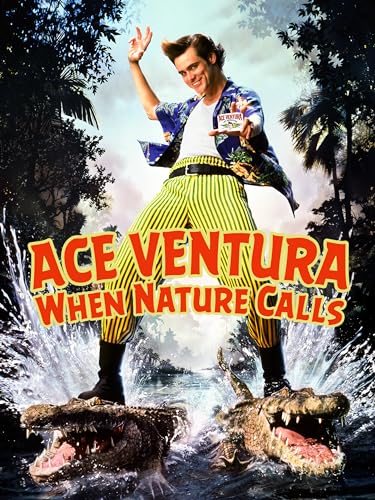
While not your classic cartoon character, Jim Carrey’s portrayal of Ace Ventura showcases Warner Bros’ flair for transforming cartoonish antics into live-action film. With wild humor and outlandish scenarios, “Ace Ventura: Pet Detective” mirrors the absurdity found in their animated shorts. This film bridges the gap between animation and live-action comedy with style, sharing the zany spirit that is so intrinsically Warner Bros.

The Legacy of Warner Bros in Animation: A Comparative Perspective
The magic embedded in Warner Bros cartoons sets them apart from the likes of Walt Disney and competitors like Paramount Plus. Disney often leans into heartwarming stories filled with emotion and musical moments, producing classics like “The Lion King.” In contrast, Warner Bros embraces a more irreverent voice that leverages satire and social commentary. While Disney paints tales of family and responsibility, Warner Bros pokes fun at societal norms, artfully weaving absurdity into the very fabric of their humor.
Warner Bros’ approach of using characters often resonates well beyond the screen. For instance, the frenetic energy of a character like Daffy Duck can be seen in the comedic portrayals of both animated and live-action counterparts across today’s films. This distinct style has shaped animation trends, setting the stage for character-driven storytelling embraced by contemporary studios like Pixar and DreamWorks.
The Evolution of Animation and Cultural Impact
Since the early days of animation, Warner Bros has not only created beloved cartoons; it has influenced the entire animation landscape. Their character-centric narratives helped forge a path for modern animated films focused on rich, multi-dimensional characters. Now, as we look at the broader entertainment scene, we see how Warner Bros’ visionary spirit continues to inspire animators and filmmakers around the world.
Moreover, the global reach of Warner Bros cartoons proves their thematic universality. The charm of classic shows and their iconic characters makes way for exciting collaborations and crossover events, like the “Looney Tunes” and “Space Jam.” This fusion of humor and culture ensures that Warner Bros remains a dominant force in the entertainment industry, appealing to fans across various platforms.
A Lasting Impact
The enchanting essence of Warner Bros cartoons transcends time and space, staying relevant in today’s diverse entertainment landscape. These characters have not only filled our screens with joy and laughter but have also challenged societal expectations through humor. As the world moves further into the 21st century, Warner Bros’ influence continues to inspire creators, promising that its magical realm of characters will persevere long into the future.
The bonds formed between audiences and these whimsical figures remind us of animation’s power to connect, engage, and inspire. So, whether you’re revisiting classics or discovering them anew, remember to cherish the laughter gifted by Warner Bros. Here’s to the ever-enduring spirit of Warner Bros, the magic that continues to brighten our screens and our hearts!
Warner Bros: Magic and Iconic Cartoons in Film History
A Legacy of Laughter
Warner Bros has been a powerhouse in the cartoon industry for decades, crafting beloved characters like Bugs Bunny and Daffy Duck. Did you know that Bugs Bunny’s first appearance was in 1940? That’s right! He made his iconic debut in “A Wild Hare,” setting the stage for an animated legacy that’s as timeless as the population of Florida! The studio’s knack for humor and creativity is combined with a flair for music, evident in a fun fact that many might not know—Bugs Bunny’s theme was composed by Carl Stalling, who’s also noted for his work on various cartoons throughout the years. That catchy tune definitely adds to the magic of Warner Bros.
Pioneering Animation Techniques
The innovation didn’t stop at characters. Warner Bros revolutionized animation with groundbreaking techniques. For instance, the studio was one of the first to use synchronized sound, blending visuals and audio seamlessly, which made their shorts extraordinary. This love for pushing boundaries paralleled the lengths some go to with their pets, like the interesting choices in clay kitty litter! It’s all about finding that perfect fit, whether it’s in animation or pet care. Fun fact: Daffy Duck’s antics often paralleled real-life traits of actors, and speaking of actors, who can forget , who’s often associated with diverse roles in film history?
Collaboration and Cultural Impact
Warner Bros has also been known for its star-studded collaborations. Think of famous pairings, like Cheech Marin teaming up with Tommy Chong, who brought comedic gold to the screen. Their work resonates much like Warner Bros cartoons, which make us laugh while cleverly reflecting societal norms. Remember the classic family comedy Meet The Fockers? That film, just like many Warner classics, showcases how humor can bond families, making funny situations relatable in any setting.
In conclusion, the magic of Warner Bros lies in its ability to adapt and influence pop culture, even reaching into areas like music—think of Michael Jackson’s music video collaborations and the surrealism they brought! Each era has its moment, just as language evolves from simple grammar to nuances like the difference between there vs their. One thing’s for sure: as long as laughter exists, so will the legacy of Warner Bros and its iconic cartoons.