Victoria Beckham once traded platform shoes and a microphone for a sketchbook and a sewing machine — and the world kept watching. What looks like a graceful pivot was actually a disciplined, sometimes ruthless rebrand that turned pop-star fame into a luxury business model others still study in boardrooms and dressing rooms.
Victoria Beckham — 1) From Posh to Powerhouse: the rebrand that changed everything
Quick snapshot — Spice Girls “Wannabe” to an eponymous fashion label and runway credibility
| Category | Details |
|---|---|
| Full name | Victoria Caroline Beckham (née Adams) |
| Born | 17 April 1974, Harlow, Essex, England |
| Nationality | British |
| Primary occupations | Singer, fashion designer, businesswoman, model, former pop star |
| Rise to fame | Member of the Spice Girls (formed 1994); known as “Posh Spice”; global breakthrough with debut single “Wannabe” (1996) and albums Spice (1996) and Spiceworld (1997) |
| Music career (solo) | Released solo album “Victoria Beckham” (2001) and a handful of singles; largely stepped back from recording in the early 2000s to focus on fashion and family |
| Fashion career | Launched eponymous label (late 2000s); established a high-end womenswear brand known for tailoring, minimalist silhouettes and premium ready-to-wear; brand has shown on major fashion calendars and expanded into accessories |
| Beauty & other ventures | Launched Victoria Beckham Beauty (skincare/makeup) and has released fragrance and product collaborations; involved in various fashion and brand partnerships |
| Personal life | Married to former footballer David Beckham since 1999 (wedding at Luttrellstown Castle, Ireland); splits time between the UK and US |
| Children | Four: Brooklyn (b. 1999), Romeo (b. 2002), Cruz (b. 2005), Harper (b. 2011) |
| Notable works / milestones | Spice Girls global phenomenon (1990s); solo album (2001); founding and growth of Victoria Beckham fashion label; launch of Victoria Beckham Beauty |
| Awards & recognition | Widely recognized as a major pop-culture and fashion figure; her label has received critical attention and commercial growth (specific awards vary by year/source) |
| Estimated net worth | Reported estimates vary; commonly described in media as being in the high‑millions (figures differ by source and date) |
| Public image & influence | Iconic 1990s pop persona (“Posh Spice”); respected contemporary designer—credited for influencing modern womenswear and high‑profile celebrity-to-designer transition |
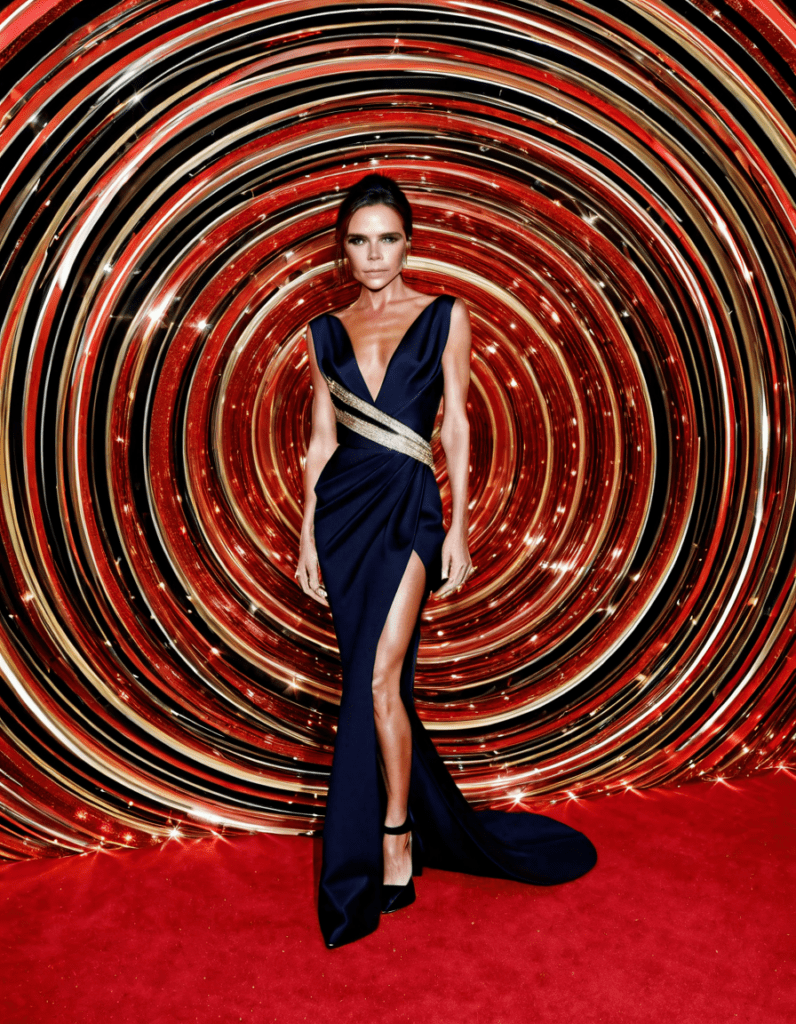
Victoria Beckham’s transformation from Posh Spice to a respected designer didn’t happen overnight. She launched her eponymous label in 2008 and steadily traded tabloid moments for runway discipline: refined tailoring, muted palettes, and a near-military focus on fit and fabrics. By consistently showing at London Fashion Week and booking editors, she shifted perception from celebrity vanity project to a brand with creative authority.
Proof in public — London Fashion Week shows, celebrity clients and press coverage (Vogue, Harper’s Bazaar)
Her runway moments — minimalist, impeccably cut collections — earned repeat coverage in the fashion press and clients on A-list rosters. Celebrities like Emma Watson and Meghan Markle have worn her designs, while Vogue and Harper’s Bazaar treated the label as a legitimate fashion house rather than a celebrity sideline. Those placements translated into runway credibility, wholesale interest, and a pricing structure that matched a luxury positioning.
How you can use it now — branding moves any creative can steal
Quick wins you can copy: pick one signature silhouette, do it exceptionally well, and let it carry your reputation for at least two seasons. In a media ecosystem that runs from boutique culture pieces to obscure clickbait like Amc Marple 10, clarity wins.
2) Inside her beauty vault: what Victoria Beckham Beauty really taught the industry
Product ecosystem — the launch of Victoria Beckham Beauty and why editors noticed
Victoria Beckham Beauty arrived as more than a celebrity lipstick line; it positioned itself as a skincare-meets-makeup brand driven by formulas and editorial-worthy packaging. Editors noticed because the launch paired clean aesthetics with scientific claims — a rarity when fans expected nothing beyond branded gloss. The move signaled a higher bar: a lifestyle brand that could justify department-store shelf space and DTC margins.
Editor and celebrity endorsements — why beauty editors and stars pay attention
When editors and makeup artists started praising the range, the brand crossed from “celebrity label” into “industry player.” High-profile makeup artists began listing product staples in backstage kits, and stars cited items in interviews. Those endorsements created cultural permission for consumers to take the line seriously. Beauty coverage today ranges from prestige profiles to viral influencer rundowns — and the Beckham line learned to play both lanes without diluting its aesthetic.
Actionable takeaway — three affordable swaps to mimic the Beckham approach
If you want editorial exposure, build a product narrative that editors can tell: thoughtful ingredients, practical innovation, and a clear visual identity. These are the same levers Victoria used to push from celebrity gloss to beauty respectability.
3) How does she keep family life private? The David Beckham playbook
Public moments vs. Private strategy — selective red-carpet appearances and family-first messaging
Victoria and David Beckham have mastered the art of controlled exposure: shared public moments deliberately staged, and a firm line when the cameras push too far. They appear at strategic red carpets and philanthropic events, but refuse to monetize every family milestone. That balance makes the images they do release feel curated and meaningful, not transactional.
Real examples — David and Victoria’s coordinated media strategy, Harper Beckham’s protected childhood
They coordinate appearances and messaging; when a tabloid story intensifies, the family replies through chosen outlets or silence. Harper Beckham has been shielded from constant exposure relative to some celebrity kids — a deliberate choice that preserves both privacy and mystique. The strategy mirrors other high-profile families who learned the hard way that constant availability burns cultural capital, as various public figures have discovered in very different ways (from reinvention challenges like roseanne barr to public legal spectacles like Trump Vs Kamala).
Replicable rules — boundaries to set on social media and in interviews
These are simple, hard-to-maintain rules that small creative brands and public figures can adopt immediately.
4) 4) The closet confession: Harper Beckham’s surprising style influence
Snapshot — Harper Beckham, Brooklyn and Romeo as taste-makers and inspiration sources
Victoria has repeatedly credited her children — especially Harper — as style muses. Harper’s playful yet curated looks (mini slip dresses, bold accessories) have seeded ideas back into Victoria’s collections: more color, softer silhouettes, and a younger spirit. Even Brooklyn and Romeo, with their eclectic streetwear moments, play into the mix: the family’s wardrobe is a small, productive feedback loop.
Signature pieces — the classic silhouettes Victoria keeps returning to (shirts, slip dresses, tailored coats)
Beckham’s brand signature rests on a trio of pieces: the crisp shirt, the slinky slip dress, and the precise overcoat. Victoria revisits these silhouettes season after season, tweaking fabric and cut rather than chasing trend-churn. That repetition builds a recognizable DNA that customers learn to trust.
Wear-it-today guide — three investment pieces to build a Beckham-inspired capsule
Add a pair of understated flats and a narrow shoulder bag, and you’ve borrowed the Beckham shorthand without buying the entire runway collection. Pop-culture figures — from the precise comedic timing of jennifer coolidge to the classic screen presence of Jeanne Tripplehorn — show how distinctive personalities can elevate simple pieces into signature moments.
5) Business moves you didn’t see coming: Victoria Beckham’s revenue playbook
The model — runway-to-retail, direct-to-consumer beauty and celebrity cachet working together
Her business model blends runway authority with commercially viable retail and a direct-to-consumer beauty arm. That triad lets her set aspirational prices on ready-to-wear while capturing higher-margin sales through owned channels for beauty and e-commerce. The result: a diversified revenue mix that reduces dependence on any single market or seasonal hit.
Concrete examples — Victoria Beckham Beauty, runway collections at LFW and strategic press partnerships
Victoria Beckham Beauty extended the brand’s reach beyond clothing, while runway collections kept editorial relevance intact. Strategic press partnerships and selective celebrity dressing amplified product launches and maintained cultural momentum. Those choices created multiple revenue pipelines: wholesale, e-commerce, and prestige beauty.
Tactical tip — small-business lessons from her licensing and retail choices
In a crowded market filled with content from everywhere (from niche fascination like Oak island To viral personalities like Net video Girls), a disciplined product strategy avoids chasing every trend and keeps your brand coherent.
6) The wellness ritual every celeb swears by — and how Victoria sells it
Ritual elements — sleep, skin-first routines, targeted movement and low-drama self-care
Victoria’s public wellness language emphasizes sleep, consistent skin routines, measured exercise (Pilates and barre), and a low-drama approach to diet. This isn’t fad-wellness; it’s a sustainable combination that supports the polished image she maintains. The “skin-first” philosophy — prioritize skincare over heavy makeup — permeates her beauty line and public tips.
Who copies it — stylists, makeup artists and celebrity friends who echo her regimen
Makeup artists and stylists often cite skin prep and good sleep as the hidden work behind camera-ready looks. Friends and clients adopt the same principles because they yield consistent, replicable results: clear skin, rested features, and clothes that sit better on a well-rested body. Even seemingly unrelated fandoms (from gamers to film fans) appreciate routines that produce visible results, whether in selfies or on-set.
Daily starter plan — a simple 7-day routine to test the Beckham wellness method
This low-dramatic, high-consistency plan reflects the Beckham ethos: small actions, repeated, compound into visible benefit. It’s the difference between a glossy headline and a lived lifestyle.
7) What 2026 holds: why Victoria Beckham’s next chapter matters for fashion and culture
Stakes for 2026 — brand expansion, sustainability pressure and cultural legacy
By 2026, the stakes include sustainable sourcing expectations, potential category extensions, and the challenge of turning a celebrity-origin brand into a multi-decade house. Consumers and regulators will push for supply-chain transparency; legacy depends on whether the brand adapts while preserving the aesthetic that built it.
What to watch — new beauty/retail moves, runway innovations and collaborations
Watch for carefully chosen collaborations, innovations in sustainable tailoring, and beauty extensions that deepen the skincare story. Cultural crossovers could come from unexpected places — gaming, archival film references, or even viral internet characters like Minecraft Steve — but the most successful moves will honor the brand’s core.
Your move — how readers can benefit now (shop, follow, invest attention)
In a media landscape that spans thoughtful features to outright clickbait (yes, even pieces titled like Big Titties Or viral personality coverage such as Gianna Michaels), Victoria Beckham’s playbook is a case study in disciplined cultural capital: choose what to show, where to show it, and how to convert attention into durable value. Whether you’re a creative entrepreneur, a stylist, or simply someone who loves polished simplicity, there’s a tactical lesson here: build slowly, protect what matters, and let quality do the talking.
Victoria Beckham
Early pop-to-power pivot
Victoria Beckham rose from girl-group fame to a fashion powerhouse faster than most expected, and Victoria Beckham turned that pop-star platform into a serious design career by launching a label that critics once scoffed at but now respect. Before the suits and stilettos, Victoria Beckham wrote hit songs and sold out arenas; that pop pedigree still shapes her brand’s narrative and marketing. Surprisingly, Victoria Beckham taught herself tailoring basics by watching pattern books and apprenticing quietly with skilled cutters, a hands-on route that sharpened her eye for fit and proportion.
Quirky crossovers and curios
Fans love odd pairings: Victoria Beckham has been linked with everything from perfume collaborations to charity cook-offs, and once even inspired an internet meme comparing her frozen-lip stare to a goalkeeper’s glare — see the cheeky comparison with De Gea For a laugh and context. Beyond memes, Victoria Beckham signed a surprising number of celebrity clients early on, proving that a celebrity label can win sartorial credibility if the clothes actually work on real bodies. Little-known tidbit: her fashion shows have doubled as family reunions, with close friends and relatives often front-row, helping humanize the brand and sell aspirational style.
Fashion-first facts that matter
Victoria Beckham keeps a tight product rhythm, releasing capsule edits that test trends without overextending; that discipline helped Victoria Beckham weather retail swings better than flashier peers. She invests in durable fabrics and quiet logos, betting that fit and finish sell faster than loud branding—so buyers get clothes that last and look good on repeat. Finally, Victoria Beckham’s business acumen is textbook for artists-turned-entrepreneurs: she scaled carefully, partnered smartly, and leaned on a loyal fan base to move from pop charts to profit margins.
This article was produced with AI assistance. How Motion Picture Magazine uses AI.
Motion Picture Magazine writes for Motion Picture Magazine — movies, celebrity gossip, entertainment news, style and best shows.