The conclave—a term that piques the interest of many and evokes a mix of reverence and fascination—serves as the secretive arena where the future leader of the Roman Catholic Church is chosen. While the process seems straightforward, it’s often a wild ride filled with complexities, power plays, and historic precedents. Buckle up as we dive into seven key secrets that influence papal elections, uncovering the intricate web of influence, tradition, and moral imperatives at play in the conclave.
7 Secrets of the Conclave That Influence Papal Elections
1. The Role of the Cardinals: The Instigators Behind the Decision
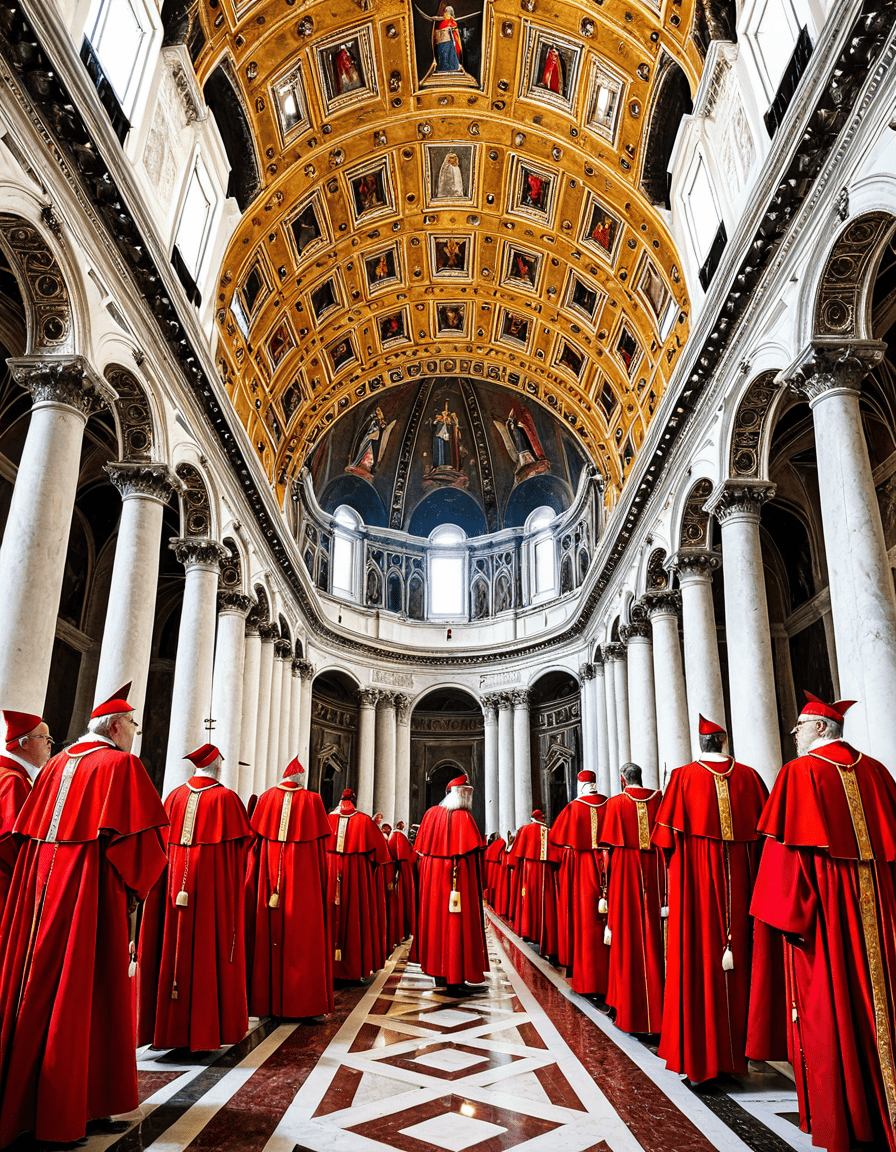
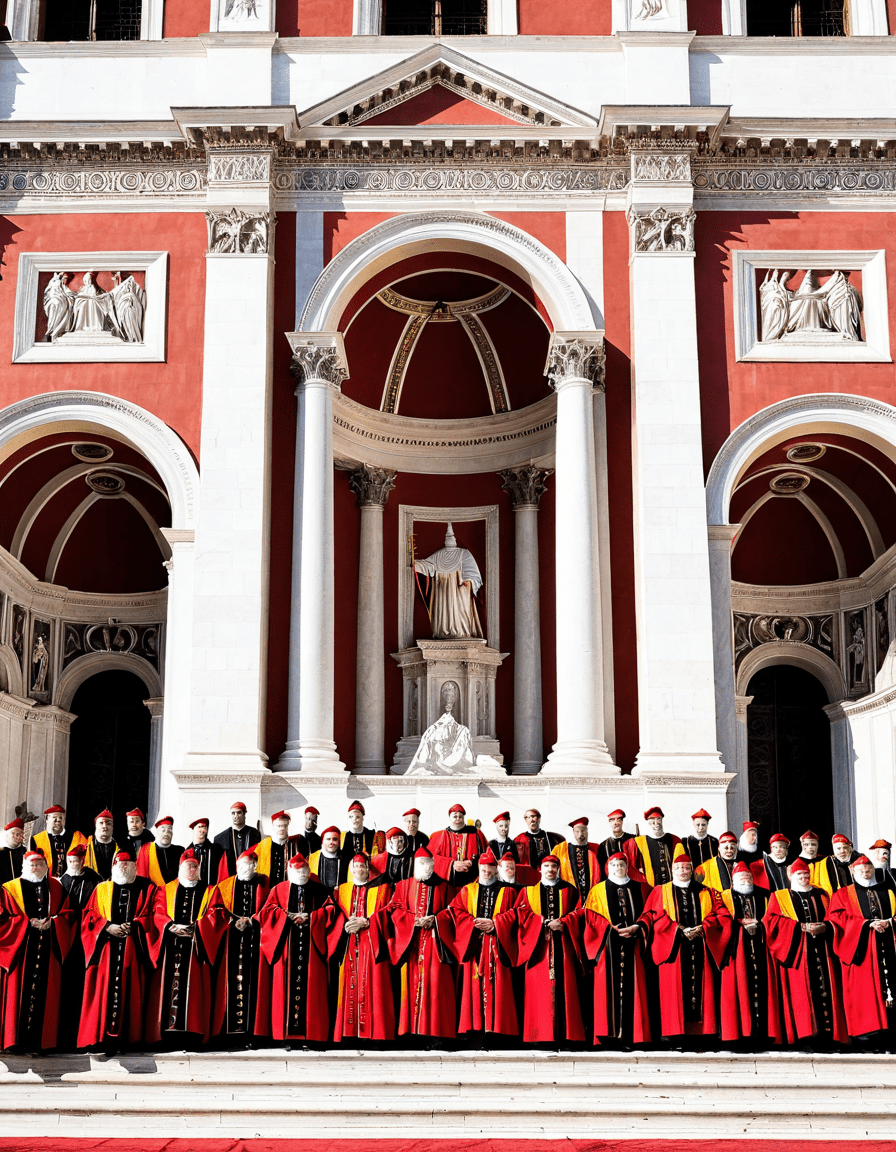
At the center of the conclave are the cardinals, particularly those under 80 who can cast their votes. They come from varied backgrounds, each bringing their mix of beliefs and political ties to the conclave. These cardinals often serve as” instigators,” working to rally support for their favorite candidates through whispers in the halls of the Vatican.
For example, the selection of Cardinal Jorge Mario Bergoglio as Pope Francis in 2013 hinged significantly on the backing he received from South American cardinals. It’s a bit like how movie directors sometimes band together to lift one of their own to stardom—connections matter!
2. Historical Precedents: Shaping Modern Expectations
History isn’t just dry facts; it’s a vital tool in understanding papal elections. Previous conclaves, like those that brought us Pope Pius IX in 1846 and John XXIII in 1958, reveal the traits cardinals look for in a pope—be it humility or social engagement. Modern electors often reflect on these past lessons, making choices influenced by the legacies left behind.
When cardinals gather, conversations often revolve around the lessons from predecessors. These discussions create an unwritten playbook that shapes expectations for future candidates. It’s kind of like how a significant movie, say, Batman 1989, sets a standard for future superhero films—past successes can guide future directions.
3. The Papal “Smoking Out” Process: Communication and Messaging
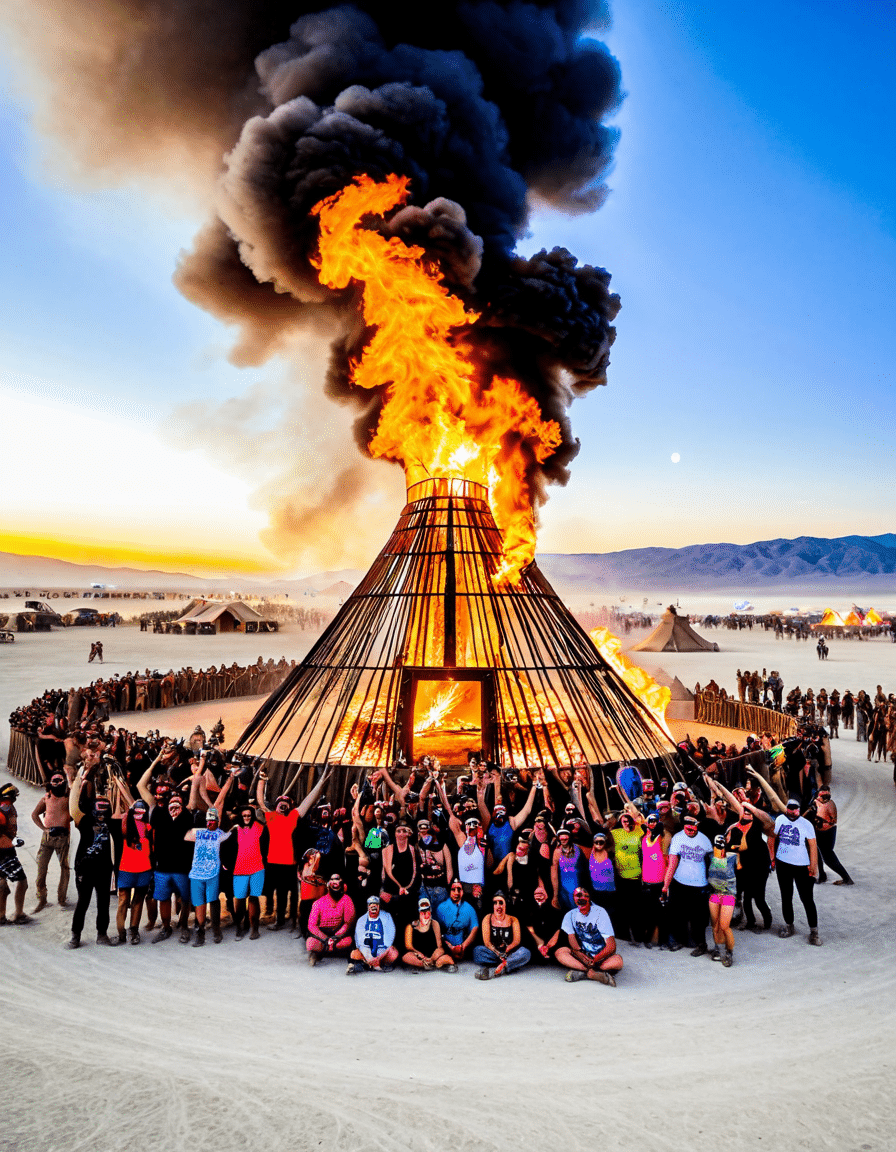
The decision-making process culminates in the symbolic and downright theatrical act of burning ballots. This smoke signals whether a new pope has been chosen. While this ritual seems quaint, it serves to remind everyone involved of the accountability that comes with such power.
And let’s talk about the role of social media too! In recent conclaves, platforms like Twitter and Instagram have blurred the lines between secrecy and modern transparency. It’s like when the Deepwater Horizon movie flipped the script on how we view environmental disasters—new narratives and technologies can radically shape public perceptions.
4. The Influence of the Global Political Climate: The Broader Context
The world’s political landscape heavily influences the conclave. Events like the rise of populism and nationalism often guide cardinals to favor candidates who are ready to tackle these issues head-on.
Take Pope Francis, for instance. His election came amid global social-justice movements, highlighting the broader Church’s mission during tumultuous times. Just as a good film draws inspiration from current events, the cardinals’ decisions reflect real-world issues—in this case, poverty, migration, and climate change often make their way into the discussions.
5. Competing Factions: The Intrigue of Alliances
But wait, there’s more! Within the conclave, factions exist, each with its geographical and ideological divides. This makes for an intriguing drama reminiscent of a reality TV show; you have the “European Block,” focused on traditional values, pitted against a Progressive Group seeking bold reforms.
Analyzing these factions—like Cardinal Cupich’s circle advocating for reform—uncovers the shifting dynamics of power within the conclave. The behind-the-scenes maneuvering can feel a lot like a game of chess, where each move shapes the potential outcomes, just like how discerning fans dissect the seasons of Love Island Season 7 for strategic relationships.
6. Papal Personas: The Characteristics of Winning Candidates
Each potential pope brings a unique persona that can make or break their electability. Cardinals often gravitate toward those who encapsulate traits that resonate with their aspirations for the Church. For instance, some might lean toward candidates like Cardinal Robert Sarah, famed for his conservative views, while others might favor someone more in line with contemporary sensibilities, like Cardinal Blase Cupich.
The style of communication plays a crucial role; modern congregations often want to be heard rather than lectured, while traditionalists may prefer a more classic approach. Picture this: it’s like watching how the success of Harry Potter reshaped young adult literature with its engaging storytelling style; the delivery matters!
7. The Unseen Factors: Health and Personal Circumstances
Health crises and personal challenges can significantly shift the tides within the conclave. For instance, the health of a sitting pope shapes future conclaves, as seen in 2005 post-Pope John Paul II’s passing.
Cardinals often find themselves weighing in on the health-centric discussions over their choices. As trivial as it might sound, these conversations about a candidate’s health are akin to analyzing movie heroes for their physical capabilities—like debating whether Giancarlo Stanton can withstand the rigor of a sports season!
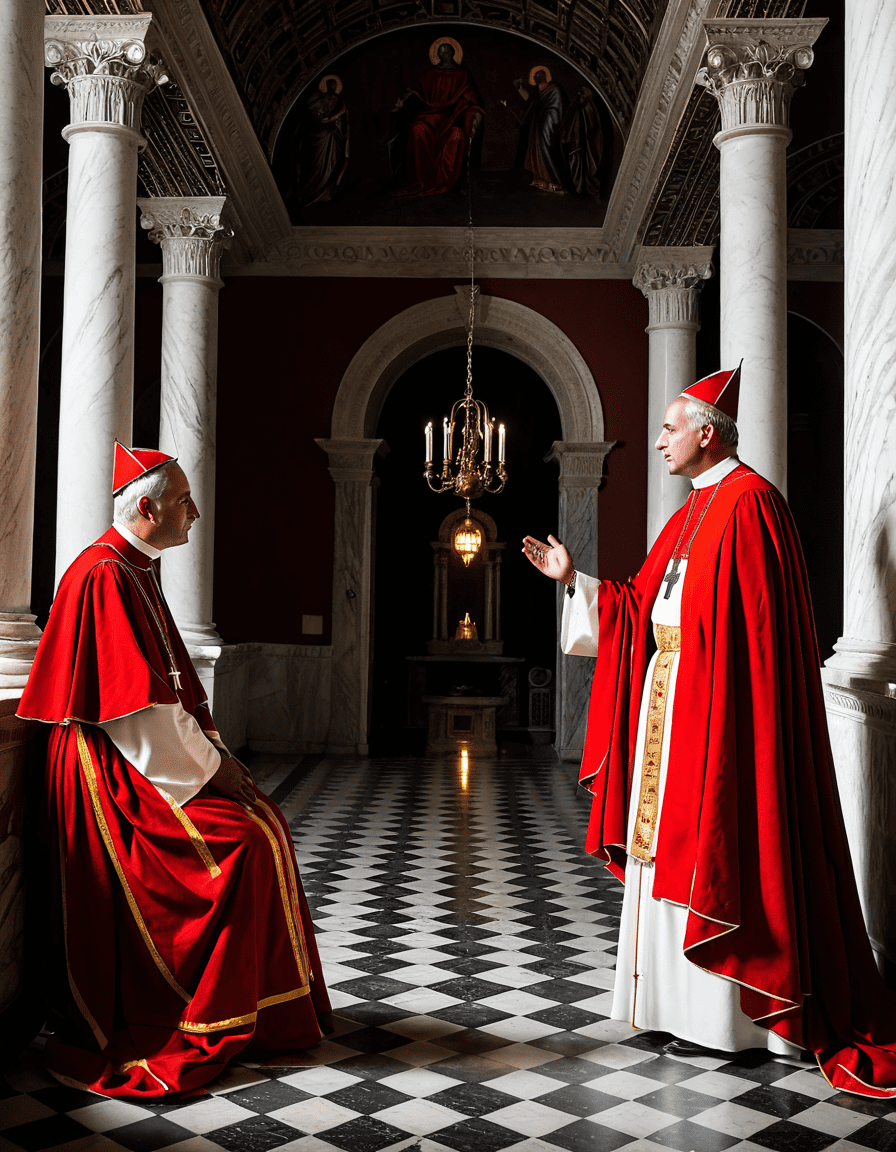
Navigating the Future: The Evolving Dynamics of the Conclave
As we glance ahead to future papal elections and the ever-changing storyline of the Catholic Church, it’s clear that the conclave will continuously adapt to reflect complexities in society. The fusion of tradition with modern challenges will likely redefine what characteristics cardinals seek in their future leaders.
Understanding this intricate interplay of the conclave’s secrets not only deepens our appreciation for this timeless process, but it also prepares us for the unfolding narrative in papal leadership. Ultimately, the conclave will remain a vital crucible of faith and governance, embodying both the Church’s rich heritage and its hopeful future. Just as classic films inform the next generation of storytelling, the decisions made in these papal conclaves will shape the future of a thriving Church community for years to come.
The Conclave: Secrets Behind Papal Elections
A Historic Gathering
The conclave is steeped in rich tradition, serving as the setting for selecting a new pope, and it’s not your average meeting. It’s the original secret society, with its own set of rules and rituals that hark back centuries. Did you know the very first papal conclave took place in 1268? It lasted an astonishing three years before a pope was elected! Talk about patience—those cardinals must have had nerves of steel! Just like how fans waited eagerly for Harry Of Potter to unravel its mysteries, these centuries-old elections keep everyone on the edge of their seats.
As cardinals gather behind closed doors, they’re subjected to strict rules. They can’t leave, barring true emergencies, and are even banned from contacting the outside world. Imagine being stuck on a reality show without your phone! These “locked-away” sessions focus solely on the conclave, making for quite the dramatic spectacle. In fact, the secrecy surrounding the conclave sometimes feels like a plot twist equivalent to The Eminence in Shadow! It’s all about those high-stakes moments that keep people buzzing.
Compelling Facts and Fun Trivia
Now, here’s something that might tickle your brain: did you know that the color of the smoke that wafts from the Sistine Chapel signals the outcome of the election? Black smoke means no pope yet, while white smoke announces a new leader. This ritual is as iconic as a climactic scene from Heat 1995, leaving both believers and non-believers alike waiting with bated breath!
Interestingly, cardinals also need to keep their physical forms in mind during the conclave, ensuring they stay fresh and focused. They have meals provided, and believe it or not—deodorant may become their best friend in those days stuck indoors! It’s a real mix of solemnity and humanity in what could otherwise become a long and tedious process. Oh, and there’s a style game at play, too! Many cardinals sport fashionable attire, rivaling the allure of a supreme beanie on the latest runway.
In the end, the conclave is more than just a gathering; it’s an emblem of centuries-old traditions, focused minds, and perhaps a hint of competitive spirit. Every detail, from smoke signals to locked doors, raises the stakes, making it a fascinating watch—whether you’re a devout follower or simply a curious mind in search of history’s hidden corners.