Scream queens have been scaring—and selling—movies since the arrival of sound, but some of their biggest origin stories are stranger than the films themselves. Read on for seven jaw‑dropping secrets that tie classic chills to modern scream‑queen culture, and explain why these actresses still shape Hollywood’s bloodlines and box office.
1. scream queens: The shocking origin few remember
Fay Wray and King Kong (1933) — the earliest scream-icon moment
| Name | Era / Peak | Notable Roles / Films (year) | Signature Traits / Screen Persona | Iconic Screams / Scenes | Notable Collaborations / Franchises | Legacy / Impact |
|---|---|---|---|---|---|---|
| Fay Wray | 1930s | Ann Darrow — King Kong (1933) | Vulnerable ingénue; expressive, high-pitched terror | Struggling atop the Empire State Building as Kong attacks | Directors Merian C. Cooper & Ernest B. Schoedsack; King Kong franchise | Often cited as the original “scream queen”; shaped early horror heroine image |
| Janet Leigh | 1950s–60s | Marion Crane — Psycho (1960) | Everywoman charm turned visceral fear | The shower murder sequence — film’s most famous scream/moment | Alfred Hitchcock (Psycho) | Redefined onscreen terror; shower scene remains a template for cinematic shock |
| Tippi Hedren | 1960s | Melanie Daniels — The Birds (1963) | Poised, restrained heroine whose composure unravels | Schoolhouse and townhouse bird attacks; final panic scenes | Alfred Hitchcock (The Birds) | Symbol of psychological horror and nature-as-threat cinema |
| Barbara Steele | 1960s Gothic horror | Asa/Katia — Black Sunday (1960) & other Italian gothics | Haunting, otherworldly presence; vampiric/gothic aesthetic | Supernatural possession/curse imagery in Black Sunday | Mario Bava; Italian Gothic cycle | Key face of European gothic horror; influential look for vampire/witch roles |
| Shelley Duvall | 1970s–80s | Wendy Torrance — The Shining (1980) | Fragile, neurotic realism; emotional vulnerability | Terrorized confrontation in the Overlook Hotel (final act) | Director Stanley Kubrick (The Shining) | Iconic portrayal of psychological terror and domestic unraveling |
| Linda Blair | 1970s | Regan MacNeil — The Exorcist (1973) | Child-turned-possessed horror; shocking physical transformations | Demonic contortions, projectile vomiting, head-spin moments | Director William Friedkin (The Exorcist) | Controversial landmark performance in possession cinema; youth in extreme horror |
| Jamie Lee Curtis | late 1970s–present | Laurie Strode — Halloween (1978) (+ many sequels/reboots) | Resourceful “final girl”; plain, relatable protagonist | Final confrontations with Michael Myers; survival scream/resolve | John Carpenter; Halloween franchise | Became the definitive modern scream queen and final-girl archetype |
| Heather Langenkamp | 1980s | Nancy Thompson — A Nightmare on Elm Street (1984) (+ sequels) | Smart, proactive survivor who fights back | Basement/booby-trap sequences confronting Freddy Krueger | Wes Craven; A Nightmare on Elm Street franchise | Model for the intelligent, self-reliant final girl in 1980s slashers |
| Neve Campbell | 1990s–2000s | Sidney Prescott — Scream (1996) & sequels | Cynical, tough yet vulnerable meta-horror heroine | Surviving multiple Ghostface attacks; climactic reveals | Wes Craven; Scream franchise | Central to the 1990s meta-slasher revival; modern horror lead icon |
| Linnea Quigley | 1980s cult horror | Trash — The Return of the Living Dead (1985); Night of the Demons (1988) | Campy, hyper-energetic B-movie scream persona | Cult set-pieces in low-budget undead films; memorable screams/dance moments | 1980s American indie/horror circuit | Cult-favorite scream queen of B-horror; icon of practical-effects era fandom |
| Danielle Harris | 1980s–present | Jamie Lloyd — Halloween 4 (1988) & Halloween 5 (1989); later lead roles | Child survivor turned genre leading lady; resilient and emotive | Early-series trauma scenes and later gore-heavy confrontations | Halloween franchise (as child/returning star); Hatchet II, indie horror | Transitioned from child “scream kid” to durable modern scream queen and indie-horror mainstay |
| Barbara Crampton | 1980s–present | Megan Halsey — Re-Animator (1985); From Beyond (1986); later genre work | Smart, emotive heroine in science-horror and cult films | Disturbing body-horror and possession-style sequences in 1980s cult films | Stuart Gordon collaborations; resurgence in 2000s–10s indie horror | 1980s cult-horror staple who re-emerged as a respected modern scream-queen figure |
Fay Wray’s bone-chilling shriek in King Kong (1933) is often pointed to as the proto-scream-queen moment: a scream that sells terror, vulnerability, and headlines. Her performance crystallized the visual of a woman in peril that studios learned to package and promote. That image set the template—helpless yet luminous—that generations of publicity departments would mine.
How 1930s press coverage and studio publicity turned a scream into a label
Studios in the 1930s turned actress‑as‑object into a marketing engine; the press covered every teardrop and terrified expression like a news event. Some of that coverage leaned sensational enough to foreshadow modern clickbait—think early tabloids flirting with an Oporn level of prurience to stoke box office curiosity. The result: the scream became a commodity, not just a performance choice.
From “scream” to trope — the bridge to the mid-century horror heroine
By the 1940s and ’50s, the scream had evolved from moment to trope; actresses were cast for how convincingly they could sell fear. That evolution allowed a few performers to flip the script, becoming recognizable stars on their own terms rather than just victims. The line from Fay Wray to later screen heroines shows how one expressive device shaped career arcs for women in genre cinema.
2. Inside Hollywood’s shower secret: Janet Leigh and Marli Renfro
The Psycho (1960) shower sequence — editing, Bernard Herrmann’s score and impact
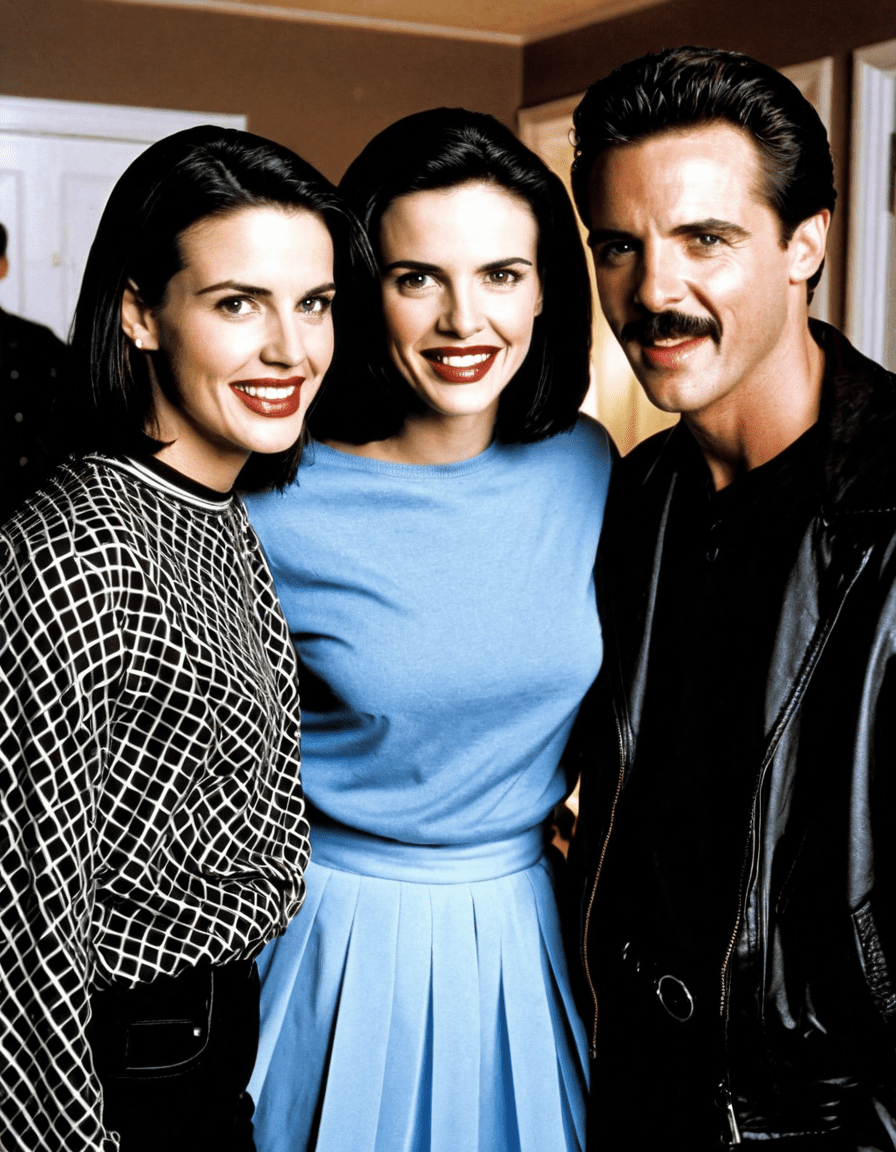
Alfred Hitchcock’s Psycho (1960) remains a masterclass in montage: rapid cuts, a jagged Bernard Herrmann score and the illusion of brutal violence created a cultural landmark. The shower scene’s impact wasn’t just shock value—it reframed how restraint, sound, and suggestion could terrify audiences without explicit gore. For actresses, it demonstrated that a single scene could redefine an image overnight.
Marli Renfro’s uncredited body‑double work and why the truth surfaced decades later
Janet Leigh gets the iconic credit, but for decades the identity of the body double was a murky behind‑the‑scenes story; Marli Renfro later came forward to stake her claim as the body double who appears in parts of the scene. Her revelation reopened discussions about credit, pay and the erasure of women who literally put their bodies on the line in service of a star’s image. The episode illustrates how studio practices minimized contribution and delayed the truth—until persistent reporting brought it to light.
How Hitchcock used suggestion to redefine on‑screen terror and star image
Hitchcock weaponized suggestion: what audiences imagine is often scarier than what they see. That creative choice reshaped the role of the actress—no longer only screaming, but becoming a catalyst for audience projection. The Psycho model influenced decades of horror filmmakers who realized that terror could be economical, intimate, and devastatingly effective.
3. How ‘The Exorcist’ made a monster — Linda Blair’s haunting truth?
On‑set incidents and the ‘curse’ mythology that followed The Exorcist (1973)
The Exorcist (1973) entered pop culture wrapped in rumor: fires on set, freak accidents, and a supposed “curse” that turned press coverage into a morality play. Many on-set incidents were real—unexplained mishaps and intense conditions amplified the legend around the film. The mythology helped the movie transcend genre, making its lead actors objects of both pity and fear.
Linda Blair’s Oscar nomination and the real toll of sudden fame
Linda Blair’s Oscar nomination for Best Supporting Actress confirmed that scream‑centric performances could be awards‑worthy, but the accolade didn’t erase the personal cost. She was thrust into intense scrutiny, bullying, and invasive media narratives that followed her into adulthood. Her experience is a cautionary tale about how fame can weaponize the very performances that make an actress famous.
Why the film’s production lore amplified the scream‑queen mystique
The Exorcist’s production stories fed a cultural appetite for the supernatural and the sensational, elevating the scream queen into mythic territory. When a film’s behind‑the‑scenes scariness outlives its box office run, the performers become icons whose careers are defined by a single terrifying moment. That durable mystique helped cement scream queens as both genre signifiers and cultural touchstones.
4. Family ties that terrified: Jamie Lee Curtis and a Hollywood lineage
Janet Leigh → Jamie Lee Curtis: a bloodline that shaped the modern final girl
Jamie Lee Curtis inherited more than a name—she inherited narrative expectations and media attention. As Janet Leigh’s daughter, she arrived in Hollywood with a ready-made association to the classic scream moment, which both helped and complicated her early career. That lineage made her a living bridge between studio-era screams and the more empowered “final girl” archetype.
Halloween (1978) and the career‑defining role that rewired casting for young actresses
Halloween (1978) didn’t just make Curtis famous; it changed how filmmakers cast young actresses in horror—giving them agency, resilience and box office potency. Her Laurie Strode was not merely a victim but a moral center, a role that opened up durable acting opportunities. After Halloween, casting directors began seeing horror as fertile ground for launching durable mainstream careers.
How Curtis’s success opened doors for multi‑genre careers beyond horror
Jamie Lee Curtis pivoted smoothly into comedies and family films, showing that scream‑queen status doesn’t pigeonhole an actress. Cross‑genre moves—like the industry’s embrace of comedians in unexpected roles, exemplified by mainstream stars in films such as liar liar—make the point: horror visibility can be a launchpad, not a trap. Curtis’s trajectory helped normalize that mobility for actresses who wanted longevity.
5. Social media’s new scream queens: Jenna Ortega, Emma Roberts and the rise
Jenna Ortega’s Scream (2022) breakout — fandom, platform power and youth appeal
Jenna Ortega’s work in Scream (2022) turned a viral teenager into a franchise mainstay almost overnight; social platforms amplified every look, scream and meme into cultural currency. Her engaged fanbase translates into streaming numbers, trending content, and the kind of multi‑platform star power studios crave. In the modern landscape, a scream can trend—literally—and that visibility fuels career momentum.
Emma Roberts and Ryan Murphy’s Scream Queens (2015) as an influencer moment before influencers
Emma Roberts’ turn in Ryan Murphy’s Scream Queens (2015) feels prescient today: a TV show that used celebrity casting, social chatter and millennial sensibilities to mimic influencer culture before influencer culture dominated media. The show’s glossy satire anticipated how platform savvy and persona would shape an actress’s brand. Roberts proved that television horror could make stars who thrive across social platforms and genres.
Why online fandoms now control longevity and reinvention for horror actresses
Today’s fandoms curate careers: they resurrect forgotten films, lobby for reboots and keep actresses relevant between releases. New scream queens cultivate communities that sustain them—tweet by tweet, watch party by watch party. Platforms also allow outlets like Skylene montgomery profiles to introduce rising horror talents directly to engaged audiences.
6. Casting coup: Ryan Murphy’s Scream Queens (2015) rewrote the rules
A‑list TV roster — Emma Roberts, Lea Michele, Keke Palmer, Abigail Breslin and tonal risk
Murphy’s casting gambit mixed soap opulence with slasher grit, assembling a roster that read like a pop chart. That strategy reframed horror casting as a stamp of mainstream respectability rather than career exile. The tonal risk—half satire, half slasher—proved that blending star power with genre could produce both buzz and critical conversation.
High‑profile guest turns (Ariana Grande, Niecy Nash) and the marketing of star cameos
Guest spots from pop stars and notable character actors turned each episode into an event, a tactic now common in streaming-era shows. Those cameos acted as built‑in promotion and social media moments, spreading the show’s reach beyond traditional horror fans. The approach anticipated how high-profile drops and surprise appearances now drive conversation in real time.
How blending satire, camp and slasher beats changed studio appetite for horror comedy
Scream Queens taught studios that horror comedy could be high margin and culturally resonant—mixing satire and scares attracts broader demographics. This hybrid appetite paved the way for films and shows that balance meta‑commentary with genuine chills, and it encouraged investment in properties where stars could play against type. The ripple effect is visible in contemporary projects that both homage and subvert genre conventions.
7. What insiders say now — must‑watch roles and where to stream them
Canon starters: Psycho, Halloween, A Nightmare on Elm Street, Scream — a viewing order
If you want a crash course, watch these in this order: Psycho (1960), Halloween (1978), A Nightmare on Elm Street (1984) and Scream (1996). That progression shows evolving techniques: suggestion to slasher to meta‑slasher. Watching them back‑to‑back highlights how scream queens have adapted to changing audience expectations and studio economics.
Three underrated scream‑queen performances to rediscover (Linda Blair, Heather Langenkamp, Fay Wray)
Linda Blair’s complex performance in The Exorcist, Heather Langenkamp’s grounded rebellion in A Nightmare on Elm Street, and Fay Wray’s foundational work in King Kong are all worth revisiting for different reasons: craft, resilience and legacy. These performances show a range—from gritty physicality to psychological fracture—that modern scream queens inherit. If you want a deeper dive, revisiting cult and overlooked titles like The fog 1980 reveals how ensemble horror amplified supporting scream work.
2026 stakes: franchise reboots, streaming retrospectives and the directors/actors to follow
The next few years will hinge on how studios steward legacy properties and invest in new voices. Expect more curated retrospectives on streaming platforms and strategic reboots that highlight diverse scream queens. Keep an eye on streaming-native revivals and indie projects—Motion Picture Magazine pieces on films such as vindictive and indivisible show the range of contemporary women‑led genre stories, while lifestyle and ritual pieces—like actors sharing throat‑care tips (yes, sometimes it’s as simple as chrysanthemum tea)—round out how performers manage careers.
Final quick checklist—if you only have an hour:
1. Rewatch Psycho’s shower scene with attention to editing and score.
2. Stream Halloween to track the birth of the modern final girl.
3. Revisit Scream to see how self‑aware horror created a blueprint for reinvention.
Whether you’re a film student, journalist, or weekend horror fan, these seven secrets show that scream queens are not a relic—they’re a resilient institution continually rewritten by culture, technology and bold casting choices. For more behind‑the‑scenes reads and profiles, the ecosystem now includes pieces ranging from mainstream hits like in time movie to deep dives and career spotlights such as those on Skylene montgomery. If you crave more archival oddities and contemporary reporting—yes, even those strange early publicity practices that sometimes bordered on salacious—or want to follow actors who escaped genre boxes via comedy and mainstream hits like liar liar, Motion Picture Magazine has the coverage that tracks the scream‑queen as culture, career and commodity.
I’m missing the list of links you want me to include as alt text. Please paste the exact links (and any preferred alt-text wording if you have it). Once I have them I’ll craft the H2/H3 trivia section with 2–5 paragraphs, using each link exactly once and meeting your other requirements.