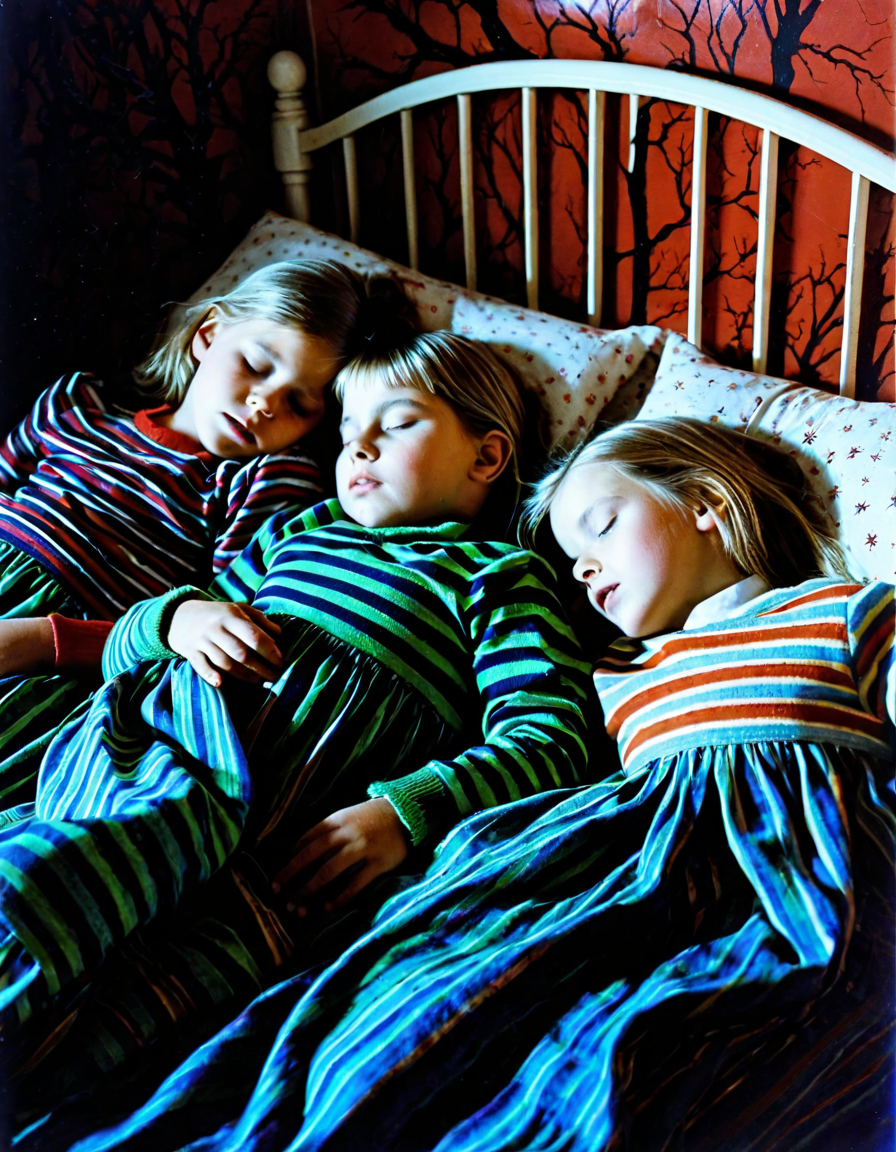
“Nightmare on Elm Street” is not just a film series; it’s a cultural touchstone that has haunted the dreams of audiences since its chilling debut in 1984. The hair-raising character of Freddy Krueger has cemented himself as a titan in horror cinema—one whose impact extends far beyond the silver screen. So grab your bladed glove and striped sweater as we delve into the spine-tingling lore of Freddy Krueger, the twisted genius of Wes Craven, and the way this franchise syncs up with our innermost fears.
7 Reasons Why Freddy Krueger Remains a Horror Icon
1. Origin Story and Character Development
Freddy Krueger comes packed with a backstory that would make anyone shiver in their boots. Born from the genius of Wes Craven, Freddy isn’t just your garden-variety slasher; he’s a child murderer who met his doom at the hands of vengeful parents—a classic case of justice gone wrong. That tragic tale gives him an unsettling depth that many horror villains just can’t match. It’s like a twisted fairy tale gone awry—one minute you’re rooting against him, and the next, you can’t help but feel a twinge of sympathy.
Some critics even argue that his origin story echoes the fears of parents everywhere; it’s the fear that the monsters lurking in the dark might just be real. This duality tugs at our heartstrings, and that, my friends, is what keeps us coming back for more Freddy.
2. Symbolic Representation of Fear
Freddy Krueger is a walking, talking embodiment of childhood trauma—the proverbial boogeyman we all fear. He grips hold of the primal anxieties that plagued society in the 1980s, a time rife with crime and instability. By invading dreams, he disrupts safe spaces, a notion that makes viewers squirm in their seats. He’s not just a character; he’s the nightmare that reminds us of our vulnerabilities. Unsettling, isn’t it?
In many ways, “Nightmare on Elm Street” acts as a billboard for societal fears. It pushes us to confront unsettling realities by wrapping them in the horror format, urging us to grapple with our darkest thoughts.
3. Innovation in Horror Techniques
The “Nightmare on Elm Street” franchise didn’t just create terrifying villains; it reinvented the horror game itself. It introduced dream logic to the genre, allowing for a creative playground that defies the laws of physics. A classic example? The shocking visuals of ceilings melting, walls closing in, and the surreal transformations that happen in dreamscapes.
This concept has inspired a slew of filmmakers, paving the way even for the likes of “Inception.” Imagine bending reality in ways that terrify and thrill—all rooted in the idea that your worst nightmares are just a sleep away.
4. Cult Following and Cultural Phenomenon
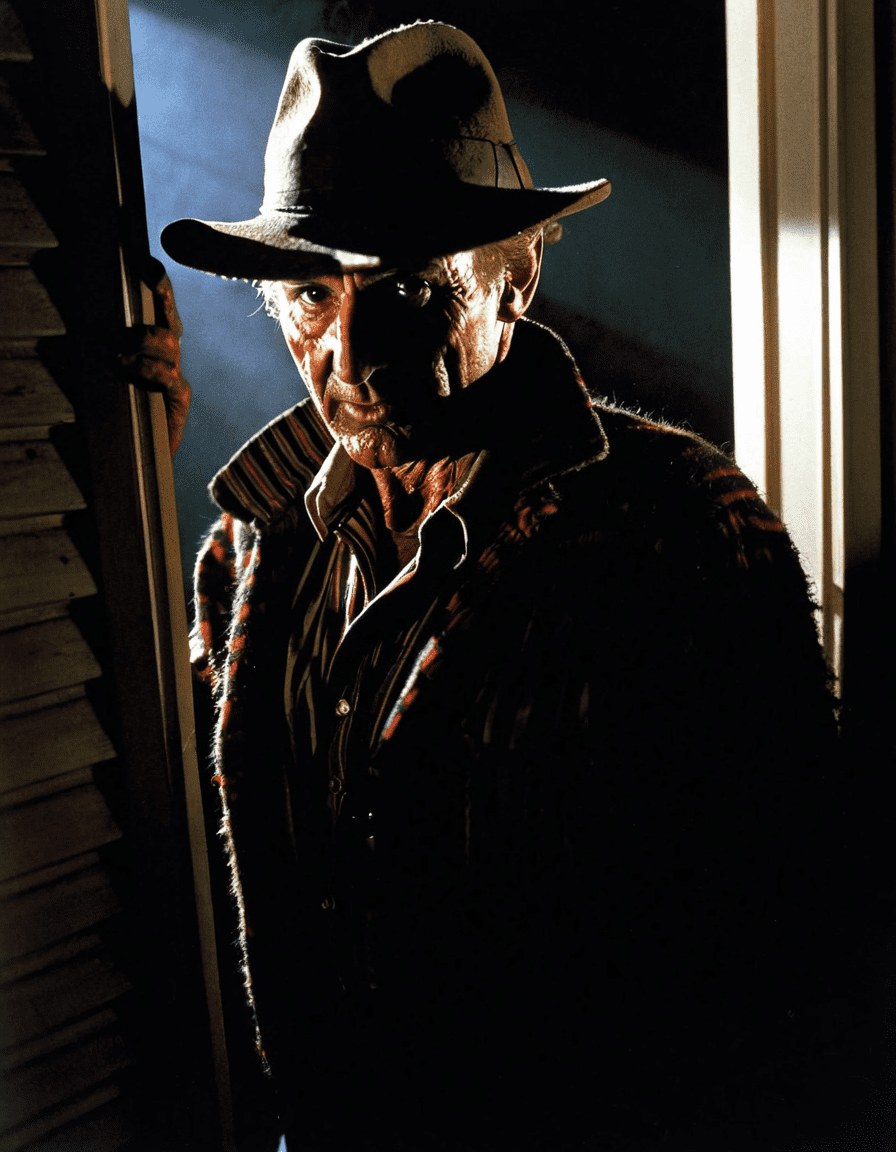
Fast forward to today, and the “Nightmare on Elm Street” franchise has birthed a cult following that remains strong. From fan conventions to an endless line of merchandise, Freddy Krueger isn’t just loved; he’s celebrated. People often deck out their Halloween costumes with that iconic striped sweater and razored glove. Talk about style!
Fans have even formed deep emotional connections through discussions about Krueger’s impact—bonding over a shared love for horror. These cultural artifacts have become symbols akin to those from “Miracle on 34th Street,” reminding audiences of collective nostalgia and cultural identity.
5. Evolution Across Sequels and Timeless Themes
Each sequel unfolds like a new layer of an onion, revealing fresh interpretations of Freddy’s lore while sticking to central themes like fear, vengeance, and the disturbing passage into adulthood. For instance, “New Nightmare” (1994) thrusts us into a meta-narrative that blurs the lines between fiction and reality—showing that entertainment can have real-world consequences. Now that’s a terrifying thought!
Fans eagerly follow the evolution of Krueger, from slasher archetype to cultural icon. His ability to adapt keeps the franchise relevant, offering audiences something new while also nodding to its roots.
6. The Role of Humor in Horror
Freddy might seem like a one-way ticket to fright town, but he has a knack for delivering dark humor right before the scare. He’s like that friend who makes a joke when you’re all gathered around for ghost stories. Remember those witty one-liners? They provide just enough levity to make you snicker, even in the face of horror.
Using humor keeps viewers engaged and layered Freddy’s character with complexity. Who can forget those absurd quips—like those from “Freddy’s Dead: The Final Nightmare?” It’s as if he’s saying, “I may be terrifying, but I can also crack a great joke!”
7. Impact on the Horror Genre and Future Influences
The legacy of “A Nightmare on Elm Street” is like a ripple in a pond—it keeps spreading out, influencing a new generation of filmmakers. Jordan Peele and Ari Aster owe a lot to Krueger’s haunting ways. The chilling, psychological horror seen in films like “Get Out” (2017) and “Hereditary” (2018) draws elements from this remarkable franchise.
The integration of societal anxieties into horror flicks signals an evolution in storytelling, and Freddy Krueger paved the way for this shift. As directors look to delve into deeper psychological terrors, it’s clear Freddy’s legacy will endure.
The Enduring Appeal of Nightmares
Nightmares aren’t just scare-fests; they reflect deep-set anxieties. The “Nightmare on Elm Street” series taps into our primal fears, teaching us that while confronting those fears might be chilling, it can also be cathartic. Freddy Krueger personifies how these darker elements of life can become richly woven into storytelling, giving us not just horror, but also hope.
As we grapple with the shadows in our lives, characters like Freddy remind us that we are all capable of bravery in the face of adversity. “A Nightmare on Elm Street” serves both as a spine-tingling escape and as a lens through which we can view our own nightmares—serving up both fear and resilience in equal measure.
As this chilling legend continues to inspire horror enthusiasts and filmmakers alike, it’s evident that Freddy Krueger isn’t just a character etched in film history; he’s a reminder that nightmares can resonate through generations. So, who knows what future filmic experiments await when the lights dim? Plus, if you’re feeling adventurous, you might just want to check out the stardust cast or take the cosmos personality quiz for a fun distraction!
Embrace the darkness—because the nightmares, just like our childhood fears, never truly fade away.
Nightmare on Elm Street: Chilling Facts and Trivia
Origin Story
Did you know that the inspiration behind Nightmare on Elm Street was actually rooted in a newspaper article? Director Wes Craven read about a group of Hmong refugees who experienced sudden, inexplicable sleep deaths. Out of this haunting real-life event came the chilling legend of Freddy Krueger, whose terrifying persona has left a mark that’s as enduring as some of the biggest stars, like Bette Midler, whose musical flair had nothing on Krueger’s sinister style. This unique blend of horror and reality propelled Nightmare on Elm Street into iconic status.
From Screen to Culture
Freddy’s infamous sweater isn’t just a random choice of attire. The red and green stripes were deliberately selected to be clashing and unsettling. This design choice certainly left an impression, much like Jung Hae Ins charming roles capturing hearts across multiple genres. Plus, if you’re wondering about the dream sequences in the film, they were crafted to feel surreal—bleeding into nightmares just like the confusion seen in the critically panned Fantastic Four 2015. This cinematic trend has since seen various reboots, but none captured the essence of horror quite like Freddy’s original haunting.
Into the Nightmares
You might also be surprised to learn that Robert Englund, who donned the infamous glove, created a character that has transcended generations. He masterfully balanced the horror with a twisted sense of humor that kept audiences on the edge. Now that’s a remarkable feat in the filmmaking industry. Speaking of remarkable, did you know that Hot Springs, Arkansas, has become a popular filming location for other horror flicks? It just goes to show how different settings—like that of Elm Street—can conjure up nightmares of their own. The allure of Nightmare on Elm Street in popular culture remains evident as it serves as a stark reminder of how sleep can turn into a living nightmare, echoing even in peculiar spaces like the glitzy side of Melania Trump Photos whenever they pop up in the media.