The term “nemesis” draws on a rich and vivid tapestry of antagonism, rivalry, and conflict, affecting narratives across cultures and genres. It’s like a dark omen accompanying the hero’s journey, adding depth to the stories we love. Let’s dive right in and unpack this intriguing concept, exploring its implications in mythology, literature, and even the cinema we adore today.
Exploring The Concept of Nemesis: The Ultimate Force in Myth and Storytelling
At its core, nemesis is more than just the villain of the story; it represents an encounter with an opposing force that challenges our heroes, pushing them to grow and evolve. This relationship brings forth a myriad of emotions—from anger to empathy—as we engage with the characters. The dance between a protagonist and their nemesis fuels the narrative, creating conflict and tension that keeps us on the edge of our seats.
Imagine the Greek tragedies, where fate and revenge often intertwine, or modern films that flip the script on traditional storytelling. The nemesis acts as both mirror and foil to the hero, revealing weaknesses and desires hidden within themselves. With each storyline, the audience gets a chance to reflect on their struggles, resonating with the age-old battle of good versus evil that shapes the human experience.
As we look at historical and current narratives alike, it’s essential to acknowledge how nemeses foster deeper themes in storytelling, enhancing our understanding of complex character arcs and moral dilemmas. They don’t just serve as obstacles; rather, they illuminate the human condition, driving home the truth that every hero may have a bit of villain within them, and every villain a thread of humanity.
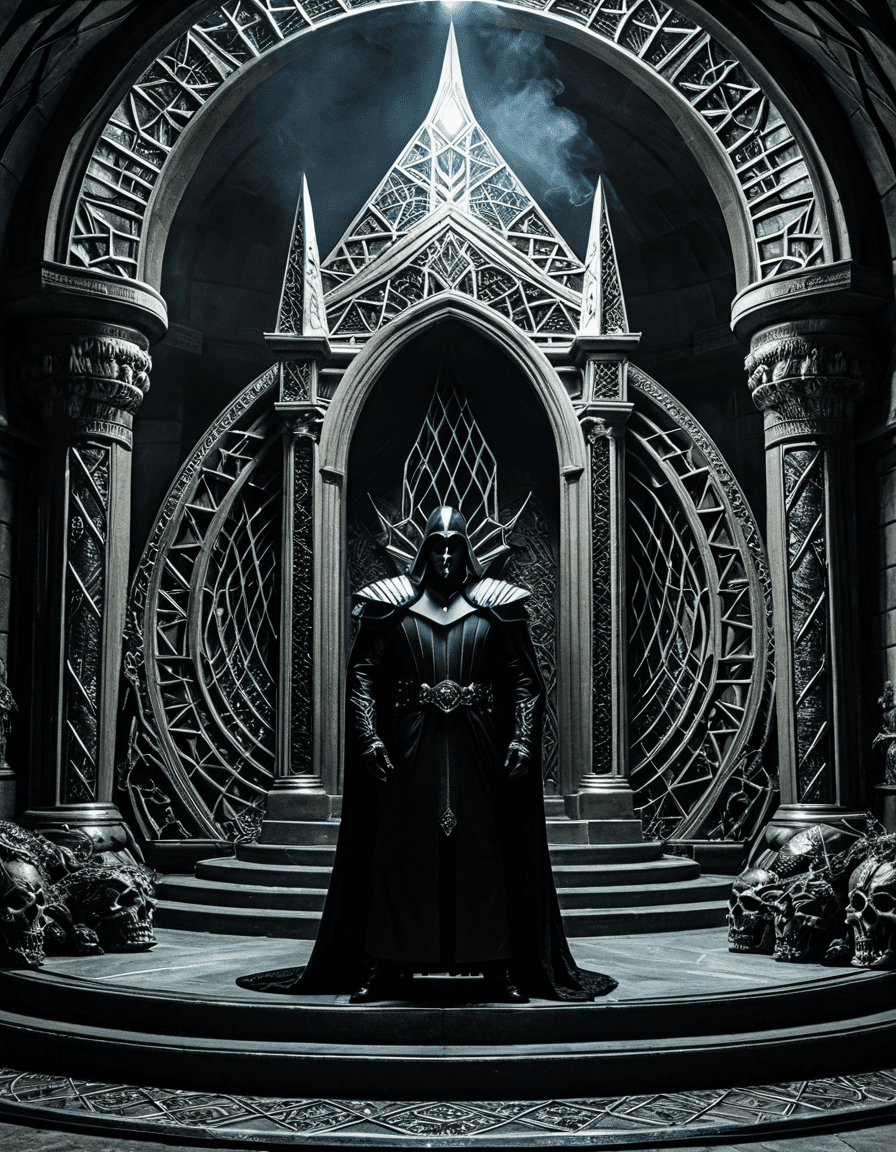
Top 7 Notable Myths and Characters Portraying the Nemesis Across Cultures
The idea of the nemesis shows up in various forms, from mythology to modern-day conflicts that challenge our heroes. Below are a few standout characters that have left their mark on storytelling.
1. Orestes and Electra in Greek Mythology
In the tragic saga of Orestes, his nemesis is bound to familial obligations fueled by vengeance and repression. The Furies, embodiments of retribution, amplify Orestes’s struggle with fate, creating a web of violence that ensnares him. This myth reminds us how deeply personal conflicts can intertwine with broader themes of justice, morality, and the heavy burden of choice.
2. The Joker as Batman’s Nemesis
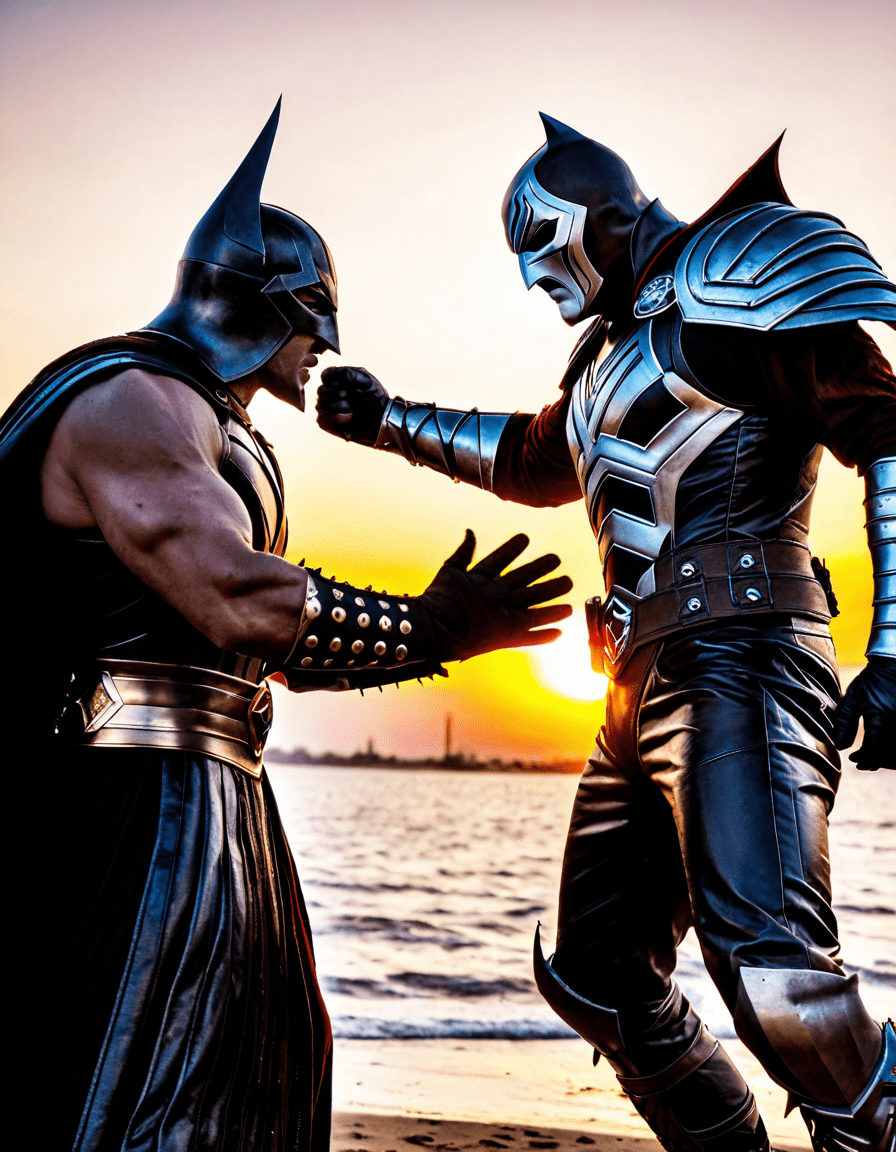
The chaotic relationship between Batman and the Joker serves as one of the most celebrated nemesis pairings in fiction. The Joker, with his erratic sense of humor and anarchy, stands in stark contrast to Batman’s order and justice. Their psychological tug-of-war exposes the frailty of the human psyche, inviting us to ponder the nature of good and evil in a world peppered with chaos.
3. Harry Potter vs. Voldemort
In J.K. Rowling’s magical universe, Voldemort is not merely an antagonist—he embodies Harry’s deepest fears and challenges. Their relentless battle isn’t just about magic; it’s about discovering one’s true self amid overwhelming darkness. The concept of nemesis here stands firmly on the catalyst leading to profound transformation and the emergence of courage.
4. Frodo Baggins and Sauron in ‘The Lord of the Rings’
J.R.R. Tolkien’s epic tale pits Frodo against Sauron, a nemesis whose quest for power forces Frodo to confront the weight of despair and temptation. Representing the corrupting influence of absolute power, Sauron serves as more than a mere antagonist; he’s a narrative device that unearths themes of resilience and the perpetual struggle between good and evil.
5. Ahab vs. Moby Dick in Melville’s Classic
Herman Melville’s “Moby Dick” takes a unique approach by crafting Ahab’s nemesis as an uncontrollable force of nature—the great white whale. Ahab’s obsessive pursuit underlines our human struggle to master the wild and unpredictable realities of life, shedding light on the fragility of our existence and ambition.
6. The Final Confrontation between Harry and Voldemort
The epic showdown between Harry and Voldemort reaches a fever pitch, where the stakes are not just survival but the essence of sacrifice and love. Here, the nemesis functions as a prism through which Harry discovers his own identity while facing colossal odds. This climactic moment reinforces the idea that confronting one’s nemesis can lead to the noblest acts and self-revelation.
7. Kirby and The Outsiders in Video Gaming
Venturing into gaming, characters like Kirby showcase the dynamic nature of nemeses. From King Dedede to Meta Knight, each of Kirby’s foes challenges him, evolving from mere obstacles into integral parts of his growth. These encounters illustrate how competition fosters mastery, transforming antagonistic encounters into learning moments.

The Evolution of “Nemesis” in Modern Storytelling: From Fringe Concepts to Mainstream Narratives
The nemesis has become a staple of modern storytelling, shedding the strict binary of good versus evil. Instead, we see nuanced characters that provoke empathy and introspection.
1. The Use of Antagonists in Cinema
Take Marvel’s “Black Panther,” for instance. Erik Killmonger steps onto the screen with motivations that deepen the narrative rather than flatten it. His quest for justice unveils an exploration of systemic injustices and cultural identity, pushing the protagonist to confront uncomfortable truths about heritage and belonging, much like a butterfly emerging from its cocoon.
2. Variable Relationships in Literature
In contemporary novels, relationships between heroes and their nemeses often blur the lines. “Gone Girl,” for example, presents a twisted dynamic between Nick and Amy Dunne that challenges readers’ perceptions of loyalty, love, and betrayal. The nemesis here serves as a double-edged sword, revealing the internal conflicts that shape our identities.
3. The Rise of Anti-Heroes and Complex Nemeses
TV series like “Breaking Bad” and “Dexter” push the envelope even further by positioning anti-heroes as their worst enemies. Walter White’s descent into Darkness illustrates how nemeses can be born within, as he battles his own moral fallout. This twist not only invigorates conventional narratives but also invites viewers to engage with complex ethical dilemmas.
In delving into the dimensions of nemesis throughout history and its evolution in contemporary storytelling, we uncover powerful insights about human nature and societal ideals. The battle between light and dark becomes a reflection of our struggles, enhancing character development and narrative complexity. The truth behind these turbulent relationships highlights an essential aspect of storytelling—where one hero’s journey can simultaneously be a predator’s downfall.
As we continue to forge stories that depict this intricate dance between good and evil, we can only imagine the exciting narratives yet to come. So, what’s your view? Who’s your favorite nemesis? And how has that shaped your perception of the hero’s journey across all mediums? Join the conversation and let’s explore the richness of storytelling together!
Nemesis: The Ultimate Force in Myth and Storytelling
The Origins of Nemesis in Mythology
In ancient Greece, nemesis wasn’t just your average adversary; she was the personification of divine retribution. This goddess was all about that poetic justice—when things went awry for the arrogant or unjust, nemesis would step in to restore balance. Interestingly, this concept of retribution is echoed throughout countless stories, making it a powerful narrative force in both ancient and modern literature. One can’t help but draw parallels with contemporary figures, like those in the recent Uconn Vs Croatia basketball showdown. The stakes were high, and for every underdog story, there stands a nemesis, poised to challenge the champion.
The Role of Nemesis in Film and TV
In film and television, nemesis often takes on a dramatic flair, transforming protagonists’ journeys into thrilling sagas. Just think of iconic duos like Batman and the Joker or Sherlock Holmes and Professor Moriarty. The tension these characters provide pushes narratives forward, creating unforgettable moments. Even in the gritty setting of Rikers, where stories of conflict and survival thrive, the theme of nemesis remains ever-present. If you’ve ever been entranced by a diva on stage, you might have noticed how their biggest obstacles often come from within themselves, echoing that classic nemesis vibe.
Modern Interpretations of Nemesis
Today, the idea of nemesis can even be connected to broader themes, such as the fluctuating landscape of mortgage rates, where we see the repercussions of financial decisions play out like a real-life drama. The twists and turns can feel just as harrowing as those found in a gripping tale of vengeance or redemption. Alternatively, there are artistic expressions, like haunting lyrics in songs such as “Rises the Moon,” which delve into themes of longing and confrontation with one’s shadows. These modern interpretations allow us to see nemesis as not just an external foe but also an internal struggle, a reminder to confront our dualities.
To further highlight its significance, consider how creating impactful narratives is at the heart of films like Selma, wherein historical nemeses shaped social change. This continual exploration of the nemesis concept leads to rich and formative storytelling that resonates with audiences. So, whether it’s the tension of a plot twist or the catharsis of facing one’s fears, it’s clear that nemesis will forever occupy a significant place in our cinematic and storytelling traditions.