Michael K. Williams, an actor whose brilliance and authenticity redefined television, has made an unforgettable mark on the industry. Known for his roles in iconic series like “The Wire” and “Boardwalk Empire,” Williams crafted a legacy that continues to inspire and influence storytelling today. His unique ability to breathe life into complex characters offers a lens through which audiences can explore themes of race, justice, and humanity. So grab some popcorn as we take a closer look at how Michael K. Williams lit up the small screen and the profound impact he left behind.
## Michael K. Williams: A Powerful Legacy in Television
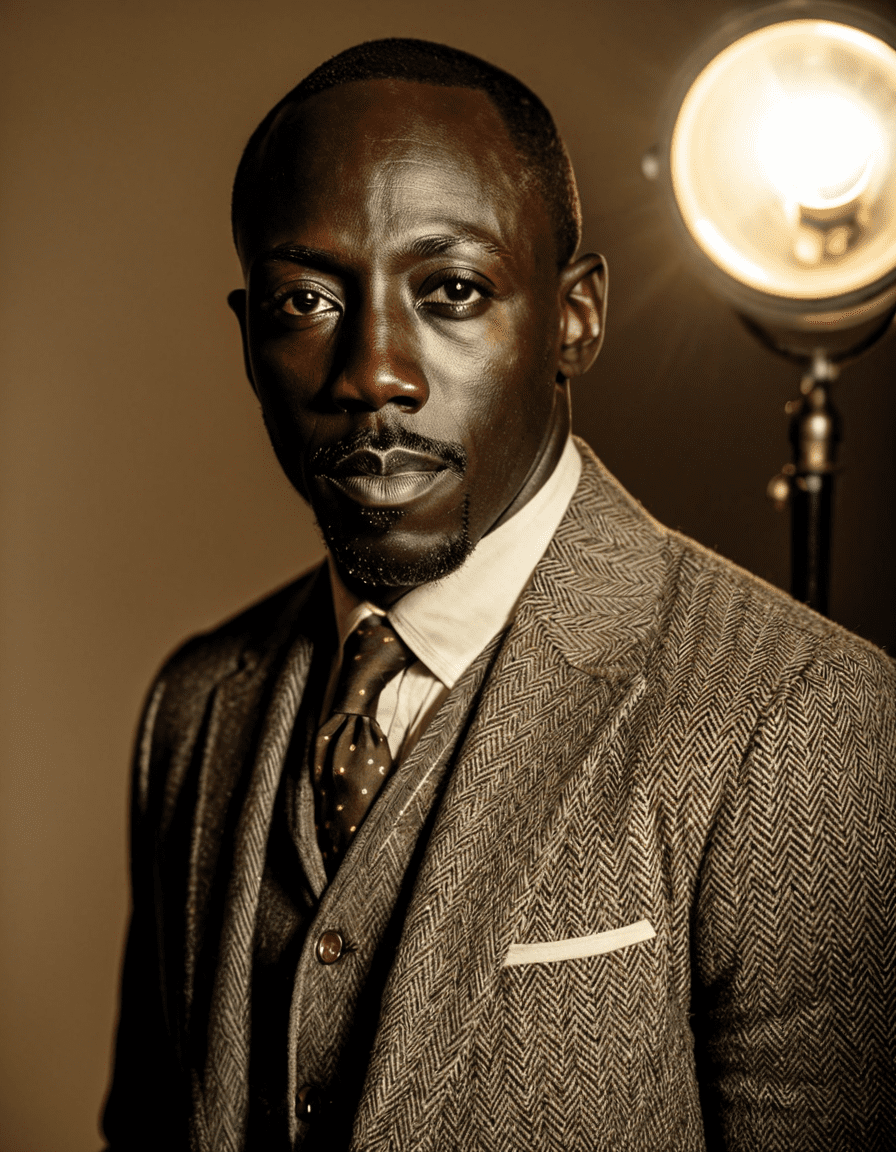
1. Omar Little in “The Wire”
Williams’ portrayal of Omar Little was a game-changer. This stick-up man turned Robin Hood brought a mix of terror and charisma that blurred the lines between hero and villain. Omar was not just a stick-up artist; he had a code, a sense of loyalty to his community, and, let’s be honest, an unforgettable catchphrase: “You come at the king, you best not miss!” Williams’ performance sparked lively conversations about the moral complexities in crime narratives, making viewers rethink how we view individuals like Omar—characters often dismissed as mere criminals.
2. Chalky White in “Boardwalk Empire”
As Chalky White, Williams became a pivotal figure during the Prohibition era in Atlantic City. His portrayal of a man striving for power and respect amidst a sea of white privilege showed a struggle for identity and place in an unjust world. With every intense gaze and dramatic speech, Williams illuminated the trials faced by African Americans during a time of rampant inequality. His performance challenges us to reflect on systemic issues still relevant today, reminding us that the fight for dignity is far from over.
3. Albert “Big D” Jones in “The Night Of”
In “The Night Of,” Michael K. Williams took on the role of Big D, a character that brought the prison experience into sharp focus. His performance shone a bright light on issues of race, justice, and rehabilitation. Williams didn’t just act; he infused the role with such depth that it deepened the story’s emotional weight. This role illustrated the lasting psychological impacts of incarceration, a topic that continues to surface in today’s discussions on criminal justice reform.
4. Montrose Freeman in “Lovecraft Country”
Portraying Montrose Freeman in “Lovecraft Country,” Williams tackled the intersections of horror and historical trauma. His character reflects the real-life horrors of racism and violence that Black Americans have endured for generations. Through his adept blend of emotional depth with elements of fantasy, Williams expanded the boundaries of how Black characters can be represented in genre storytelling. Who knew that a TV show could address both supernatural elements and the ugly truths of history so powerfully? Go figure!
5. The Spirit of ‘Peace’ in “The Deuce”
In “The Deuce,” Williams embodied the character dubbed ‘Peace,’ illustrating life’s harsh realities within the sex work industry. His nuanced portrayal ignited conversations around agency and vulnerability, making it clear that survival often comes with a range of social and emotional complexities. Williams didn’t just play a role; he represented millions of untold stories, contributing to broader discussions on the interconnectedness of urban life and the human experience.
6. His Voice in Advocacy and Mentoring
Beyond his on-screen performances, Michael K. Williams passionately advocated for mental health awareness, particularly among the Black community. He often shared his own experiences, breaking the silence that often surrounds mental health issues. By fostering conversations about vulnerability and healing, he opened doors for countless individuals grappling with similar struggles. His advocacy was just as powerful as any role he played, positioning him as a beacon of hope and authenticity in a world that desperately needs both.
Beyond the Screen: Michael K. Williams’ Cultural Impact
Michael K. Williams didn’t just resonate through the television; he became a cultural force. His performances transcended mere entertainment, often serving as a catalyst for discussions on race, equity, and identity. Williams had an incredible knack for creating characters that felt real and relatable. He invited viewers into the lives of those who often remain invisible, showcasing the humanity that exists within struggles.
By blending art with advocacy, Williams showed how compelling stories can challenge perceptions and foster empathy. His essential narratives mirrored real communities, showcasing the unvarnished truths that society often overlooks. Many people draw inspiration from his commitment to authenticity, striving to create narratives that reflect the complexity of the human experience. Indeed, he paved the way for future creators seeking to tell stories that matter.
The Repercussions of His Passing and Lasting Legacy
When we lost Michael K. Williams in September 2021, the industry felt the weight of his absence. Tributes poured in, celebrating the indelible marks he left behind in the world of television. His legacy continues to inspire a new generation of actors and writers, encouraging them to infuse their work with the honesty and depth he hailed. His contributions fuel conversations at festivals and retrospectives, ensuring that his brilliance remains integral to the discourse on television and social justice.
In embracing Williams’ legacy, creators today are encouraged to navigate complex characters filled with emotional truth. His impact continues to resonate beyond his performances—it lies in the courage he displayed in being open about his own struggles. Whether it’s through compelling narratives or candid conversations about mental health, Michael K. Williams proved that storytelling holds the power to effect real change.
Michael K. Williams’ powerful legacy in television endures, challenging all storytellers to seek authenticity and represent the myriad of experiences that define our world. His artistry and advocacy invite homage through future projects, ensuring that our screens reflect the rich tapestry of life in all its forms. To honor his memory, we should strive to push the boundaries of how we tell stories and represent those often left unheard.
Michael K. Williams: A Powerful Legacy in Television
The Man Behind the Characters
Michael K. Williams was more than just a gifted actor; he was a transformative force in television. Known for his distinctive scar and deep, soulful performances, Williams brought a palpable intensity to each role. His portrayal of Omar Little in The Wire not only redefined the portrayal of characters in crime dramas but also served to challenge stereotypes, reflecting the complexities of urban life. Interestingly, before his acting career took off, he was a dancer, showcasing his talents on the streets of New York. There’s a fascinating connection there, resembling the sudden thrill of mutton Busting, where young cowboys take a wild ride, creating memorable moments in an unexpected way.
Trivia that Packs a Punch
Did you know that Williams had a close relationship with his community? He often spoke about his devotion to helping at-risk youth through mentorship. His compassionate nature resonates with figures like Candace Parker, who also strives to uplift her community. Moreover, Williams had a strong love for music, and he once mentioned that the blink 182 Members greatly influenced his early style and artistic expressions. This connection between diverse art forms illustrates the breadth of inspiration that surrounded his life.
Legacy Beyond the Screen
Michael K. Williams left a legacy that extends far beyond his unforgettable performances. His advocacy work and relatable public persona won him fans from all walks of life. He frequently compared the struggles of advancing in one’s career to the themes in The Handmaid’s Tale, underlining the real-life challenges many face. It’s inspiration intertwined with grit, much like the compelling narrative within Edgar Allan Poe’s The Raven, hinting at darker, hidden truths. Williams’s impact can be likened to a character that stays with you long after the credits roll—an obliterated perception of what a character could be. It’s hard not to feel the waves of emotion hitting as we recognize talent like his will undoubtedly leave an unforgettable mark.