Macklemore still surprises even the most devoted listeners—he’s one of those artists whose backstory makes the songs hit harder. Read on: these seven secrets pull back the curtain on politics, addiction, indie hustle, and a film-ready visual world that directors and cinephiles should be watching closely.
1. macklemore’s secret political power—how “Same Love” shifted pop culture
| Category | Details |
|---|---|
| Real name | Benjamin Hammond Haggerty |
| Stage name | Macklemore |
| Born | June 19, 1983 |
| Birthplace / Origin | Seattle, Washington, U.S. |
| Occupation | Rapper, singer-songwriter, record producer, entrepreneur |
| Genres | Hip hop, alternative hip hop, pop-rap |
| Years active | 2000–present |
| Label / Business | Independent — Macklemore LLC (noted for independent releases, frequently collaborated with Ryan Lewis) |
| Associated acts | Ryan Lewis, Wanz, Mary Lambert (notable collaborators) |
| Selected albums | The Language of My World (2005, solo); The Heist (2012, with Ryan Lewis); This Unruly Mess I’ve Made (2016, with Ryan Lewis); Gemini (2017, solo) |
| Notable singles | “Thrift Shop” (2012), “Can’t Hold Us” (2013), “Same Love” (2012) |
| Major awards | 4 Grammy Awards (2014): Best New Artist; Best Rap Album (The Heist); Best Rap Song (“Thrift Shop”); Best Rap Performance (“Thrift Shop”) |
| Career highlights | Breakthrough with independently released The Heist and chart-topping singles; mainstream success without traditional major-label backing; high-profile performances and widespread radio/streaming presence in early 2010s |
| Themes & public image | Socially conscious lyrics (LGBTQ+ rights notably via “Same Love”), pop-rap accessibility, thrift-store/anti-materialism imagery in hits; outspoken about addiction and recovery |
| Personal life | Married to Tricia Davis (2015); has publicly discussed struggles with substance abuse and steps toward recovery |
| Impact & legacy | Known for demonstrating the commercial viability of independent hip-hop in the streaming era and for sparking mainstream conversations on marriage equality and social issues through popular music |
Why “Same Love” mattered beyond radio: it turned a pop single into a cultural megaphone. Released in 2012 on the Ryan Lewis–produced album The Heist, “Same Love” became a mainstream soundtrack for marriage-equality conversations that had previously lived mostly in activist circles. The track reached broad audiences because it combined a confessional rap voice with a chorus that listeners could sing at rallies, weddings, or on television, and it forced outlets that rarely discussed LGBTQ rights to respond.
Origin and collaborators — songwriting with Ryan Lewis and Mary Lambert (2012–2013)
Macklemore wrote “Same Love” with producer Ryan Lewis and vocalist Mary Lambert, whose hook reframed the song into an unmistakable pop-anthem structure. The collaboration turned careful songwriting—verses grounded in personal reflection—into a mass-appeal single without losing nuance. Mary Lambert’s contribution transformed the track from a protest song into an intimate, singable ballad that mainstream radio could—and did—play.
The 2014 Grammys moment — Queen Latifah officiating 33 weddings during the performance
The 2014 Grammy performance elevated the song into a televised civic act: Queen Latifah officiated 33 marriages during Macklemore and Mary Lambert’s performance, and those images replayed across news programs. That staging turned a pop awards show into a public event with real legal and emotional consequence, and it made the performance feel like a short film about music as social action—one reason film people keep returning to the footage for study and inspiration. Fans still debate the visual choices, comparing the sweep to other cinematic moments in music history.
Tangible impact — chart runs, use in marriage-equality campaigns, and mainstream conversations
“Same Love” charted strongly and later entered compilations, charity playlists, and campaign videos supporting marriage equality; NGOs and local groups used it as a rallying soundtrack. Its presence in campaigns demonstrated that contemporary pop songs can function as organizing tools, not just entertainment. That crossover—pop charts to political rallies—became a model other artists watched closely.
Backlash and praise — media responses from outlets and LGBTQ advocates
The song drew both praise for opening conversations and criticism about authorship and authenticity, issues that would echo through Macklemore’s career. Some LGBTQ advocates applauded the attention; others questioned whether a straight, white artist was the right messenger for certain aspects of the movement. The debate fueled follow-up pieces in outlets across the spectrum and pushed Macklemore to engage further with community leaders and critics.
2. Rehab, relapse, redemption — the near-break that forged his best writing
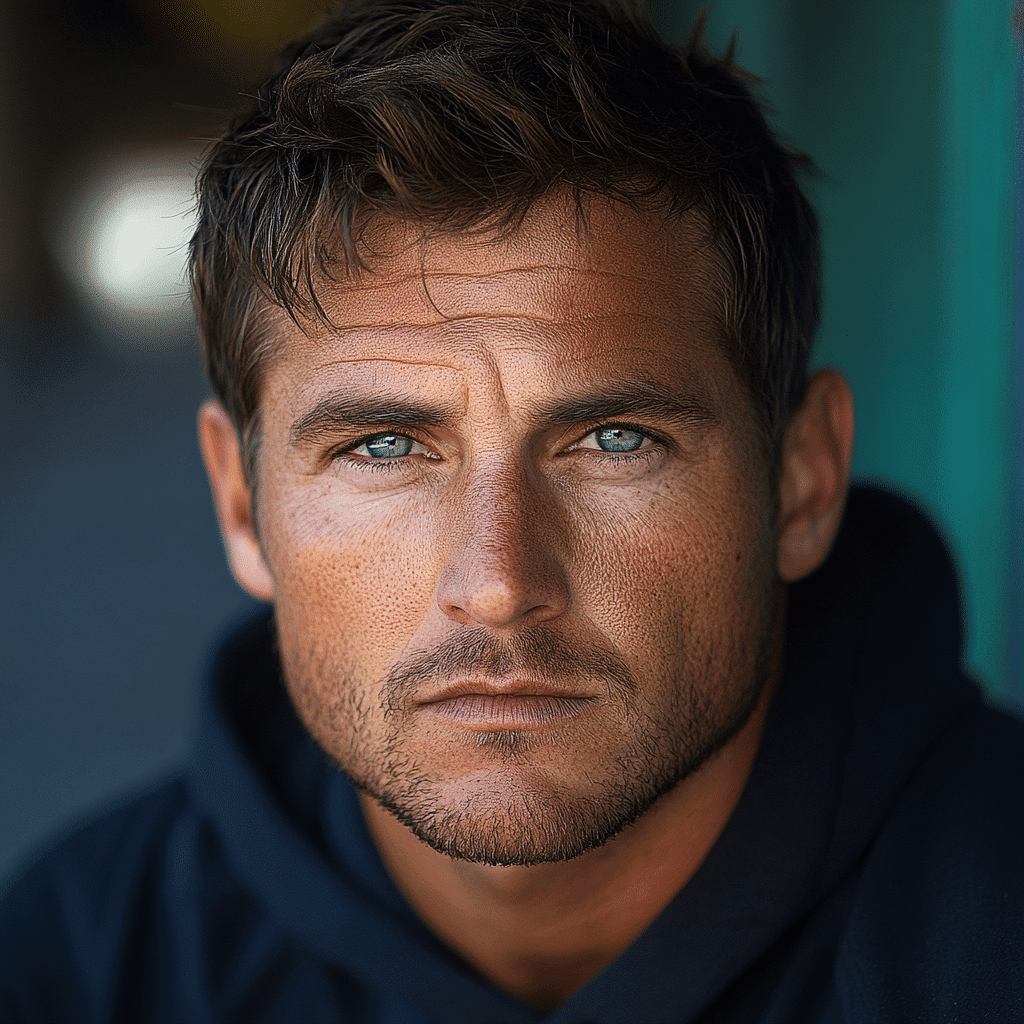
Addiction shaped not just his life but the honesty of his lyrics; sobriety rewired his craft. Ben Haggerty entered treatment in the late 2000s, a private move that later read through his music as both cautionary tale and road map. His recovery narrative made him a credible voice on relapse and redemption, and those themes power songs and speeches he still gives.
Ben Haggerty’s early struggle — entering treatment in the late 2000s and why it mattered
Haggerty’s decision to seek treatment in the late 2000s interrupted a grind-and-party cycle common to touring artists, and that pause recalibrated how he approached songwriting and career risks. Early sobriety meetings and reflection filtered directly into tracks that favor vulnerability over macho posturing. For many fans, those candid lines proved more relatable than chart statistics: they showed a human being wrestling with choices.
Songs that map recovery — “Starting Over” (feat. Ben Bridwell) and later reflections on This Unruly Mess I’ve Made
On This Unruly Mess I’ve Made, songs like “Starting Over” (featuring Ben Bridwell) read like progress reports—honest, sometimes painful, occasionally hopeful. The record includes confessions and attempts at repair rather than triumphant declarations, and that tone earned respect from critics tired of facile comeback narratives. These tracks function as narrative beats in a longer recovery story that fans follow like episodes in a serialized drama.
How sobriety shaped touring, interviews, and public speaking about addiction
Sober touring changed routines: more structured schedules, different backstage atmospheres, and an emphasis on support rather than excess. In interviews and public talks, Macklemore became a candid messenger about relapse risks, which gave him entrée into panels, conferences, and benefit shows. That authenticity made his appearances useful not only for fans but for organizations addressing addiction, where real-life testimony can change policy conversations.
3. How The Heist outmaneuvered major labels — the indie blueprint behind “Thrift Shop”
The Heist was a case study in how an independent team can outthink industry giants. With Ryan Lewis handling production and visual strategy and Macklemore bringing relentless hustle, The Heist used a DIY playbook that artists still study. They proved you could attain global reach without the leverage of a legacy label—if you mastered digital platforms, touring, and grassroots PR.
DIY strategy — Ryan Lewis as producer/partner, independent release tactics, and grassroots touring
Ryan Lewis functioned as more than a producer; he was a full creative partner who co-managed recording, promotion, and visuals. They released The Heist independently, booked club tours that built word-of-mouth, and used social platforms for direct fan engagement. Key tactics included controlled leaks, targeted college dates, and merch-driven revenue—small moves adding up to a large cultural wave.
Viral mechanics — “Thrift Shop” (feat. Wanz) on YouTube and radio, then #1 on the Hot 100
“Thrift Shop” became a viral phenomenon because it fused a hooky chorus by Wanz with a humor-first music video that begged to be shared. YouTube plays translated into radio demand, and that cross-platform momentum toppled traditional gatekeeping. The track reached No. 1 on the Hot 100 and stayed in conversation long enough to shift careers—proof videos and streaming could outmaneuver old release calendars.
Industry fallout — four 2014 Grammy wins (including Best New Artist, Best Rap Album) and ensuing debates
The Heist earned four 2014 Grammys, including Best New Artist and Best Rap Album, and those wins ignited debates about genre, race, and recognition. Critics and fans hashed out whether mainstream awards fairly represented hip-hop’s diversity, and whether an indie outfit could—or should—hold a mirror to industry practices. The controversy was itself instructive: success forces scrutiny, and scrutiny shapes long-term legacy.
4. Cinematic videos that play like short films — directors, locations, and signatures
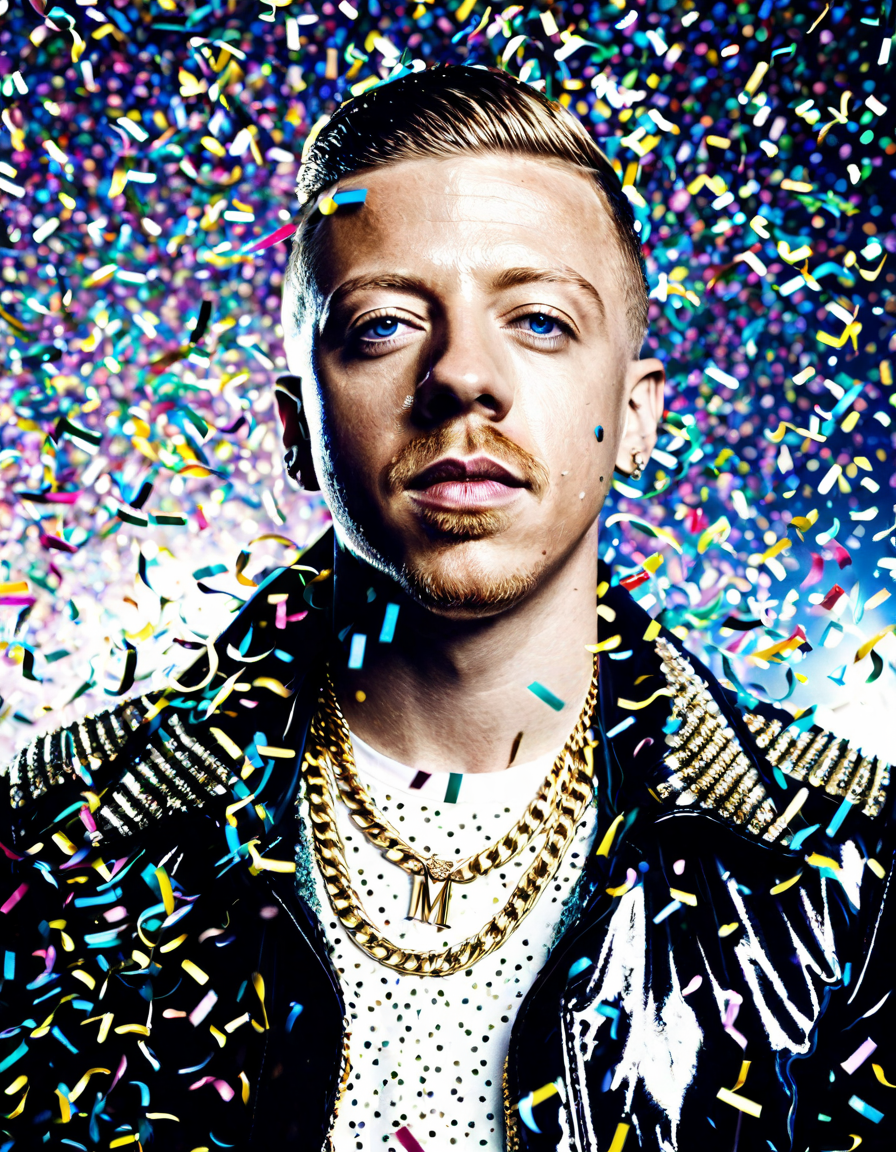
Macklemore’s videos are almost treatments for movies—rich settings, clear narratives, and precise tone. The visuals from The Heist era and beyond deliberately read like short films with clear protagonists, moral stakes, and often a wink. Directors, locations, and in-house production choices created a visual identity that filmmaking types still mine for inspiration.
Key collaborators — director Jon Jon Augustavo and Ryan Lewis’ in-house visual approach
Jon Jon Augustavo directed many of the early, most iconic videos, bringing cinematic camera moves and concise storytelling to songs that might otherwise have been simple performance pieces. Ryan Lewis’s role expanded into co-directing and conceptualizing, which led to a tightly controlled aesthetic across multiple releases. That team approach meant the artist and the visuals spoke the same language—an advantage when pitching sync or film adaptations.
Case study: “Can’t Hold Us” — scope, choreography, and Ray Dalton’s game-changing hook
“Can’t Hold Us” reads like an indie road epic compressed into a single seven-minute pop video: sweeping landscapes, kinetic choreography, and a chorus from Ray Dalton that lifts the song into arena territory. The scale—both in location choices and camera ambition—made the video feel like a proof of concept for a feature sequence. Directors and producers often point to it as an example of how a music video can double as a demo reel for larger shoot plans.
Case study: “Thrift Shop” and “Wings” — storytelling, humor, and commentary on consumerism
“Thrift Shop” used humor to critique consumerism while remaining irresistibly catchy, and “Wings” attacked sneaker culture with a visual allegory that played like a short documentary. Both videos balanced satire and sincerity, a tonal mix that’s hard to pull off without alienating viewers. Their success suggests that audiences still reward smart satire when it’s married to memorable imagery.
Live-turned-film: the Grammy “Same Love” staging as performance film and cultural event
That Grammy performance is increasingly studied as a live-to-film moment where televised music became civic theater. Filmmakers see it as a template for hybrid projects that blend documentary and staged performance. The blend of ceremony and spectacle showed how a music broadcast can function as an event film with real-world impact.
5. What fans still argue about — the controversies that never fully died
Controversy followed Macklemore in ways that shaped both criticism and praise. From Grammy debates to racially charged singles, the artist’s career doubles as a lightning rod for tougher conversations about privilege, authorship, and cultural stewardship.
The Grammy race and race conversations — reaction after 2014 versus Kendrick Lamar’s critical acclaim
The 2014 Grammy sweep prompted intense discussion about who gets recognized by mainstream awards and why—particularly in rap. Fans and critics contrasted Macklemore’s wins with Kendrick Lamar’s critical trajectory, sparking debates about visibility, industry backing, and what constitutes “the best” art. Those threads still animate conversations about fairness in awards and representation in popular music.
“White Privilege II” (2016) — an ambitious, divisive attempt to confront race (features Jamila Woods)
“White Privilege II” aimed to confront systemic racism and call out complacency; its ambition won praise while its approach drew criticism. The piece, featuring Jamila Woods, became a flashpoint: some appreciated the attempt to use platform and lyrics to interrogate power, while others found it clumsy or self-congratulatory. The song underlines how high-stakes political art can polarize rather than persuade.
Questions of privilege and authorship — how critics and communities parsed a white rapper leading certain debates
Critics and communities parsed whether a white rapper could or should lead discussions about issues where lived experience matters. These debates expanded beyond music into academic and activist spheres and pushed Macklemore to engage with local leaders and allies. The friction, while uncomfortable, forced a public reckoning about cultural authority and responsibility.
6. Unexpected collaborators and sonic pivots you might’ve missed
Macklemore’s discography glitters with surprising pairings that hint at restless curiosity. From big-voiced hooks to pop-star guest spots, his collaborations helped shape each era’s sound and broadened his audience beyond hip-hop purists.
High-profile features — Wanz (“Thrift Shop”), Ray Dalton (“Can’t Hold Us”), Mary Lambert (“Same Love”)
Wanz and Ray Dalton provided chorus moments that turned songs into mass singalongs, while Mary Lambert transformed “Same Love” into an empathetic anthem. Those features weren’t cameo window dressing; they were structural elements that determined a song’s chart trajectory. The right guest hook turned tracks into unforgettable earworms.
Post-Ryan Lewis era experiments — “Marmalade” (feat. Lil Yachty), “Glorious” (feat. Skylar Grey), “Good Old Days” (feat. Kesha) from Gemini-era material
After parting creative ways with Ryan Lewis, Macklemore experimented with different producers and guests—from Lil Yachty on the playful “Marmalade” to Skylar Grey’s anthemic lift on “Glorious” and Kesha’s nostalgia in “Good Old Days.” Those choices signaled a pivot toward pop-informed songwriting while retaining narrative hip-hop roots. The sonic palette broadened: funk grooves, soul textures, and radio-ready pop hooks all appear across his post-Heist output.
Genre notes — how funk, pop and soul flavors expanded his palette on Gemini and singles
Across Gemini-era tracks and later singles, funk basslines, pop structures, and soul-inflected vocal lines pushed Macklemore into crossover territory. He flirted with danceable grooves and stadium-sized choruses, which made his catalog attractive for sync supervisors and film music editors looking for tracks that bridge mood and moment. That hybrid quality is one reason filmmakers keep considering his work for scene placement.
7. Movie-ready next moves — why filmmakers and cinephiles should keep watching Macklemore in 2026
Macklemore’s music and visuals read like treatments for film: personal arcs, visual motifs, and social stakes. Filmmakers scouting musical subjects or soundtrack material should watch his trajectory closely—the pieces are already there for documentary or dramatic adaptation.
Narrative songwriting and visual storytelling — how “Wings,” “Can’t Hold Us” and his videos translate to film ideas
Songs like “Wings” and “Can’t Hold Us” contain vivid characters and clear narrative beats that translate easily into treatment pages: obsession with objects, road-quest energy, and redemption arcs. Directors can pull from those videos to build feature scenes or short-film sequences, much as literary adaptations mine a character’s inner monologue for visual moments. Think in terms of theme-first adaptations rather than literal biopics.
Documentary potential — the arc from Seattle indie to Grammys, activism, and recovery (festival possibilities)
His arc—from Seattle DIY hustler to Grammy-winning activist to sober storyteller—offers a tidy three-act structure ideal for festival documentaries. A film could intercut archival performance, candid interviews, and the cultural debates tied to songs like “Same Love” and “White Privilege II.” Festivals that champion music stories would likely welcome a nuanced documentary that doesn’t sanitize controversy.
Practical signs to watch in 2026 — festival premieres, director pairings (e.g., Jon Jon Augustavo alumni), soundtrack placements and sync opportunities
Watch for festival announcements and director pairings—especially alumni of Jon Jon Augustavo’s circle—plus larger sync placements in film and TV. A sign that a Macklemore film push is real would be a roster of filmmakers who previously worked on big music shorts or performance films attaching their names. Also monitor soundtrack listings in indie dramas and streaming series where his narrative songs could punctuate climactic moments.
Filmmakers and cinephiles should also consider cross-pollination: casting choices fans suggest online (from indie-types to name actors—think Sam Claflin or Finn Wittrock in dramatic turns) may shape how producers pitch the project. Fans jokingly cast familiar faces (from Rob Dyrdek in cameos to a playful “mclovin” style bit), but serious casting chatter will follow as production momentum grows. Even television actors like Terry Oquinn or rising names referenced in fan forums (including Jeremy Dufrene or others) pop up in speculative headlines; those conversations show audience appetite for a dramatized take.
Final thought: Macklemore’s career reads like a film treatment—flawed heroism, public stakes, and visual bravado—and that’s why his work keeps attracting directors, journalists, and fans who crave more than chart metrics. If you want a crash course in music that thinks like cinema, start with The Heist, watch the videos, and keep an eye on the festival circuit; this story isn’t finished.
(For a sense of cinematic texture and comparison, note how some music videos borrow emotional density found in films like The pianist, or how pop-culture fan debates echo those around titles like Danganronpa and sweeping epics such as Legends Of The fall. Visual storytelling in music also crosses into viral short-film territory—see examples like Sophie rain Spiderman video—and music’s role in social causes sometimes intersects with health narratives and advocacy around issues such as lymphoma cancer. The treasure-hunt vibe in thrift and nostalgia videos can evoke mythic “El Dorado” searches el dorado), and the practical side of touring and production increasingly nods at sustainability standards like Leed certification. For literary warmth in songwriting, think of the storytelling simplicity in Charlottes web, and when casting or festival chatter heats up, names such as jonathan Roumie sometimes enter the conversation.)
macklemore: Fun Trivia and Little-Known Facts
Hometown roots and stage-name beginnings
Born Benjamin Haggerty in Seattle, macklemore turned local open-mic nights and thrift-store scavenging into his signature vibe, and yes, that thrift obsession literally inspired a chart-topping smash. Starting out in the Seattle scene, macklemore kept a DIY hustle—self-funded mixtapes and relentless touring—so he could control his sound and his message without label strings. A surprise to many: macklemore’s early battles with substance abuse shaped songs later on, giving his lyrics a raw honesty listeners still connect with.
Breakout hits, Grammys, and independence
The partnership with producer Ryan Lewis catapulted macklemore into mainstream radio, but he remained proud of being an independent artist, snagging multiple Grammy wins that stirred debate about indie artists’ place in the industry. “Thrift Shop” and “Can’t Hold Us” smashed streaming and radio records, yet macklemore kept insisting on a grassroots approach, touring small clubs even after stadiums came calling. That stubborn independence changed how mainstream acts thought about promotion and audience-building.
Activism, surprises, and personal life
Beyond party anthems, macklemore used his platform for social causes—most famously with a marriage-equality anthem that stirred national conversations—showing he could be both playful and politically sharp. Now sober and reflective, macklemore channels recovery into songwriting, mentoring, and occasional surprise performances that remind fans why his story still matters. Small details often missed: he’s an avid thrift flipper, loves old-school vinyl, and keeps his creative process messy and immediate, which fans swear is part of the charm.