

The Enduring Legacy of Leatherface in Horror Cinema
Ah, Leatherface-the name alone sends shivers down the spine, doesn’t it? This chainsaw-wielding menace from the classic The Texas Chainsaw Massacre Isn’t just another villain; he’s a cornerstone of horror cinema. First coming to life in the grimy 1974 original directed by Tobe Hooper, Leatherface made audiences reconsider their evening road trips. He tangled the lines between humanity and monstrosity, leading to nightmarish scenarios that still haunt our collective psyche.
Leatherface isn’t merely a fabric-cutting baddie; he has become a symbol of fear and brutality. His tragic background-a victim of his environment and family-is often overlooked. Yet, this layering gives him depth and keeps horror fans cheering for his twisted tale. The film didn’t just stun audiences; it laid the groundwork for future franchises, ensuring that Leatherface stands shoulder to shoulder with titans like Freddy Krueger and Michael Myers. His brutal representation of horror continues to inspire and terrify as of 2026.
As we peer into the depths of Leatherface’s legacy, we’ll unpack not only his cultural resonance but his giant footprint on modern horror. While the genre evolves, little details keep Leatherface relevant, reminding us that some horrors never truly fade away.

Top 7 Reasons Why Leatherface Stands Out Among Horror Legends
In a world filled with horror icons, Leatherface shines bright for several gut-wrenching reasons:
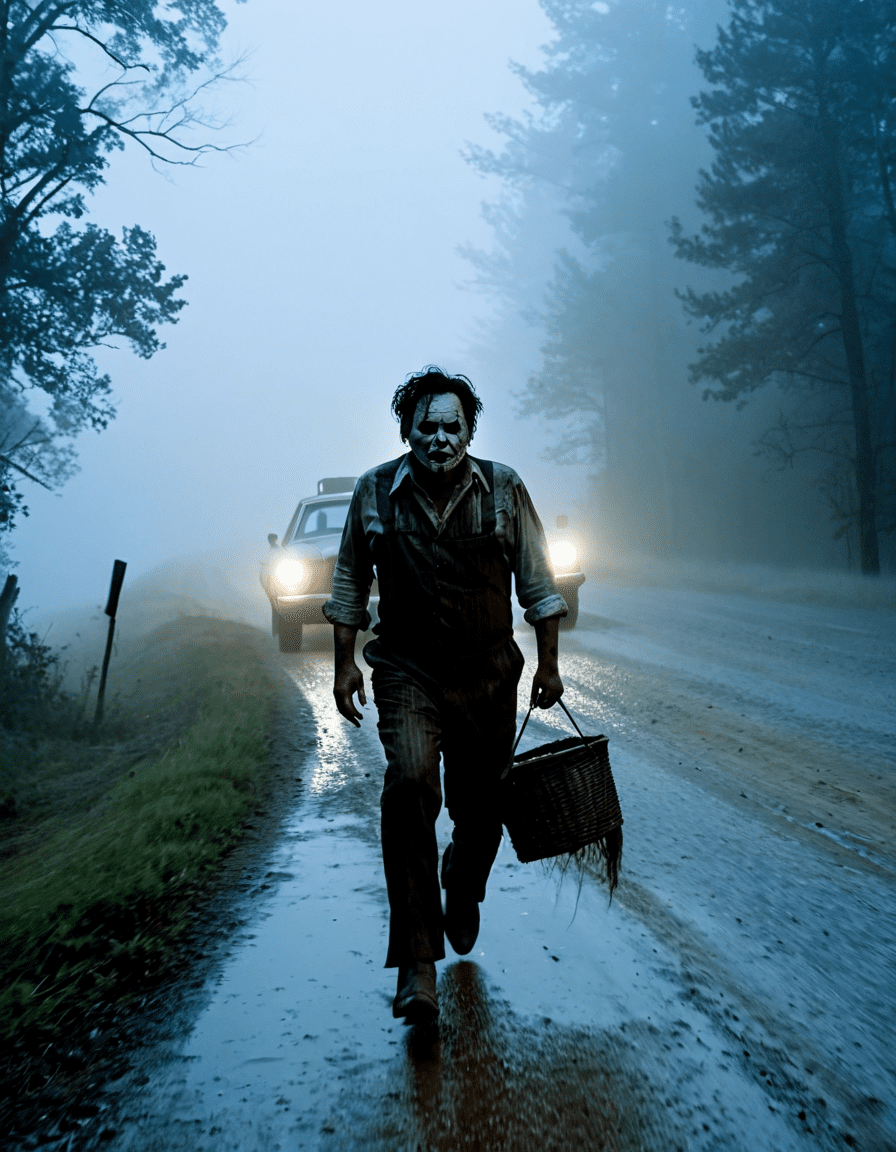
With a mask made of human skin and a roaring chainsaw, Leatherface is hard to forget. His creepy disguise emphasizes this blend of brutality and vulnerability, tapping into our primal fears. Seeing that chainsaw revving is enough to make you question if you can trust your next BBQ invitation!
Unlike other horror villains who thrive on pure evil, Leatherface is shaped by anguish. Born from a dysfunctional family and societal rejection, he elicits empathy, making him relatable-even if he is a ghost of gut-wrenching horror. This emotional response drives viewers to make sense of this conflicted character, setting him apart from more abstract evil figures like Pinhead from Hellraiser, who revels in manipulation.
Leatherface embodies deeper fears that resonate with our societal anxieties. He represents isolation and the disintegration of family structures, themes that have evolved as America grows more urbanized. The haunting image of Leatherface encourages us to confront the darker aspects of rural life, elevating his character beyond mere horror movie fodder.
Leatherface didn’t just dominate a single flick; he paved the way for slasher villains that followed, like Jason Voorhees from Friday the 13th and Michael Myers from Halloween. His innovative blend of gruesome violence and raw emotion turned the horror genre on its head. Today’s shockers owe a debt to Leatherface, as slasher films continue to incorporate violence and survival narratives first conceptualized in his grim world.
For decades, Leatherface has morphed through various sequels and reboots, adapting to meet the audience’s changing appetites. Recent incarnations, such as Texas Chainsaw Massacre (2022) and the upcoming Netflix series Leatherface, demonstrate his unwavering relevance. This evolution keeps horror aficionados on their toes while exploring what makes him tick-or rev, as the case may be.
You can find Leatherface everywhere-from action figures to horror-themed Snapchat filters. His image has infiltrated merchandise, ensuring he remains a staple in horror fandom. It’s no wonder you can pick up a Leatherface costume at your local shop during Halloween; he’s as culturally significant as Hellboy and other figures with complicated legacies.
Here’s the kicker: Leatherface doesn’t just attract millennials. His frightening presence draws horror fans of all ages-younger audiences just as mesmerized as the original 70s crowd. Whether discussed at horror conventions or through memes, his character enjoys a renaissance, several generations having fun with both his lore and leaps in horror technology.
Leatherface in Comparison: Hellraiser and Hellboy
When you stack Leatherface against other horror figures like Pinhead from Hellraiser Or Hellboy, the comparisons become downright fascinating. Pinhead offers a philosophical stretch, grappling with themes of pain and pleasure. In contrast, Leatherface brings us back to the basics-raw, primal terror that pulsates through our veins.
Similarly, while Hellboy isn’t a horror character in the traditional sense, he peeks into the darker corners of folklore. The interplay between these characters reveals multiple facets of fear, demonstrating how they all tap into the human experience. Leatherface Scares Us by embodying humanity’s darkest instincts, unlike something that could be perceived as more cerebral from Hellraiser.
The Continued Relevance of Leatherface
As we steam into the 2020s, Leatherface remains an ever-present shadow in horror films. His narrative doesn’t just sit as a relic of past nightmares; it echoes our current malaise surrounding violence, mental health, and social breakdown. Future adaptations promise fresh perspectives on Leatherface’s origins, diving deeper into the bones of both the character and societal fears.
His legacy is more than skin-deep; it’s a reflection on the masks we all wear in life-our personal traumas, concealed humanity, and the primal fears begging for recognition. The journey of Leatherface continues, shaping the horror genre and trickling into broader cultural dialogues. Expect innovative storytelling revealing the roots of terror in these turbulent times, ensuring Leatherface remains an unsettling yet significant figure in the tapestry of modern cinema.
So, next time you hear a chainsaw or catch a glimpse of a masked figure in the woods, remember this icon. He isn’t just lurking behind the mask-he’s a conversation starter about us all. If The Texas Chainsaw Massacre Taught us anything, it’s that horror often reflects our deepest collective fears and unease.
And if you’re in the mood for more cultural reflections, check out how the Sinners streaming Series intersects with horror narratives or explore the Shogun cast For historical depth in cinema!
Leatherface: The Iconic Horror Legend Behind the Mask
The Birth of a Horror Icon
Leatherface, the terrifying chainsaw-wielding character from “The Texas Chainsaw Massacre,” emerged from the mind of Tobe Hooper in 1974. The film was inspired by real-life serial killer Ed Gein, whose gruesome habits laid the groundwork for Leatherface’s terrifying persona. Interestingly, in many ways, Leatherface mirrors the raw, primal fear that keeps audiences at the edge of their seats-a sentiment echoed in classic tales like the “Hercules” Disney cast’s epic battles against fearsome foes. This eerie connection between mythology and horror shows how deeply rooted fear is in our storytelling.
Life After the Mask
While Leatherface is a fictional creation, the character has secured a place in pop culture that’s hard to ignore. Between multiple sequels and reboots, he continues to evolve as a horror icon. If you think about other legends, such as the enduring popularity of characters in Return Of The Jedi, you see that some figures become time-proof and stick in our minds for countless generations. Leatherface’s popularity, coupled with his gruesome aesthetic, often leads to comparisons with other horror greats. Like the infamous duo Carl And Lindsay, who frequently pop up in discussions about horror filmmaking, Leatherface generates buzz that’s impossible to escape.
The Cultural Impact
Leatherface isn’t just a character; he’s a symbol of horror itself. From Halloween costumes to parodies in pop culture, the chainsaw-wielding maniac represents a thrill-seeking experience. Fans of horror often search for unique memorabilia related to the franchise-a behavior not unlike collectors of items related to Morgan Stanley mutual funds in energy, as enthusiasts are always looking for that next big find. This connection cements the idea that Leatherface transcends mere fright; he sparks a fascination with fear itself. And, speaking of fan culture, have you checked out what’s trending on Page Six? Leatherface often makes headlines, as actors and directors who’ve portrayed him share their experiences and insights into embodying such a legendary monster, further feeding the horror fandom’s insatiable need for more.
In summary, Leatherface’s influence goes beyond his chainsaw and mask, intertwining with other facets of culture to create a lasting legend. As he continues to haunt the silver screen, it’s clear that the legacy of Leatherface remains as riveting as his first terrifying appearance.
This article was produced with AI assistance. How Motion Picture Magazine uses AI.
Motion Picture Magazine writes for Motion Picture Magazine - movies, celebrity gossip, entertainment news, style and best shows.