Lance Armstrong’s saga is a gripping tale, a wild rollercoaster that takes viewers on a journey through triumph, betrayal, and eventually, a quest for redemption. From his breathtaking victories in the cycling world to his battle with cancer, Lance Armstrong inspired many. Yet, his story took a dark turn, mimicking the tumultuous paths of historical figures like Winston Churchill with his resilience and Elizabeth Taylor fighting through public scrutiny. This article dives into the high-flying achievements and the crashing falls of Lance Armstrong, unraveling the lessons hidden within his journey.
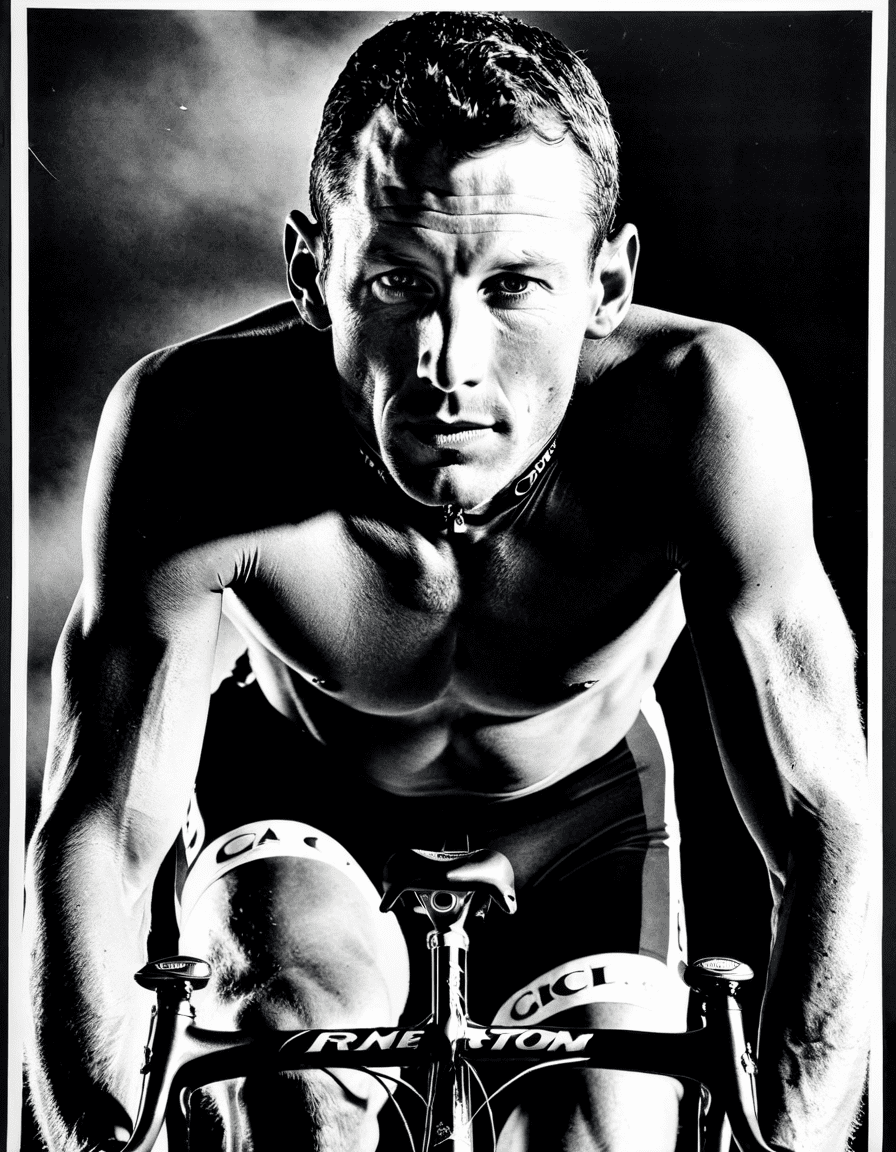
The Highs and Lows of Lance Armstrong’s Legacy
The Unstoppable Athlete: Trophies and Tenacity
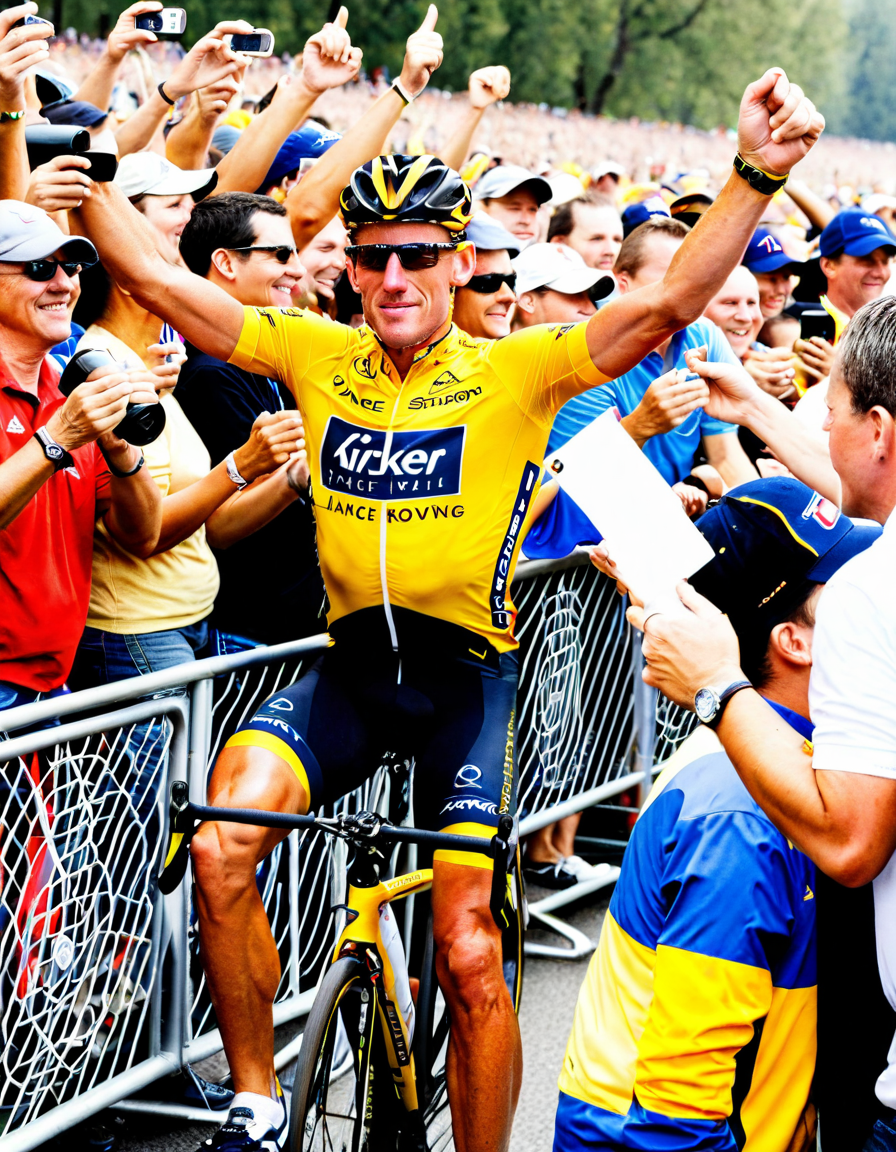
Lance Armstrong’s story began in a way that captivated fans and critics alike. He was born in 1971 in Texas, and his fervor for cycling started at a young age. With a relentless pursuit of greatness, he snatched the title of Tour de France champion seven times from 1999 to 2005. That’s not just impressive; it’s downright legendary! Much like Malcolm X’s journey toward civil rights activism, Armstrong emerged victorious despite daunting odds—battling cancer and emerging a whole different kind of champion.
Armstrong’s battle with cancer is a prime example of grit and determination. Facing a near-fatal diagnosis, he came back not just to compete but to dominate. His story inspired many individuals to rise above their challenges. It represented a beacon of hope, similar to how Churchill’s resilience inspired a nation during WWII. When Armstrong strolled back into the cycling lanes, it was as if he’d carried the weight of many aspirations.
However, with great triumph often comes the heavy baggage of scrutiny. That’s where things took an unfortunate twist. While many cheered for Armstrong on his victories, whispers of drugs swirled around, reflecting on the high stakes of competitive sports. To understand his epic descent, one must look at the moment his shadows began to eclipse his shining achievements.
The Doping Scandal: A Lesson in Deceit
In 2012, it all came crashing down. The doping scandal hit Armstrong like a freight train, painting him as a villain in a story that had started like a fairy tale. Investigations revealed that he provided a façade of strength while hiding a secret life fueled by performance-enhancing drugs. It drew parallel lines with figures like Robert Kennedy, whose political achievements were clouded by scandals. Media outlets reveled in the story, and suddenly, Armstrong’s image shifted from that of a hero to someone whom many viewed with distrust.
This doping scandal sent shockwaves rippling through the world of professional cycling, shaking the foundations of credibility. The entire sport has faced ongoing scrutiny regarding athletes’ integrity. Much like Bernie Mac whose authenticity was often questioned in a world fixated on fame, Armstrong’s fall sparked conversations around the gritty truths of success and the price of fame.
The scandal left Armstrong reeling. Fans felt betrayed, and competitors questioned their own accomplishments. The media, excited to feast upon the juicy details, pushed Armstrong’s narrative from inspiring to appalling. With every article published, the media essentially held a mirror up to societal values toning down the glamor of sports heroism with hard-edged reality. What began as an awe-inspiring journey turned into a cautionary tale.
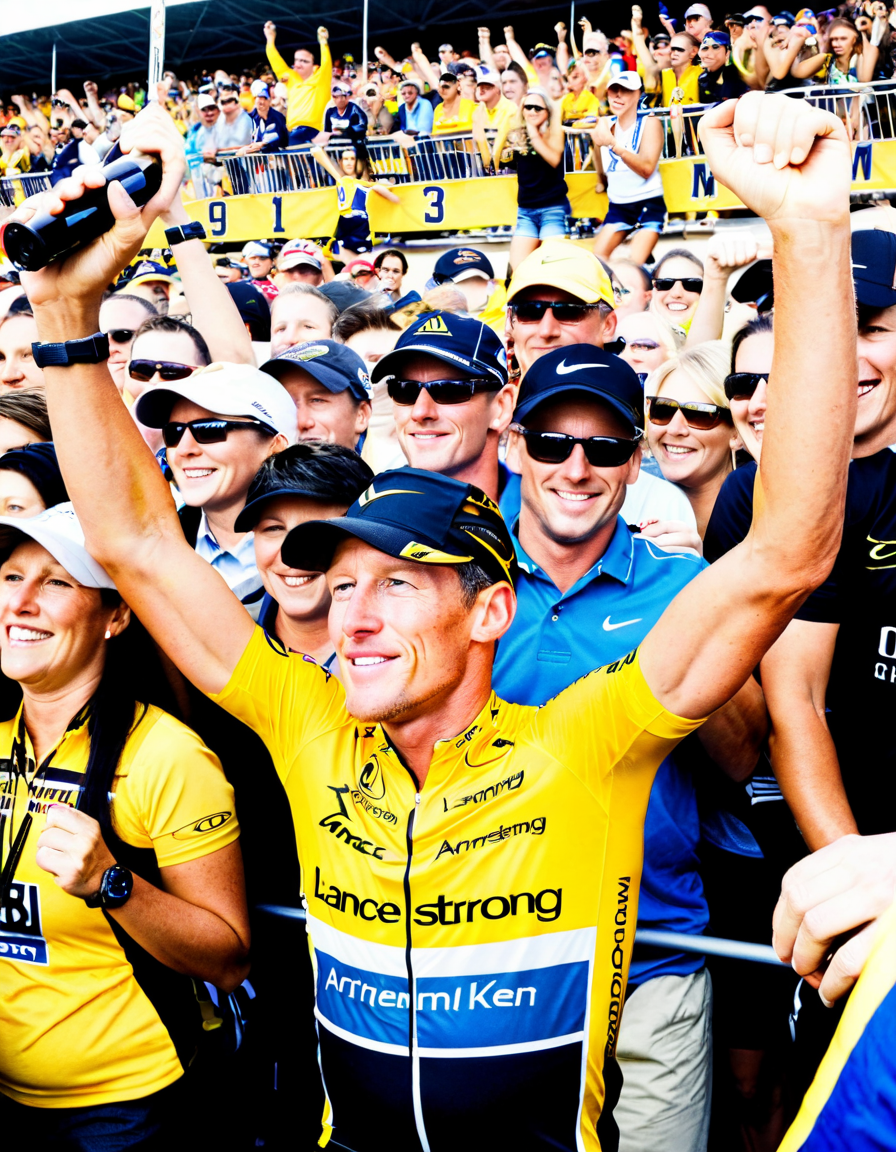
The Price of Fame: Public Perception and Media Scrutiny
Armstrong’s shift from hero to villain stands as a stark warning about how quickly perceptions can change. His fall from grace was not just news; it became part of a broader conversation about fame and its fallout. Taking a look at Vladimir Putin, his portrayal in the media also reflects how narratives can be shaped and manipulated. One moment, you’re a star, and the next, you’re dodging public outrage and a media storm.
Social media has played a critical role in shaping these public images. With the click of a button, opinions can go viral, rocking reputations quicker than a speeding bullet. Armstrong found himself in a whirlwind, where every tweet and post garnered eye-rolls or support, often without any middle ground. That’s the double-edged sword of fame—what can elevate you can just as quickly tear you down.
Moreover, it forces us to ponder what remains intact after the storm has passed. Just as Colin Powell sought to uphold his legacy despite challenges, Armstrong attempted to claw back into rights and regain public goodwill. However, the pathway to forgiveness is paved with reluctance, as those who once cheered now stand hesitantly at the sidelines.
The Road to Redemption: Reflections on the Comeback
As time passed, Armstrong’s journey steered towards rehabilitation—an attempt to reconcile his past misconceptions with the desire to rebuild trust. The public watched closely, hoping for a stirred sincerity that highlights an individual’s growth. Like Elizabeth Taylor, one of the most charming comeback queens, Armstrong realized that his missteps could serve as lessons rather than mere regrets.
Armstrong’s efforts to speak out and seek forgiveness showcased a transformation beyond mere cycling. He delved into philanthropy, focusing on raising awareness about cancer, which connected him with both survivors and those fighting similar battles. Many believe he utilized his fame for a cause that resonates, much like how actors and stars use their platforms to advocate for societal issues.
This quest for redemption is a complex dance. Interviews, memoirs, and candid reflections painted an intricate picture of his struggle. He often echoed thoughts similar to what Winston Churchill himself might have said about resilience—the idea that “success is not final, failure is not fatal.” Each step Armstrong took served as a glimpse into the complexities of human nature, engaging with the public’s desire for a narrative of forgiveness.
Lessons from the Journey: Resilience and Transformation
Armstrong’s story shows us a vital lesson in resilience. Just as Malcolm X fought to uplift others while wrestling with his own flaws, Armstrong taught the world that redemption is possible. Even in the face of significant setbacks and broad public disapproval, the power to transform one’s life remains within reach.
In 2026, the landscape still grapples with what it means to truly forgive and rebuild. Conversations continue: can a reputation be restored entirely? What does a “second chance” really look like? Armstrong serves as a mirror reflecting the intricacies of fame and downfall, all the while reinforcing the inherent truth—failure doesn’t define you, but how you rise afterward reshapes you.
As we ponder Armstrong’s journey, we embrace the idea that every fall can transform into a steadfast rise, layering our narratives with the wrinkles of complexity. It’s an inspiring reminder that alongside every public figure’s stumble lies an opportunity for transformation, placing accountability front and center.
Forge Ahead: The Legacy Beyond the Fall
What remains of Lance Armstrong’s narrative is more profound than just his missteps; it’s a multi-faceted exploration of the human spirit amidst failures. His journey is not only a cautionary tale, but a poignant reminder that accountability and growth are intertwined. As we reflect on Armstrong—his failures and his desire to mend bridges—we also remember that the road to redemption is filled with hurdles and stretches of real growth.
In 2026, instead of merely viewing his story through a lens of scandal, let’s celebrate the lessons learned about resilience, accountability, and the ever-important quest for self-acceptance. After all, it takes courage to turn an inward eye on oneself, and in that, Armstrong is no different than many others along history’s winding path—each moment etched in the fabric of their journey.
Lance Armstrong: The Rise, Fall, and Journey of Redemption
Early Life and Career Highlights
Lance Armstrong’s journey began not far from the Texan sun, where he not only honed his cycling skills but also embraced a fierce competitive spirit. Did you know that his early triumphs included not just cycling but also triathlons? Yes, before he became a household name, Armstrong was a triathlete, showcasing his versatility. Just like Franz Ferdinand’s unexpected rise to fame, Armstrong shocked the sports world when he transitioned to cycling and captured a world title at just 21. His tenacity paid off, and he eventually became a seven-time Tour de France champion, cementing his place in sports history.
The Doping Scandal
However, the cycling legend’s glory didn’t last forever. The cloud of doping allegations hung over Armstrong, like a shadow that just wouldn’t lift. The investigations left many questioning the authenticity of his victories—think of it as the public frenzy around the iconic film O Brother where art thou—what’s real and what’s not? Armstrong’s confessions in 2013 confirmed the rampant doping in his career, shocking fans and supporters. Caught in this web, Armstrong’s fall was as dramatic as any classic tragedy, reminiscent of Sylvia Plaths poetic tragedies, capturing the complexities of human frailty and ambition.
Paths to Redemption
Despite his fall from grace, Armstrong’s path to redemption has been nothing short of riveting. After serving his suspension, he re-focused his efforts on cancer advocacy through the Lance Armstrong Foundation, aiming to inspire others battling similar issues. In this light, his challenges echo the struggles many face, crafting a narrative that draws parallels to inspirational tales, much like the Hija motif in literature that speaks to growth and resilience. Could his endeavors be as profound as Mgmts exploration of life through music, weaving new narratives for future generations?
Armstrong is constantly evolving, and while he lost some fans along the way, he’s gaining a new audience that appreciates his commitment to change. It’s like searching for meaningful conversations—check out these Questions To get To know someone that can spark dialogue about redemption and personal evolution. Ultimately, Armstrong’s story serves as a lighthouse map for those lost at sea, illustrating that even in the darkest times, there’s always a way to find light and a chance to inspire.