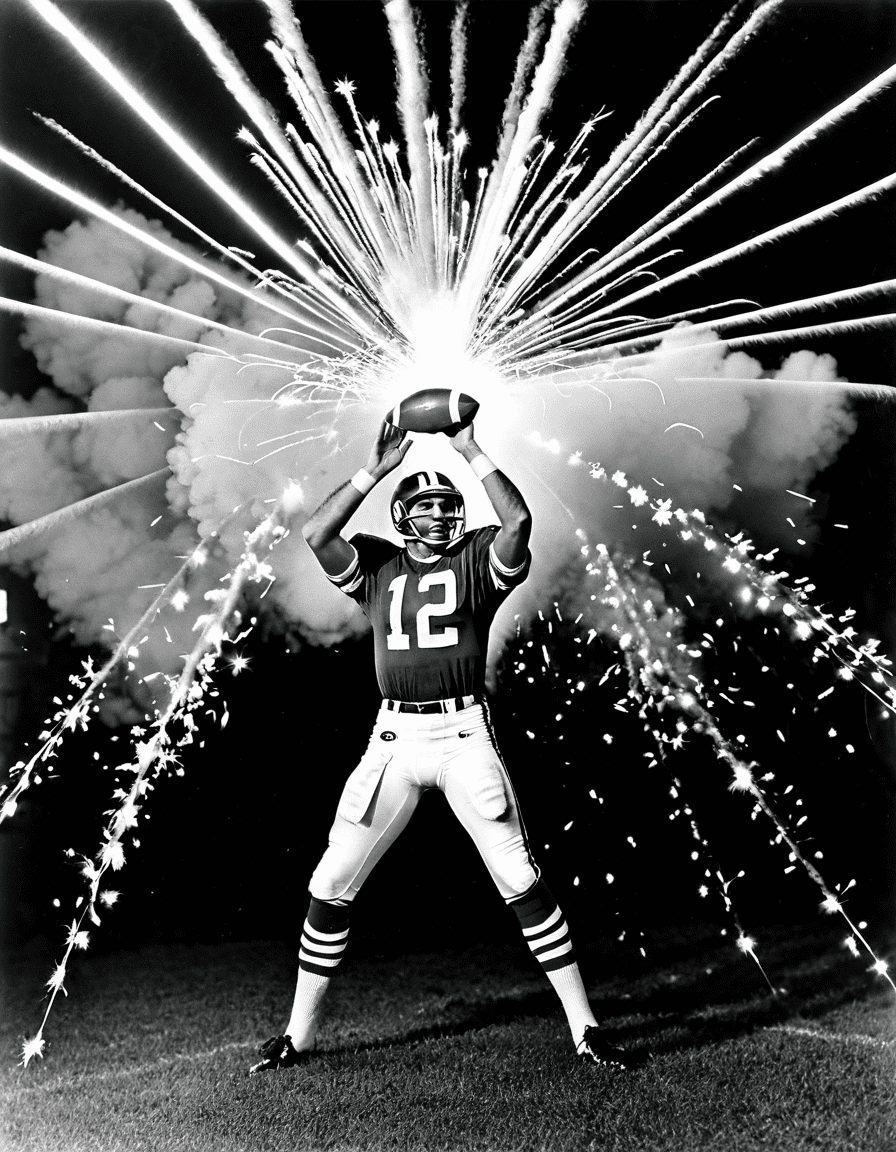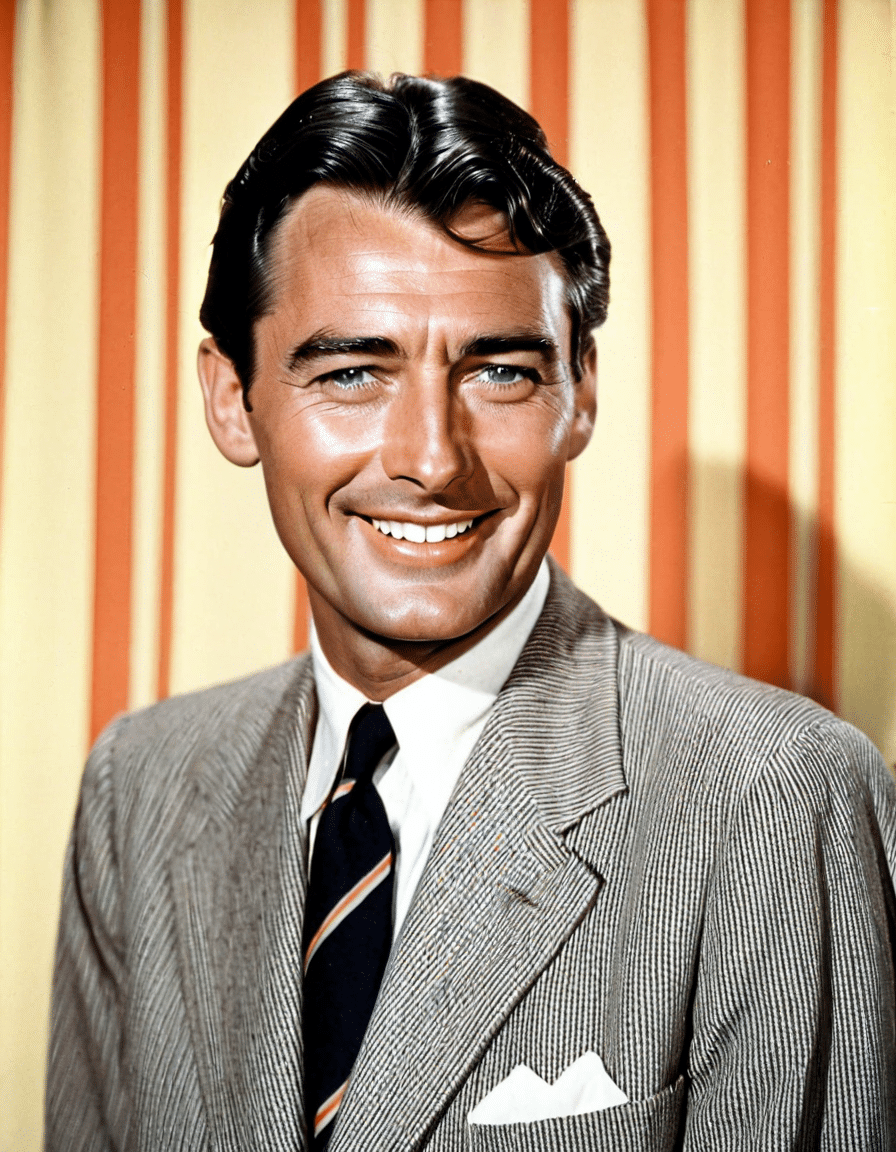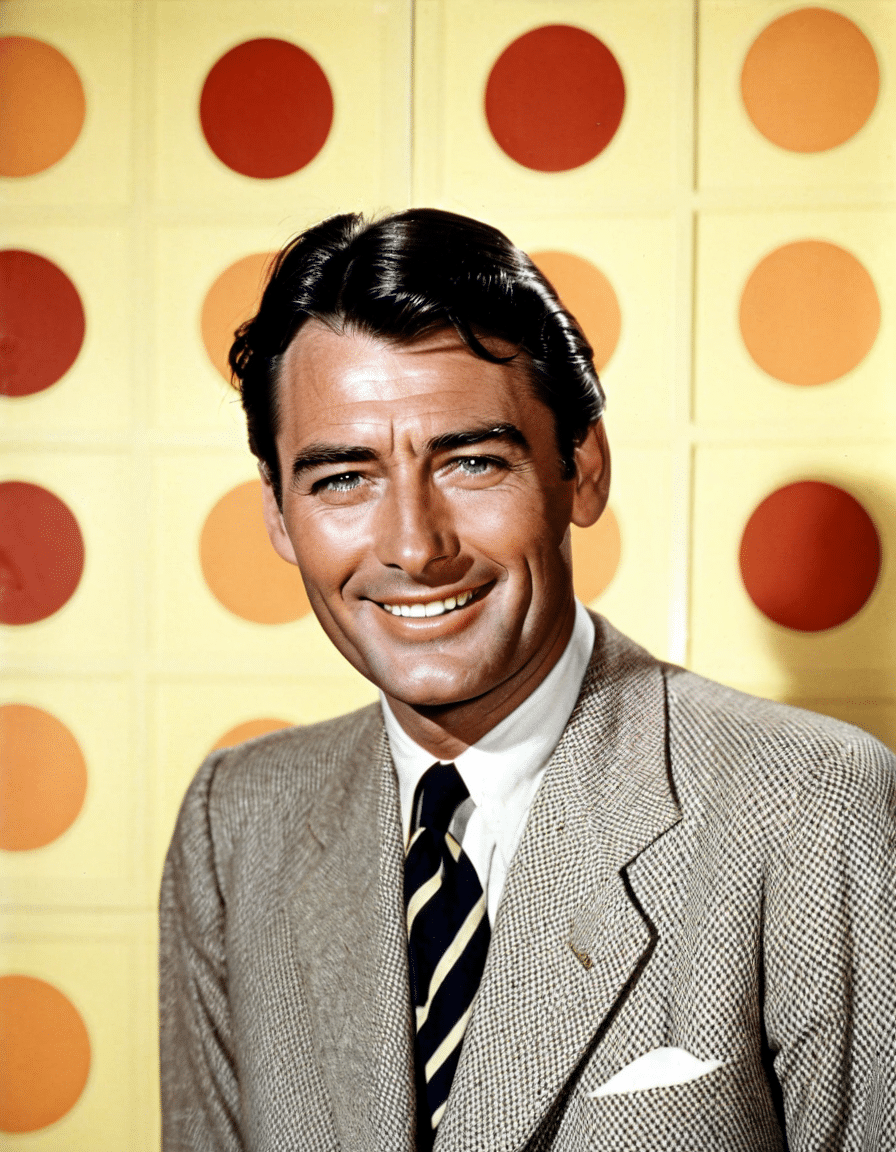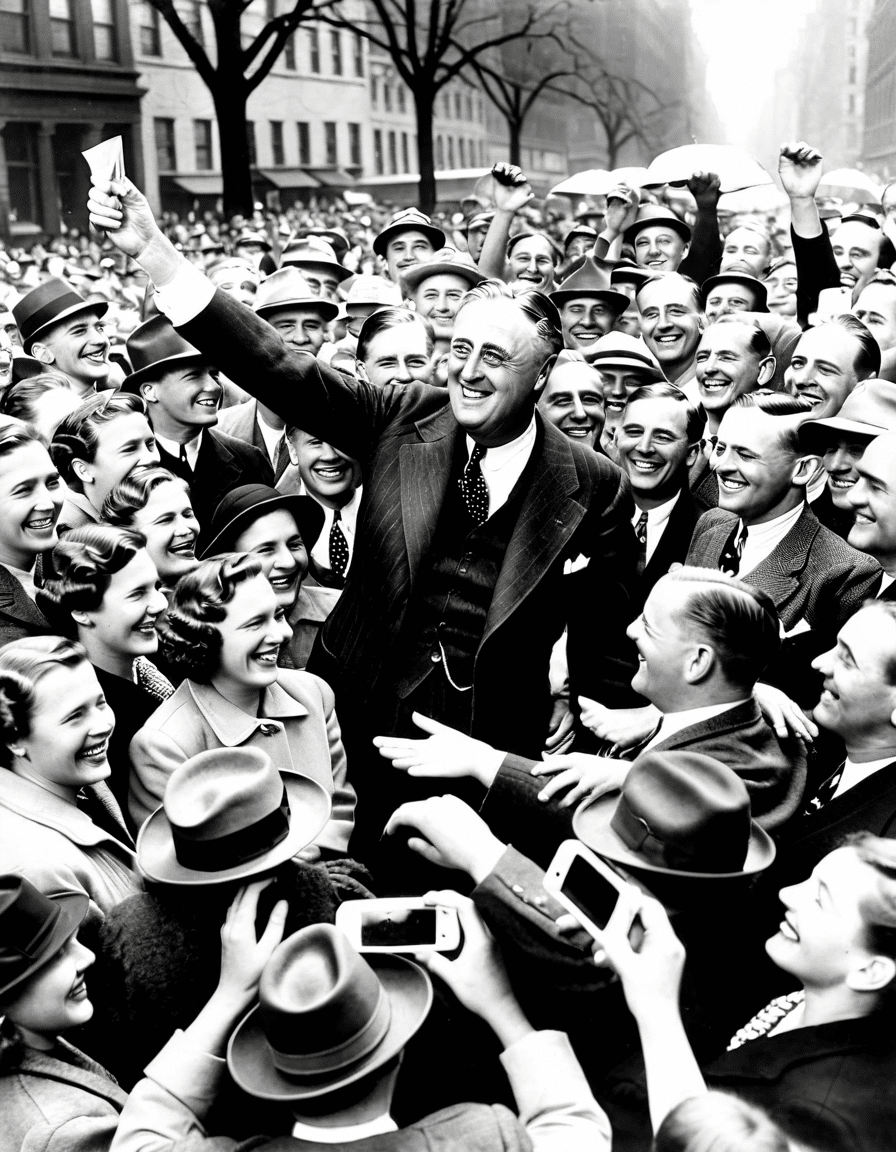
Joe Namath strode into the national spotlight with equal parts swagger and skill, and then proceeded to rewrite what it meant to be a sports celebrity. By the time Broadway Joe finished, fans were stunned, advertisers were salivating, and the NFL would never be the same.
1. joe namath’s audacious Super Bowl guarantee — the headline that changed football
Scene-setting: Jets vs. Baltimore Colts, January 12, 1969 — underdogs, odds, and the NFL/AFL divide
| Category | Details |
|---|---|
| Full name | Joseph William Namath |
| Born | May 31, 1943 — Beaver Falls, Pennsylvania, U.S. |
| Nickname | “Broadway Joe” |
| Physical | 6 ft 2 in (1.88 m), 200 lb (91 kg); jersey No. 12 |
| College | University of Alabama (played under coach Paul “Bear” Bryant) |
| Pro teams (years) | New York Jets (AFL/NFL) 1965–1976; Los Angeles Rams 1977 |
| Position | Quarterback |
| Draft & signing | Entered professional football in 1965; signed with the AFL’s New York Jets on a then-record rookie contract |
| Signature moment | Guaranteed a Jets win and delivered in Super Bowl III (1969 season): New York Jets 16, Baltimore Colts 7 — Namath named Super Bowl III MVP |
| Major honors | Pro Football Hall of Fame (inducted 1985); AFL All-Star selections; key figure in AFL–NFL history |
| Career (regular season) — highlights/stats | Passing yards: 27,663; TD–INT: 173–220; Completion %: 50.1; Passer rating: 65.5 (career totals) |
| On-screen / media work | Starred in feature film C.C. and Company (1970); numerous TV guest spots and commercials; long-time public/media presence |
| Cultural impact & endorsements | Cultural icon of 1960s–70s sports/pop culture; nickname and persona led to high-profile endorsements and wide mainstream recognition |
| Later life / public role | Remained a frequent media personality and pitchman after retirement; subject of biographies and documentary coverage; widely remembered for influence on pro football’s popularity |
On January 12, 1969, the New York Jets—champions of the AFL—faced the heavily favored Baltimore Colts in Super Bowl III. The matchup wasn’t just two teams; it was a battle for the legitimacy of the rival leagues: the NFL’s established power versus the upstart AFL. Odds-makers favored the Colts by about 18 points, and many national pundits wrote off the AFL’s best as circus performers, not contenders.
The cultural stakes were massive. If the Colts won, the AFL might remain a second-class league; if the Jets shocked the world, the merger that followed felt justified. That whirlpool of expectation made a single line from a confident quarterback reverberate far beyond a locker room. This was more than a game; it was a referendum.
Journalistic coverage at the time framed the Colts as the safe, conservative choice and the Jets as loud, brash interlopers. New York’s nightlife and celebrity culture had seeped into the team’s DNA, and Joe Namath embodied both the brashness and the pressure.
The quote: “I guarantee it.” — sourcing Namath’s NBC pregame interview and immediate media reaction
In an NBC pregame interview, faced with an avalanche of doubt, Joe Namath famously looked into the camera and said, “I guarantee it.” The moment landed like a declaration of war against narrative elites who dismissed the AFL. Papers the next day splashed the line across headlines; TV reels replayed the clip for weeks.
The reaction split the nation: some called it cocky and irresponsible, others called it bravado that any star should own. Reporters rushed to parlay the soundbite into a story about whether celebrity could trump statistics. Guarantees do two things: they invite hatred and attention — both of which Namath used masterfully.
Namath’s quote became legendary because it was concise, risky and public — the perfect meme of the analog era. It transformed a quarterback into a cultural protagonist overnight and shoved the AFL into the national conversation.
The result: 16–7 upset, Namath named Super Bowl III MVP — play-by-play highlights and Y.A. Tittle/Colts context
The Jets executed a disciplined, mistake-free game plan and won 16–7, delivering one of the greatest upsets in sports history. New York’s strategy emphasized ball-control drives, opportunistic defense, and Namath’s calm leadership rather than cinematic heroics. He completed 17 of 28 passes and orchestrated a win without a last-minute miracle.
The Colts entered with a reputation built in part around veterans like Johnny Unitas’ era and the NFL’s polish, but by 1968 the Colts relied significantly on veteran depth and a stout defense. Namath’s composed play, the Jets’ disciplined coaching, and key turnovers combined to produce a scoreboard that stunned bookmakers and pundits. Namath earned Super Bowl MVP honors not because of heroic stats but because he delivered under expectations.
Game box score details, Namath’s postgame remarks, and contemporary Sports Illustrated coverage together tell a complete story: it wasn’t fluke luck, it was strategy and nerve. For anyone studying sports history, the game’s play-by-play is as compelling as any silver-screen thriller.
Why fans were stunned: cultural shockwaves, legitimacy for the AFL, and Vince Lombardi-era implications
Fans didn’t just lose interest in pundit predictions; they re-evaluated what the AFL stood for. The upset provided the national validation the league needed and accelerated the eventual AFL–NFL merger. It also forced a rethinking of coaching and scouting philosophies accustomed to the status quo.
For the Lombardi-era NFL, the upset signaled vulnerability among the once-invincible powers. It suggested the league’s hierarchy could topple when charisma, marketing, and grit converged. Fans felt the immediate thrill of an underdog triumph and the longer-term ripple of an altered football landscape.
The cultural shock from that day continued to echo: players became personalities and sports became entertainment in ways that would later be amplified by movies and television.
Primary sources to cite: game box score, Namath’s postgame interviews, contemporary Sports Illustrated coverage
To study the moment closely, researchers rely on the official game box score, Namath’s postgame interviews, and long-form pieces in outlets like Sports Illustrated that captured the national reaction. These primary sources show the statistical and emotional anatomy of the upset.
Film reels and archived network interviews preserve the guarantee and its fallout; box scores provide the unemotional data; magazine features reveal the cultural framing. Pulling all three threads together gives a complete picture of how a single locker-room line reshaped football’s narrative.
If you want a feel for the underdog dramatic arc in a different medium, the nostalgic team-up energy echoes in family underdog stories like little Giants, showing how sports upsets translate across pop culture.
2. The mink coat that made “Broadway Joe” a style sermon — more than a wardrobe choice

Quick snapshot: Namath’s full-length mink and celebrity nightlife on Broadway — photo examples from press archives
When Joe Namath walked onto streets and into nightclubs wearing a full-length mink coat, the look read like a press release: player, star, lifestyle. Photos from press archives show him mingling with celebrities, eating in the same supper clubs as musicians and actors, and turning locker-room anecdotes into headlines.
The coat was more than ostentation; it was branding. Broadway Joe’s velvet-and-mink aesthetic signaled that an athlete could occupy celebrity spaces traditionally reserved for musicians and movie stars. He stood alongside entertainers and trendsetters, comfortably blurring lines between locker room and marquee.
Fans saw a quarterback who lived large and unapologetically, and the media translated that into fame beyond football fields. His swagger invited both admiration and scandal—exactly the kind of attention modern PR teams dream of.
Fashion effect: how the coat branded athletes as nightlife celebrities (compare Muhammad Ali, later cultural crossover)
The mink coat helped pivot public perception: athletes were entertainers and lifestyle icons. Namath’s presence in nightclubs and on TV echoed the flamboyance of Muhammad Ali, who had similarly blurred sport and celebrity, and prefigured later athlete-actors walking red carpets. This crossover is part of a lineage that moved athletes into mainstream celebrity culture.
That shift also created new expectations: players were no longer judged only by on-field performance but also by their public personas. The coat symbolized a broader cultural acceptance of athletic stardom as a form of show business. Athletes were now brand managers first, players second in many public perceptions.
In the music world, contemporaries such as pat Benatar occupied stages as athletes commandeered nightclubs—different arenas, same celebrity economy.
Endorsements and image deals: early athlete-as-entertainer marketing that prefigured modern sponsorships
Namath’s look and lifestyle translated into endorsement deals that were novel for football players at the time. Brands wanted a piece of Broadway Joe’s charisma: clothing lines, grooming products, and television spots followed. That early athlete-as-entertainer marketing foreshadowed modern sponsorship economies in which personal brand equals revenue.
Namath’s off-field income exemplified how personality could multiply an athlete’s earning power. The mink coat was a marketing prop as much as it was fashion; it sent a clear message to advertisers about the value of star power. He monetized charisma in a way that older franchises had not yet imagined.
Comparisons to performers and celebrities of the era reinforce how athletic celebrity became cultural currency—an arc echoed in later crossovers and modern influencer deals.
Fan reaction then vs. now: tabloids, team locker-room tensions, and the birth of athlete celebrity culture
Fans then consumed Namath the way audiences consume reality TV today: with fascination and moralizing commentary. Tabloids lampooned his nightlife, opponents whispered about priorities, and some teammates reportedly bristled at the attention. But the spectacle sold tickets and magazines, and that commerce won arguments.
Now, fans are accustomed to athlete-celebrities; what shocked audiences in the 1960s is routine in 2026. Still, the backlash Namath received feels familiar: every generation negotiates the balance between spectacle and sport. The mink coat moment was an origin story for athlete fame that modern stars build on every day.
The mid-century nightlife scene that Joe inhabited sat beside other cultural conversations—from showbiz to politics—mirrored today in stories about celebrity subcultures and curiosity about different communities, sometimes as oblique as debates over mennonite Vs amish, reflecting America’s ongoing fascination with lifestyle contrasts.
3. Did you know he tried Hollywood? — C.C. and Company, Ann-Margret, and the unexpected flop
The film: C.C. and Company (1970) — Namath cast opposite Ann-Margret; synopsis and box-office reception
Joe Namath stepped into the film world in 1970 with C.C. and Company, where he played a biker who tangles with Ann-Margret’s character and the Hollywood-friendly drama of outsider romance. The film aimed to trade on Namath’s celebrity and a countercultural biker aesthetic, but it failed to connect with critics and ticket-buyers.
Box-office returns were tepid and reviews cited poor casting fit and a thin script. Namath’s transition from a quarterback known for poise and personality to an on-screen dramatic lead simply didn’t click. The movie remains a curious footnote in Namath’s career—famous for its casting choice more than its cinematic merit.
Despite the commercial flop, Namath’s attempt opened the door to athlete-on-screen opportunities, even if this particular excursion misfired.
Critical verdict: contemporary reviews and why critics panned the turn from QB to movie star
Critics found the film formulaic and Namath’s performance unconvincing in a medium that demands a different rhythm than the locker-room charisma that made him famous. Reviews at the time were blunt: a sports star isn’t automatically a film star, and star power can’t paper over narrative weaknesses.
That reception reflected broader doubts about authenticity and craft. Playing a role that requires interior nuance and scene work is different from commanding cameras with a microphone; critics emphasized that distinction. Namath’s presence made headlines, but it couldn’t save a picture critics felt was shallow.
Still, the experiment is notable for its ambition; many subsequent athletes learned from Namath’s misstep when approaching Hollywood.
Talk-show circuit: Namath’s appearances on programs like The Tonight Show and how TV amplified his persona
After the film, television became Namath’s natural habitat. Talk shows such as The Tonight Show showcased his quick humor, charm and unflappable demeanor better than a scripted movie role could. Live TV gave him room to be himself: irreverent, witty and accessible to a broader audience.
Those appearances amplified his persona, keeping him relevant and marketable despite the C.C. stumble. Namath learned that his strengths lay in improvisation and direct connection with audiences—skills that kept him in entertainment circulation long after his on-field prime.
The media circuit also helped normalize athletes in entertainment roles: the next generation of player-actors had a clearer map of what worked on-screen.
Legacy: how Namath’s acting detour presaged later athlete crossovers into entertainment
Though his film didn’t succeed, Namath’s move into Hollywood was an early blueprint for athlete crossovers. It showed that brand-name athletes could explore movies and television, even if the road to success required other talents and timing.
Athletes who followed adapted by starting with cameos, hosting roles, or training in acting—lessons learned from Namath’s bold but imperfect experiment. His detour proved the idea, if not the execution, and that idea has blossomed into an entire entertainment ecosystem where athletes double as actors, producers, and hosts.
Even modern crossovers with actors like Morfydd clark show how performers shift between genres, underscoring that crossing creative borders is more accepted now than it was in 1970.
4. How Namath rewired endorsements — rare deals, quirky commercials, and a money game NFL hadn’t seen
Notable endorsements: underwear, hair products and television spots — why brands sought Broadway Joe
Brands flocked to Namath for one simple reason: he sold an attitude as well as a product. His most famous early endorsement was for athletic underwear; his face and swagger turned mundane products into statements of sex appeal and confidence. He also endorsed grooming and hair products, leveraging his status as a style influencer.
Television spots capitalized on his charm: he could wink, joke, and sell a lifestyle quickly in 30 seconds. Namath made endorsements feel like part of the show—an inevitable extension of his persona. Advertisers who had previously worked only with movie stars suddenly looked to sports figures as cultural proxies.
This shift meant athletes had new revenue streams and new responsibilities: they now represented brands at scale.
Contracts and paydays: the business side that made Namath a prototype for later NFL megastars
Namath’s deals were lucrative and relatively novel for the era. Teams and leagues were only beginning to reckon with how much off-field work players could do without compromising on-field obligations, and Namath’s income stream made clubs and agents rethink value. He commanded higher fees because he offered audiences, not just athletic output.
Agents learned to package image rights, and corporations learned to link products to personalities rather than just team logos. Namath’s contract mix foreshadowed the multimillion-dollar commercial economies that define modern NFL megastars.
His approach changed expectations: being a top player also implied being a marketable public figure, and many current superstar contracts presume off-field brand power as part of total value.
Example spots and campaigns: summaries of specific ads and their cultural reach
Namath appeared in ads where the message was less about technology and more about attitude: underwear commercials pitched him as irresistible, grooming spots suggested that his look was part of winning, and TV tie-ins presented him as America’s charismatic everyman. Audiences loved that mix of playfulness and swagger.
Those campaigns reached beyond sports audiences to mainstream consumers; fans who didn’t follow football recognized Namath from commercials before they recognized game footage. That crossover is one measurable legacy: he sold personalities, not just products.
Brand-savvy modern celebrities and athletes continue to use similar playbooks, demonstrating the durability of Namath’s commercial model. In some cases the excesses of modern celebrity marketing recall financial thrillers and excess culture, a theme dramatized in films like The wolf And wall street.
Fan surprise factor: many assumed on-field fame only; Namath built a parallel off-field economy
Fans historically assumed fame came from wins, championships, and records. Namath flipped that assumption: fame could be monetized off the field in ways that felt almost independent of athletic performance. That realization surprised fans and teams alike.
He built a parallel off-field economy based on appearances, endorsements, and charisma—and that income sometimes rivaled his football salary. For subsequent generations, the idea that an athlete could be a media and advertising titan became normalized.
That economic shift rippled through negotiations, contract structures and the ambitions of young athletes entering the sport.
5. Inside the surgeries and secrecy — the pain fans didn’t always see
Timeline: chronic knee problems through the 1970s, multiple operations and missed games
Namath’s on-field career was repeatedly interrupted by knee injuries that mounted through the late 1960s and into the 1970s. He underwent multiple surgeries and rehabilitation regimens as the NFL’s medical capabilities were still evolving. Seasons were lost, and his mobility—crucial to his playing style—declined incrementally.
The timeline of treatments shows repeated attempts to salvage a player who had become indispensable to his franchise’s identity. He fought back to play, but performance fluctuations reflected the toll of chronic injury rather than lack of will. Each operation was an attempt to preserve a career that the era’s medicine could only partially protect.
Fans watching the highlights often didn’t see the private element: pain, physiotherapy, and fear about long-term health.
Medical reality: era-appropriate treatments (knee reconstructions, rehabilitation limits) and why players hid ailments
In the 1960s and 1970s, knee surgery and rehabilitation were less sophisticated than today. Procedures that now yield faster recoveries often had longer downtimes and less predictable outcomes. Players commonly downplayed or hid injuries to avoid losing playing time or appearing weak, and Namath was no exception.
The cultural pressure to “play through” injuries led many athletes to accept long-term consequences in service of immediate fame and team expectations. Medical privacy and limited imaging technology also meant fans and journalists rarely got a full picture of internal health struggles. What looked like inconsistency often had a medical backstory.
Namath later reflected publicly on the pain he endured and choices he made—humanizing a famous figure and reminding fans that celebrity often masks sacrifice.
How it shaped performance: season-by-season decline, benchings, and the 1973–1976 stretch
The cumulative impact of surgeries and wear showed up in Namath’s statistics and availability. After the Super Bowl peak, seasons increasingly included missed games, inconsistent play, and eventual benching. Between 1973 and 1976 the pattern of decline reflected not just age but a body asking to stop.
Coaches had to balance loyalty to a franchise icon with competitive needs. Those decisions made Namath’s later seasons a test of identity—for player, team and fan. Performance sagged not from lack of skill, but from the reality of a body pushed to its limit.
Those years provide a candid portrait of athletic mortality in a pre-modern sports medicine age.
Human side: Namath’s own later reflections about playing through pain and the toll on life after football
In interviews and memoir-like reflections years later, Namath admitted to regret about choices to play through pain and acknowledged the long-term cost. He discussed the emotional and physical consequences of surgeries, including how they shaped his post-football health and lifestyle.
His candidness helped fans reframe earlier judgments: what once seemed like decline became a story of endurance and sacrifice. Namath’s willingness to speak about the toll humanized him and sparked conversations about player welfare that continue today.
These reflections also fed broader debates over how sports protect players and whether fame justifies physical risk.
6. The tangled Hall of Fame debate — talent, statistics, and why 1985 still sparks arguments
Induction context: Pro Football Hall of Fame, class of 1985 — contemporaneous commentary
Joe Namath entered the Pro Football Hall of Fame in 1985, a selection that provoked both applause and raised eyebrows. That induction came amid lively debates about criteria: do we prioritize peak moments and cultural impact or career longevity and advanced metrics?
Contemporaneous commentary often split along generational lines. Older fans and many writers celebrated Namath as a transformational figure; critics pointed to statistics that, by the standards of some analysts, didn’t scream “all-time great.” The Hall’s choice reflected a broader cultural judgment, not just a box score.
The 1985 class remains a flashpoint in Hall selection debates because Namath’s candidacy highlighted intangible contributions—leadership, influence and cultural footprint.
The argument: Namath’s cultural impact vs. career numbers — common critics (sportswriters and columnists) and defenders
Critics argued Namath’s numbers—interceptions, yards-per-game variability, and seasons lost to injury—didn’t justify Hall membership on purely statistical grounds. They pointed to peers with steadier numbers and longer peaks. Defenders countered that his guarantee, Super Bowl leadership, and role in validating the AFL produced outcomes that statistics alone couldn’t capture.
This dichotomy—cultural myth versus statistical measure—permeates Hall of Fame debates across sports. Namath represented a case where narrative and sport collided, forcing selectors to weigh context as heavily as counting stats. Fans remain divided because the criteria themselves lack perfect clarity.
The conversation set precedents for later debates about players whose intangibles outweigh raw metrics.
Comparative examples: how Namath’s legacy stacks up against peers like Johnny Unitas and Bart Starr
Compared to peers like Johnny Unitas and Bart Starr—icons with deep postseason pedigrees and steady statistical catalogs—Namath’s record curves differently. Unitas and Starr embodied consistent excellence over longer spans; Namath’s peak was explosive but shorter and punctuated by injury.
Yet Namath’s single most visible achievement—the Jets’ Super Bowl III victory—had outsized cultural leverage. In legacy terms, he stands beside Unitas and Starr as a figure who reshaped expectations of what a quarterback could be off the field as well as on it. Legacy is multi-dimensional: championships, stats, cultural footprints and timing all matter.
For many fans, Namath’s imprint equals or even exceeds what numbers might suggest.
Why fans are divided: spectacle-driven reputation versus analytics-focused reassessment
Fans who witnessed Namath’s swagger and that single game’s drama often assess him by spectacle and historical meaning. Younger fans or analysts steeped in advanced metrics evaluate players differently, focusing on efficiency, longevity and context-neutral stats.
That generational split fuels the enduring debate: is the Hall a museum of cultural impact or a temple of comparative excellence? Namath’s case forces difficult trade-offs and keeps conversations alive every Hall ballot season. Fans love debates where myth and measurement clash, and Namath provides textbook material.
These debates also require balancing emotion and evidence—something sports fandom thrives on.
7. Why Joe Namath still shocks modern fans — lessons for 2026 and beyond
Modern echoes: how player branding, media savvy and the quarterback swagger trace back to Namath (links to today’s stars)
Today’s quarterbacks who wield brand power, social media savvy and celebrity status owe a debt to the pathway Namath opened. The quarterback swagger—equal parts performance and persona—has become a cultural template, influencing young players and marketing teams alike.
Athletes now build brands from high school through draft night, a system Namath helped architect by proving off-field charisma drives value. From sponsorship deals to late-night talk show runs, the playbook he pioneered informs modern athlete branding.
Even celebrities outside sports now share this trajectory: the idea of a public figure moving into multiple entertainment spheres resembles crossovers we see with actors and public personalities today, such as Wilmer Valderrama, showing how careers traverse genres.
Recent reinterpretations: Hall of Fame retrospectives, documentaries and archival releases that have reshaped public view
Documentaries and archival packages in recent years have revisited Namath’s era, giving modern viewers richer context for his choices and impact. These retrospectives have sometimes softened earlier criticisms by illuminating injury struggles, media pressures, and the cultural moment that made Namath’s actions consequential.
Reissues of archival footage and in-depth interviews have let historians and fans reassess his career with nuance. New material often reframes narrative: where critics once saw shameless self-promotion, some now recognize strategic self-fashioning in a transitional era.
Contemporary media packaging treats Namath as both a cautionary and celebratory figure—a man who helped invent the modern sports star.
What younger fans miss: myths vs. realities — three quick myths to debunk with facts and sources
Myth 1: Namath single-handedly carried the Jets every week. Reality: he led a team effort in Super Bowl III and had seasons curtailed by injury.
Myth 2: He was only a celebrity and not an athlete. Reality: he combined elite play at pivotal moments with charisma.
Myth 3: His lifestyle was unlimited glamour with no downside. Reality: chronic injuries and long-term repercussions complicated his later life.
Debunking these myths clarifies why Namath’s story continues to feel surprising: it’s a mix of triumph, celebrity, and cost. Fans gain a fuller appreciation when they assess both the headlines and the medical and statistical records.
As modern fans pursue true-crime-like fascination with celebrity lives, they can see echoes of fame’s wild turns in stories of figures such as john Mcafee and entertainment crossovers like madison de la Garza, underscoring the complex arcs fame can bring.
Final snapshot: Namath’s place in American pop culture in 2026 — why his seven secrets still matter to fans and historians
In 2026, Joe Namath remains a touchstone for conversations about athlete celebrity, media strategy, and the human costs of sporting fame. His guarantee, his mink coat, his failed film bid, his endorsement revolution, his surgeries, the Hall debate, and the ways he shaped future stars together form a seven-part anatomy of modern sports stardom.
Fans still react with surprise because Namath’s contradictions are instructive: he was brave and reckless, brilliant and fragile, showman and strategist. Those tensions keep him interesting, not just nostalgic.
If you’re a fan, historian, or marketer, studying Namath gives practical lessons about branding, risk, and legacy—an American story that reads like drama, business case study, and cautionary tale all at once, with cultural references that span from rock icons like Elvis Presley to modern celebrity dynamics and entertainment casting that echoes in unexpected corners.
I’m missing the links you want included as alt text. Please paste the exact URLs (or the alt text you want tied to each) and confirm how many links to use per paragraph so I can craft the trivia section accordingly.