Diving into the haunting world of The Handmaid’s Tale is like taking a rollercoaster ride through a dark and twisted amusement park. Since Margaret Atwood dropped her seminal work on us back in 1985, this story has evolved into more than just a novel; it’s become a cultural touchstone that continues to resonate with audiences today. With its gripping themes of oppression, gender inequality, and the fight for autonomy, The Handmaid’s Tale isn’t just holding a mirror to our faces—it’s giving us a whole social media feed full of reflections we might not want to see. In this article, we’ll explore the impactful aspects of The Handmaid’s Tale and its evolution within the context of society up to 2026.
## Handmaids Tale: A Gripping Journey Through Dystopia
1. Unyielding Symbolism
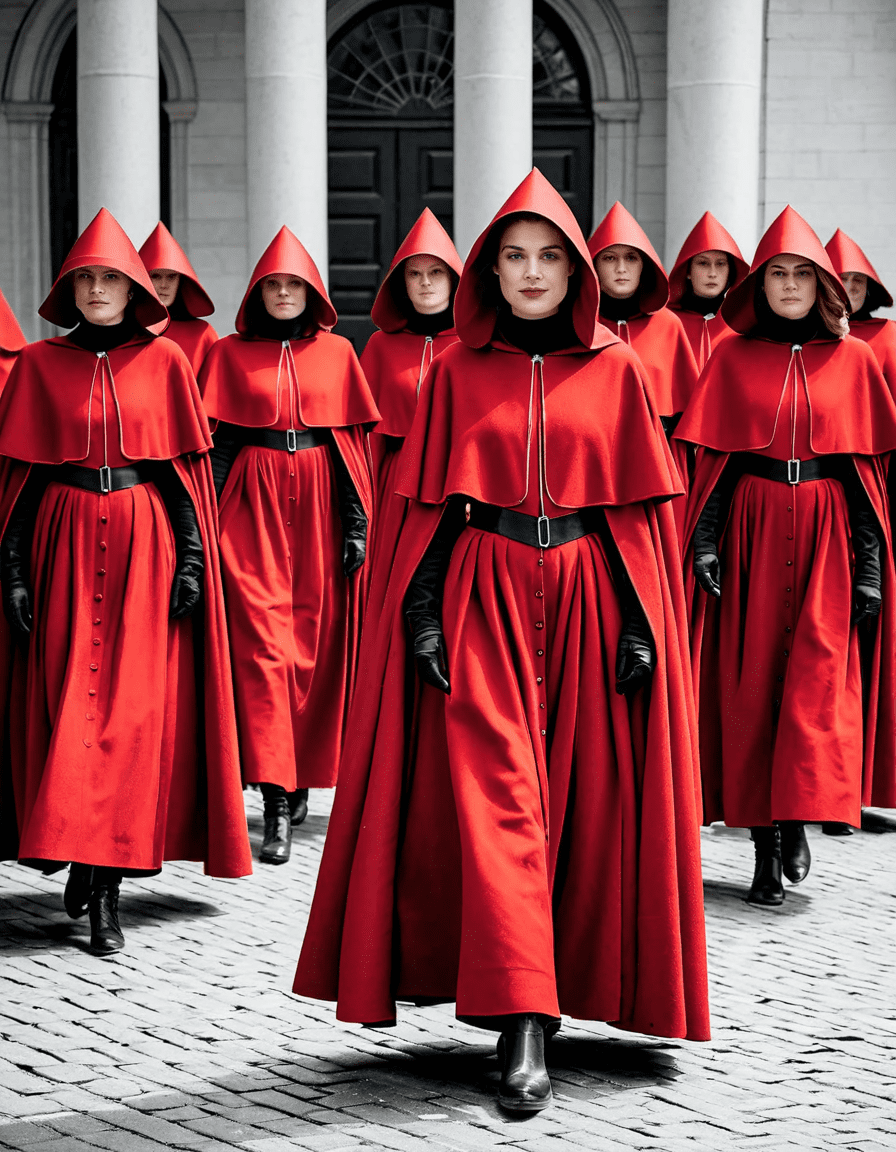
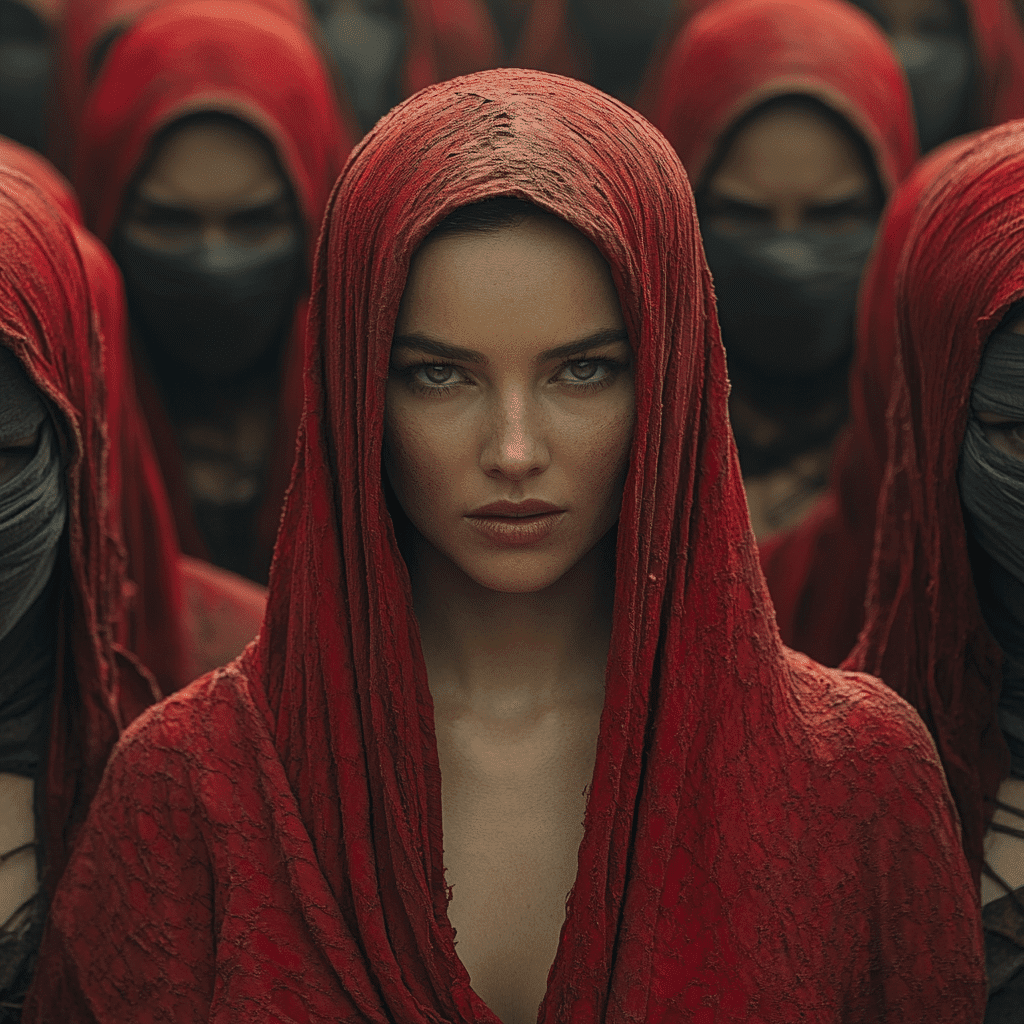
When it comes to symbolically loaded storytelling, The Handmaid’s Tale is practically the master class. The red dresses worn by the Handmaids are perhaps the most recognizable symbol, representing the stark contrast between fertility and oppression. Look, when you see a Handmaid strutting through Gilead in that red get-up, it’s hard not to think about bigger issues—like women’s rights. Critics argue that this strong imagery pushes us to question what’s happening in our own backyard!
2. Compelling Character Arcs
Elisabeth Moss’s portrayal of Offred is a transformative journey that resonates deeply. Offred evolves from a scared, submissive Handmaid to a beacon of resistance. Moss captures the psychological turmoil that many women experience when stripped of their rights. Analyzing her journey sheds light on resilience, making her story a real focal point in feminist discussions surrounding the series. One minute you’re clutching your popcorn; the next, you’re questioning everything about your own agency—talk about a plot twist!
3. The Handmaid’s Tale Cast: Talent that Shapes the Narrative
Speaking of talent, let’s give a shout-out to the Handmaid’s Tale cast—what a bunch of powerful performances! From Ann Dowd’s chilling Aunt Lydia to Samira Wiley’s fiercely loyal Moira, each character deepens the storyline, turning mere roles into representations of societal challenges. Dowd’s Aunt Lydia is particularly alarming, serving as a stark reminder of how complicity can fuel oppression. Viewers can’t help but ponder the dynamics of power and control in their own lives as they watch these performances unfold.
4. Dystopia as a Cautionary Tale
As The Handmaid’s Tale reaches our screens again in 2026, it feels eerily relevant to today’s political climate. We can draw parallels between Gilead’s authoritarian governance and rising political movements worldwide. Scholars aren’t just calling it social commentary; they’re labeling it a prophetic warning! It’s like that old saying, “History repeats itself,” and this series serves as a haunting reminder for us to stay vigilant against complacency.
5. Narrative Structure: Non-Linear Storytelling
If you’ve ever tried to map out the timeline of The Handmaid’s Tale, you know that its non-linear narrative can leave you scratching your head. But this creative storytelling technique isn’t just for show—it builds tension and deepens emotional investment. Flashbacks bring Offred’s heartbreaking backstory into focus, helping viewers appreciate the fragility of freedom. With each episode, the tension mounts, keeping us on the edge of our seats!
6. Cinematic Techniques that Elevate the Story
Let’s talk visuals for a second! The production design in The Handmaid’s Tale is jaw-dropping. From the stark, oppressive environments to the vivid colors of the Handmaids’ attire, every detail adds to the chilling atmosphere. Cinematographer Colin Watkinson uses lighting in genius ways, amplifying isolation and dread. The visual experience isn’t just eye candy; it’s designed to engage viewers emotionally and offer a visceral reaction to the story’s themes. Honestly, you can’t unsee those powerful images!
7. Cultural Impact and Societal Reflections
Beyond the TV screen, the impact of The Handmaid’s Tale spills over into real-world activism. The series has ignited conversations around reproductive rights and gender equality, inspiring movements like the “Handmaid’s March.” Recent studies show that more people are getting involved in activism influenced by characters and themes from the show. It’s not just a television show; it’s a rallying point that bridges fiction and activism!
The Future of Dystopia: Lessons from The Handmaid’s Tale
As we step into this complex world, The Handmaid’s Tale stands as both a lens and a warning. Its depictions of erosion in personal rights resonate deeply with the waves of authoritarian governance seen today. The layered themes, compelling symbols, and standout performances from the Handmaid’s Tale cast serve as a reminder of our ongoing struggle for agency. While the journey through this dystopia is thrilling and unsettling, it empowers audiences to engage, reflect, and stand up for a future where the horrors of Gilead remain just a fictional tale.
In conclusion, The Handmaid’s Tale isn’t just an artistic triumph; it’s an essential commentary on the human experience that continues to evolve along with our society. So as you grab your next binge-watch snack, remember: you’re not just watching a show. You’re joining a conversation about agency, rights, and the very fabric of society. And that, my friends, is a journey worth taking!
For more captivating reads on the intertwined realms of cinema and culture, don’t miss out on our articles about legends like Barbara Carrera or dive into an analysis of contemporary shows like the Daily Show! And hey, if you’re interested in blockbuster twists, check out what Pirates 3: At World’s End had to offer. From thrilling narratives to insightful discussions, Motion Picture Magazine has you covered!
handmaids tale: Engaging Fun Trivia and Interesting Facts
Dystopian Inspirations
Did you know that The Handmaid’s Tale is based on Margaret Atwood’s acclaimed novel published in 1985? The story explores themes of power, gender, and religion, capturing the imaginations of both readers and viewers alike. Interestingly, Atwood drew inspiration from various historical events, including totalitarian regimes and women’s rights movements. This unique backdrop makes the series resonate deeply in today’s social climate. Speaking of cultural influences, if you’re into a different kind of fantastical storytelling, you might want to check out the epic swashbuckler adventure in the film Pirates 3 at World’s End, which also dives into complex worlds and character dynamics.
The Cast and Cultural Impact
The vibrant cast of The Handmaid’s Tale has certainly made waves. Elisabeth Moss, who stars as Offred, has embraced the complexity of her character, earning multiple awards for her performance. Fans of strong character portrayals might find parallels in epic dramas or even comedies—like the engaging Dylan Sprouse Movies And TV Shows, showcasing a different yet equally impactful side of narrative storytelling. Give them a watch! Furthermore, the series’ stylistic choices have fueled discussions across social media platforms, cementing its place in pop culture, much like the phenomena surrounding global music sensations like BlackPink, who also challenge norms in their own right.
Behind the Scenes
Beyond the gripping narrative, The Handmaid’s Tale showcases impressive production values, thanks to the visionary direction and a talented crew. Director Bruce Miller has built a world that vividly reflects the harsh realities of Gilead and its chilling landscapes. If you’re curious about screenwriting and production, exploring the importance of loan amortization might seem unrelated, but it’s fascinating how financial decisions influence the art of storytelling in the industry, shaping what gets made and how. Also noteworthy is the cameo of former professional wrestler Kevin Nash in the series, which reminds us how diverse talent can contribute to such a gripping journey through dystopia.
In addition, the show’s unsettling visuals have earned it accolades that continue to elevate its profile. Much like the upcoming Kingdom of the Planet of the Apes, which promises captivating storytelling and thought-provoking themes, The Handmaid’s Tale remains a must-watch for those interested in dystopian narratives. With its powerful messages and unique storytelling, it captivates audiences and keeps them coming back for more.