Courteney Cox almost walked into Friends as Rachel - and that’s only the start. These seven backstage revelations scratch behind the laugh track to show how casting choices, wardrobe tricks, pay fights, and private life nudges shaped one of TV’s most durable ensembles. Read on for the kind of set stories that make you rewatch episodes with a new pair of eyes.
Courteney Cox 1) Audition Switch - She Tried Out for Rachel, Then Became Monica
The casting backstory - David Crane, Marta Kauffman and Kevin Bright’s decision process
| Category | Details |
|---|---|
| Full name | Courteney Bass Cox |
| Born | June 15, 1964 - Birmingham, Alabama, U.S. |
| Nationality | American |
| Occupation | Actress, producer, director, former model |
| Height | 5 ft 5 in (165 cm) |
| Breakthrough role | Monica Geller on Friends (NBC, 1994–2004) |
| Notable TV roles | Monica Geller (Friends); Jules Cobb (Cougar Town, 2009–2015); Lucy Spiller (Dirt, 2007–2008) |
| Notable film roles | Gale Weathers in the Scream franchise (1996–2023) |
| Production work | Co-founder of Coquette Productions; producer on Cougar Town and other projects |
| Directing | Has directed TV episodes, including episodes of Cougar Town |
| Major nominations & awards | Golden Globe nomination (Best Actress - TV Musical/Comedy for Friends, 2002); multiple Screen Actors Guild nominations as part of the Friends ensemble; various TV/critics recognitions |
| Personal life | Married David Arquette (1999–2013); long-term partner Johnny McDaid (since 2013); daughter Coco Riley Arquette (b. 2004) |
| Philanthropy & advocacy | Supports charitable causes and public benefit events (participates in health and disaster-relief fundraisers) |
| Career highlights | 1980s model and commercial work; TV stardom with Friends; established film-franchise presence with Scream; transitioned to lead/creator roles in TV (Cougar Town) and producing/directing |
| Selected filmography (selected) | Friends (TV, Monica Geller, 1994–2004); Scream (1996), Scream 2 (1997), Scream 3 (2000), Scream 4 (2011), Scream (2022), Scream VI (2023); Dirt (TV, 2007–2008); Cougar Town (TV, 2009–2015) |
| Public image / legacy | Recognized as a pop-culture figure for Friends and Scream; noted for comedic timing, dramatic turns, and behind-the-camera roles in television production |
Producers David Crane, Marta Kauffman and Kevin Bright held one of those rare, once-in-a-decade casting conversations: they had six actors who could play multiple roles, and chemistry mattered more than type. Early callbacks at NBC focused on how actors interacted together, not just monologues, so the final choices came down to Ensemble balance Rather than a single perfect “Monica” or “Rachel.” That ensemble-first approach is why Courteney ended up opposite Jennifer Aniston instead of in her originally auditioned role.
What Courteney auditioned with (pilot context) and why Jennifer Aniston landed Rachel
Courteney auditioned with Monica material during the pilot process but also read for Rachel in early callbacks; producers remembered her intensity and grounded presence. Jennifer Aniston’s reading skewed lighter and more spontaneous, which fit the creators’ vision for Rachel’s arc as a slightly more flighty, romantic lead. Casting tapes and later retrospectives indicate that those subtle energy differences pushed Courteney toward Monica and left Rachel’s romantic storyline to Aniston.
On-screen consequences - how Courteney’s energy reshaped Monica’s characterization
Courteney’s natural precision and physicality shaped Monica’s neuroses into comic strengths - the obsessive planning, the competitiveness, the caregiving. Producers leaned into those traits, and the writing later amplified Monica’s control issues because Courteney could sell them with a single expression. Key result: Monica felt like a fully formed person rather than a collection of quirks, which helped the show keep emotional stakes grounded even during slapstick peaks.
Source trail: interviews (e.g., Vanity Fair/Entertainment Weekly retrospectives)
If you want to trace the audition lore, Vanity Fair and Entertainment Weekly retrospectives remain essential, with producers and cast members recounting how the group negotiated roles over multiple sessions. For a contemporary example of how casting surprises still excite readers, look at stories around actors like Tatiana Maslany, whose career also highlights the power of versatility and ensemble fit.
2) The ‘Fat Monica’ Transformation - Behind the Padding and the Flashbacks
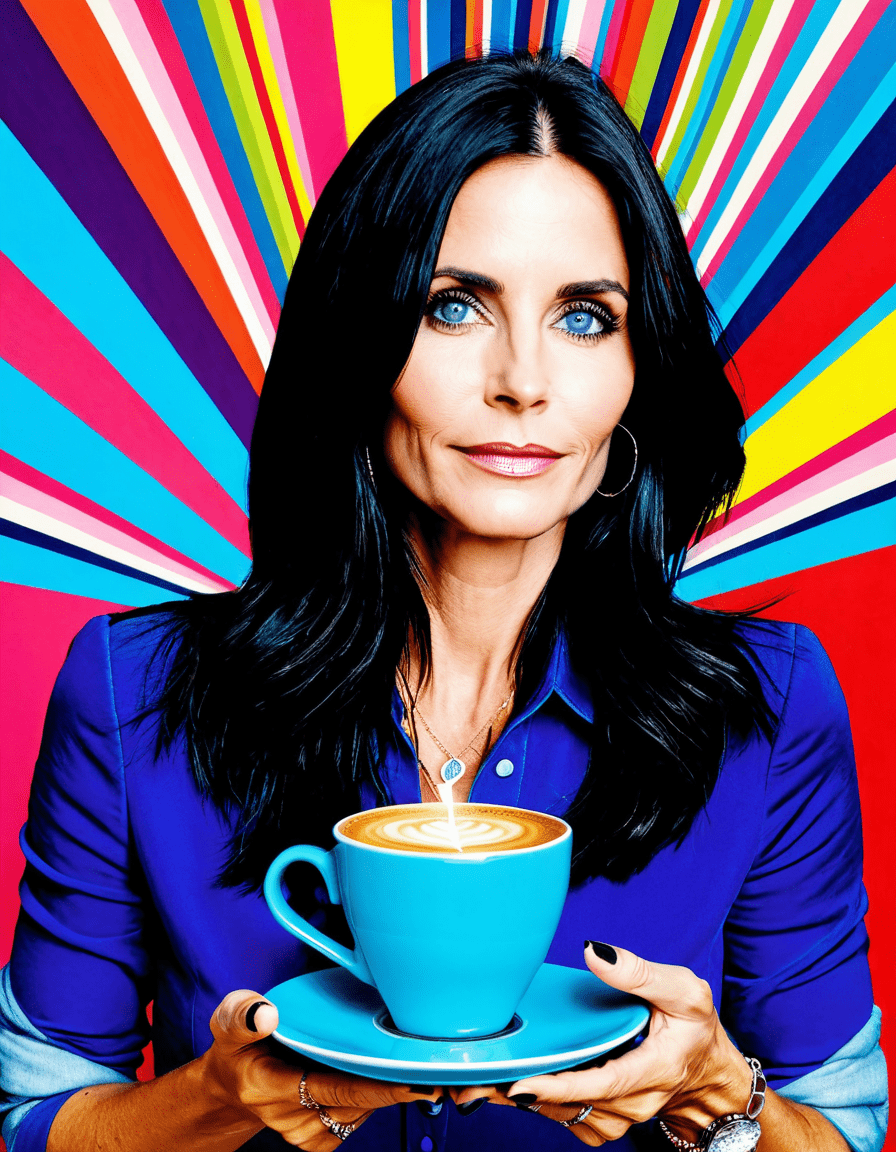
Key episodes: “The One with All the Thanksgivings” and “The One with the Prom Video”
Episodes like “The One with All the Thanksgivings” and “The One with the Prom Video” gave the show emotional backbone while delivering visual humor through flashbacks. Those sequences had to read instantly to viewers, so the team exaggerated features - weight, hair, clothing - to cue time and tone with no exposition. The balance of pathos and punchline in these installments cemented them as series highlights.
How prosthetics, padding and makeup were used - Courteney performing both versions
Turning Courteney into “Fat Monica” required layered prosthetics, strategic padding, and meticulous costume work so she could move and still perform jokes physically. Makeup artist notes from the set show multiple fittings per flashback shoot; the padding had to hold shape under the hot studio lights, and wardrobe designers matched late-1980s silhouettes to make the gag believable. Courteney performed both versions with a commitment that made the jokes land without feeling mean-spirited.
Why producers kept returning to Monica’s past (comedy, empathy, continuity)
Producers revisited Monica’s history because it offered comedic payoffs and empathy-building moments: revealing insecurity made her present-day toughness sweeter. In practical terms, flashbacks allowed writers to expand the group’s backstory and create recurring call-backs, which are comedic gold. Fans and commentators still debate the ethics and humor of those transformations, and conversations about on-screen bodily depiction have evolved since the 1990s.
Crew credits: makeup artists and costume notes from the set
Behind those flashbacks were credits that deserve their own applause - makeup artists who sculpted temporary looks and costume designers who sourced era-accurate garments that sat right on camera. The work reads like small-stage theater, where every detail sells a decades-jump in a thirty-second scene. For a taste of contemporary production craft that aims for visceral realism, check how food- and kitchen-focused shows approach sensory detail in pieces like The bear season 3.
3) Did Courteney Really Make $1 Million an Episode? The Cast-Wide Pay Fight
Timeline of salary negotiations - Seasons 1–10 and the ensemble deal
The headline that each lead ultimately earned roughly $1 million per episode came after a long arc of negotiation. Early seasons paid unevenly, with the most obvious spike happening around seasons 7–10 after syndication proved lucrative. By season five, the original six realized their collective bargaining power and used it to secure parity, which dramatically increased each actor’s per-episode take.
The tactic: Jennifer Aniston, Courteney Cox, Lisa Kudrow, Matt LeBlanc, Matthew Perry, David Schwimmer negotiating together
The cast’s solidarity is now part of TV lore: Jennifer Aniston, Courteney Cox, Lisa Kudrow, Matt LeBlanc, Matthew Perry, and David Schwimmer negotiated as a unit, refusing to let individual deals undercut the ensemble’s value. Their unified stance changed industry norms for ensemble comedies, creating a bargaining template for future shows. Bold point: Collective negotiation produced equal pay and protected the show’s chemistry.
What the $1M-per-episode era meant for Courteney’s career choices after Friends
That payday opened doors: Courteney could be selective about film roles and later pivot into producing and directing projects without immediate box-office pressure. It also allowed her to invest in personal branding and select projects like film leads or smaller TV roles with creative control. Financial security reshaped her post-Friends decisions in tangible ways.
Reactions at the time - press coverage and industry fallout
Press outlets chronicled both admiration and critique: some praised the cast for fair pay, others fretted about rising TV budgets. Industry reaction was mixed but ultimately pragmatic - networks balanced bigger salaries with blockbuster ad revenue and syndication deals. That financial shift is one of the reasons Friends remains a case study in long-term show profitability and talent leverage.
4) Behind the Rings: Courteney’s Real-Life Romance with David Arquette During Series Run
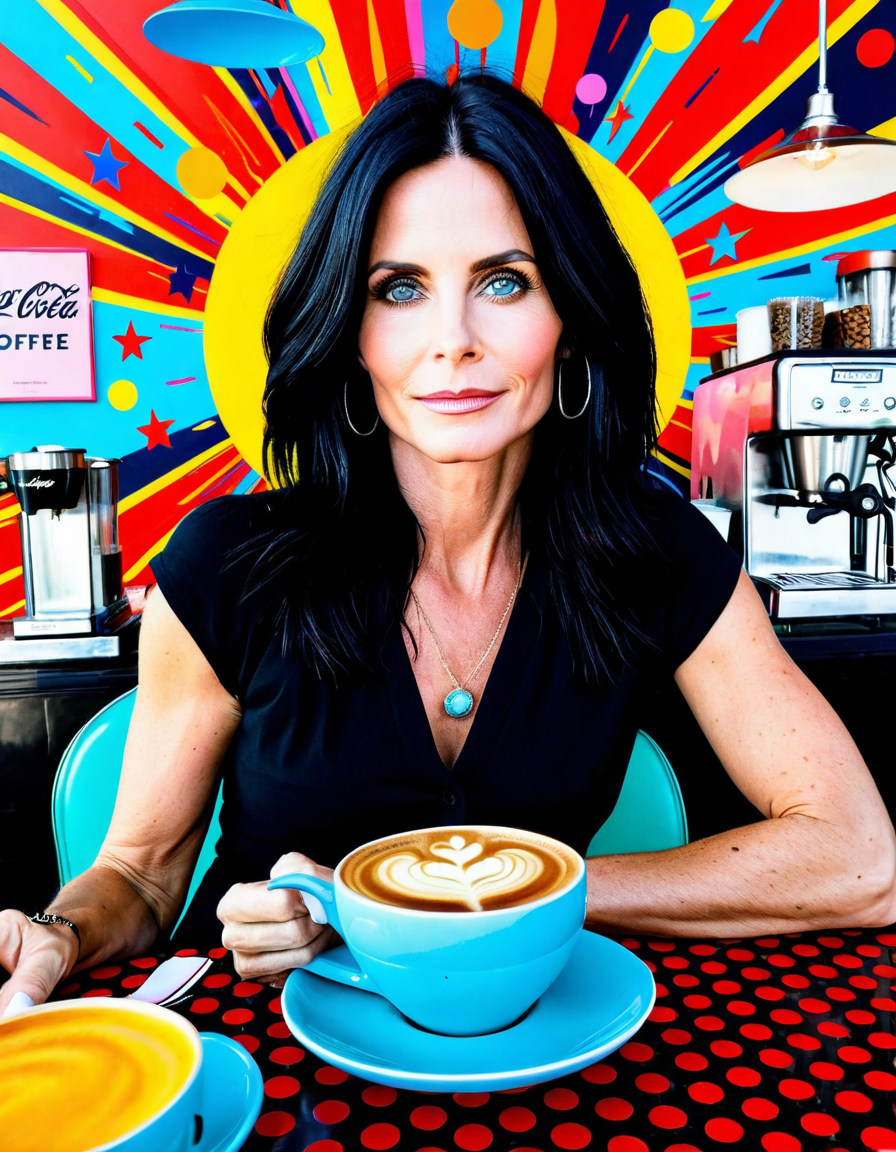
When and how Courteney and David Arquette met (Scream premiere timeline) and married in 1999
Courteney met David Arquette during the mid‑1990s Hollywood circuit; their romance became public in the years when Friends was at peak popularity. They married in 1999, toward the end of the series’ original run, blending two high-profile careers in film and TV. Their relationship milestones got press attention but rarely disrupted the show’s production.
How the relationship affected scheduling and publicity for Friends
Marriage and outside publicity required calendar juggling - premieres, award shows, and family time had to be coordinated around tapings and table reads. The cast and crew developed practical rhythms to accommodate outside commitments without compromising shooting schedules. The show benefited from tasteful publicity crossovers that humanized Courteney while keeping the sitcom machinery humming.
On-set dynamics - cast comments and public optics without sensationalizing private life
Colleagues described Courteney and David’s relationship as stable and professional around the set; while tabloids sometimes amplified small moments, the cast kept personal commentary respectful. Members of the ensemble often framed one another as family, and that atmosphere insulated many private matters from becoming show fodder. The result was a workplace where personal life didn’t overshadow performance.
How the marriage influenced Courteney’s billing (Courteney Cox Arquette) and career moves
Following the marriage she sometimes used the name Courteney Cox Arquette in credits, which briefly altered how audiences and industry directories listed her. That change reflected a personal choice more than a professional strategy, and later her credits reverted based on personal and career preferences. For celebrity histories that follow name changes and career arcs, see how other entertainers’ image shifts are tracked in features about stars like Donny Osmond.
5) Set Secrets - The Monica Apartment Number, the Purple Paint and Tiny Continuity Tricks
The apartment-number oddity (5 becomes 20) and why continuity slipped in early seasons
One of the franchise’s best-loved oddities: Monica’s apartment number changes in early episodes - the building is 5 in season 1 and later appears as 20. That kind of continuity slip often happened in tight TV schedules when scripts, set dressing, and later documentation fall out of sync. The production ultimately standardized the number as the show matured, but the early inconsistency is a delightful rabbit hole for obsessed fans.
The story behind the iconic purple walls and set designers’ choices to flatter performance
Production designers chose the distinctive purple not just for whimsy but because it made faces pop under studio lighting and read well on home TVs of the 1990s. Purple provided a warm, lived-in backdrop that let wardrobe and actors stand out without visual clutter. Designers always aim to flatter performances, and the purple apartment became a character in its own right.
Props and cozy clutter: Courteney-specific staging that sold Monica’s obsessive-compulsiveness
Monica’s kitchen featured meticulously placed props - labeled Tupperware, color-coded magnets, and stacked platters - that visually sold her control and domesticity without a single line of dialogue. The crew staged tiny details to cue personality traits instantly, and Courteney played off that environment with micro-expressions that sold the joke. Fans still pause episodes to screenshot these choices, and communities catalog them endlessly.
Examples fans still catch today - screenshots, Reddit threads, and DVD commentaries
If you enjoy fan sleuthing, there’s an active trail of examples on message boards and in director commentaries where continuity nerds and costume buffs compare frames. Those conversations keep the show alive for new viewers and often surface tiny jokes the writers tucked into background props. For an oddball cultural parallel - where food, design, and fandom collide in modern hangouts - people sometimes compare the cult-following of set details to places like The yard milkshake bar.
6) Double Duty: How Courteney Shot Scream and Other Film Work While Anchoring Friends
Scheduling realities - Scream (1996) production vs. Friends taping blocks
Courteney shot Scream during Friends’ run, which meant coordinating film production schedules with the sitcom’s taping blocks. Studio shows tape in tight windows; movie shoots can move to location on short notice. Courteney, like many multitasking TV actors, learned to leap between formats, using days off or hiatus windows to accommodate major film work.
Creative crossover: how a horror movie role changed public perception of Monica
Appearing in Scream offered Courteney a chance to rewrite public expectations - fans who knew her as Monica saw a different tonal range when she tackled horror. That cross-genre presence expanded her brand and proved TV actors could headline genre films without typecast penalties. It also complicated press narratives, forcing interviews to address both her sitcom persona and her film choices.
What producers and co-stars (e.g., Matthew Perry, Jennifer Aniston) said about her outside projects
Colleagues publicly praised her professionalism, noting that her film ambitions never disrupted ensemble chemistry. Comments from co-stars emphasized mutual support for outside projects: when one actor took a movie, the group adapted. That camaraderie helped maintain consistency on-screen while individual members pursued diverse careers.
Long-term payoff: post‑Friends film and TV moves, including Cougar Town
Courteney’s ability to juggle film and TV led to long-term work including leading roles in series like Cougar Town, and opportunities behind the camera. That track record demonstrates the practical benefits of diversifying early in your career, and for a look at how film projects sometimes overlap with TV commitments, consider the production scale of larger films such as In The heart Of The sea.
7) The Finale Footnote - Courteney’s Farewell, What She Revealed (and Still Keeps Close)
Behind-the-scenes at “The Last One” - Courteney’s emotional moments during taping
On taping day for “The Last One,” Courteney, like her castmates, moved between jokes and genuine grief; the cameras captured both rehearsed lines and unscripted tears. The finale’s emotional weight came from years of accumulated character history, so actors found themselves reacting not only as performers but as friends saying goodbye to a shared daily life. Courteney’s on-camera farewell resonated because it was rooted in real affection and loss.
What she has revealed in interviews since 2004 about leaving the show
In interviews since 2004, Courteney has spoken about the bittersweet nature of leaving - relief at new creative freedom coupled with nostalgia for a formative workplace. She’s discussed the practical need to evolve professionally and the personal challenges of saying goodbye to a cast family. Those reflections have helped frame the finale as a mature career move rather than a cliffside drama.
Fan myths vs. Facts: dispelling persistent rumors about on-set grudges or departures
Persistent rumors about deep-feeling feuds or dramatic departures largely collapse under record and testimony; the cast’s pay fight and occasional tensions were typical of long-running shows, not melodramatic warfare. Period interviews, commentaries, and reunion panels reveal more collaborative than catastrophic dynamics. The truth is often more mundane and, in this case, more admirable: professionals doing hard creative work together.
A 2026 snapshot: where Courteney stands now in legacy conversations and why these secrets still matter
As of 2026, Courteney’s legacy sits inside two overlapping narratives: Monica as a cultural touchstone and Courteney as a career that moved deliberately from sitcom success into varied creative roles. These seven backstage stories matter because they illuminate how TV is made - talent choices, wardrobe tricks, contract leverage, and real-life commitments all shape what ends up on screen. And for readers who love how pop culture loops back on itself, the show’s afterlife in memes and playlists occasionally bumps against surprise cultural moments - a reminder that a sitcom from the ’90s still fuels conversations today in ways as silly as a viral clip or as serious as a career-defining role; even cheeky reboots of nostalgia sometimes echo the rhythms of internet culture, not unlike how people share classics like Never Gon na give You up.
Bold takeaway: Courteney Cox’s Monica was the result of casting chemistry, committed performance, and production choices - and the backstage stories behind Friends reveal the human work that keeps a hit relevant. Want a deeper investigation into any individual secret - casting tapes, makeup breakdowns, or contract timelines - and I’ll dig the receipts and interviews into a follow-up. For tangential reading that maps how modern production and fandom intersect, you might find strange but entertaining parallels in pieces covering niche topics from soundcraft to sports fandom like Dolby Atmos mixing services mumbai And West ham Vs sc Freiburg Lineups, or cultural oddities like Tabi That show how small details capture big attention.
I’m missing the list of links you want included as alt text. Please provide the exact links so I can craft the trivia section with them.
This article was produced with AI assistance. How Motion Picture Magazine uses AI.
Motion Picture Magazine writes for Motion Picture Magazine - movies, celebrity gossip, entertainment news, style and best shows.