When you dive into the saga of the Central Park 5, you’re not just uncovering the story of five young men wrongfully convicted; you’re peeling back layers of a society that often lets its biases dictate its narrative. We’ve got Kevin Richardson, Raymond Santana, Antron McCray, Yusef Salaam, and Korey Wise—a group of African American teens whose lives took a devastating turn in 1989 after being falsely accused of a brutal assault and rape on a jogger in the iconic Central Park. This case didn’t just rattle their worlds; it echoed loudly through the cramped hallways of the American justice system, highlighting some serious flaws in how race and media play out in courts of law and public opinion alike. So, grab your popcorn, and let’s take a closer look at this gripping tale!
The Central Park 5 Case: A Historical Overview
The events of 1989 are not only shocking but also pivotal in understanding the dynamics between race and justice. The Central Park 5 were labeled as monsters by a media frenzy that thrived on sensationalism rather than facts. Their convictions were rooted in coerced confessions, with police pressuring these boys into submissions that didn’t align with the reality of the crime. In a country already grappling with racial tensions, this outcry reflected a desperate need for perceived justice, showcasing how young lives can be upended by a system that sometimes looks more at skin color than the truth.
Imagine being thrust into a world where everything you thought you knew about justice turns upside-down in a matter of hours. That’s what happened to these young men. The investigation was plagued by racial biases and rampant misconduct, where the boys were treated as guilty before they even set foot in a courtroom. Coerced into confessing under duress, their vulnerable teenage years slipped through their fingers as they navigated a justice system rigged against them.
It’s a hard truth to swallow, and the consequences were severe. The corrosive environment surrounding the case transformed these teens into scapegoats, highlighting just how flawed the legal process can become when biases come into play. These themes resonate eerily with other recent high-profile cases, showing how deep-rooted these issues are. It makes you wonder—how many more untold stories of injustice are waiting to be heard?
The Dynamics of Race and Justice: The Impact of the Central Park 5
The Central Park 5 case serves as a glaring example of how race impacts judicial outcomes. Public perception, cruelly shaped by media portrayals, can often overshadow the facts. Sensationalist reporting from outlets like the New York Post painted the young men as criminals before they even had a chance to defend themselves. That kind of bias doesn’t just hurt individuals; it undermines faith in the justice system as a whole.
Research backs up this troubling trend. A significant correlation exists between media portrayals of criminal cases and the way the public perceives them. In situations where racial dynamics come into play, the fallout is even more severe. These distorted narratives lead to misconceptions that can sway a jury’s opinion before they even enter a courtroom. The Central Park 5 served as a heavy reminder of how powerful the media can be in influencing societal beliefs and behaviors.
Even today, this narrative resonates. With the rising prominence of responsible journalism, there is a growing demand for media outlets to get the facts right. Studies showcase that audiences are becoming more savvy and recognizing the need for media accountability. This, coupled with movements advocating for change, signifies that we’re witnessing a turning point—a collective catching on to the reality of what true justice should look like.
The Wake-Up Call: Missteps in the Justice System
Let’s break down the colossal missteps in the Central Park 5 case.
It’s mind-boggling how the justice system could spiral into such disarray. Families were torn apart, futures darkened, and lives irrevocably altered. The ensuing national dialogue surrounding the Central Park 5 provoked wider questions about how young people, especially from marginalized communities, could ever trust the system meant to protect them.
A Step Toward Redemption: Unraveling the Truth
Fast forward to 2002. Enter Matias Reyes, a lone wolf who was finally discovered to be the true perpetrator of the Central Park attack. When he confessed, it was as if a heavy cloud lifted from the lives of the Central Park 5. The news of their exoneration was both heart-wrenching and liberating. It’s a prime example of how justice can still breathe new life into an otherwise bleak scenario.
This pivotal moment didn’t just usher in a sense of relief for the exonerated. It ignited an urgent discussion about wrongful convictions in the U.S., shining a spotlight on necessary legal reforms. Policymakers began to take serious note of flaws in police interrogation tactics and the treatment of juveniles in a court setting.
Stories like this one serve as crucial reminders that justice doesn’t stop at individuals—it extends to those within communities striving for reform. It reinforces the notion that the quest for truth can sometimes stumble but ultimately leads to the light if the pursuit is relentless.
The Cultural Aftermath: Representations in Media and Society
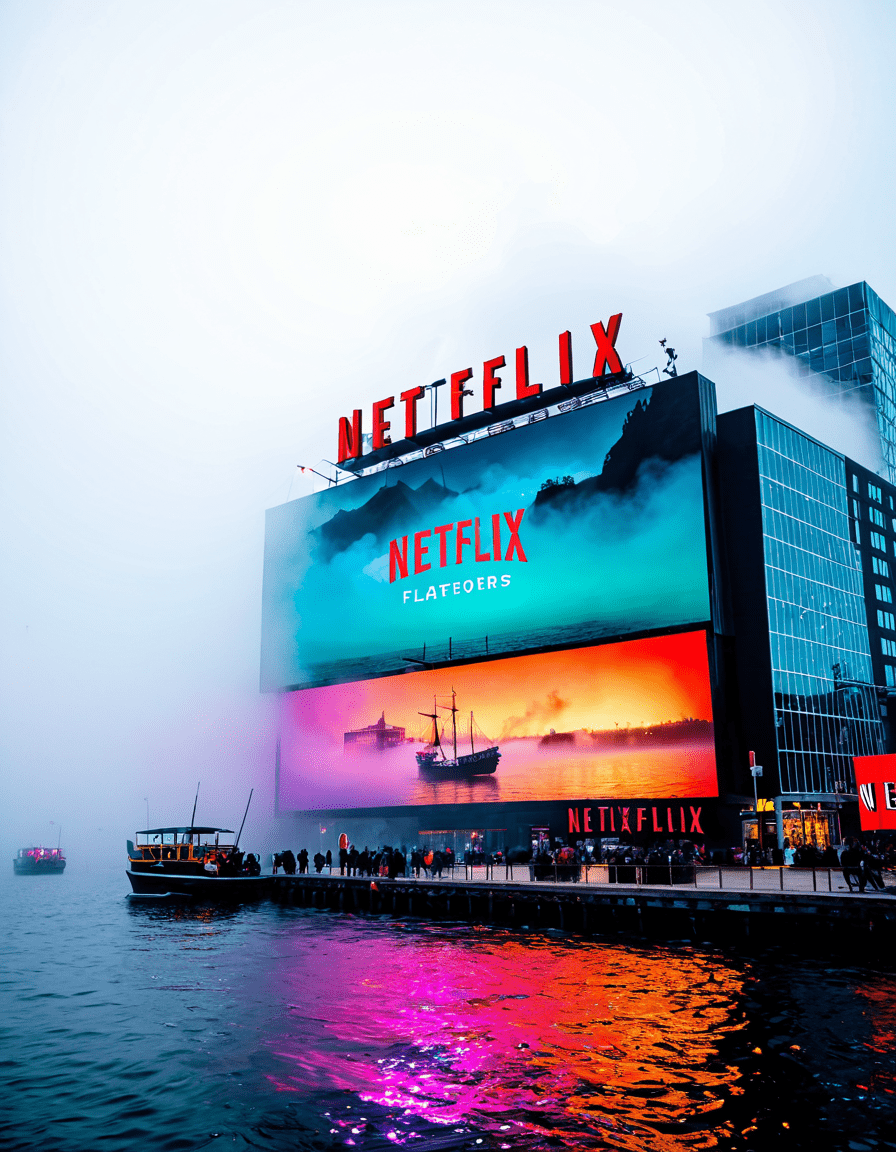
The narrative of the Central Park 5 didn’t just slip back into obscurity after their exoneration; it made waves throughout various media channels. The 2019 Netflix miniseries “When They See Us,” directed by Ava DuVernay, brought much-needed attention to their story. It encouraged conversations about race, media responsibility, and systemic injustices within the American legal framework.
Even companies like American Airlines are stepping up by focusing on equality and inclusivity in their workplace culture. The themes highlighted in their workplace initiatives reverberate the same calls for justice represented by the Central Park 5. As more organizations make diversity a core value, it mirrors the ongoing fight against prejudices entrenched in society.
For many, moving past the hurt of these real-life injustices is easier said than done. But through dialogue, advocacy, and more responsible media, society inch closer to becoming the place where stories of wrongful convictions make headlines for all the right reasons—much like how Joy Ride paints a vivid, albeit comedic, picture of friendship’s strength.
The Lessons Learned: The Continuing Fight for Justice
Reflecting on the journey of the Central Park 5, here’s what stands out:
As we look ahead, it’s vital to remember that the legacy of the Central Park 5 doesn’t reside solely in their story but in its power to spark new conversations. In a world where wrongful incarceration remains a pressing issue, the awareness surrounding their challenges and triumphs is more relevant than ever. Just as technologies like the United Airlines flight status tracking promise transparency in travel, we’re beginning to mold a future striving for accountability in justice. After all, what’s the point of progress if we ignore the lessons from those who’ve suffered?
In this evolving landscape of advocacy and justice, let’s commit ourselves to staying informed. Consider the impacts of your consumption; every story you choose to support holds power. And who knows? Your advocacy today might just prevent the next tragic chapter in someone’s life.
Central Park 5: Gripping Trivia and Fascinating Facts
The Backstory of a Controversial Case
The Central Park 5 case, which revolved around the wrongful convictions of five Black and Latino teens in 1989, not only sparked national outrage but also became a cultural touchstone. Interestingly, the jogger at the heart of the case, Trisha Meili, has remained a significant figure over the years, as seen in coverage by outlets like Rochester Ny news. The media frenzy surrounding the case had a profound influence, propelling discussions about race, justice, and systemic inequities. This is reminiscent of gritty narratives seen in series like Boardwalk Empire, where the intricacies of crime and punishment are deftly explored.
Trial by Fire
Another captivating aspect is the trial itself, which was less about fact-finding and more a spectacle of public opinion. The prosecution relied heavily on coerced confessions—a tactic that raised eyebrows even back then. Critics argue that the scenario mirrored other famous narratives that highlighted social issues, such as the powerful messages conveyed in films like Dances With Wolves. The Central Park 5 transcends just a legal case; it’s a story filled with mistakes and tragedies, much like the emotional rollercoaster seen in the dramatic film The Avengers.
Legacy that Resonates
Fast forward to today, and the legacy of the Central Park 5 is clearer than ever. The exonerated men have become voices for reform, sharing their stories and pushing for justice on various platforms. Tessa Blanchard, a notable advocate for social justice via her platform, often emphasizes the importance of standing up for what’s right, similar to the themes seen in many heartfelt performances. Their narrative offers a robust case study for college courses, documentaries, and even artistic representations, portraying the impact on communities. This discussion even touches issues faced by athletes today, like the ongoing Tigres Vs Atl san luis soccer game discussions, where athletes often use their influence for advocacy, echoing the passion of the Central Park 5.
The tale of the Central Park 5 serves as a grim reminder of the flaws in the justice system, shining a spotlight on the broader societal issues we still face today.