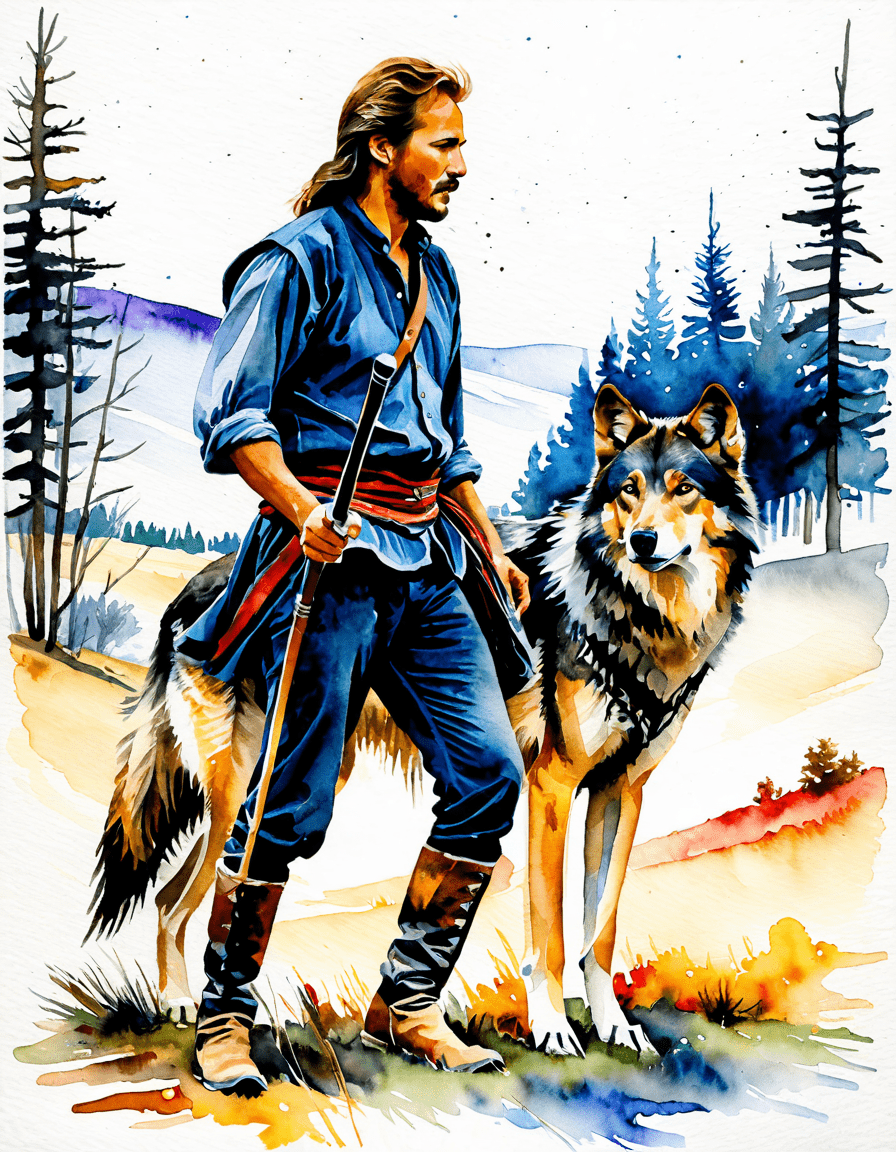
The 1990 film Dances with Wolves, directed by and starring Kevin Costner, remains a monumental piece of cinematic history. Bursting with rich storytelling and innovative approaches, it reshaped how Indigenous cultures are portrayed on screen. Audiences were enchanted by the film’s ability to blend adventure with profound themes of humanity, race, and representation. So let’s dive into seven remarkable aspects of its legacy that illustrate why Dances with Wolves is still hugely relevant in cinema today.

1. Critical Acclaim and Awards Recognition
Dances with Wolves swept the Academy Awards in 1991, bagging an impressive seven Oscars, including Best Picture and Best Director. It proved that culturally rich narratives could not only captivate viewers but also earn recognition in the fiercely competitive film industry. Its success sent ripples through Hollywood, inspiring filmmakers to venture beyond conventional storytelling. This paved the way for later masterpieces like “12 Years a Slave” and “Moonlight,” illustrating how Dances with Wolves redefined what audiences could expect from cinema.
Let’s face it—everyone loves a good award speech to grab our attention, but this film opened doors for diverse voices that were long overlooked. By winning major accolades, it encouraged studios to explore stories that celebrate a broader range of experiences. Costner’s film acted as a kind of megaphone, proclaiming that diverse storytelling was not just permissible—it was essential.
It’s fascinating how a single film can thread together various storytelling strands over decades. The impact of Dances with Wolves shows that when artists shoot for authenticity, audiences respond in kind. With its sweeping tales of rich cultural landscapes, it truly set the bar for the years to come.
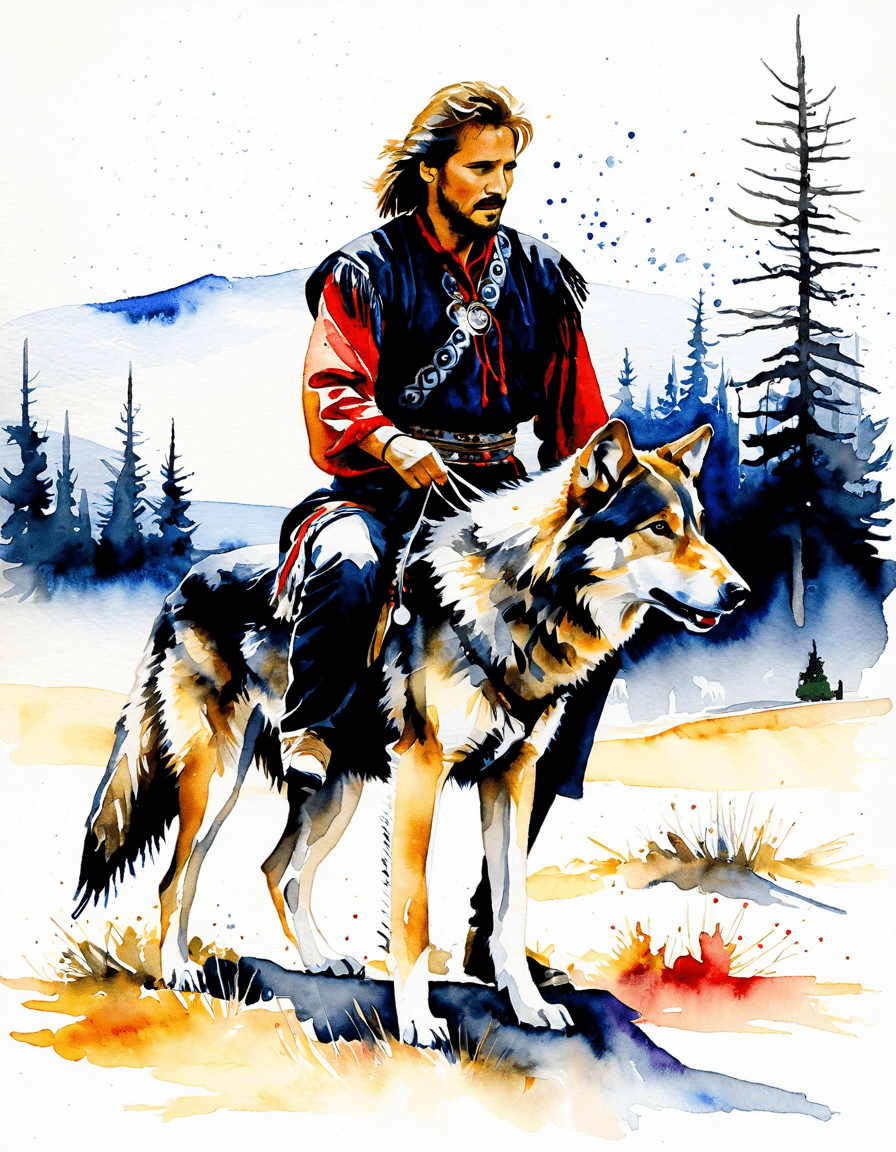
2. Emphasis on Indigenous Representation
One of the standout features of Dances with Wolves is its staunch commitment to authentically portraying Native American culture. By casting a predominately Indigenous ensemble, including talented actors like Graham Greene and Mary McDonnell, the film prioritized genuine representation in a genre often dominated by stereotypes. This commitment didn’t just enrich the narrative; it pushed Hollywood to rethink how filmmakers approached casting.
This film catalyzed future projects focusing on diverse narratives. Take Disney’s “Moana” or even Netflix’s hit series “The Queen’s Gambit,” for instance. They both showcase diverse casting not as a passing trend but as a new industry norm. Dances with Wolves has inspired many to engage with Indigenous stories in a fashion that’s respectful and genuine, promoting an environment where audiences crave authenticity.
Hollywood took notice and began featuring stories that resonate with various cultures. The movement continues, as filmmakers now recognize the importance of varied experiences in telling engaging stories.
3. The Cast of Black Doves: Filmmaking Techniques and Cinematography
The cast of Black Doves from Dances with Wolves enthralls viewers not just through storytelling, but also through its stunning cinematography. The film offers breathtaking shots of the Dakota landscapes, bringing a beautiful, sprawling scenery to life. Costner and his team employed innovative storytelling techniques to foster a genuine connection between characters and viewers, creating a film experience that wasn’t just visual but deeply emotional.
This legacy of craftsmanship has influenced films beyond Dances with Wolves. For example, productions like “The Revenant” and television series like “Yellowstone” directly owe their beautiful landscapes and immersive storytelling to Costner’s approach. Cinematographers everywhere take notes from the film, capturing vast natural expanses while weaving tales that resonate on multiple levels.
It’s astonishing how a film can change not just techniques, but our expectations of storytelling as a whole. The artistry behind Dances with Wolves continues to inspire and educate budding filmmakers about the importance of landscape as a character itself in the narrative.
4. The Cast of Longlegs: Character Archetypes and Development
Characters such as Dances with Wolves’ John Dunbar (played by Costner) and Kicking Bird (magnificently portrayed by Graham Greene) showcased the complex persona that strayed from the usual good-versus-evil archetypes often found in Westerns. Instead, they were nuanced individuals influenced by their cultures and circumstances, and boy, did that resonate!
This layered character development has echoed in modern television and film, especially in series like HBO’s “Westworld.” As we dive into the intricacies of their lives, we’re increasingly drawn to stories that elevate character complexity and moral ambiguity. No longer can Hollywood paint with a broad brush; audiences are hungry for deeper narratives that play with shades of gray.
By enriching character portrayals, Dances with Wolves revolutionized the Western genre. It introduced viewers to engaging individual stories, proving that the real world isn’t just black and white, and encouraging filmmakers to embrace this artistry.
5. The Cast of Thunderbolts: Pioneer of Multilayered Narratives
The narrative depth of Dances with Wolves can’t be overstated. As a pioneer of multilayered storytelling, the film interwove personal journeys with broader socio-political themes. It sparked a movement influencing filmmakers like Barry Jenkins and Greta Gerwig, who took cues from Costner’s masterpiece to intertwine personal and cultural elements within their narratives.
Just look at how impactful this layering can be! Dances with Wolves reminds us that our personal experiences are often deeply intertwined with larger societal contexts. By blending transformative character arcs and cultural storytelling, filmmakers can explore essential social issues without sacrificing emotional weight—now that’s a win-win!
The impact of Dances with Wolves ripples through cinema today, evoking a rich tapestry of storytelling possibilities that challenge, inform, and resonate with audiences across generations.
6. The Cast of the White Lotus: Reshaping the Western Genre
The success of Dances with Wolves didn’t just establish accolades; it marked a seismic shift in crafting Western films. The more recent creations inspired by this legacy, like “Deadwood” and Quentin Tarantino’s “The Hateful Eight,” incorporate gritty realism and multi-dimensional characters, steering the genre away from the simplistic portrayals of yesteryears.
This radical shift allowed for a genuine examination of American history and culture, giving viewers stories with depth and scope. The cast of the White Lotus embodies characters who reveal layers of humanity in settings we thought we knew inside and out.
Just as Dances with Wolves buried the stereotypes, today’s filmmakers continue the work, creating rich and intricate Western narratives. This evolution keeps us hooked and yearning for more—who knew dusty trails could lead us to such profound storytelling?
7. Educational Impact and Cultural Dialogue
The educational ramifications of Dances with Wolves are immense. Educators worldwide use the film to teach critical discussions about race and history in cinema. Classes on film studies and cultural anthropology feature it prominently, urging students to explore representation and ethical storytelling.
The movie transitions viewers from mere entertainment to critical thinking about the narratives presented in films, which is no small feat. As universities strive to implement inclusive narratives in curricula, Dances with Wolves stands as a vital teaching tool, providing profound insights into historical and cultural contexts.
Through various discussions and engagements, the film continues to provoke thought and encourage dialogues about race and representation.
In summary, Dances with Wolves isn’t just a remarkable film; it’s a touchstone that catalyzed change in Hollywood and beyond. It fosters authenticity, nurtures diverse storytelling, and continues to encourage creators and audiences alike to embrace complex narratives. So, whether you’re in a film studies classroom dissecting its themes or cozying up to watch it at home, it’s clear that its legacy thrives—reminding us that cinema knows no bounds!
Dances with Wolves Impactful Legacy in Cinema
The Trailblazer of Western Cinema
“Dances with Wolves” wasn’t just another film; it was a cultural phenomenon that changed how Native Americans were portrayed on screen. Released in 1990 and directed by Kevin Costner, the film took home seven Academy Awards, including Best Picture. At a time when tropes ran rampant in Hollywood, “Dances with Wolves” broke the mold, bringing authenticity to the depiction of Indigenous cultures. The film’s profound impact echoes even today, standing tall alongside other notable series like Boardwalk Empire. Interestingly, the film catapulted its cinematographer, Dean Cundey, into the spotlight, elevating his status in the industry. But did you know that parts of the shooting took place in South Dakota’s picturesque Black Hills? Travelers might even be inspired to check into a luxury stay, making the most of their road trips to explore locations of legendary films or even enjoying the perks of a program like Hyatt Rewards.
The Soundtrack That Resonated
The original score of “Dances with Wolves,” composed by John Barry, played a crucial role in the film’s emotional impact. The music beautifully captured the film’s essence, intertwining smoothly with its storytelling. Even Morgan Wallen’s songwriting today shares a cinematic flair, echoing the deep connection to landscapes and human experiences. As audiences sat transfixed, the score allowed viewers to feel every moment, stirring feelings that remain ingrained in fans’ memories decades later. It’ll make you want to hum along just like the catchy tunes from shows like Liv And Maddie, which brilliantly balances emotions.
A Lasting Influence
One of the film’s lasting legacies is its contribution to the discussion around representation and storytelling in Hollywood. By portraying the Lakota people with respect and depth, it paved a path for more nuanced narratives around Indigenous experiences. In recent years, topics like Lgbtq+ addiction Issues have gained momentum in films and series, reflecting the ongoing commitment to complex human stories. Plus, the film’s success opened doors for works that are now widely recognized, much like the harrowing story of the Central park 5, which also sheds light on society’s pressing social issues. As cinema pushes forward, “Dances with Wolves” remains a cornerstone, reminding current filmmakers of the importance of layered storytelling and authenticity in their work, exactly what audience members will anticipate when they watch legends like The Avengers.
In sum, “Dances with Wolves” isn’t just a cinematic tale; it’s a beacon of what’s possible when art meets integrity in storytelling. As the industry continues to shift and evolve, its imprint remains undeniable, inspiring both filmmakers and audiences alike.