The 2016 film “Train to Busan,” Directed by Yeon Sang-ho, has undeniably revitalized the zombie genre. In a world where scare tactics often overshadow narrative depth, this film interlaces action and emotion with social commentary that doesn’t just entertain but resonates. Fast forward to 2026, and it’s clear that the legacy of “Train to Busan” Has shaped the conversation around zombie films and their cultural impact. Let’s dive into how this cinematic gem has set the bar for modern horror.
Top 5 Ways Train to Busan Redefined Zombie Horror
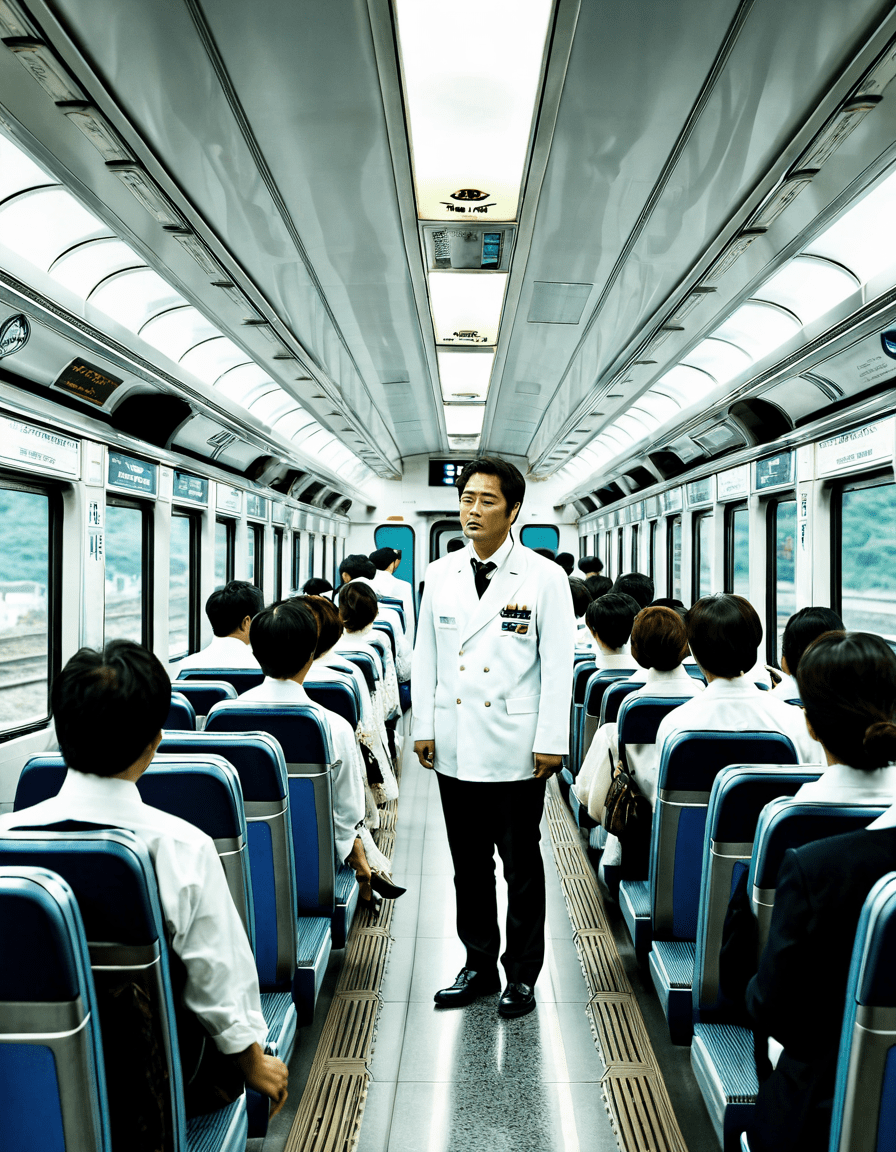
1. Character-Driven Storytelling
At its core, “Train to Busan” Breaks away from the usual horror clichés by placing characters before chaos. Think of Seok-woo, the workaholic dad, and his young daughter, Soo-an. Their bond isn’t just a plot device; it’s central to the themes of sacrifice and redemption that run through the film. While many zombie flicks opt for mindless scares, this one dares to explore the human spirit under pressure. It’s a moving portrayal of love and duty, making it easy for audiences to engage emotionally.
When you watch the film, you can’t help but root for these characters. When they face insurmountable odds-a horde of flesh-eating zombies, for example-we feel the weight of their plight. It’s like watching a high-stakes game of chess, where every move could mean life or death. We find ourselves asking, “What would I do in their shoes?”-a testament to how character-driven narratives elevate a horror film.
2. Social Commentary on Class and Inequality
What really lights up “Train to Busan” Is its sharp social critique. As chaos erupts, the responses of its characters reveal a lot about society. Ever notice how different characters handle emergencies based on their social status? The affluent passengers often react with fear and denial, while the working-class characters display resilience and cooperation. This isn’t just effective storytelling; it encourages viewers to reflect on real-world issues surrounding socio-economic disparity, especially when the chips are down.
This film smartly uses the zombie apocalypse as a backdrop to examine the fragile social fabric we live in. It’s akin to a layered onion-peel back the horror, and you’ll find something deeply relevant. A zombie film might seem like pure entertainment, but “Train to Busan” Makes you ponder-what happens when the entire structure of society collapses?
3. Innovative Action Sequences
Now let’s talk action. “Train to Busan” Is celebrated for its nail-biting sequences that artfully use the train’s confined space. Who would’ve thought a train could become a battleground of such creativity and tension? Each sequence makes you hold your breath, strategizing along with the characters as they devise their escape plans from the relentless undead.
The choreography is tight and well-crafted, reminiscent of a high-intensity thriller rather than your average horror flick. It’s not just about running away-it’s about teamwork, strategy, and quick thinking. You won’t just be biting your nails during these scenes; you’ll be actively engaged, holding your breath with every suspenseful moment.
4. Visual Storytelling and Cinematography
One of the standout features of “Train to Busan” Is the stunning visual storytelling. Cinematographer Jang Young-kyu does a phenomenal job of enhancing the film’s emotional weight through powerful imagery. The contrast between the calm scenery outside and the horror inside the train keeps viewers on edge.
Using close-ups of terrified faces alongside sweeping shots of chaos creates a sense of intimacy and urgency. It’s like being thrust into the madness, feeling every ounce of tension, and the emotional struggle of the characters. Such a blend of intensity and tenderness elevates any standard horror into an experience viewers won’t forget.
5. Expanding the Zombie Genre
“Train to Busan” Didn’t just raise the bar; it opened the floodgates for a fresh wave of zombie films. It showcased that the genre doesn’t have to rely solely on mindless gore. Movies that follow, like “The Night Eats the World” And the animated sequel “Soul Station,” Bring forth emotional storytelling wrapped in cultural authenticity.
As we look ahead, the potential for growth in horror through emotional narratives is blooming. Filmmakers around the globe are now telling stories that resonate deeply while also giving nods to the horror elements folks have come to love-a brilliant twist on the classic zombie tale.
The Evolution of Zombie Cinema Post-Train to Busan
In the years following “Train to Busan,” The zombie genre has undergone a remarkable transformation. There’s a noticeable influx of diverse cultural representations, reflecting various global anxieties. Films like “Brahms: The Boy II” And “Little Monsters” Integrate humor and heart into their horror premises, reiterating that the zombie can be a complex metaphor, not just brain-munching demons.
Zombies have taken on new roles in storytelling, morphing from mere predators to complex reflections of societal fears. They mirror issues ranging from pandemics to climate change-all while being entertaining. This evolution shows audiences that horror can address real-world problems while offering a thrilling escape.
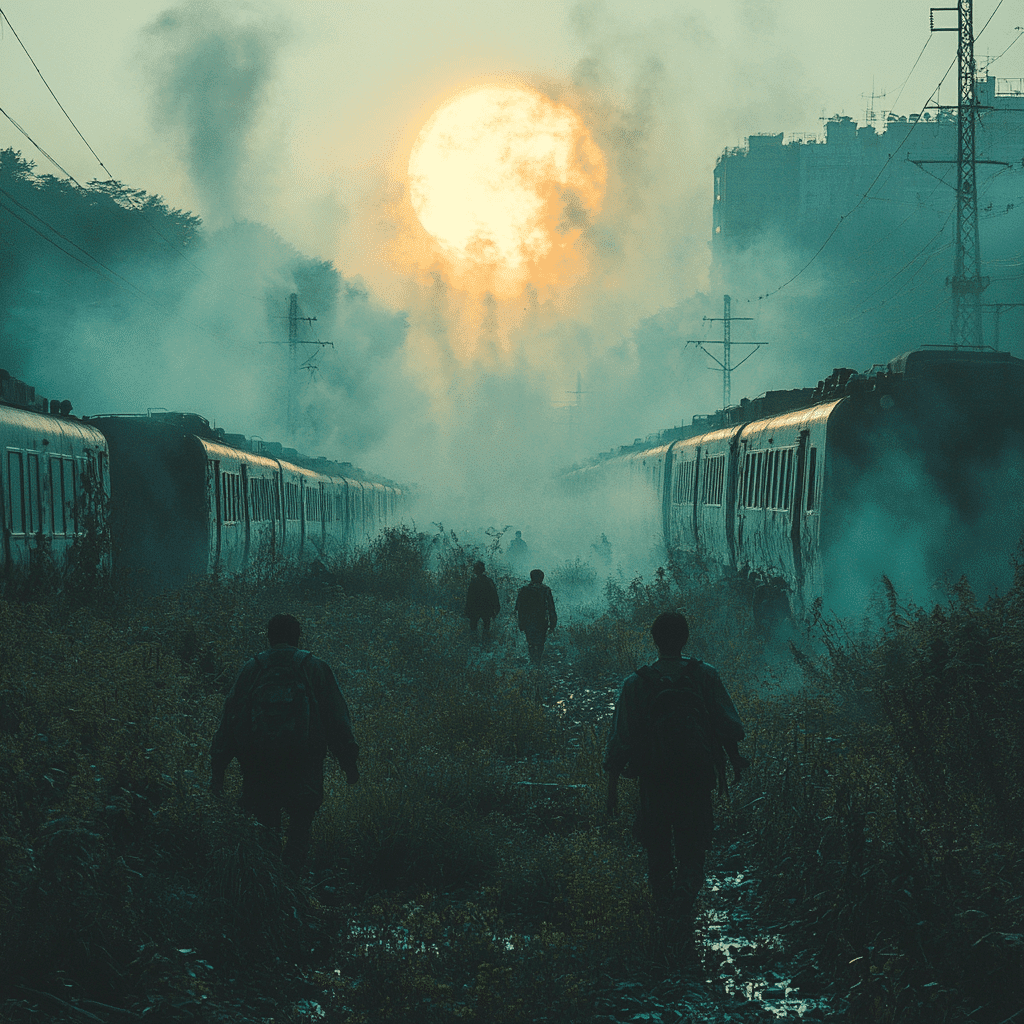
The Lasting Legacy of Train to Busan
As we traverse through the 2020s, the legacy of “Train to Busan” Remains vividly alive. It’s a critical touchstone for filmmakers and audiences alike, leading to an enduring fanbase that cherishes its emotional resonance alongside thrilling horror. The film encourages dialogue about the nature of storytelling through cultural lenses.
The impact of “Train to Busan” Is significant, reshaping how we relate to not just zombie narratives but the horror genre overall. It attracts viewers eager for nuanced storytelling that digs deeper than surface-level scares. This opens the door for future creations that combine thrilling elements with profound human experiences.
As you reflect on “Train to Busan,” Remember-it’s not just about surviving the zombies; it’s about discovering what we’re truly made of, a message that will resonate for years to come. Whether you’re a die-hard fan or a casual viewer, this movie has left an indelible mark on the cinematic landscape and continues to inspire countless conversations about life, society, and everything in between.
So grab your popcorn, lean in, and let “Train to Busan” Take you on a wild ride that’s as thought-provoking as it is heart-stopping. And who knows? You might just find yourself haunted- in the best way possible-by its unforgettable journey through thrilling zombie chaos.
Train to Busan: Engaging Fun Trivia and Interesting Facts
A Zombie Apocalypse on the Move
Did you know Train to Busan First took the world by storm in 2016? This South Korean horror thriller captivated audiences not just for its nail-biting action but also for its emotional depth. Director Yeon Sang-ho crafted a gripping narrative that dives deep into human relationships amid the chaos of a zombie outbreak. Interestingly, he drew parallels to real-life social issues, weaving commentary on survival and sacrifice into this thrilling ride. You might be surprised to learn that in a world where most zombie films focus on the undead, Train to Busan Breaks the mold by presenting characters with real emotional stakes, capturing the essence of humanity right in the midst of chaos. Speaking of chaos, the film’s tension and pacing have led to discussions about groundbreaking narratives, akin to the intricate storytelling in pieces such as the Zone Of Interest.
Behind the Scenes and Memorable Cast
The film features a fantastic cast, including Gong Yoo, who previously gained fame from roles in popular series. In fact, if you’re curious about Josh Hutcherson’s body of work, you’ll see that he’s taken on a range of characters that highlight his versatility, much like the diverse roles showcased here. The creative process behind Train to Busan Was not without its challenges either; production faced various obstacles that could easily rival a dramatic scene in the film. It’s been said that cast members developed a unique camaraderie which contributed to the film’s authentic emotional depth. With unforgettable moments akin to those found in shows like Flashback Mary, the chemistry between characters resonates strongly, leaving a lasting impact on viewers long after credits roll.
Cultural Impact and Legacy
Train to Busan Has earned its place as a modern classic within the zombie genre. Its commercial success led to discussions of sequels and spin-offs, setting a benchmark for future horrors. Just as the unforgettable melodies of Bonnie Raitt Have become timeless, this film remains a popular topic among cinema enthusiasts. It sheds light on how the genre is evolving while maintaining its psychological roots. Interestingly, just as the themes in Train to Busan Echo contemporary societal fears, historical figures like Stalin Have shaped societal narratives, drawing a fascinating connection between fiction and reality. The way this film intertwines terror and family dynamics makes it a case study in effective storytelling. So if you’re ready for an edge-of-your-seat experience full of gut-wrenching moments, don’t miss the chance to dive into the thrilling world brought to life by Train to Busan.
This article was produced with AI assistance. How Motion Picture Magazine uses AI.
Motion Picture Magazine writes for Motion Picture Magazine - movies, celebrity gossip, entertainment news, style and best shows.