If you didn’t catch The Strain during its original run from 2014 to 2017, no worries—you’re not alone! This gem of a series, crafted by the brilliant Guillermo del Toro and Chuck Hogan, explored the gritty, gritty world of vampirism in New York City like never before. Imagine a narrative that blends horror with science and serves as a mirror to the human experience. Yup, that’s precisely what The Strain achieved, and it’s left a mark that’s undeniable in modern entertainment.
It’s hard not to appreciate a show that isn’t just about vampires but digs into deeper themes and societal fears. As we unpack the cultural phenomenon of The Strain, buckle up, because we’re in for a thrilling ride!

A Cultural Phenomenon
From day one, The Strain stirred the pot. It wasn’t just another vampire series; it was an eye-opener into the darker sides of human existence. The show presented a visceral outbreak of vampirism interpreted through the lens of a parasitic virus—yes, you heard that right! This approach struck chords with fears we echo today regarding pandemics and bioengineering. Just think about it; with all the talk about health crises, the show was a little ahead of its time.
It quickly became apparent that audiences loved this combination of horror and relatable science, making The Strain a hit. For those who engaged with the series, it felt as though the story tapped into a universal fear of the unknown. What’s lurking just around the corner? Is disease the new monster under the bed?
Hence, The Strain carved out a niche so distinct that you could almost hear echoes of its themes in later works. Its fresh take on the vampire trope didn’t just influence its immediate audience but reverberated throughout the genre, leaving creative teams scrambling to produce their own unique spins on similar themes.
Top 5 Influential Themes in The Strain
1. The Science of Horror
One of the standout features of The Strain is its scientific approach to what makes vampires tick. No longer just mystical creatures or products of folklore, these vampires were the result of a parasitic infection. This twist made viewers think, “Wow, what if such an outbreak actually happened?” It was a wild ride that resonated with current anxieties about global health and biotechnology.
2. The Family Dynamics of Fear
At the heart of The Strain lies the Torres family, fighting to keep their loved ones safe while facing the encroaching darkness. This family dynamic illustrates how fear can fracture relationships. Ephraim Goodweather, masterfully portrayed by Corey Stoll, struggles with his duty against paternal love. It’s a haunting reminder of what’s at stake when existential threats loom large.
3. The Role of Leadership in Crisis
Abraham Setrakian, the tough yet wise veteran, embodies the importance of leadership. A Holocaust survivor, his character represents wisdom gained through trauma. His journey raises critical questions about authority in times of chaos. Struggling with demons of his past while attempting to save the present, Setrakian reminds us that personal histories shape crucial decisions.
4. Urban Decay and Environmental Fear
Set in the bustling and vibrant New York City, The Strain brilliantly comments on urban decay and governmental failure during public health crises. The show critiques systemic responses, a reflection made especially poignant by the ongoing discussions around responses to crises like the COVID-19 pandemic.
5. Redemption and Transformation
Characters in The Strain endure profound transformations, not just physically but emotionally. They confront their internal struggles while battling larger threats. The conflict between good and evil is presented not only in gruesome battles but also in subtle personal conflicts and ethical dilemmas.
Characters That Define The Strain
Each character in The Strain serves as a unique representation of societal issues. Take Dr. Ephraim Goodweather; he symbolizes the struggle between scientific rationality and the chaos of the world. Portrayed with nuanced depth, Ephraim’s character resonates with anyone who’s ever felt the pressure of decision-making during turbulent times.
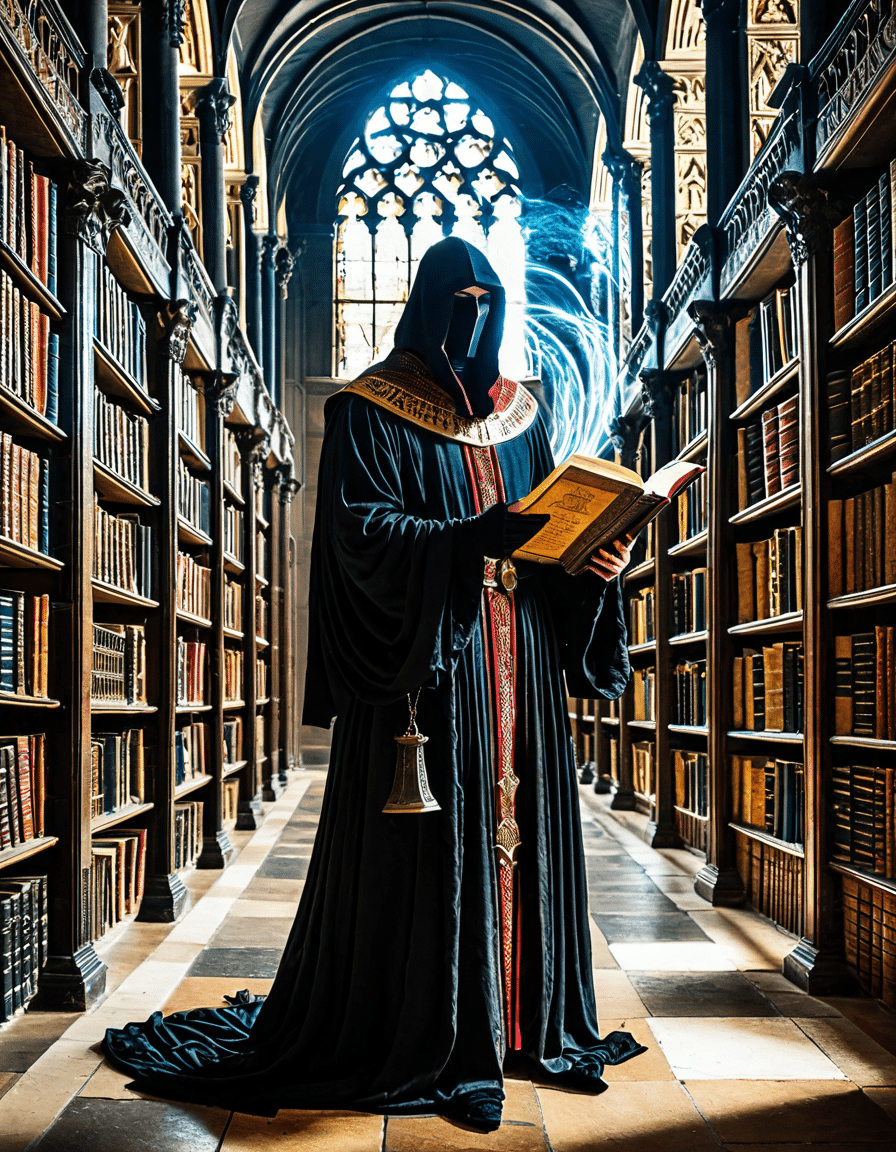
Now, let’s talk about the Master. This character isn’t just some run-of-the-mill villain. The Master embodies the very essence of ignorance and societal denial that can spiral into disaster. His haunting presence in the series serves as a chilling reminder of what happens when we ignore the problems right in front of our eyes.
The Strain’s Legacy in Contemporary Horror
The echoes of The Strain extend far beyond its original airing. Numerous contemporary horror narratives adopt its motifs of societal breakdown and human resilience. Think about shows like “The Walking Dead,” where survival means fighting against both the undead and the dark sides of human nature.
Similarly, films like “Train to Busan” bring a fresh take on apocalypse narratives, showcasing the enduring influence of The Strain. Even the resurgence of vampire narratives, such as “Vampire Academy” and “What We Do in the Shadows,” can’t dismiss the redefined standards The Strain helped create.
Cross-Media Adaptations and Influence
The journey of The Strain doesn’t end with television. It jumped headfirst into the literary world, spawning graphic novels and merchandise that expanded its reach. Collaborations with writers like Chuck Hogan ensured that the story persisted across various formats.
By venturing into new territories, The Strain encapsulated how stories can thrive in multiple formats—drawing fans in and keeping them engaged. This cross-media presence is a testament to the power of storytelling and marketing combined in the digital age, where once a story finds its foothold, it can grow wings.
Wrap-Up: The Ever-Evolving Narrative of The Strain
As we glance back from our vantage point in 2026, it’s clear that The Strain remains a beacon of storytelling brilliance. Its legacy rests in the way it interwove personal struggles with broader existential queries. It goes beyond just being a narrative about vampires—it’s a profound exploration of humanity.
Through horror, The Strain prompts us to confront our fears and showcases our innate ability to adapt and survive…or at times, succumb to the myriad strains of our reality. So whether you’re a die-hard horror fan or just someone who enjoys a thrilling storyline, The Strain will undoubtedly resonate with you—not just as a series, but as a cultural artifact that captures the essence of our collective anxieties and triumphs. Keep those popcorns ready—it’s time to get cozy in the thrilling world of terror and transformation!
The Strain: Fun Trivia and Interesting Facts
The Origins of ‘The Strain’
Did you know that ‘The Strain,’ a gripping creation by Guillermo del Toro and Chuck Hogan, delves into the vampire genre with an eerie twist? Unlike typical vampire tales, this series portrays a scientific outbreak rather than a supernatural phenomenon. Fans of chilling horror will find parallels to the world of The , where dark forces play an intriguing role. The show’s blend of horror and science fiction creates a unique viewing experience that keeps audiences on the edge of their seats, much like the suspenseful thrills found in The Row.
One particularly fascinating aspect of ‘The Strain’ is its strong foundation in various mythologies, drawing inspiration from folklore around the globe. It’s captivating how the show intertwines ideas from ancient legends, even reaching back to the essences of stories like Oz: The Wizard of, where dark creatures mirror the series’ relentless adversaries. The meticulous world-building reinforces the show’s ability to captivate viewers while staying true to classic horror imagery.
Characters and Their Roots
The characters in ‘The Strain’ are anything but ordinary. Each one brings their unique flair to the show, reflecting the complexities of human emotions amid chaos. Take Abraham Setrakian, for instance—a seasoned vampire hunter with a heartbreaking backstory, reminiscent of heroes in folklore, battling dark forces amidst hope and despair. Speaking of despair, the connection between ‘The Strain’ and the epic storytelling of Outlaws Of Thunder junction is striking, as both touch on the fight against overwhelming odds.
Fun fact: as the show progressed, fans went gaga over the character dynamics, much like how people can’t resist a tasty treat, like those nostalgic Zebra Cakes. It strikes a chord with the audience, revealing a deeper layer to each character. And let’s not forget about how Setrakian’s character often wears Converse basketball shoes, blending style with practicality in his supernatural battles. It’s these little details that make ‘The Strain’ not only engaging but also entertaining.
The Cultural Impact of ‘The Strain’
Beyond its plot and characters, ‘The Strain’ has made waves in pop culture, influencing everything from fashion to discussions about modern fears and societal issues. Just like the artistic movements inspired by bands like The Doors, the show serves as more than just a horror series; it opens avenues for deeper conversations about power, fear, and humanity. The gritty realism challenges viewers to experiment with their perceptions of good and evil—a concept also explored in various genres.
Moreover, its unique approach has sparked discussions and theories among fans, drawing parallels to the vast intricacies of human relationships and societal structures one might find in a common barn, where life unfolds in both ordinary and extraordinary ways. As viewers analyze plot twists and character developments, they engage with the show’s themes long after the credits roll, highlighting the lasting legacy that ‘The Strain’ has carved out in the horror television landscape.