When you hear the term “the revenant,” it likely conjures up images of struggling against nature, grappling with heart-wrenching loss, and, of course, the itch for revenge. This is no accident! The 2015 film directed by Alejandro González Iñárritu, starring the indomitable Leonardo DiCaprio, redefined the craft of storytelling through its raw depiction of hardship and the spirit of vengeance. Themes of survival and revenge resonate deeply with audiences, tapping into those primal instincts that dwell within us all. Buckle up as we skim the surface of these heavy themes and draw some fascinating connections, notably with the cunning archetype of “the jackal,” symbolizing survival against all odds.

5 Key Themes in The Revenant: Survival and Revenge
1. Nature’s Ruthlessness
In “The Revenant,” nature is both a breathtaking canvas and a ruthless foe, much like that neighbor who loves blasting music at 2 AM. This becomes crystal clear as we follow our hero, Hugh Glass, through treacherous terrains and nasty, unpredictable weather. The film’s stunning cinematography makes viewers feel like they’re right there with him, battling against nature’s merciless grip. Other films like “Into the Wild,” directed by Sean Penn, echo this fierce survival tale but occasionally lean more towards the warm fuzziness of human connection and philosophical musings.
2. The Will to Survive
Hugh Glass’s sheer determination is the backbone of “The Revenant.” Left for dead, he claws his way back to life, battling frostbite and wild animals as you might battle a stubborn fridge that just won’t open. His relentless spirit is as inspiring as the fictional Jackal in “The Day of the Jackal,” who navigates through a maze of obstacles to achieve political assassination. Both characters show just how far someone will go when fueled by sheer will and determination, leaving us all to wonder what we might do when our backs are against the wall.
3. The Quest for Vengeance
Ah, the sweet taste of revenge! In “The Revenant,” the burning need for vengeance drives Glass as he hunts down John Fitzgerald, who wronged him in the most unspeakable way. This theme echoes throughout cinema, notably in Quentin Tarantino’s “Kill Bill,” where Beatrix Kiddo embarks on a blood-soaked journey for retribution. While Glass’s emotional depth adds layers to his quest, the stylized violence of “Kill Bill” often turns the act of revenge into an art form. This contrast gets you thinking—what’s the balance between seeking justice and losing your humanity?
4. Isolation and Humanity
Throughout “The Revenant,” isolation often seeps into Glass’s experience like an unwelcome chill. Left alone in the wilderness, he confronts not only the ferocity of nature but also the depths of his own humanity. This feeling of loneliness resonates with movies like “All Is Lost,” where sailor Robert Redford wrestles with existential dilemmas while adrift at sea. In both narratives, the solitary journey transforms into a deep introspection, forcing them to confront life and what it means to truly connect.
5. The Impact of Loss
Loss is a silent character in “The Revenant,” propelling Glass forward after the tragic death of his son. It shapes his motivations and forces him down a dark path of revenge. This theme contrasts with films like “Manchester by the Sea,” where grief’s impact is layered and profound, affecting life choices in subtle, heartbreaking ways. While “The Revenant” opts for visceral struggles, “Manchester by the Sea” emphasizes those quieter moments of despair, leaving audiences on the edge of their emotions.
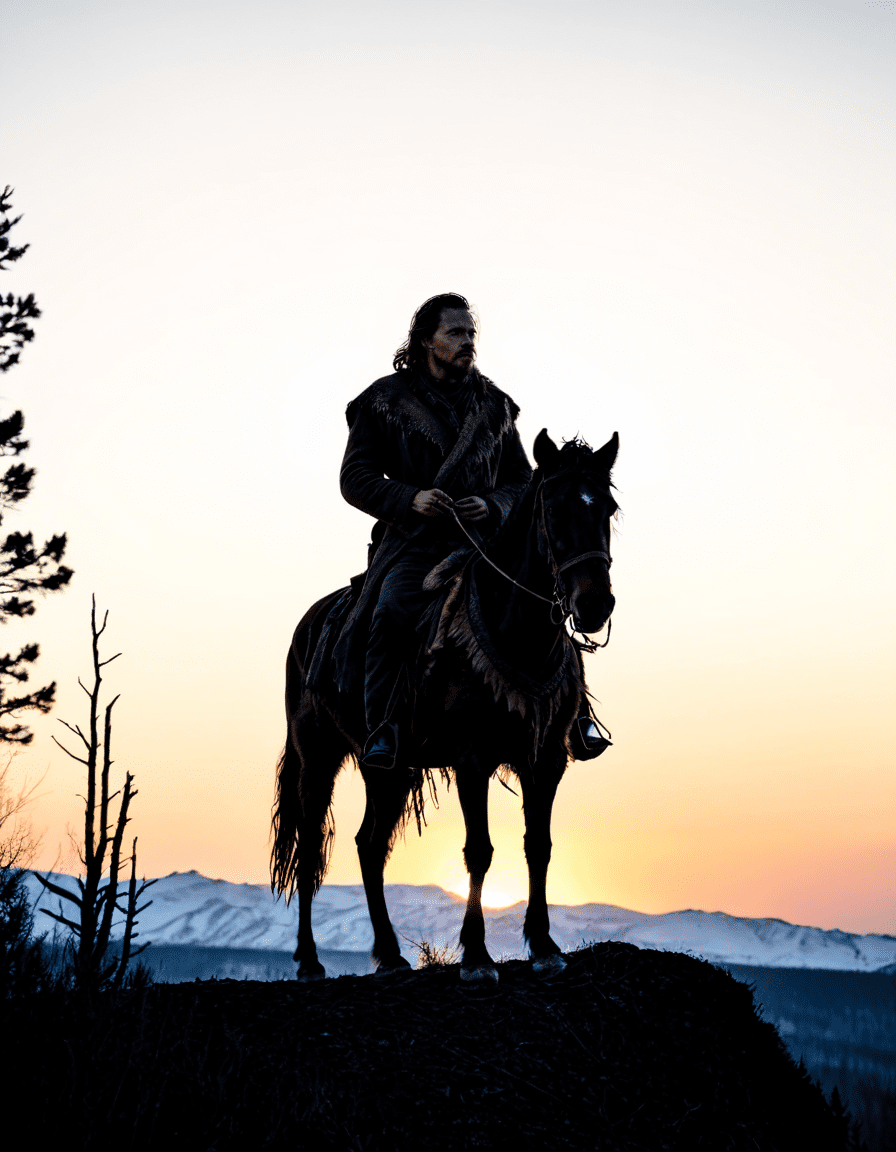
The Jackal: A Symbol of Survival in Cinema
The figure of “the jackal” carries with it a weight of cunning and survival, appearing across various narratives that highlight the instinct to stay alive. In “The Day of the Jackal,” this character’s methodical approach serves as an interesting parallel to Hugh Glass, as both men rely on cunning strategies to reach their ends—one for political gain, the other for deeply personal revenge.
Embracing Duality in Storytelling
The interplay of survival and revenge in “The Revenant” invites audiences to explore not just one man’s struggles but broader themes in the human experience. The film invites us to contemplate the emotional spectrum between a burning desire for vengeance and the soulful yearning for survival. This duality compels viewers to reflect on their unique challenges, enhancing the film’s emotional depth.
Ultimately, “The Revenant” stands as a powerful embodiment of survival and vengeance. It digs deep into the intricacies of the human psyche, provoking profound discussions and insights that linger long after the credits roll. By embracing elements inherent in both the film and the symbolism of the jackal, Iñárritu offers a cinematic experience that does more than entertain—it challenges us to ponder our innate desires for survival and justice as we face the often unforgiving landscape of life.
So, if you haven’t yet experienced “The Revenant,” grab some popcorn and prepare for an emotional rollercoaster. And who knows, you might just find yourself pondering the depths of your own resilience when the film draws to a close!
The Revenant: Journey Through Survival and Revenge
The Making of a Masterpiece
There’s a lot more to The Revenant than just its breathtaking visuals. Did you know that the film was shot using natural lighting? Director Alejandro González Iñárritu pushed the envelope to create a realistic experience, filming in frigid conditions and often under harsh weather. The crew braved the elements, much like Hugh Glass in his quest for survival. Speaking of bravery, this film showcases incredible performances, particularly by Leonardo DiCaprio—who finally snagged an Oscar for his role! It’s worth mentioning that DiCaprio’s journey to this recognition felt like a real-life version of a fast-paced thriller, with fans cheering him on for years.
To add a quirky touch to the filming experience, the cast was often reminded to stay in character during breaks. Some might say it was their version of the WWE Saturday Night Main Event, where everyone had to keep their game face on and deliver. And just like Lil Yachtys unique style resonates in music, DiCaprio’s dedication and emotional depth brought Glass to life in a fashion that’s unforgettable.
Fun Facts and Insights
One fascinating tidbit about The Revenant is how it mirrors classic revenge tales, but with a raw twist. This film isn’t just about vengeance; it sheds light on survival instincts in the wild. To truly appreciate the art, viewers can connect with the tension a bit like watching a suspenseful episode of The Crowded Room. Just imagine the palpable energy that permeated the set, similar to cheering for your favorite player in the partidos de serie a!
Additionally, international audiences might find Glass’s relentless journey reminiscent of stories like Sun Wukong, where resilience and perseverance stand tall against adversity. Iñárritu’s choice to use minimal CGI also echoes the authenticity found in films like Nightmare Before Christmas Sally, where artistry takes precedence over flashy effects. Such dedication creates an immersive experience that leaves viewers breathless, wanting to discover more about the human spirit.
The Revenant’s Legacy
The legacy of The Revenant extends beyond the screen. For many filmmakers, it stands as a benchmark in storytelling and cinematography. Much like how a stylish Goyard card holder can elevate your ensemble, this film elevated expectations for what a movie could achieve emotionally and visually. Fans have also compared the relentless survival narrative in The Revenant to the breathless thrill of GP racing, where every moment counts and stakes are sky-high!
As the film continues to inspire, audiences are encouraged to delve deeper into its themes of resilience and revenge—much like analyzing the depth of a Lil Yachty song or the intricacies found in a great fashion piece. In essence, The Revenant is not just a viewing experience but an invitation to immerse oneself in the fight for life against all odds.