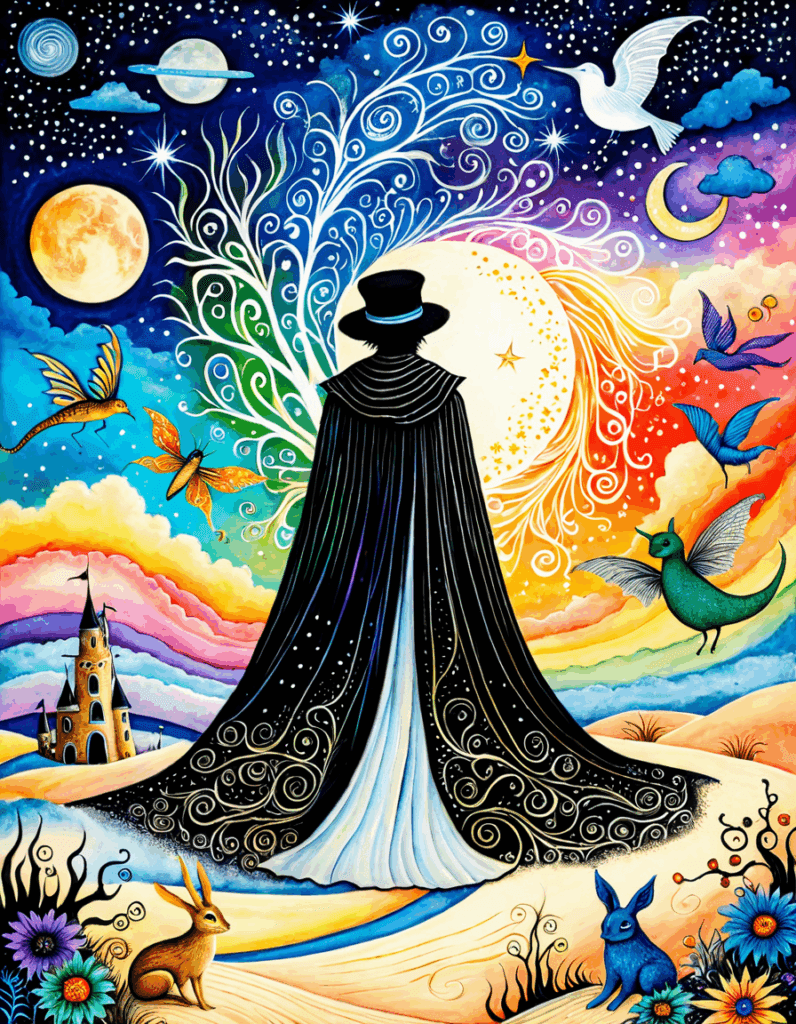
Neil Gaiman’s The Sandman Is like a dream you never want to wake up from. It’s a powerful blend of myth, horror, and fantasy that has captivated readers and viewers since it first hit shelves in 1989. The profound storytelling, unforgettable characters, and stunning artistry have carved out a niche, not just in comics but across television and film too. So grab your coffee (or tea, if that’s your jam) and let’s dive into the enchanting and often perplexing universe of The Sandman.
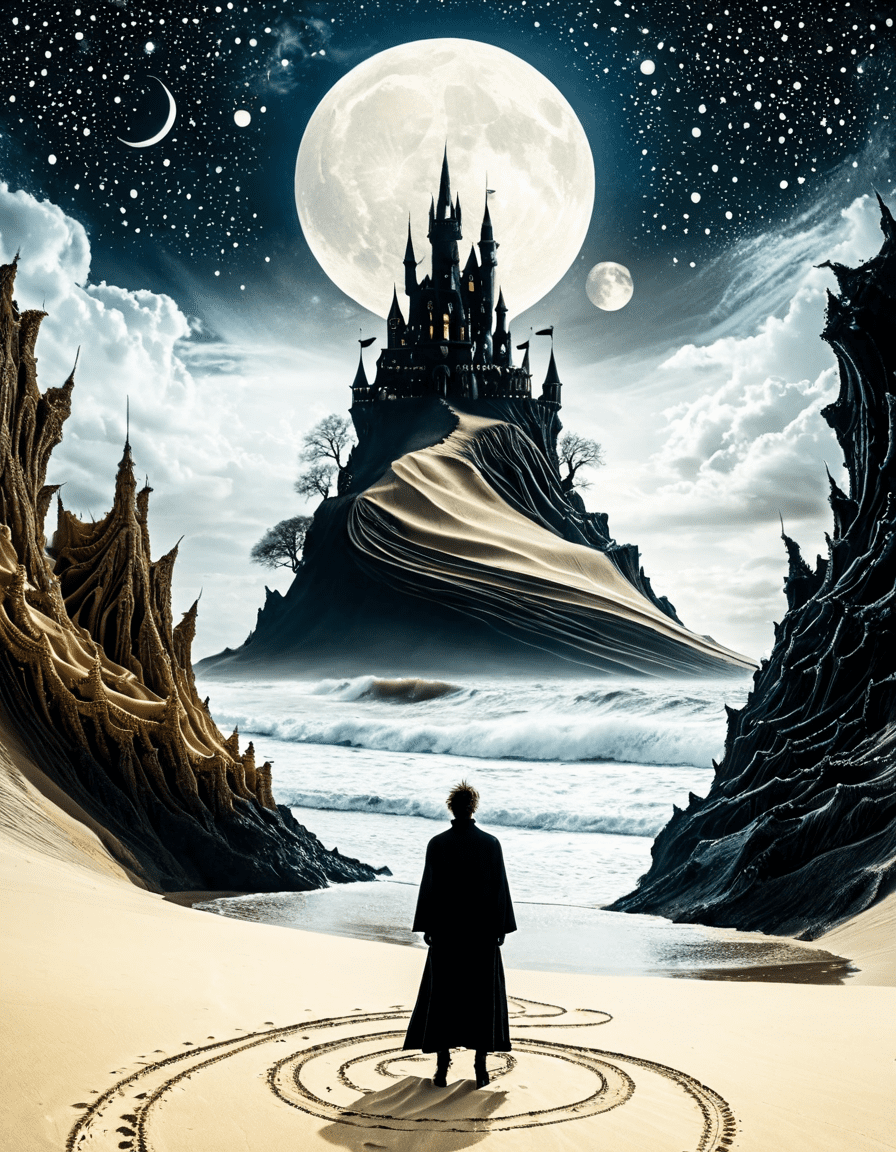
Top 7 Elements of The Sandman That Shape the Narrative
Gaiman’s gift for weaving stories goes far beyond mere plots. There’s an alchemy at play here that makes The Sandman Incredibly rich and textured. Let’s break down the critical elements that make The Sandman A standard-bearer for storytelling in the modern age.
1. Character Development: The Endless
What are dreams without their personifications? In The Sandman, we meet the Endless, a family of mythic figures that includes Dream, Death, and Desire. Each character is layered and complex. For example, Dream’s character embodies the beautiful chaos of dreams-he’s capable of inspiring hope and instilling terror in the blink of an eye. It’s like those family dynamics you see in The Goldbergs: everyone has their quirks and dark sides, but they love each other in their own twisted way.
What’s interesting is how these characters evolve throughout the series; they undergo transformative experiences that resonate deeply with readers. Dream, for instance, moves between benevolence and tyranny, forcing us to ponder the nature of our own dreams-sometimes uplifting, other times downright creepy.
2. Narrative Complexity
You’ve got to applaud Gaiman’s brain for the intricate storytelling. His plots challenge you. They’re interwoven like a fabric, asking readers to stretch their imaginations. Take arcs like “The Dollhouse” and “The Sound of Her Wings”; these stories are delightful puzzles that urge us to reconsider what’s real and what’s not.
This style of narrative mirrors innovative series like Westworld, where reality is often a slippery concept. It’s an intellectual challenge that keeps you coming back for more. The stakes feel real, and you can’t help but be pulled into the web of dreams and nightmares.
3. Cultural Mythology
Gaiman doesn’t just regurgitate stories; he reshapes them! By integrating a variety of mythologies from Greek gods to Egyptian lore, he crafts a rich cultural tapestry. It’s like witnessing an artist mix various pigments to create a groundbreaking painting. Just as The Goldbergs Relies on ’80s nostalgia to build humor and relatability, The Sandman Taps into collective cultural experiences that resonate universally.
This isn’t mere embellishment. The cultural layering intensifies the narratives and underscores the shared beliefs and fears that define humanity. After all, whether we’re talking Greek tragedies or Dune Characters, the essence of humanity remains.
4. Visual Artistry
Let’s talk visuals! The artwork of The Sandman Created by artists like Sam Kieth and Mike Dringenberg is iconic. Each frame is filled with intricate details that pull you in deeper, so much so that you almost forget there’s a storyline happening. The adaptation into a Netflix series further emphasizes the importance of visual storytelling, setting a new standard for comics turned screen adaptations.
The attention to visual aesthetics sparks a conversation reminiscent of the set designs in The Goldbergs, where every aspect of the backdrop evokes feelings of nostalgia. The stunning visuals breathe life into Gaiman’s storytelling, creating an experience that’s as much about what you see as what you read.
5. Philosophical Themes
The Sandman Doesn’t shy away from deep, philosophical questions. It invites us to ponder existence, identity, and mortality. This isn’t just idle thinking-these themes are relevant to our own lives. Much like the thought-provoking episodes of Black Mirror, which critique human nature through speculative fiction, The Sandman Forces us to confront our own beliefs and choices.
By intertwining light and darkness, Gaiman encourages readers to think critically about their actions. It’s a reminder that even in our dreams, our choices matter.
6. Impact of Adaptations
The 2022 Netflix adaptation of The Sandman Opened a new frontier for Gaiman’s creation. This shift has introduced an entirely new audience to his work. Just as successful reboots breathe new life into beloved series like The Goldbergs, The Sandman Serves as a reminder that great stories are timeless.
The Netflix series respects the original material while introducing fresh elements for today’s viewers, bridging the gap between nostalgia and contemporary storytelling. It preserves the quirks and depth of the original while making it accessible to audiences who may not be familiar with the comics.
7. Fan Community and Cultural Impact
The fan community around The Sandman Is vibrant! You see discussions popping up across social media, where people dive into theories, character analyses, and even the music of Dylan Thomas and Patti Smith. It’s like being part of an exclusive club where everyone shares a common passion.
It’s a cultural phenomenon that’s no different than the lively discussions sparked by The Goldbergs. The community thrives on nostalgia, interpretation, and imagination, ensuring that The Sandman Stays alive and relevant even as new stories emerge.

The Sandman’s Role in Contemporary Storytelling
When you step back to reflect on The Sandman, it’s clear that it’s not just a comic or a show; it’s a cultural touchstone. It highlights the importance of interconnectivity in storytelling today. Just as the family stories in The Goldbergs Resonate with viewers, The Sandman Does the same by offering a rich tapestry of characters and storylines.
We now live in a time where every streaming platform feels like a treasure chest of narratives. The Sandman Reminds us that even the most sobering themes can intermingle with humor, bringing a breath of fresh air to the storytelling landscape.
Bridging Dreams and Reality: A Cultural Mosaic
Diving into The Sandman Reveals it’s more than tales of dreams and nightmares; it’s a deep look into the human condition. Gaiman skillfully intertwines philosophy and entertainment, reflecting how we navigate life’s ups and downs.
In 2026, The Sandman Has firmly planted itself as not only a classic but also a guide for future storytellers. It inspires new creators to craft complex narratives that resonate with audiences, leading them through the intricate dreamscape of our collective experiences.
So, whether you’re revisiting the source material or exploring the new adaptations, remember to dive deep. There’s a treasure trove of insights waiting for you in The Sandman. Who knows? You might just find a piece of yourself tucked within those pages or episodes!
Sandman: Facts and Trivia on Our Dream Come True
The Folkloric Origins of the Sandman
The Sandman has a vibrant history, treading the lines between dreams and nightmares well before Hollywood took notice. In folklore, he’s often depicted as a whimsical figure who sprinkles magical sand to guide children into slumber. Did you know this enchanting character has appeared in various forms in pop culture? For example, in Fear And Loathing in Las Vegas, there’s an unmistakable nod to dream-like escapism influenced by the Sandman mythos, shedding light on how dreams distort our perceptions.
Speaking of dreams, there’s something quite poetic about how the Sandman has inspired artists, including the legendary Dylan Thomas, who, along with Patti Smith, has echoed this magical theme in his work. This interlay of dreams and artistry showcases how folklore can transcend into musical expression, reminding us we all carry a sprinkle of the Sandman within us.
Cinematic Journeys into Dreamscapes
When it comes to film, the Sandman has found his way onto the silver screen in several captivating ways. Take Moonstruck, for example, where love blurs the lines between reality and fantasy, evoking that vivid dreamlike quality associated with the Sandman. In a different light, the Dune movie 2020 cast Features actors who dive headfirst into otherworldly roles, showcasing how storytelling around dreams continues to evolve in cinema.
Moreover, let’s not forget the spine-chilling portrayal of figures resembling the Sandman, such as Count Orlok. This character, from Nosferatu, evokes terror directly linked with night-time fears, a fine spin on what the Sandman can represent. Just as in various narratives, he serves as both a comforter and an instigator in dreams-how’s that for a twist?
Dreaming and Reality: The Thin Line
Delving deeper into the psyche, dreaming has always been an area of interest, especially when it comes to mental well-being. If you’re ever feeling overwhelmed, remember, calling social security isn’t just a bureaucratic action; it can aid those wrestling with life’s nightmare scenarios. Sometimes, the Sandman just needs a little help for you to find your peace.
Yet, the Sandman is more than just folklore; it serves as a mirror reflecting our fears and hopes. As we float between dreams and reality, we may discover that embracing both sides can lead to creative expressions, like those seen in the House series On creepy encounters or even the fantastical narratives spun by contemporary musicians. The beauty lies in how the Sandman influences these diverse fields, allowing us to explore the enchanting interplay of dreams and our waking world.
This article was produced with AI assistance. How Motion Picture Magazine uses AI.
Motion Picture Magazine writes for Motion Picture Magazine - movies, celebrity gossip, entertainment news, style and best shows.