In 1996, a creative leap was taken in the retelling of William Shakespeare’s iconic tragedy, “Romeo and Juliet.” With Baz Luhrmann at the helm, this adaptation paired modern visuals and contemporary settings with classic Shakespearean dialogue to resonate deeply with a new generation. Known for its vibrant cinematography and unforgettable soundtrack, Romeo and Juliet 1996 transformed what many view as an old-fashioned tale into a captivating experience for the youth of the ’90s. This daring reimagining not only captured the hearts of audiences worldwide but also set a precedent for how classic literature can be adapted for modern cinema. Let’s dive into what made this film a phenomenal success!
Top 5 Innovative Elements of Romeo and Juliet 1996
1. Modernized Setting and Style
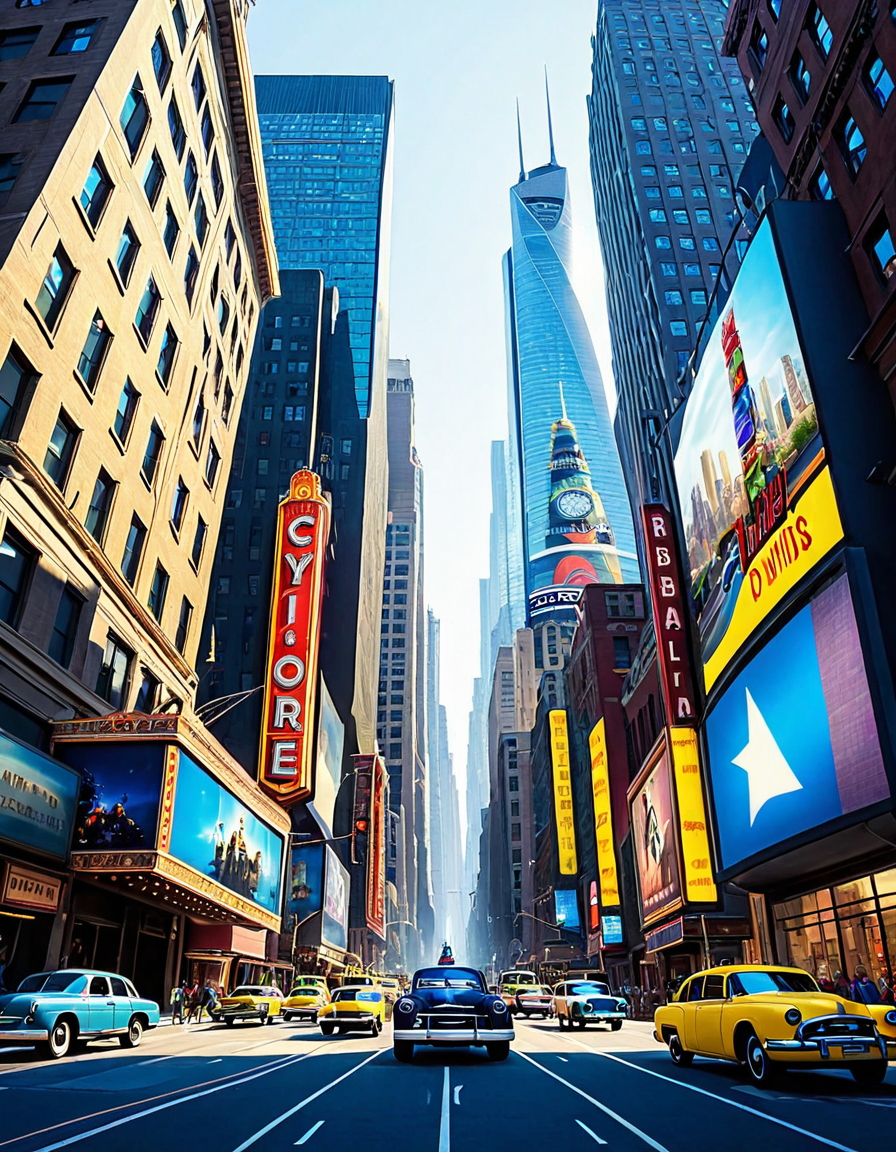
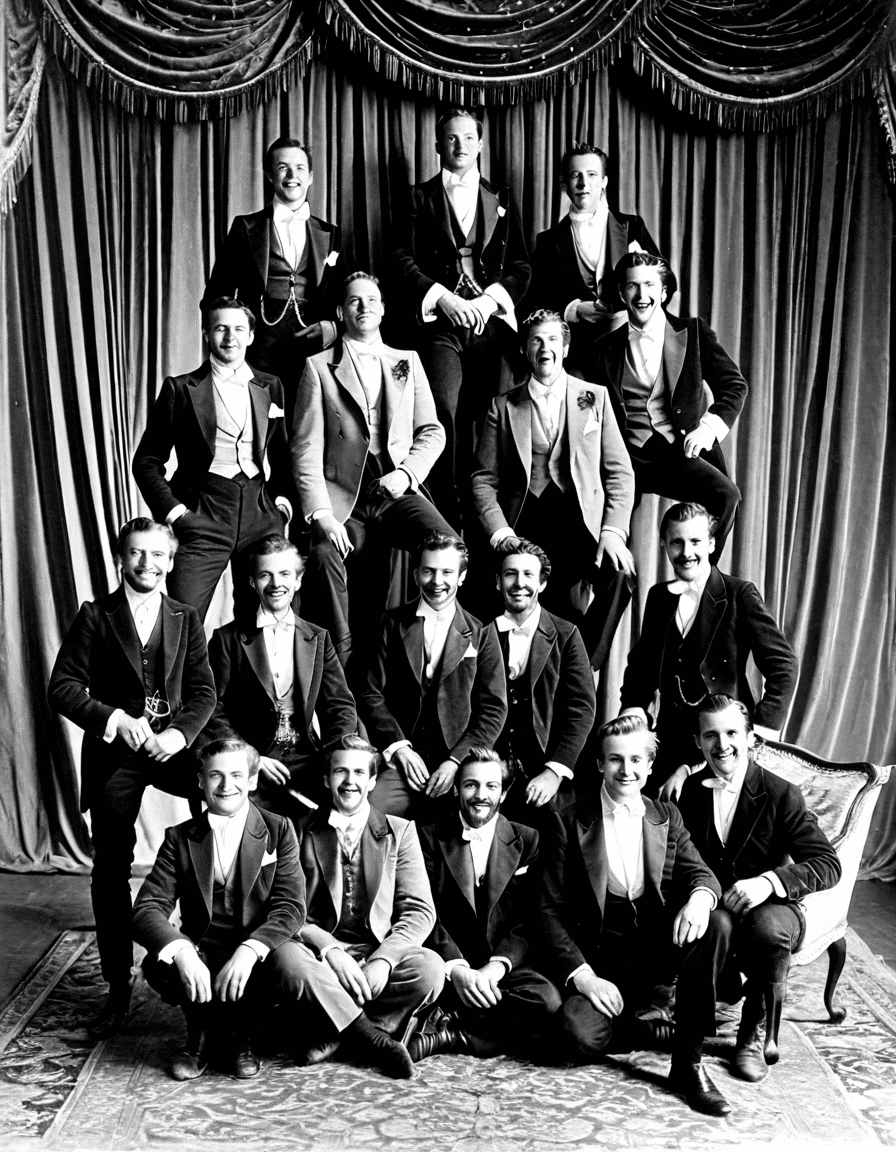
Forget about the quaint streets of Renaissance Verona. Luhrmann plunked our star-crossed lovers smack-dab in the middle of Verona Beach, a lively blend of surfers, neon lights, and competitive Bellagio-style families. The 90s vibe was hard to miss, with flashy costumes, soul-stirring visuals, and even a few pop culture nods that made the world of Romeo and Juliet 1996 feel fresh and wildly entertaining. This combination appealed to the youth, making the story feel relevant—after all, sometimes you just gotta trade in feathers and doublets for leather jackets and board shorts!
2. The Soundtrack That Defined a Generation
Let’s talk tunes! The soundtrack woven into Romeo and Juliet 1996 was as iconic as the film itself. Featuring legendary tracks from bands like Radiohead, Des’ree, and The Cardigans, this collection did more than punctuate scenes; it became a cultural touchstone. Who could forget the heart-wrenching chorus of “Lovefool”? After the film’s release, it wasn’t just a song stuck in your head, but an earworm in your heart—one that captured the sweet ache of young love and longing. You could say the music wasn’t just background, it was the emotional heartbeat of the film!
3. Dynamic Casting Choices
Here’s a fun fact: Leonardo DiCaprio was on the verge of superstardom when he accepted the role of Romeo. Pair him with Claire Danes, then a budding talent with a knack for portraying vulnerability, and you had a match made in casting heaven. Their on-screen chemistry radiated passion and urgency that kept audiences glued to their seats. DiCaprio and Danes brought a fresh energy to this fabled romance, reminding us that love, whether set in the 1500s or the 1990s, always has the power to captivate.
4. Visual Storytelling Techniques
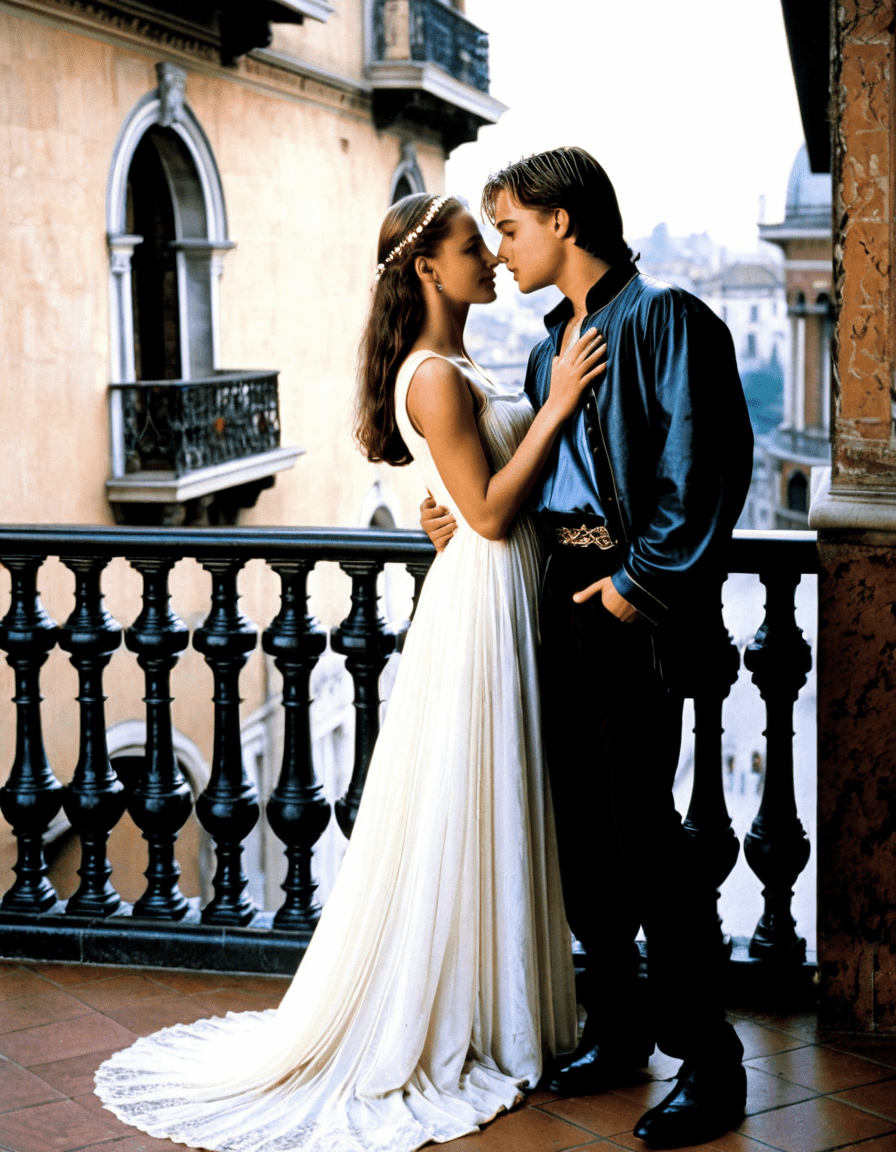
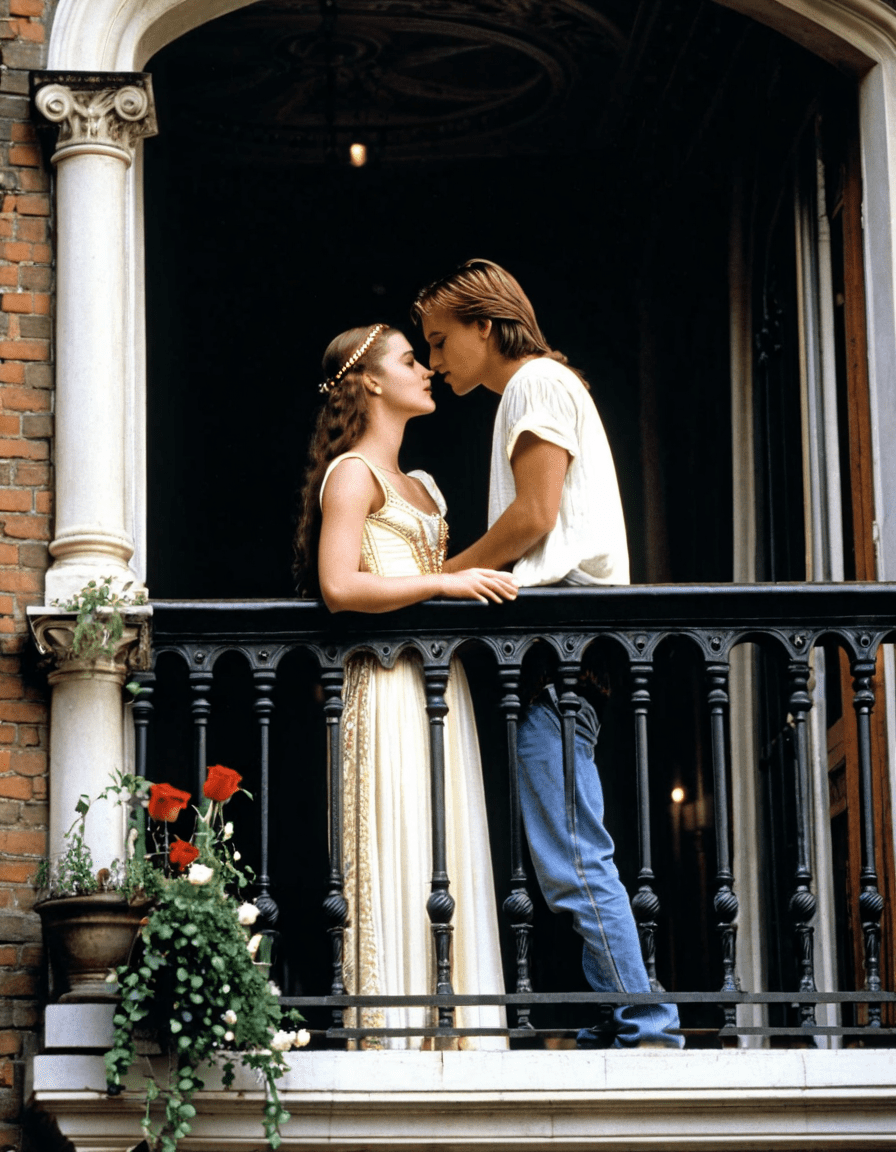
Luhrmann wasn’t just interested in dialogue; he pushed the envelope with ground-breaking visuals, rapid editing, and acrobatic camera work that took storytelling to a whole new level. Imagine the sizzling contrast between the Capulet and Montague families—each depicted using vivid colors and styles that almost sparked off the screen. The iconic balcony scene, tinged with passion and intense longing, was set against a backdrop of chaos that kept viewers on edge, reminding us that love often comes intertwined with turmoil.
5. Themes of Youth and Rebellion
At its core, Romeo and Juliet 1996 shined a light on themes that echoed throughout the youth culture of the ’90s, notably passion and rebellion against societal constraints. The story illustrated how love is a catalyst for defiance, urging youngsters to challenge the status quo. Sound familiar? It’s a little like some of today’s TV Shows With Nicholas chavez, where youthful defiance is a hot topic. The movie captured the rebellious spirit of the era, inviting viewers to reflect on their own battles with love and identity.
The Lasting Impact of Romeo and Juliet 1996
The bold retelling of Romeo and Juliet in 1996 reshaped cinematic adaptations forever. Not only did it breathe new life into Shakespeare’s work, but it also inspired many artistic endeavors, including musicals and other films that embraced the blend of love and strife, such as West Side Story. The echoes of Luhrmann’s film resonate even today in modern adaptations that prioritize visual storytelling, much like what you might see in the Netflix series, The Get Down, which channels similar themes of rebellion and youthful romance.
Moreover, right from the get-go, Romeo and Juliet 1996 sparked much-needed conversations about the relevance of classic literature in today’s world. It provoked fresh interpretations that resonated across generations, allowing audiences to embrace these timeless narratives while carving out their individual meanings. Now, as we glance back from 2026, it’s crystal clear that Luhrmann’s imaginative approach continues to spark conversations about love, fate, and familial conflict, reinforcing the idea that Shakespeare’s works are as alive now as they were back in the day.
With all its innovative choices and artistic bravery, Romeo and Juliet 1996 isn’t just an adaptation; it’s a cultural phenomenon that encapsulates a moment in time. As we unpack its legacy, we’re reminded that even centuries-old tales can morph into something new and exciting, proving how exploring the depths of classic stories can resonate with every new generation. Whether you’re a fan of classic cinema or a newcomer looking to explore passionate storytelling, there’s something timeless about this rendition that just hits home and makes you reflect. So why not revisit Romeo and Juliet 1996 and witness the magic for yourself? Who knows, it may just reignite that youthful passion you thought was long gone!
Romeo and Juliet 1996: Fun Trivia and Interesting Facts
Bold Choices and Creative Vision
The 1996 film Romeo and Juliet, directed by Baz Luhrmann, redefined how we view Shakespeare’s classic tale of star-crossed lovers. One standout aspect is the casting of Leonardo DiCaprio and Claire Danes, whose chemistry transformed the film into a cultural phenomenon. Interestingly, DiCaprio’s breakthrough role came just a year earlier in What’s Eating Gilbert Grape, marking the beginning of his rise to stardom—a path that eventually led to roles in modern classics like The Revenant. Fun fact: the filmmakers chose to set the story in a modern, urban environment, and costumes were inspired by punk and contemporary styles, laying the groundwork for future adaptations. Speaking of modern adaptations, if you’re a fan of new talent like Kj Apa, you might appreciate how these creative choices illustrate timeless themes, even today.
Iconic Lines and Symbolism
One of the film’s notable elements is how it brought Shakespeare’s language to life through visual metaphor and symbolism. The iconic balcony scene, for instance, is transformed into a vibrant rooftop setting, adding layers to the romance that audiences can visually grasp. Dougray Scott, who played Tybalt, utilized these high-energy sequences to elevate his character from an antagonist to a symbolic figure. Similarly, the film’s soundtrack, featuring a mix of classic and contemporary music, resonates with both Shakespearean themes and modern youth culture. Fans of Young Sheldon will appreciate the film’s blend of innocence and chaotic adult themes, mirroring the struggles often depicted in coming-of-age stories.
Surprising Connections and Assessments
Another fascinating trivia tidbit: the film was originally met with mixed reviews, but it gradually gained a massive fan base, making it a cult classic. The success of Romeo and Juliet 1996 can be likened to the buzz surrounding recent releases like Ghostbusters: Frozen Empire, which shows how innovative storytelling can hook viewers across generations. By breaking down social barriers and presenting characters as relatable, this film continues to resonate. It’s interesting to consider that ten years later, the world would see the creation of platforms that revolutionized how we experience stories, much like how Mike Tyson’s upcoming fight in 2024 is generating buzz in pop culture.
With its vibrant aesthetic and fresh take on a classic tale, Romeo and Juliet 1996 remains a vital reference point for creators like Manny Jacinto, who aspire to breathe new life into classic narratives while showcasing the power of love and tragic fate that even Randy Savage would admire. So whether you’re revisiting this reimagined classic or diving into the world of Shakespeare, don’t miss the impact of this bold adaptation!