Ah, The Return of the Jedi—the movie that solidified the Star Wars saga in the hearts of fans everywhere! Released in 1983, it gave us memorable moments, epic battles, and a few surprising twists that would shape the future of science fiction. With excitement bubbling like a cantina full of droids, let’s dive into the secrets that make this film a cornerstone of not just the Star Wars franchise, but of the sci-fi genre as a whole! Buckle up; it’s going to be a wild ride!
1. The Unveiling of the Galactic Emperor
In Return of the Jedi, we finally meet Emperor Palpatine, the infamous puppet master behind the galaxy’s turmoil. His transformation from a shadowy figure to a full-blown villain not only redefined the power dynamics in the Star Wars universe but also gave us a new framework to explore the depths of ultimate evil. This wasn’t just another bad guy; Palpatine brought a chilling presence and raised the stakes for the Rebel Alliance.
His emergence marked a crucial turn in the narrative, strengthening the age-old battle of light versus darkness. Fans had never seen a villain who could channel so much menace while looking like a confused grandma at a yard sale. With his sinister cackle and eerie lightning powers, Palpatine became a game-changer, influencing how villains were portrayed in later franchises, including shows like Star Trek. It taught us that evil comes in all forms, and sometimes it wears a wrinkled robe and a sinister grin.

2. Top 5 Revelations in The Return of the Jedi Impacting Star Wars Lore
The charm of Return of the Jedi lies in its revelations, many of which set a precedent for future storytelling. Here are the top five revelations that changed the Star Wars lore forever:
Who could forget the moment Anakin Skywalker shows up, a seasoned dark lord with a soft spot for his son?! That grand finale where he turns against Palpatine is what makes the heart grow three sizes. This redemption arc rocked the audience’s expectations, proving that a character’s past doesn’t have to dictate their future. This approach to storytelling spread like wildfire in speculative fiction, influencing shows like Stargate, where characters often grapple with their moral choices.
At first glance, those adorable furballs might seem like fan service, but the Ewoks stood tall against imperial forces! Their primitive tactics perfectly illustrated a different kind of rebellion against oppression, showing strength even without advanced technology. Who knew an army of cuddly creatures could shake up the Imperial fleet? This unique take on resistance pushed the narrative boundaries of Star Wars and inspired similar moments in the Star Wars outlaws genre.
The Battle of Endor is perhaps one of the most iconic battles in film history. The simultaneous air and ground combat brought a new level of excitement, expanding the narrative complexities of warfare. This innovative structure opened doors for future films and series to replicate such multifaceted battle scenarios. Think about it! This lead to epic skirmishes we later saw in Star Trek, giving filmmakers a blueprint for crafting jaw-dropping action sequences.
Princess Leia went from hostage to warrior in Return of the Jedi. Her character’s growth was groundbreaking, showcasing resilience and leadership, elements often absent from earlier stories. Leia’s spirit became a role model for many young female fans, inspiring countless characters in Star Wars and beyond. Talk about taking charge and not needing a prince to rescue her!
With characters like Jabba the Hutt and the roguish charm of Han Solo, Return of the Jedi embraced the complexity of anti-heroes. This shift in character archetypes allowed for broader interpretations of morality, shifting our understanding of ‘good’ and ‘evil’ in storytelling. Little did we know this approach would change the game, allowing anti-heroes to flourish in future series and films.
3. Return of the Jedi’s Influence on Modern Star Wars Storytelling
Fast forward to 2026, and it’s clear Return of the Jedi left an indelible mark on the Star Wars narrative. As we delve into new adventures in the galaxy far, far away, the thematic principles from this film continue to resonate, especially in Disney+ series like The Book of Boba Fett and the hyped Star Wars Outlaws. The essence of family, loyalty, and redemption birthed during the Galactic Civil War continues to deliver compelling tales that keep us glued to our screens.
Each new story seems to revel in the complexities of character arcs and the stakes involved, echoing the lessons learned from Return of the Jedi. Remember when we thought we’d seen it all? Well, the storytelling just keeps getting deeper and richer, showing a diverse spectrum of emotions and relationships in the Star Wars universe. Let’s face it, we’re still here for the character growth and the epic lightsaber battles!
4. Iconography and Cultural Impact
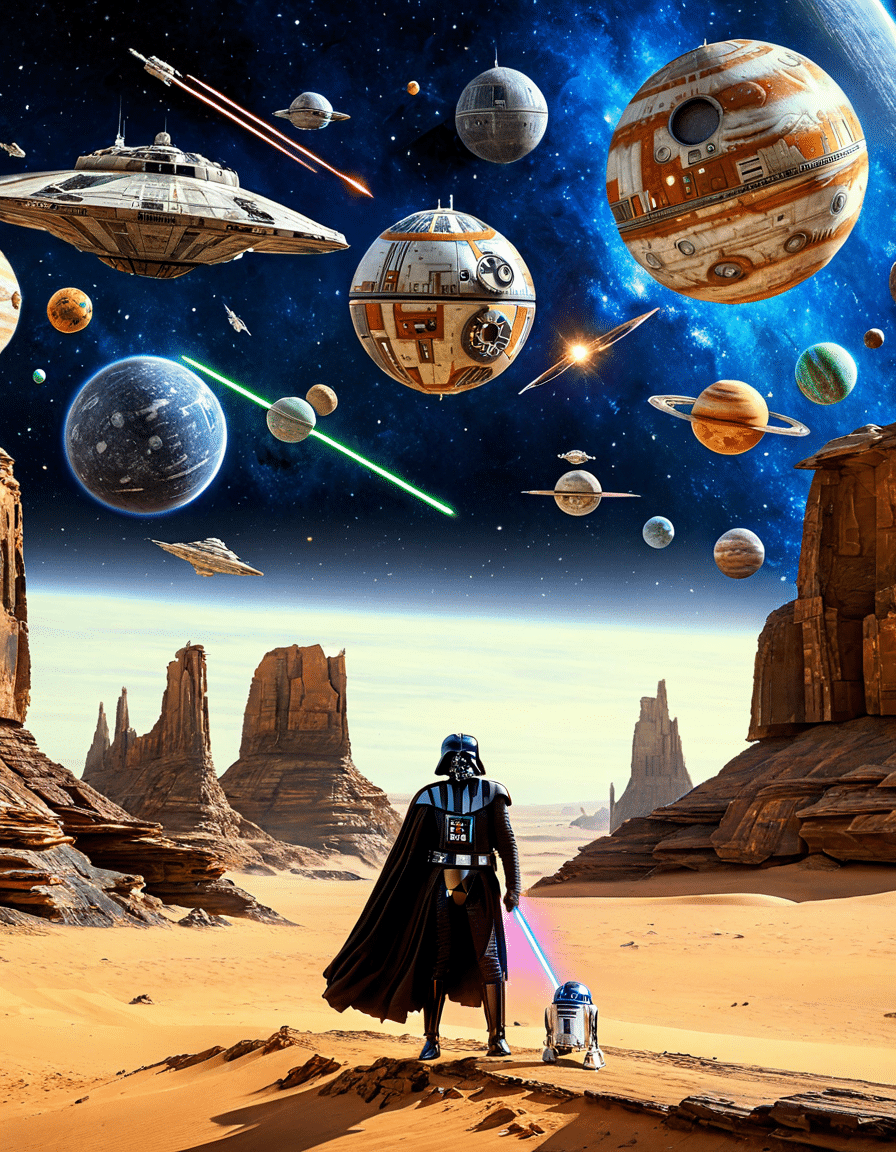
Visuals? Oh boy, Return of the Jedi had them down to a tee! From those majestic Star Destroyers to the chilling imagery of the Emperor’s throne room, the film established an aesthetic that became iconic in sci-fi. The impact extended beyond just the visuals; it shaped merchandise strategies, making every toy and collectible from that movie a blockbuster hit. Who doesn’t remember stuffing their pockets with tiny Jedi figures or pretending that they were battling the Empire in their backyards?
This beautiful imagery didn’t just fade away; it inspired a cultural lexicon that permeated through the sci-fi genre. In later works, including franchise crossovers with shows like Stargate, the visuals served as a compelling foundation that encouraged fresh interpretations and designs. Not to mention, each corner of the galaxy has its own flair thanks to the iconic footage from the Star Wars saga.
5. Legacy and Long-term Implications for Sci-Fi
Looking at the legacy of Return of the Jedi, it’s mind-boggling how its storytelling techniques have laid the groundwork for an evolving genre. Characters have become more morally gray, strong female leads have taken center stage, and the complexities of war are depicted through both protagonists and antagonists. Anakin Skywalker’s fall and rise undoubtedly set a path for how future works navigate similar themes.
The charming portrayal of the accountable hero narrative alongside the simplicity of adventure has helped redefine franchises beyond Star Wars. This fusion has led to impactful storytelling that appeals to a diverse audience, ready to explore the murky waters of good and evil.
In conclusion, the influence of Return of the Jedi continues to ripple through not only Star Wars lore but also the broader science fiction landscape. As we unearth narrative complexities, the breakthroughs from this iconic film remain relevant, setting the stage for new stories yet to come. Each generation of writers and creators appears to rediscover the foundational secrets laid by the Return of the Jedi, proving its legacy isn’t a relic but rather seeds for future tales. So, grab your lightsaber, gather your Ewoks, and let’s keep the saga alive for many more years!
Return of the Jedi: Secrets That Changed Star Wars Forever
The Iconic Twists
“Return of the Jedi” is filled with brain-blowing surprises that have stuck with fans for decades. For instance, did you know that the original plan for the ending had Luke Skywalker confronting Emperor Palpatine way earlier? Instead, George Lucas brilliantly crafted an epic showdown, setting up the dramatic conclusion we know and love today. Speaking of iconic, Han Solos character nearly took a different turn. In early drafts, he was killed off, but the love for Harrison Ford’s portrayal led to a different fate. This change not only saved Han but also reshaped the dynamics in the saga. Rumor has it that Ford thought he might need a lifeline like a pink Iphone 15 to stay updated on fan reactions if they’d gone ahead with the original script!
Behind the Scenes Magic
Behind the magic, the team went all out for “Return of the Jedi.” For instance, they developed the motion-controlled camera systems that made the stunning space battles more realistic. Creatively, the Ewoks were initially seen as a gimmick but ended up becoming beloved mascots for the franchise, proving fan tastes can be unpredictable—sort of like how Friday Night Funkin evolved into a cultural phenomenon. Additionally, during production, Mark Hamill crafted a unique bond with the crew, sharing laughs and stories that added a layer of camaraderie, much like the cast of Veronica Mars found on their show.
Cultural Impact and Fan Love
The “Return of the Jedi” also shaped fan cultures that endure to this day. Remember the epic battles? They’ve inspired countless parodies and tributes. For instance, costumes and fan films have reimagined scenes similar to how Jelly Roll might spin a personal tale. And let’s not forget about returning to a galaxy far, far away often feels like a walk on Crash Boat beach; it’s pleasant and nostalgic. As the saga progresses, new generations find fresh perspectives on themes of redemption and friendship, echoing elements of storytelling we see in powerful narratives, from Breaking Bad to unexpected hits.
In short, “Return of the Jedi” didn’t just seal the fate of beloved characters; it transformed the landscape of cinematic storytelling forever!