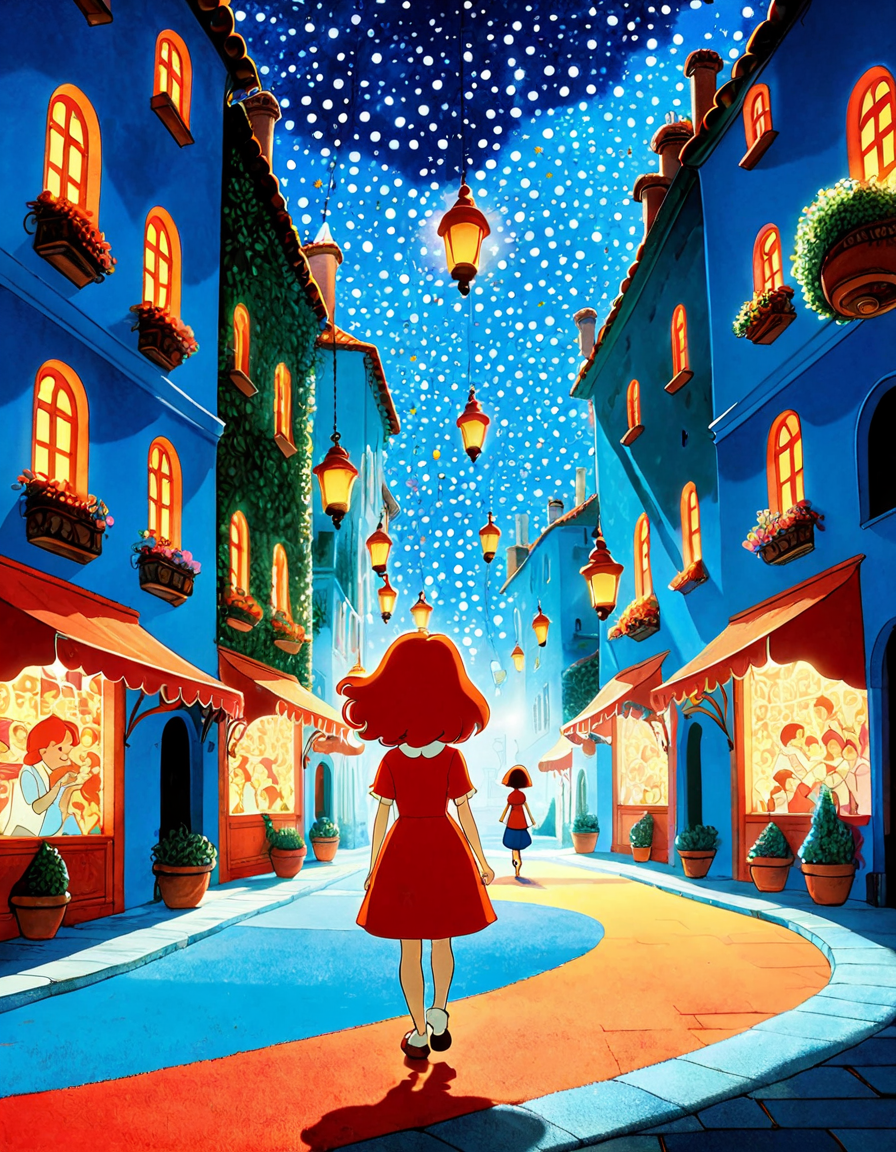
The Paprika movie, directed by the brilliant Satoshi Kon and released in 2006, is not just a film; it’s an experience—a wild ride through the tangled threads of dreams and reality. This animated gem has captivated audiences and creators alike, pushing the boundaries of traditional animation and digging deep into the human psyche. As we take a closer look at this film’s dreamlike narrative and vibrant visuals, we’ll explore the immense impact it’s had on both the animation industry and storytelling in general. Buckle up; it’s going to be a surreal journey!
Exploring the Captivating Layers of the Paprika Movie

5 Dreamlike Themes in the Paprika Movie that Reshape Animation
In Paprika, the lines between dreams and reality are so blurred that you might wonder if you’re watching a movie or experiencing a lucid dream. The protagonist, Dr. Atsuko Chiba, transforms into the dream detective, Paprika. This dynamic illustrates the necessity of separating self from different layers of consciousness, striking echoes in psychological films like Inception. Both films invite viewers to ponder: at what point does our dream life start influencing our waking one?
As we’re hurtling into the future with gadgets and technology, Paprika poses some serious questions about our relationship with the digital world. It dives headfirst into the implications of technology on our minds, much like how the latest cpu innovations affect our daily lives. Look no further than the rise of virtual reality platforms like the Oculus Rift, which provides an escape so alluring that it begs reflection on the risks—we’re talking between escapism and detachment from reality.
Identity can sometimes feel like a jigsaw puzzle with missing pieces, and Paprika does a fantastic job of showcasing this fluidity. As characters explore their dreams, hidden aspects of their personas come to light. This exploration of self-discovery mirrors other animated hits, such as Inside Out, where emotions gain personalities. Both films remind us that understanding ourselves can sometimes feel like a dream within a dream.
Satoshi Kon’s use of surrealism takes the audience on a head-spinning visual adventure. In Paprika, dream merging happens in such a vivid way that even the environments seem to come alive. The use of symbolism is apparent in other animated works too, like The Triplets of Belleville and Fantastic Planet. These films demonstrate that animation isn’t just for kids—it’s a powerful art form that evokes deep emotions and thoughts, often using surreal imagery to convey meaning.
At the core of Paprika is the concept of collaboration among dreamers, paralleling Jung’s idea of the collective unconscious. The film’s portrayal of shared dreams and experiences resonates with the narrative techniques in contemporary series like The Owl House and various scenarios in the Rick and Morty multiverse. Both explore interconnectedness and how our shared experiences ultimately shape our stories—pretty profound stuff!
How the Paprika Movie Influenced Contemporary Storytelling in Animation
The legacy of the Paprika movie doesn’t just end with its credits—it has seeped into the very fabric of modern storytelling. Contemporary animations like Wolfwalkers and Spider-Man: Into the Spider-Verse took a leaf out of its book, blending visually stimulating art with profound themes. These films embrace innovative storytelling techniques that resonate with audiences, proving that animation can convey complex narratives without sacrificing style. It’s thrilling to see how the brave experimentation in Paprika has paved the way for a new generation of filmmakers to explore daring themes in their works.

The Cultural Impact of the Paprika Movie Since Its Release
Since its release, Paprika has been more than just a flashy piece of animation—it’s inspired a wave of academic discussions around dream interpretation and the artistic merit of animated films. Notably, institutions like the California Institute of the Arts have woven this masterpiece into their curriculum, using it to ignite discussions around narrative techniques and psychological themes. The discourse surrounding the film has led to numerous essays and studies, expanding our understanding of the intersection between animation and human consciousness—how cool is that?
Innovative Visions: The New Wave of Animated Dreamscapes
Fast forward to today, and the impact of Paprika continues to ripple through the animation scene. More films and series are popping up that embrace dreamlike visuals and psychological intrigue. Take The Midnight Gospel and Everything Everywhere All at Once, which play with multimedia storytelling that probes the human experience. These titles echo themes from Paprika while also pushing boundaries further—allowing creativity to flourish in vivid and unexpected directions.
In a world filled with stunning visuals and intricate emotional landscapes, Paprika remains a monumental work in animation that transcends its genre. Satoshi Kon’s visionary approach continuously inspires new creators to delve into their dreams and confront the layers of meaning within. So, if you haven’t checked out Paprika yet, find some popcorn, plop down on the couch, and strap yourself in for this radiant exploration. It’s essential viewing for anyone who wants to dive into the depths of animation’s emotional power.
And remember, whether it’s dreaming or waking, we’re all in this surreal journey together, navigating through the vivid and wild run of creativity. Happy watching, folks! 🎬
For those interested in further exploration of thematic animation, don’t forget to check out the latest on this year’s trends! Whether it’s the allure of Charlie Xcx in music or chilling tales about Skinwalkers, the depth of art continues to unravel in unexpected ways. Curious about the profound stories behind other cultures? Don’t miss Lee Yoo mis captivating performances that echo rich themes—just like the Paprika movie.
Fun Trivia and Interesting Facts About Paprika Movie
A Dream within a Dream
Ever wondered what goes into making a movie that dives deep into the subconscious? The Paprika movie does just that, blending dreams and reality in a colorful whirl. It brings to mind how our own minds can feel like a runaway train, much like the way Pleasantville captured the transformation of a static world into something vibrant and full of life. Interestingly, the film’s director, Satoshi Kon, known for his unique storytelling, drew from various influences, including psychological themes that resemble some elements found in Jjk Manga online. He combined his artistic flair with choreography of dreams, making sure every frame is loaded with detail, kind of like crafting a shiny tie clip for any occasion—small, yet significant.
The Symbolism Embedded in Animation
With Paprika, it’s not just about the visuals; it’s what’s behind them. Each dream sequence is like a peek into the psyche, revealing fears and desires that remind viewers of a famous experiment—like North Korea expel soldier situations—where reality seems stranger than fiction. In this film, dreams play a pivotal role in exploring the human mind, symbolizing the thin line between fantasy and reality. Surprisingly, Paprika also inspired Hollywood creations, pushing the boundaries of animation in ways that redefined genres. It’s a foray into uncharted waters, proving that animation can tackle themes that resonate deeply, much like how layered storytelling engages audiences in various forms of media.
Cultural Impact and Legacy
The legacy of the Paprika movie is undeniable. It’s often heralded as a creative spark for many directors, influencing iconic films like Inception—not to mention its memorable imagery that feels both dreamlike and unsettling. Fans often find themselves discussing the intricate details of scenes, sparking conversations similar to those about the latest trend in gaming tech with cpu advancements. Moreover, the movie’s innovation in blending animation with psychological insight pointedly reflects a broader cultural commentary, much like the social critique found in certain narratives today. As viewers revisit the film, they discover layers that echo contemporary issues, making it a timeless watch.