Nosferatu the Timeless Terror: A Look into the Legacy of the Vampire Film
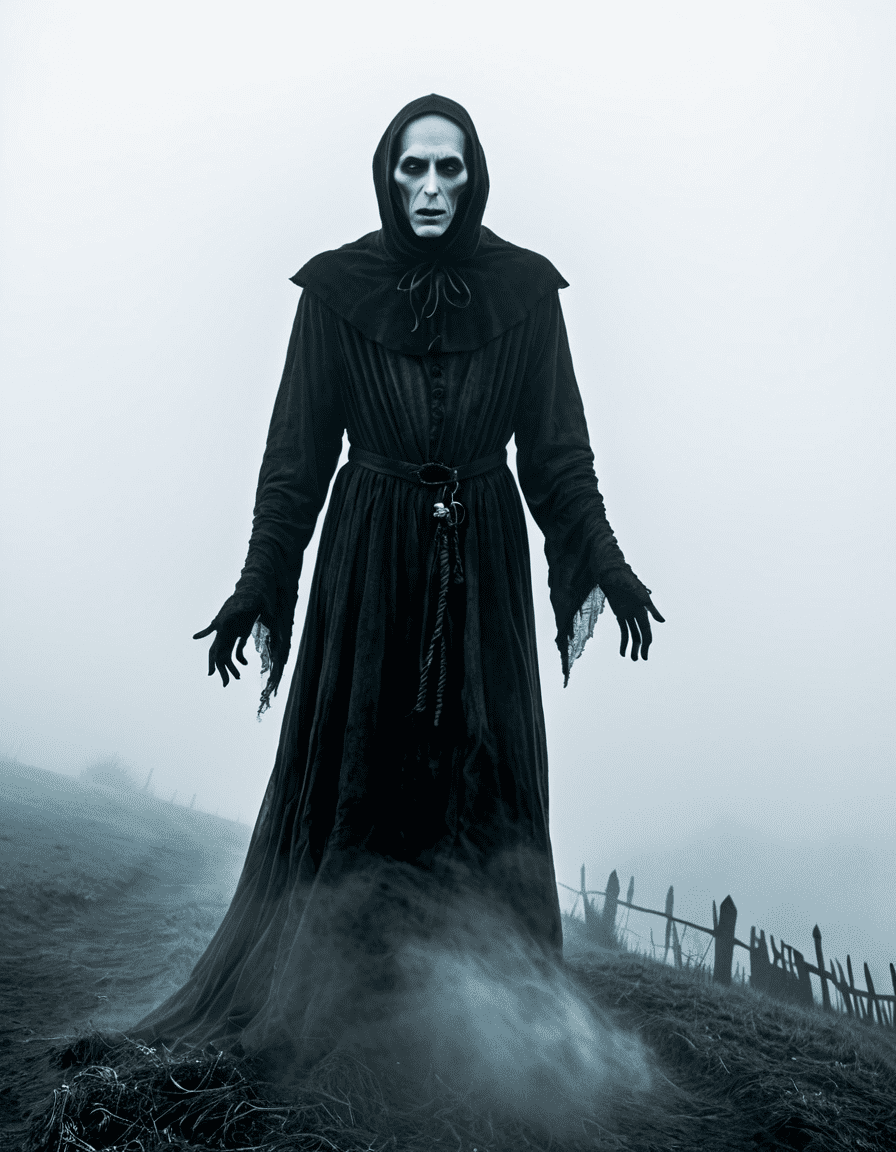
When F.W. Murnau unleashed Nosferatu upon the world in 1922, audiences encountered a vampire unlike any they’d seen before. Count Orlok—played by the eerily talented Max Schreck—transcended traditional depictions of evil. With his pointed ears, elongated fingers, and sunken features, Orlok isn’t just creepy; he’s downright haunting, a nightmarish figure that embodies societal fears of the time, from disease to the dread of the unknown. Moreover, his very presence haunted the collective conscience of a post-war Germany still reeling from the scars of WWI.
Murnau’s film diverged dramatically from Bram Stoker’s Dracula, emphasizing horror over seduction. Orlok represents the ravages of death, a physical manifestation of how disease can stalk its victims, much like the bubonic plague that had loomed large in European history. The movie invites us to consider how fear can warp our perceptions of reality while forcing us to confront uncomfortable truths about mortality. In the fantastically twisted scenery, Orlok lurks in the shadows, amplifying our anxieties about the unknown. This alignment between character design and societal undercurrents undoubtedly transformed the horror genre, making Nosferatu a genuine pioneer.
Not too shabby for a film that’s been making folks shudder for over a century, right? Whether you’ve caught the original or one of its adaptations, Count Orlok’s legacy continues to haunt our screens, proving that some terrors never truly fade away.
Nosferatu Cast: Behind the Scenes of a Cinema Revolution
The casting of Nosferatu didn’t just set the stage for fear; it marked a pivotal point in cinematic history. Max Schreck’s assortment of bizarre tics and unsettling gestures made every scene with him mesmerizing. But let’s not forget Gustav von Wangenheim, who played Hutter, our unsuspecting hero who unknowingly invites doom into his home. His naïveté provides a counterbalance to Orlok’s overt menace, emphasizing the innocence that often dances on the brink of danger. Meanwhile, Greta Schröder, as Ellen, throws an emotional curveball into the mix with her poignant portrayal of love and sacrifice.
Behind the cameras, the atmosphere was electric but fraught with tension. Murnau and his actors had revolutionary ideas about storytelling, moving beyond the theatrical and embracing a more nuanced visual language. There were even whispers that Max Schreck turned in an eerie out-of-body performance because he might have personal vampiric connections—though that’s likely just urban legend. The synergy between the Nosferatu cast helped cement their roles as archetypes within the horror landscape, setting the stage for future filmmakers.
You wouldn’t want to miss the chemistry between the cast, as it delivers a rich tapestry of emotions—a vital thread that ties the surreal to the relatable. As the Nosferatu cast brought their chilling characters to life, they not only left a mark on the audience of their time but also constructed a template for generations of actors to come.
Nosferatu Showtimes Then and Now: The Evolution of Screening Horror
Ah, the showtimes of Nosferatu. When it first hit the screens in 1922, it was a radical departure from the sunny fluff we often associate with silent films. Initially, audiences gasped in horror, with some reportedly fainting during screenings—talk about a jaw-dropper! Fast forward to today, and Nosferatu has become a classic screened regularly during Halloween and film festivals (just like those relentless Netflix Christmas Movies everyone watches in a haze of holiday cheer).
Its evolution over the decades demonstrates how horror has morphed alongside societal fears. In the ’70s, Nosferatu was re-released, captivating a new generation: a wave of viewers that sought an authentic experience of cinematic terror. With each new remastering, audiences get clearer visuals and even a digital soundtrack—modern touches that give viewers a refreshed peek into Orlok’s ghastly world. Nowadays, it’s common to catch Nosferatu screened at local indie theaters nestled among more contemporary offerings.
Today, this classic continues to leave its mark, bridging the gap between past and present. Whether you’re bingeing classic horror with friends or viewing at a festival, Nosferatu remains an eternal guest on the binge-watch calendar, forever a chilling reminder of what horror can manifest in art.
Nosferatu Adaptations: The Vampire’s Enduring Influence in Film
The lineage of Nosferatu in cinema has yielded an impressive array of adaptations that have shaped our modern understanding of vampiric tales. One notable remake is Werner Herzog’s 1979 Nosferatu the Vampyre, which honors the original while spinning a darker narrative—this is a film you can sink your teeth into! Later, films like Shadow of the Vampire, featuring John Malkovich as Murnau, blend fact with fiction in a mesmerizing way, suggesting that perhaps the mysterious Max Schreck wasn’t just acting.
Then there are more contemporary flicks like What We Do in the Shadows. This hilarious take on vampire life today wouldn’t exist without the foundation laid by Murnau. You see echoes of Orlok’s creepy aura in the characters of Jermaine Clement and Taika Waititi, whose blend of horror and humor pays homage to the vampiric archetype. Similarly, Let the Right One In gives us a fresh angle on vampires through a haunting, intimate lens, connecting both the past and the present.
Each adaptation enriches the original’s legacy, often infusing it with new meanings and interpretations while preserving the core terror. This makes Nosferatu the wellspring from which countless creative waters flow, ensuring that the spirit of this legendary vampire lives on in our hearts and on our screens.
Nosferatu in Popular Culture: The Vampire That Haunts Beyond
Nosferatu is more than just a movie; it’s a cultural touchstone. From music to fashion, the Count’s influence is all around us. Have you caught the nods in recent shows like The Simpsons and Rick and Morty? These programs turn the tale of Orlok into comedic gold, demonstrating how the creepy can also tickle our funny bones. You know what they say—laughter can be a great way to fight fear!
Moreover, graphic novels and literature continue to echo its themes. The characters remain a staple in horror-themed works—from gothic novels to graphic novels. Fashion trends also draw from Orlok, with designers often turning to the dark, ethereal aesthetic associated with the vampire mythology.
Whether it’s a Halloween costume inspired by this unsettling image or references in songs, Orlok’s ability to inspire continues unabated. Yet another testament to how Nosferatu has woven itself into the fabric of our cultural zeitgeist! As long as there are creators willing to pay homage, this legendary vampire will inhabit our creative landscapes for generations to come.
Nosferatu Legacy: Critical Reception and Academic Exploration
The critical reception of Nosferatu shifted remarkably over the years, initially met with both awe and horror but eventually finding its footing as a film masterpiece. Various scholars have dove deep into its themes—particularly the existential dread and the artful expressionism Murnau employed. The film defies genre constraints, inviting rigorous analysis from film critics and historians alike.
Academic texts, such as A Culture of Fear: The Vampire in Film by Robert C. Harvey, explore how Nosferatu serves as a mirror reflecting societal fears—specifically relating to disease, mortality, and war. Many have delved into its pioneering techniques, such as using shadows and innovative camera angles to build tension. It brilliantly captures the emotional turmoil and psychological horror that still speaks to us today.
Recent academic interest has flourished, with universities increasingly incorporating Nosferatu into their film studies curricula. The film is now classified as a significant cultural artifact representing early 20th-century anxieties. Its dark narrative and innovative techniques have overlapped dramatically with both historical events and artistic movements, freshening the lens through which we view horror.
Nosferatu: Looking Ahead—The Future of Vampiric Horror
Buried beneath layers of history, Nosferatu stands tall as a conceptual dance partner for future horror filmmakers. As societal fears evolve—be it technology, global pandemics, or economic strife—there’s bound to be a resurgence of vampiric narratives that echo Murnau’s innovative style. Imagine a contemporary Orlok navigating a digital landscape teeming with perilous connections—sounds chilling, right?
Emerging filmmakers may reinterpret classic themes for modern audiences, pulling from Nosferatu’s critical foundation to explore current issues and fears. Picture a vampire reflecting the loneliness of the technological age, prowling through social media rather than dark alleys. The potential for innovation remains tantalizingly vast, offering ample opportunity to explore this compelling archetype anew.
As we look to the future of horror, Nosferatu’s influence remains an undeniable shadow haunting the cinematic landscape. The essence captured by Murnau more than a century ago serves as a guiding light for generations to come. In that sense, the legacy of Nosferatu isn’t just a relic of the past; it’s a continuously evolving phenomenon, enriching our cultural consciousness with every retelling and reinvention.
In conclusion, Nosferatu the legendary vampire remains a titan in the world of cinema and culture, ensuring our fascination with the undead remains ever-potent. With continued academic exploration and artistic reinterpretation, this iconic film is set to linger in our minds and hearts for many years to come.
Nosferatu The Legendary Vampire That Haunts Cinema
A Haunting Creation
“Nosferatu the” classic vampire is more than just a movie; it’s a landmark that has inspired countless films and performances. Did you know that the film almost didn’t make it to audiences? After its release in 1922, it faced a lawsuit from the Bram Stoker estate for copyright infringement. Despite this, Nosferatu gained a cult following, solidifying its status in cinematic history. If you’re a fan of ensemble cast dynamics, check out the King Of Queens cast( and see how great characters can elevate a story, much like how Max Schreck’s portrayal of Count Orlok left viewers both terrified and mesmerized.
Behind the Legendary Design
Creating the eerie atmosphere of Nosferatu took a lot of skill and creativity. The film’s director, F.W. Murnau, used innovative techniques like shadow play to emphasize fear and tension. This approach mirrors the kind of imaginative planning you’d find in Dungeons And Dragons dungeons And Dragons dungeons And Dragons,( where an unexpected twist can keep players on their toes. Interestingly, Schreck’s makeup was so groundbreaking that it inspired themes that would persist in horror, laying the groundwork for future vampire flicks.
Cultural Impact
Nosferatu the is celebrated not just for its chilling visuals but also for its cultural significance. It’s been referenced in various media over the decades, proving that the fear of vampires is timeless. Just like how the beloved Christmas Story cast() remains iconic during the holiday season, Nosferatu holds a special place in the tradition of horror films. Its haunting score and visuals created a lasting impact that resonates with enthusiasts even today.
Iconic Legacy
The character of Count Orlok endures as one of the most frightening figures in horror cinema. You might be surprised to learn that it took significant effort to craft his look! From using dramatic lighting to create unsettling shadows to Schreck’s eerie physicality, every detail intensified viewers’ discomfort. This meticulous attention shares a kinship with contemporary talents like Zoe Saldana,(,) who expertly delivers striking performances in her roles. On another note, if you’re interested in surprising trivia, consider the remarkable achievements of sports legends, like the most Receiving Yards in a game;(😉 sometimes, even the unexpected can amaze you!
So, whether you’re a die-hard horror film fan or a curious newcomer, Nosferatu the remains an essential piece of cinematic history, captivating audiences and inspiring creators for generations. And let’s not forget about its cultural touchstones; even actors from different genres, like Angie Dickinson,( echo the influence of this legendary film in their performances, reminding us of the lasting mark left by one of cinema’s earliest nightmares.