Mad Artists: The Monsters Behind Iconic Masterpieces
Art has always had a wild side, hasn’t it? The term “mad genius” often comes to mind when we think of creators whose bizarre ideas and tumultuous lives give birth to some of the most iconic pieces out there. It’s like stepping into a chaotic carnival where brushes dance like drunken bees, colors clash, and emotions spill over onto canvases. This article shines a spotlight on how the madness in these artists’ lives isn’t just a quirky backstory; it’s the fuel that ignited their passion and revolutionized the way we view art.
Madness helped these artists redefine normalcy and designed remarkable pathways to creativity. You see, the psychological and emotional complexities of artistry can be as deep as an ocean, resonating loudly with fans all over the globe. The works created by these “mad” masters vividly echo their internal struggles, showcasing the beautiful chaos that art can encapsulate. Let’s dive into the colorful lives of our top seven mad geniuses and examine the enchanting monsters that emerged from their minds!
Top 7 Mad Geniuses and Their Artistic Monsters
2.1. Vincent van Gogh: The Turbulent Brushstrokes
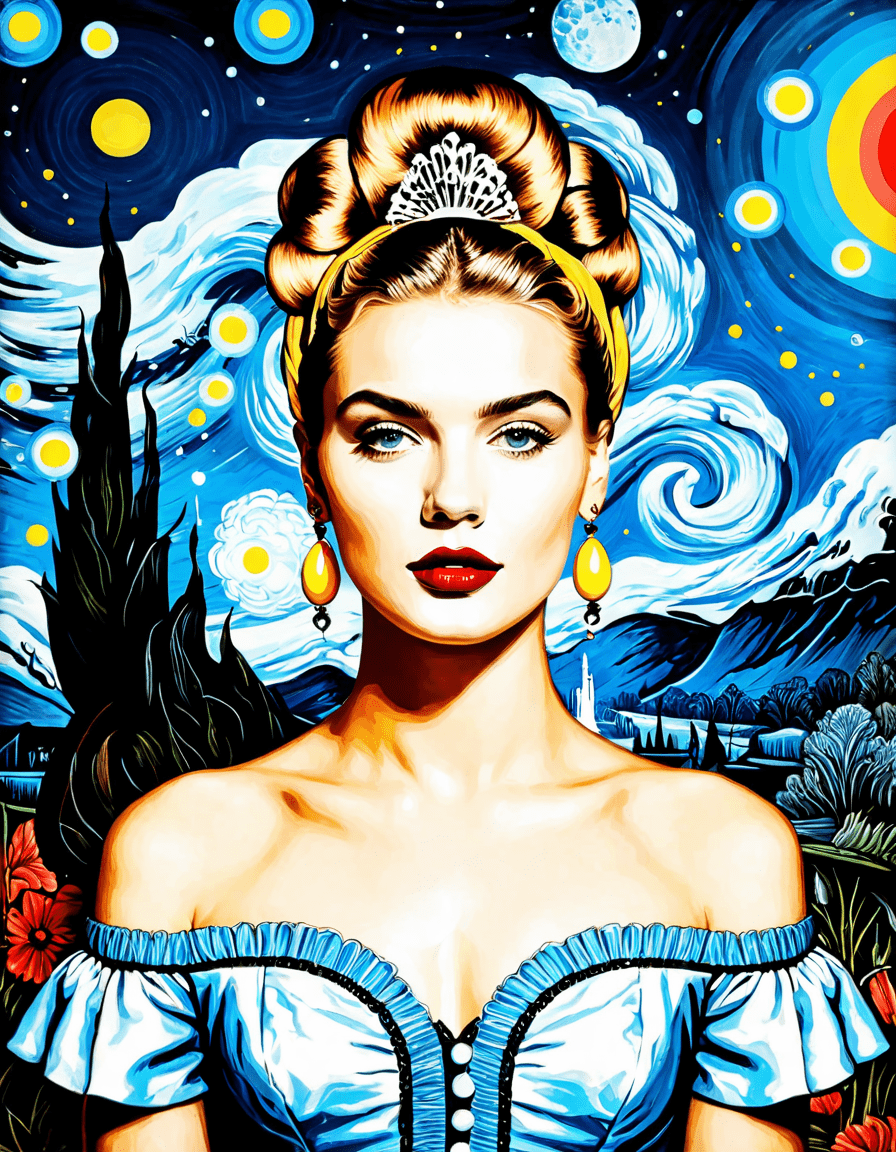
Oh, Vincent van Gogh—what a rollercoaster! Known for his turbulent brushstrokes, his journey through mental health challenges didn’t stop him from creating breathtaking masterpieces like “Starry Night.” This painting captures the swirling winds of his mind; you can almost feel the chaos that gripped him every night. Van Gogh’s letters to his beloved brother Theo offer a peek into his inner turmoil, revealing chaotic thoughts crackling like fireworks.
Van Gogh’s perceived madness wasn’t a setback; it became his muse. His struggle with depression and anxiety unfurled across canvases that still haunt exhibitions today. The vibrant yellows and deep blues he used scream out stories of longing and despair, showcasing that sometimes the most magnificent art springs from the deepest pain.
2.2. Salvador Dalí: The Surreal Monster of Imagination
Here’s where things get peculiarly surreal—let’s talk about Salvador Dalí! His eccentric behavior perfectly matched his over-the-top surrealism. Dalí’s works, such as “The Persistence of Memory,” bend time and space like a rubber band, challenging the very fabric of reality. You can’t help but wonder what was going on in that brilliant mind of his!
His nightmarish vision and paranoia played a pivotal role. Dalí transformed dreams into terrifyingly beautiful images that draw viewers deep into his chaotic world. It’s a mad mix of imagination that has everyone scratching their heads and reaching for a pen to jot down their thoughts—just like the lyrics of a catchy song that gets stuck in your brain!
2.3. Edvard Munch: Love, Loneliness, and the Monster Within
Edvard Munch, the artist behind the iconic “The Scream,” painted a masterpiece that resonates with the collective human experience. With his brush, Munch encapsulated the isolation and despair of living in a rapidly changing world. The emotional turmoil he faced throughout his life came barreling out in vibrant, haunting colors.
Love, loss, and mental anguish—oh my! These themes permeate his works, showing that art can be a sanctuary for our most complex feelings. Through Munch, we understand that the monster lurking within us can find a voice and, in turn, create something that speaks to others on a soul-deep level.
2.4. Georgia O’Keeffe: The Mad Pioneer of Abstract Art
Here’s a lady who’s a mad pioneer—Georgia O’Keeffe! Often referred to as the “Mother of American modernism,” her ambition didn’t just blend with her methodical approach; it shattered categories. O’Keeffe’s floral paintings, such as her iconic images of sunflowers and poppies, transformed perceptions of femininity and nature.
Through her self-enforced isolation in the New Mexico desert, she birthed a new form of modernism that reflects her unique blend of rage and tranquility. O’Keeffe’s perspective challenges conventions in creativity—who knew floral paintings could provoke such passion and thought? Talk about breaking the mold!
2.5. Jackson Pollock: The Chaotic Dance of Emotion
Dive into madness with Jackson Pollock’s drip paintings, which epitomize the notion that chaos can be beauty. His erratic techniques transformed the art world and jump-started abstract expressionism. Pollock’s canvases resemble a chance meeting of emotions in a five-star restaurant—the thrill, energy, and joy all taking center stage!
Pollock battled alcoholism and depression, but instead of letting those demons drown him, he channeled that frenetic energy onto canvas. His legacy teaches us that sometimes madness can ignite a creative storm, allowing for art that captures the essence of human experience like Mud It’s a wild, chaotic dance, and oh, how thrilling it is to witness!
2.6. Frida Kahlo: The Merging of Body and Mind
Then there’s Frida Kahlo, a powerhouse who lived a life filled with pain, passion, and love. Her self-portraits are a raw reflection of her struggles, confronting identity, gender, and postcolonialism head-on. Each brushstroke embodies her physical and emotional suffering, fusing her body and mind in a beautiful explosion of color and feeling.
Kahlo’s work exposes her vulnerabilities while preaching self-acceptance and empowerment. Her story shows that the monsters lurking in our psyche can illuminate pathways to create art that resonates deeply with others. Fraser’s prowess in addressing self-identity creates a compelling narrative—who could resist getting pulled into her world?
2.7. Yayoi Kusama: The Infinity of Madness
Last but not least, we have Yayoi Kusama. Her brilliant use of polka dots and immersive installations serves as a personal therapy channel, where art becomes a safety net during her battles with mental health. Through her never-ending patterns and rooms of infinity, Kusama creates spaces that envelop viewers in her dazzling vision of reality.
Her fixation on obsession and infinity adds layers to contemporary art that make us question the fine line between madness and genius. Kusama’s art is a reminder that even in tumultuous times, embracing our experiences can cultivate something utterly revolutionary. Talk about conquering monsters and creating a kaleidoscope of emotional insight!

Embracing the Madness: How Genius and Monsters Collide
Art thrives in the intersecting space where madness embraces creativity, forming a vivid tapestry of expression. The mad geniuses we explored faced personal monsters, yet rather than succumbing to dark thoughts, they transformed these battles into masterpieces. By peeling back the layers of complexity between mental health and creativity, we gain insight into the incredible richness these iconic figures contributed to the world of art.
Their stories serve to remind us of the beauty woven into our chaotic existence. It’s a vivid tapestry where our struggles can lead us down the path to greatness, sprouting brilliant masterpieces that invite empathy and understanding. After all, sometimes, the very monsters we grapple with can ignite the spark of creativity, shining a light on the beauty that exists even in the darkest corners of our souls.
So, next time you find yourself in front of an iconic piece, ask yourself—what monster did this mad genius embrace to create something so remarkable?
Mad Inspirations: The Creative Minds Behind the Masterpieces
The Madness of Creation
When discussing the mad geniuses behind iconic artistic masterpieces, one can’t help but marvel at the unpredictability that fuels their creativity. Take the case of Vincent van Gogh, whose passion for colors was matched only by his turbulent life—his “Starry Night” radiates emotion, even within the depths of his personal misery. Interestingly enough, art often reflects the prevailing sentiments of society. Just as the fate of interest rates can shape economies, the emotional landscape of a time period influences artistic creation, reflecting a parallel future of interest rates. Artists have always been keen observers, channeling their thoughts in ways that provoke, inspire, and even challenge the norms.
The Struggles Behind Genius
Artistry often stems from inner conflict, a theme woven into many celebrated works. In films, this is especially poignant. Take Lethal Weapon, for example—it’s not just a buddy cop flick; it dives deep into themes of mental health, showcasing characters battling their own demons. This notion echoes the storyline in Conviction, where the protagonists are driven by fervor despite overwhelming odds. Just imagine the level of dedication that goes into crafting such narratives, akin to that of artists whose masterpieces transcend time—from the passionate strokes of a painter to the lyrical genius reflecting styles and emotions in song style lyrics.
The Ripple Effect of Madness
Madness in creativity isn’t just reserved for classic paintings or gripping films; it spills over into various life aspects. Artists, much like anyone else, deal with chaos—think of the recent Tennessee flooding that left devastation in its wake. Artists frequently channel turmoil from their surroundings into their work, converting upheaval into powerful visual storytelling.
Even in contemporary settings, art retains a unique flavor. For example, the intricate designs at Daniels Jewelers can be seen as a perfect representation of art’s diversity, showing how even the mad rush of crafting fine jewelry encapsulates an artist’s vision. And let’s not forget, the rebellious nature that defines the history of artistic expression—think of the boldness mirrored in Vanessa Williams’ journey, often compared to the trailblazing spirit of Bonnie Blue. It’s that very madness that propels artists to challenge conventions and give rise to masterpieces that resonate through the ages.