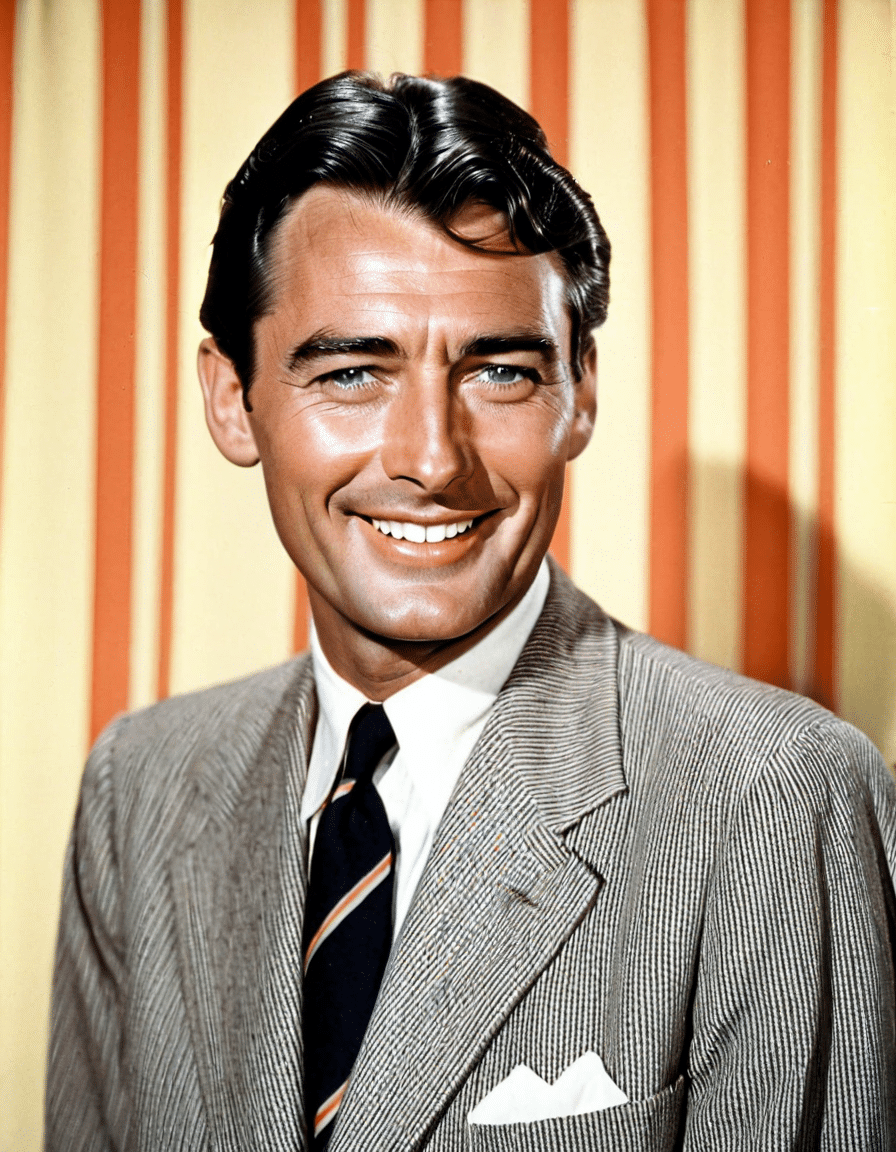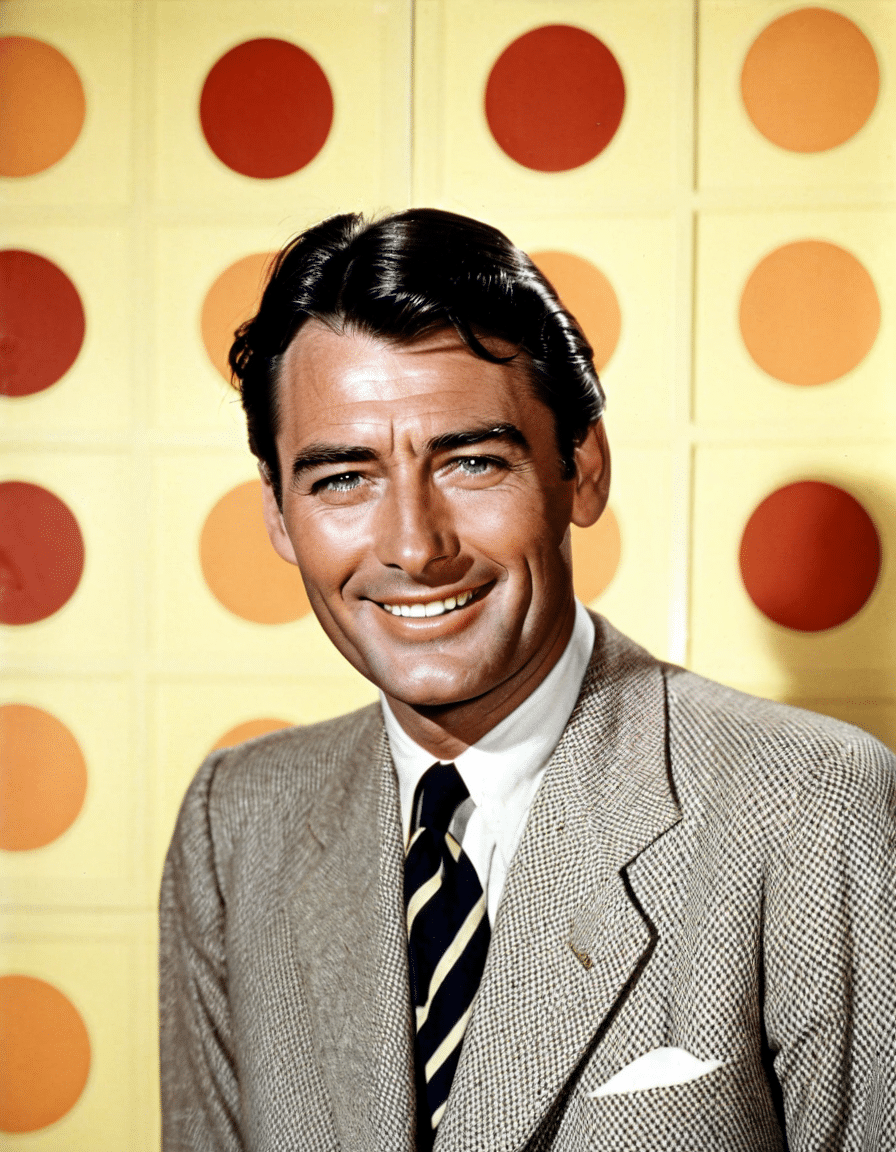
henry fonda doesn’t just belong in history books — he lives in the way we talk about American conscience on-screen. Read on: these seven revelations will change how you see his performances, his choices, and the complicated life behind that iconic face.
henry fonda — 1. The Role That Made a Nation Feel His Voice (The Grapes of Wrath, 1940)
Why Tom Joad mattered — John Ford and John Steinbeck’s adaptation
| Category | Details |
|---|---|
| Full name | Henry Jaynes Fonda |
| Born | May 16, 1905 — Grand Island, Nebraska, U.S. |
| Died | August 12, 1982 — Los Angeles, California, U.S. |
| Occupation | Actor (stage, film, television) |
| Active years | 1928–1982 |
| Screen persona / acting style | Tall, lean “everyman”; restrained, naturalistic delivery; moral clarity and integrity often central to characters |
| Breakthrough role | Tom Joad in The Grapes of Wrath (1940) — established him as a major screen presence |
| Signature films (selected) | The Grapes of Wrath (1940); The Ox-Bow Incident (1943); Young Mr. Lincoln (1939); 12 Angry Men (1957); Once Upon a Time in the West (1968); On Golden Pond (1981) |
| Major awards | Academy Award — Best Actor for On Golden Pond (1981) |
| Honors | AFI Life Achievement Award (1980); long-lasting presence on “greatest actors” lists and film-school syllabi |
| Notable collaborators (directors) | John Ford (Young Mr. Lincoln); John Sturges; Sidney Lumet (12 Angry Men); Sergio Leone (Once Upon a Time in the West) |
| Family / notable relatives | Father of Jane Fonda and Peter Fonda; grandfather of Bridget Fonda; part of a prominent acting family |
| Career notes | Began on Broadway, moved into film in the 1930s; maintained a mix of stage and screen work; shifted into character roles later in career (e.g., On Golden Pond) |
| Cultural impact / legacy | Archetype of the honorable American leading man; influenced naturalistic acting in mid-20th-century Hollywood; enduring presence through family dynasty and classic films |
| Selected trivia | Served in U.S. Navy during World War II; known for principled—sometimes politically outspoken—views; had one of the longest careers bridging classical studio era and modern American cinema |
Henry Fonda’s Tom Joad turned a Steinbeck novel into a national moral center. Under John Ford’s direction, Fonda kept the character spare and elemental, which allowed audiences to project their fears and hopes onto him. The film arrived in 1940 at a moment of economic shadow and cinematic self-reflection, and the performance read as both protest and balm.
Key scenes that built the Fonda persona
Fonda’s restraint in scenes like Tom’s return to the family and his closing monologue established a screen persona defined by quiet moral force rather than theatrical outburst. Directors and actors alike started describing that blend of vulnerability and steel as uniquely Fonda’s — the kind of performance that later actors would attempt to emulate. Those moments cemented his signature: less bluster, more fundamental human honesty.
Immediate cultural impact and early Academy attention
The movie earned Fonda his first Academy recognition and plugged him into national conversation about empathy and duty. Critics praised the film’s political pulse, and voters took note of an actor who could make social conscience feel intimate. That early acclaim set the tone for decades in which voters would alternately reward, overlook, and then finally celebrate him.
2) The Shocking Turn: He Became a Cold‑Blooded Killer (Once Upon a Time in the West, 1968)
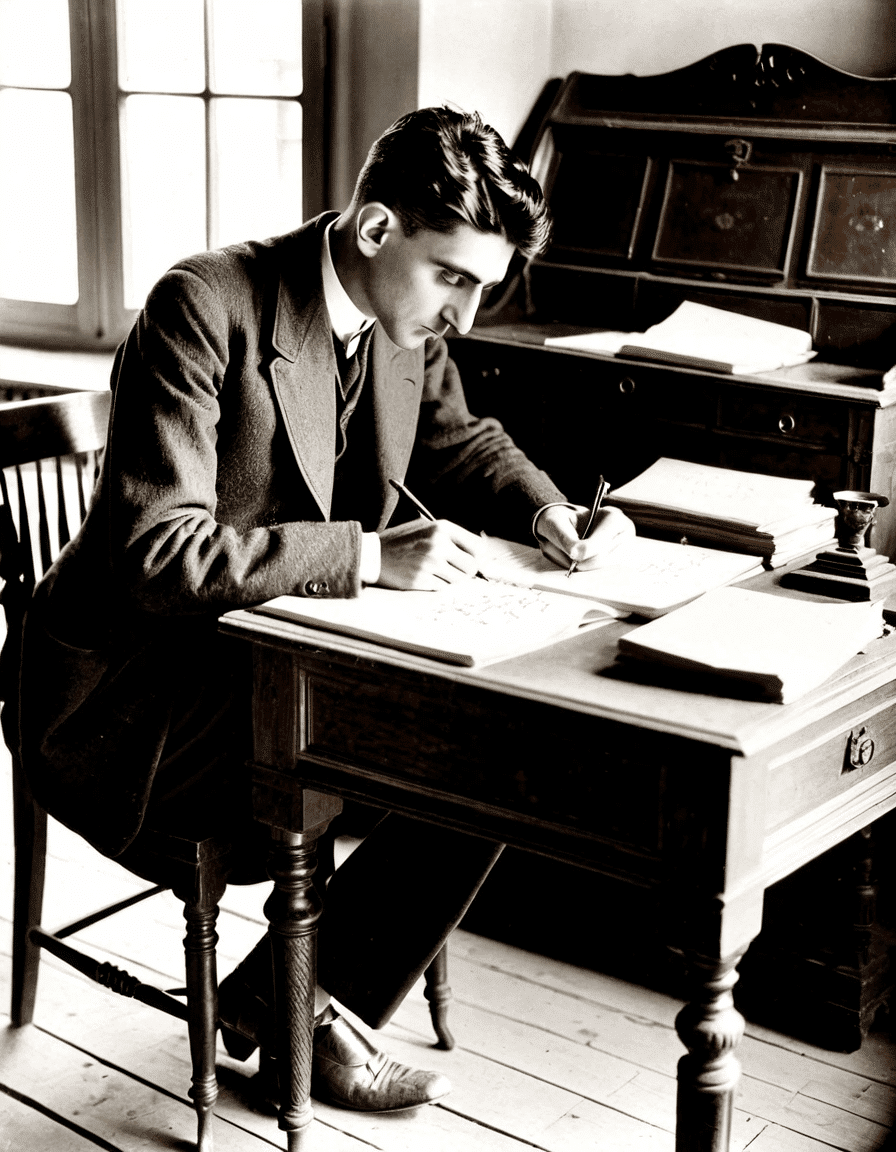
Sergio Leone’s casting gambit — why Fonda as Frank stunned audiences
Casting Fonda as the black-hatted villain Frank was one of Sergio Leone’s most audacious moves. Audiences who associated him with integrity found themselves unsettled by a beloved face doing something monstrous — which increased the film’s emotional power. Leone understood that casting against type is a cinematic scalpel: it changes the way every scene cuts and lingers.
How that villainous turn rewired critics’ and directors’ expectations
After Once Upon a Time in the West, directors no longer assumed Fonda would default to sympathetic roles; critics re-examined his earlier work for hints of darkness and control. The performance broadened his range in public imagination and reminded filmmakers that star image can be weaponized to chilling effect. It also opened doors for veteran actors to take risks late in their careers.
Memorable moments: the opening sequence and Fonda’s presence
The film’s ritualistic opening — slow, patient, full of quotidian detail — primes you before Fonda steps in and upends the moral center. His stillness, economy of gesture, and sudden violence became a study in controlled horror. Viewers left theaters replaying his look, a testament to how an actor can redefine himself with a single career-choice gamble.
3. Navy Service Nobody Expects — How World War II Redirected His Choices (U.S. Navy, 1942–45)
What he put on hold: films and Broadway between 1942–45
Fonda voluntarily stepped away from the momentum of his early career to enlist in the U.S. Navy in 1942, putting several plays and potential film projects on hold. That absence cost him box-office visibility but bolstered his real-world credibility at home and abroad. The hiatus wasn’t a vanity press move — it reflected a generation’s impulse to act beyond the screen.
How military service influenced his postwar role selection and public image
Serving in uniform reshaped how audiences read him: Fonda returned with an added gravitas that influenced casting and the public’s trust in his screen judgments. After the war, he gravitated toward roles that tested civic and moral responsibility, perhaps a direct echo of wartime reflection. His public image shifted from promising leading man to elder statesman of conscience well before his chronological elder years.
Primary sources: press from the era and Fonda’s own remarks
Contemporary newspapers treated his enlistment as patriotic proof of character; later interviews show he considered the experience formative rather than merely interruptive. He rarely grandstanded about service, but when he did speak on it the remarks suggested a profound recalibration of priorities. For deeper contextual reading on public figures and unexpected life detours, see how culture pieces treat odd juxtapositions like sports icons randy johnson leaving one arena for another.
4. How He Fathered a Film Dynasty — Jane, Peter and a Complicated Legacy
On‑screen family: the reunion in On Golden Pond (1981) with Jane Fonda and Katharine Hepburn
On Golden Pond gave audiences a rare, candid pop-culture reconciliation: Henry and Jane sharing memory, grief, and humor opposite Katharine Hepburn. The film’s small, intimate domestic frame allowed Henry’s later-career tenderness to radiate, and the public loved the perceived closeness. That reunion also fed a cultural appetite for “real” family arcs on film, blurring biography and performance.
Peter Fonda’s Easy Rider and the next generation (Bridget Fonda)
Peter Fonda exploded in the late 1960s with Easy Rider, carrying the Fonda name into countercultural myth. That rebellious streak contrasted with Henry’s measured virtues and helped create a multigenerational brand that moviegoers found endlessly watchable. Later, Bridget Fonda continued the legacy in her own quiet way, keeping the family name active in Hollywood through the 1990s.
Private strain vs. public fascination — how family life shaped Hollywood mythmaking
The Fonda family’s private arguments and reconciliations became public drama, feeding both tabloid curiosity and serious artistic interest. Hollywood loves a dynasty story — and the Fondas supplied star power, estrangement, reunion, and talent. Even celebrity narratives that seem unrelated — like profiles of duos such as dolly Parton husband dynamics — help explain why audiences fixate on personal lives as cultural text.
5) He Refused the One‑Note Career — Socially Charged Films from The Ox‑Bow Incident to 12 Angry Men
The Ox‑Bow Incident (1943): mob justice and moral conscience
In The Ox‑Bow Incident, Fonda anchors a story about lynch mobs and the perils of collective fury, giving the film moral clarity without sermonizing. His performance made the film a touchstone in American cinema’s grappling with vigilantism and due process. Audiences and critics saw in Fonda a performer who would repeatedly choose films that probed civic responsibility.
12 Angry Men (1957): Juror No. 8 and Fonda’s quiet moral authority under Sidney Lumet
Fonda produced and starred in 12 Angry Men and became the film’s moral fulcrum as Juror No. 8 — a patient dissenter who forces others to reckon with evidence and bias. Sidney Lumet’s tight direction required actors who could carry long moral arguments without melodrama; Fonda’s economy made that plausible. The movie endures as a procedural and ethical primer, thanks in large part to his steady center.
Pattern: choosing scripts that interrogated American ideals
Across these films, a pattern emerges: Fonda wasn’t drawn to spectacle for spectacle’s sake but to stories that tested civic myths. He sought projects that forced audiences to reflect — on justice, democracy, and personal responsibility. That through-line explains why contemporary actors studying film history treat Fonda as an exemplar of purpose-driven role selection.
6) The Oscar Everyone Thought Was Late — First Academy Award at the End of a Long Run (On Golden Pond, 1981/82)
Why the Academy recognized him at 76 — performance, timing, and industry sentiment
When Henry Fonda finally won the Best Actor Oscar for On Golden Pond at 76, it felt like both recognition for a singular performance and a career-crowning appreciation. The role trafficked in age, memory, and reconciliation — themes voters often reward because they resonate with Hollywood’s self-mythologizing. The timing also reflected an industry desire to honor a living legend before the narrative closed.
Co‑stars and awards: Katharine Hepburn’s part in the film’s awards narrative
Katharine Hepburn’s co-starring role and awards momentum helped frame the film as an ensemble elegy, and her own Best Actress win amplified the film’s awards narrative. The pairing of Hepburn and Fonda made the movie feel like a classic Hollywood event, even as it played as a modest family drama. Their combined prestige helped turn a small film into an awards season powerhouse.
How the win reframed his career in the public imagination
The Oscar didn’t create Fonda’s legacy so much as crystallize it for a new generation: here was an actor who had shaped decades of American film and still could deliver a performance that felt both ripe and human. The win caused retrospectives, revived interest in earlier work, and sealed his image as elder statesman of screen morality. It also made conversations about late-career reinvention a touchstone in industry circles.
7) Private Man, Public Myths — Jaw‑Dropping Misconceptions About Henry Fonda
Myth vs. fact: the “everyman” stereotype and his surprising range
People often reduce Fonda to the “honest everyman,” but that shorthand misses his full range: from principled jurors to chilling villains. The truth is more nuanced — he played characters who were morally clear, morally ambiguous, and sometimes terrifying. That misread explains why his Once Upon a Time in the West turn still shocks: we assumed we knew him, and he refused the box.
Common misunderstandings about his politics, personal life, and temperament
Fonda’s politics were public and evolved; he was liberal and sometimes outspoken, but he rarely fit easy partisan caricatures. He could be private, prickly, generous, and complicated all at once — traits that fueled gossip but also rich performances. Readers who want to explore celebrity private-public contradictions might compare how sources treat entertainers and household names across genres, whether in music icons like aretha franklin or activists like joan baez.
Lasting influence on actors today — who cites Fonda (method echoes, modern examples)
Direct lines of influence run from Fonda’s precision to later actors who prize emotional economy; names across generations name him either explicitly or implicitly among their touchstones. Contemporary performers and character actors — including those who bridge stage and screen — often cite his moral clarity as instructive, and you can spot echoes of his approach in performers who choose conscience-driven roles. Even actors from differing schools, such as Keith david, have pointed to Golden Age figures when discussing craft; Fonda’s legacy sits inside that lineage.
Bonus practical aside for readers curious about the business side of stardom: when families sell or manage properties tied to celebrity names, practical questions about listings and taxes arise — from choosing brokers like Century21 to wondering How much mortgage interest Is deductible — and yes, the tangential stories (from local real estate moves to cultural curiosities like Tempe arizona) all become part of the biographical tapestry.
If you want a lighter detour into unexpected corners of film history — surprising titles and odd auteur experiments — browse related reads on our site such as hail mary or pieces that cross cultural lines in odd ways like Richie rich. And for fans who track celebrity mythmaking across industries, some parallels are as striking as a family reunion scene: think unpredictable public stories from entertainment to sports and beyond.
Henry Fonda’s life resists tidy summaries. He was a patriot who left a blooming career to serve, an everyman who could unnerve you, a father who created both reconciliation and controversy, and an artist who kept choosing the hard moral questions. That complicated legacy is exactly why, even now, his work rewards closer viewing — roll the credits, then press play again.
henry fonda — Fun Trivia & Interesting Facts
Early life & surprising beginnings
henry fonda was born in Grand Island, Nebraska in 1905, and believe it or not, that straightforward Midwestern start helped shape the plainspoken screen persona he carried for decades. Before Hollywood called, henry fonda honed his craft on stage and in small stock companies, learning to act clean and clear — a training ground that made his later, quieter performances hit harder. He left Broadway to serve in the U.S. Navy during World War II, an interruption that few stars of his era took on so willingly, and that break added real-world grit to his on-screen calm.
Career highs you might’ve missed
henry fonda’s film choices were bold but measured: Tom Joad in The Grapes of Wrath gave him moral weight early on, and his calm, reasoning Juror No. 8 in 12 Angry Men became the template for the principled everyman in cinema. Surprisingly, despite decades of iconic roles, henry fonda didn’t win his first competitive Oscar until On Golden Pond late in life — a comeback and a career capstone that made headlines and proved longevity pays off. He also picked parts that let him lead without shouting, a tactic that kept audiences riveted and filmmakers coming back.
Family, politics, and lesser-known habits
Outside the frame, henry fonda was a proud father to Jane and Peter Fonda, both of whom followed him into stardom while carving their own controversial paths — family dinners must’ve been lively, to say the least. Politically engaged, henry fonda used his stature to speak up, which cost him some fans but gained him respect from peers who admired an actor willing to stand for something. Quirky habits? He preferred simple scripts and clear direction, and rather than chase glitz, henry fonda stuck to roles that let truth breathe on screen — a choice that, over time, turned modest performances into lasting legend.