Imagine a world where creativity knows no bounds. This is the universe meticulously created by a young boy named Harold, armed only with a purple crayon. Harold and the Purple Crayon isn’t just a whimsical story; it’s a timeless classic that has inspired young artists and dreamers since its publication in 1955. Written by Crockett Johnson, this captivating tale illustrates how imagination can transform a blank canvas into a vibrant world. Join us as we dive into the top 7 adventures of Harold that will not only inspire young minds but also remind us of the importance of creativity in our lives today!
Top 7 Harold and the Purple Crayon Adventures that Inspire Young Artists
1. The Original Creation
Harold and the Purple Crayon has undeniably cemented its place in the annals of children’s literature. Harold’s journey begins with literally nothing but a crayon and his vivid imagination. He draws moons, boats, and delightful landscapes, proving that with a little creativity, we can shape our realities. This book encourages children to embrace their inner visionaries and reminds adults everywhere that imagination isn’t just for kids.
2. Harold’s Lighthearted Travels Through Art
In every page of Harold’s adventures, he embraces different themes related to art and creativity. Take, for example, Harold and the Purple Crayon: Harold’s ABC. This gem introduces the alphabet through playful illustrations, teaching children that letters are not merely arbitrary symbols but eye-catching artistic expressions. Such fun-filled engagement forms a strong bond with literacy, making it an integral part of learning.
3. The Validity of Unique Perspectives
Blank canvases aren’t just for professionals; they’re invitations for children to explore their unique viewpoints. Harold’s artistic process mirrored the recent educational push for creative thinking, adopted by organizations like the Kennedy Center and PBS Kids. Programs that incorporate the themes found in Harold’s adventures help children celebrate their individuality, showing that each child’s imagination is a valuable asset to be cherished.
4. Interactive Adaptations: A Modern Take
Fast forward to today, and we’ve witnessed modern adaptations of Harold and the Purple Crayon. A popular animated series on Netflix captivates young viewers while allowing them to partake in Harold’s imaginative escapades. This interactive storytelling approach makes art not just a visual experience but an engaging activity, keeping the essence of creativity alive and thrilling for today’s kids.
5. Incorporating Technology in Art
In our digital age, the opportunities for creative expression are vast. Programs like Tux Paint let young artists explore their creativity in engaging new ways. Children can sketch, erase, or modify their dreams digitally, mirroring Harold’s adventures where the skies are the limit. This seamless integration of technology enriches the learning environment and supports imaginative exploration.
6. Harold’s Influence on Diverse Storytelling
The beauty of Harold’s simple character is its adaptability. In various storytelling workshops, children from diverse backgrounds use art to narrate their cultural realities through Harold’s lens of creativity. This flexibility underlines the idea that storytelling can transcend barriers, emphasizing that imagination doesn’t recognize limitations.
7. Celebrating Creativity: Today and Tomorrow
Institutions like MoMA and the Children’s Museum of the Arts are incorporating Harold’s principles into dynamic workshops, emphasizing creativity as a core life skill. By honoring Johnson’s vision, these organizations cultivate environments where children can freely express themselves and ignite their passion for artistic expression, ensuring a future filled with innovation and creativity.
The Enduring Legacy of Harold and the Purple Crayon
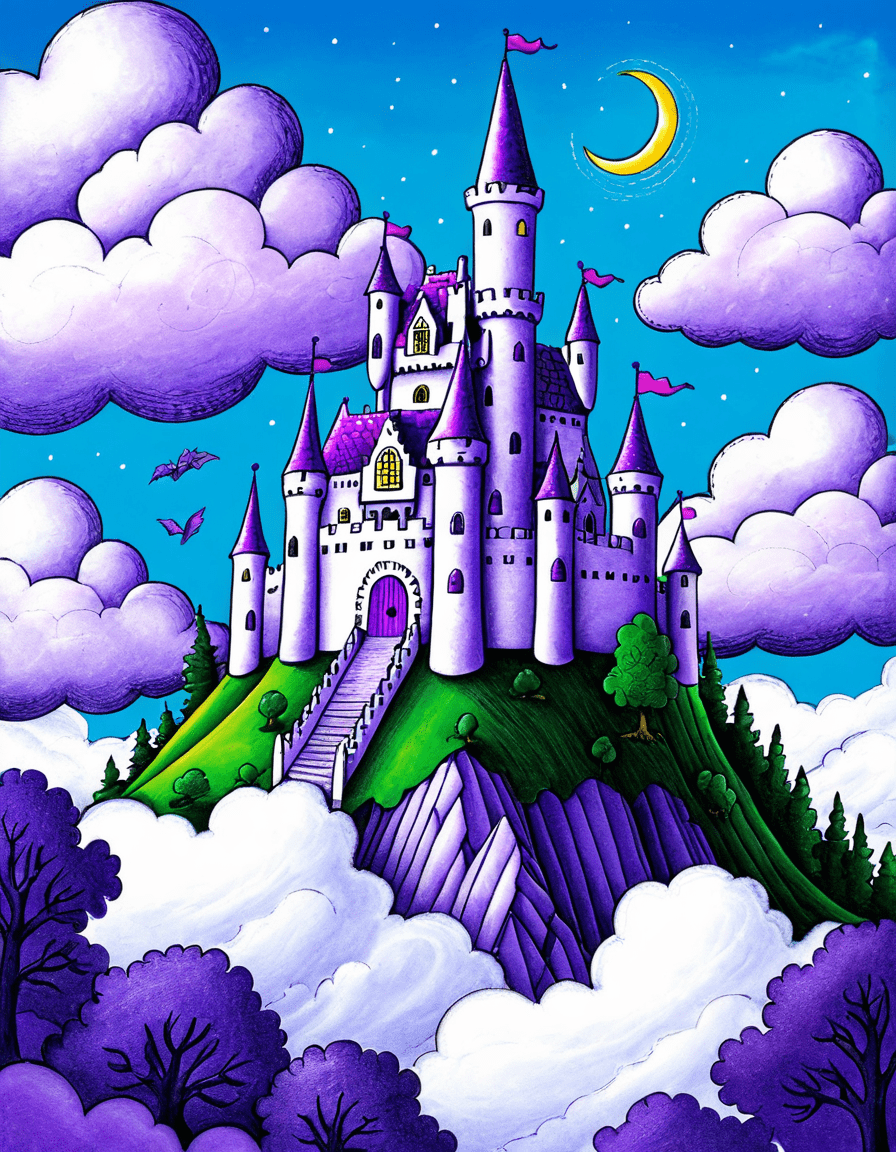
In an ever-changing landscape of children’s literature and education, Harold and the Purple Crayon remains a solid pillar of inspiration. It has been embraced by educators, parents, and creatives, illustrating its lasting relevance. As we weave modern technologies into our daily lives, Harold reminds us that at the heart of all art lies the creative spirit of every child—a spirit we must celebrate, nurture, and free.
The legacy of Harold is timeless, proving that imagination is a boundless resource. If you’ve ever felt like the world needed a splash of color, channel your inner Harold—we all have a purple crayon waiting to be picked up! So, dig in, explore, and let your creativity roam wild.
If you want to catch more brain candy for the curiosity-filled, check out how the Black Eyed peas infuse creativity into music or find yourself laughing at the weekend classic Heathers. Perhaps you’re more curious about something a bit grittier, like Quentin Tarantinos storytelling style. Wherever you wander, remember, your imagination is the key! And speaking of keys, have you ever wondered how something seemingly mundane, like strep throat, spreads? Or, if you’re up for an adventure, try checking out Hurry Up Tomorrow—you won’t regret it.
Until next time, happy crayon adventures!
Harold and the Purple Crayon: Adventures in Imagination and Art
The Magic Behind Harold’s Creations
Harold’s journey with his trusty purple crayon is both whimsical and imaginative. Did you know that the book was published in 1955? Created by Crockett Johnson, it sparked the imaginations of countless young readers. The story showcases Harold as he draws his own world, making it an iconic representation of childhood creativity. This very idea—using one’s imagination to shape reality—is what inspired art movements and is celebrated in various forms today, allowing enthusiasts to explore different artistic avenues, including those at the South Brooklyn foundry.
In an age when children’s literature continues to evolve and impact education, “Harold and the Purple Crayon” stands out for its simplicity and profundity. It’s fascinating how a single crayon can lead to infinite adventures, much like how every child’s play ignites curiosity and wonder. Engaging with timeless characters like Harold often leaves one pondering, “What can I create today?” Echoes of this sentiment are found in films aimed at sparking creativity, much like themes in Hurry up tomorrow, where the lines between imagination and reality blur.
Fun Facts You’ll Love
Here’s a quirky tidbit: Johnson based Harold’s character on his own childhood experiences, making it seem even more relatable to young readers. The charm of Harold lies in his simplicity, reminiscent of characters like Cindy Lou, who evokes joy and innocence. As kids navigate their own stories, they often encounter adventures that mirror Harold’s escapades; it’s all about exploring what’s possible with just a crayon and endless imagination.
You might also be surprised to learn that this beloved book has inspired various adaptations over the years. The whimsical feel of Harold’s adventures is sometimes contrasted with darker tales, a bit like the story of Nick Castle, known for both his endearing and eerie works. This duality shows how powerful storytelling can be in reflecting both light and dark themes, much like the art of balancing colors in a drawing, a concept that’s essential when creating characters in any form of media, including the latest discussions on Xn X.
In essence, “Harold and the Purple Crayon” isn’t just a book but a treasure trove of imagination, art, and joy that reminds us all to approach life with creativity and wonder!