The Grand Budapest Hotel, directed by the brilliant Wes Anderson, has left an unforgettable imprint on cinema since it premiered in 2014. Set in a fictional European hotel in the 1930s, this delightful film blends humor, adventure, and emotionally rich storylines that resonate deeply even today, in 2026. In this article, we’ll dive into the charm of the Grand Budapest Hotel, exploring its visual artistry, thematic intricacies, and the stellar performances that still enchant audiences around the globe.
Top 5 Reasons Why Grand Budapest Hotel Continues to Enchant Audiences

1. Visual Mastery and Artistic Design
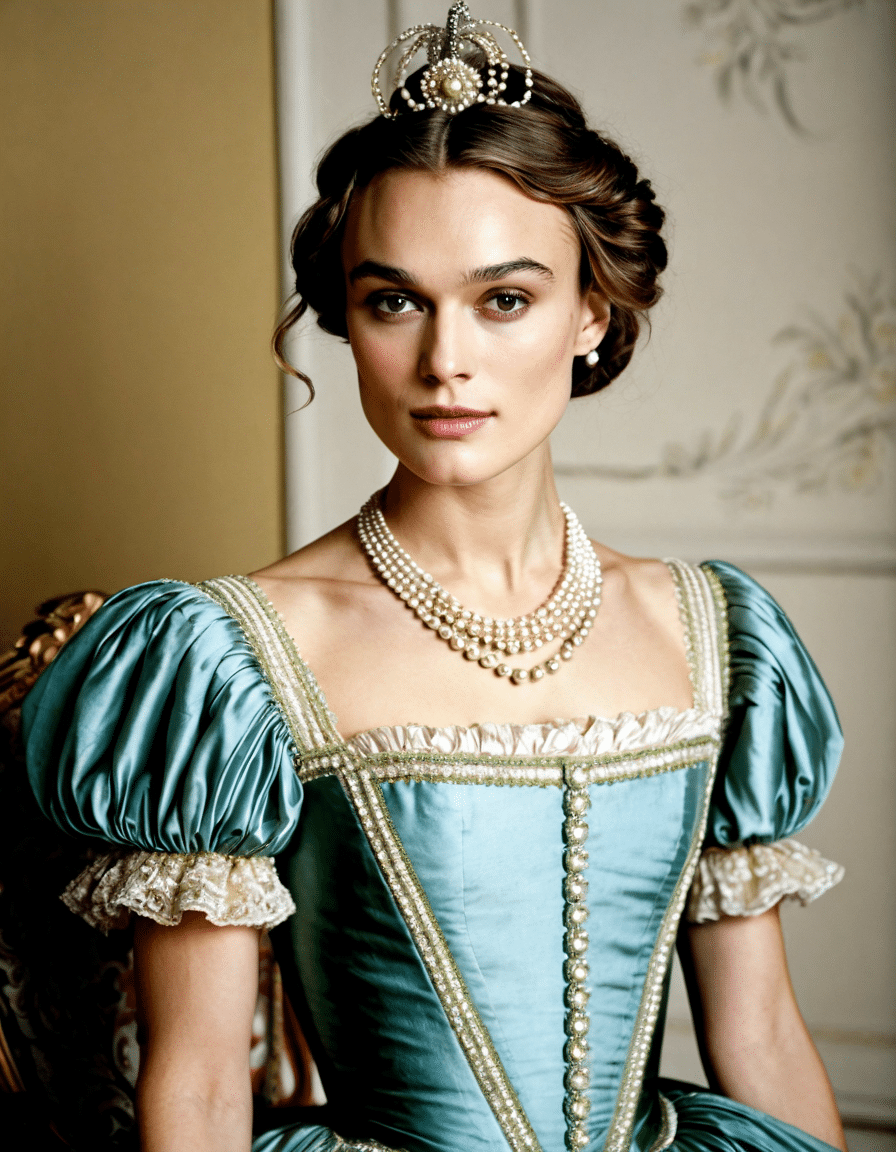
Oh boy, does the Grand Budapest Hotel dazzle the eyes! With its pastel color schemes and intricate set designs reminiscent of a storybook, this film turns the ordinary into the extraordinary. Wes Anderson’s flair for symmetry and detail creates a whimsical space that doesn’t just engage; it draws you into a world that feels like a delightful dream. Picture this: if you’ve ever felt awed by the lavish sets in Titanic (1997), you can imagine how Anderson achieves a similar atmosphere. Both films remind us why the visuals can elevate a cinematic experience to soaring heights.
Let’s talk about those vibrant hues! Each frame feels like a piece of art, begging to be paused and admired. It’s as if every scene was plucked from the pages of a vintage postcard, capturing the essence of elegance and nostalgia.
2. Quirky Characters and Stellar Cast
Now, let’s discuss the characters (because who doesn’t love a good character?). The Grand Budapest Hotel features an incredible ensemble, including Ralph Fiennes, Tilda Swinton, and Juno Temple, each adding their unique flair to the mix. Fiennes, as the charming and quirky Monsieur Gustave H., balances charisma with a dash of melancholy, anchoring the film’s more whimsical moments. You can’t help but root for this lovable character as he navigates the ups and downs of his hotel empire.
Speaking of Juno Temple, her performances have shown us just how versatile she can be. Whether she’s showcasing her quirky demeanor in this film or strutting her stuff in projects like Juror 2, she brings something special every time. Those eccentric characters? They stick with you long after the credits roll!
3. Timeless Themes of Friendship and Loyalty
At its heart, the Grand Budapest Hotel digs into themes of friendship, loyalty, and the bittersweet passage of time. The beautiful bond between Gustave and his loyal lobby boy, Zero, demonstrates how relationships can endure despite life’s challenges. It echoes the authentic friendships we see in other films, like Juno (2007), where connections shape our journeys and allow us to face adversity together.
In today’s fast-paced world where superficial relationships often take center stage, the Grand Budapest Hotel offers a comforting reminder of the genuine connections that matter. It’s a narrative that encourages viewers to reflect inwardly and consider the importance of loyalty in their own lives.
4. Cinematic Score and Soundtrack
Ahhh, the score! Alexandre Desplat’s masterful composition complements the whimsical tone of the narrative. His knack for creating music that perfectly enhances the visual storytelling aligns beautifully with iconic scores, like Titanic’s emotional soundtrack by James Horner. Can you hear the strings? They tug at your heart while taking you through a rollercoaster of emotions!
When the screen fades to black and the credits roll, it’s Desplat’s melodies that linger in your mind, making the world of the Grand Budapest Hotel feel even more enchanting. Its score weaves a rich tapestry of sound that echoes in your thoughts long after the movie ends.
5. Cultural Commentary and Satire
Wes Anderson doesn’t just entertain; he makes you think. With a blend of humor and social commentary, the Grand Budapest Hotel explores themes of class, privilege, and societal norms. Though wrapped in whimsy, its critique of social issues rings true today, allowing for deep discussions about morality and our values as cultures shift and evolve.
Just like a gondola ride through a picturesque lake, the film gracefully glides through its themes while keeping viewers engaged. It holds a mirror to society and subtly encourages us to question our realities, making it relevant even as times change.
The Cinematic Legacy: What Set the Grand Budapest Hotel Apart
The Grand Budapest Hotel stands tall in the cinematic landscape, not just for its artistic appeal but also for its cultural significance. While it draws inspiration from various sources, including real European history, the film creates a vivid world that balances whimsy with profound societal themes. Anderson’s distinctive style, with its detailed art direction and set design, has paved the way for new filmmakers, inspiring a generation who wish to blend fanciful storytelling with heartfelt truths.
It’s a legacy that’s hard to ignore. Films inspired by the Grand Budapest Hotel have emerged, each trying to capture even a fraction of that unmistakable charm.
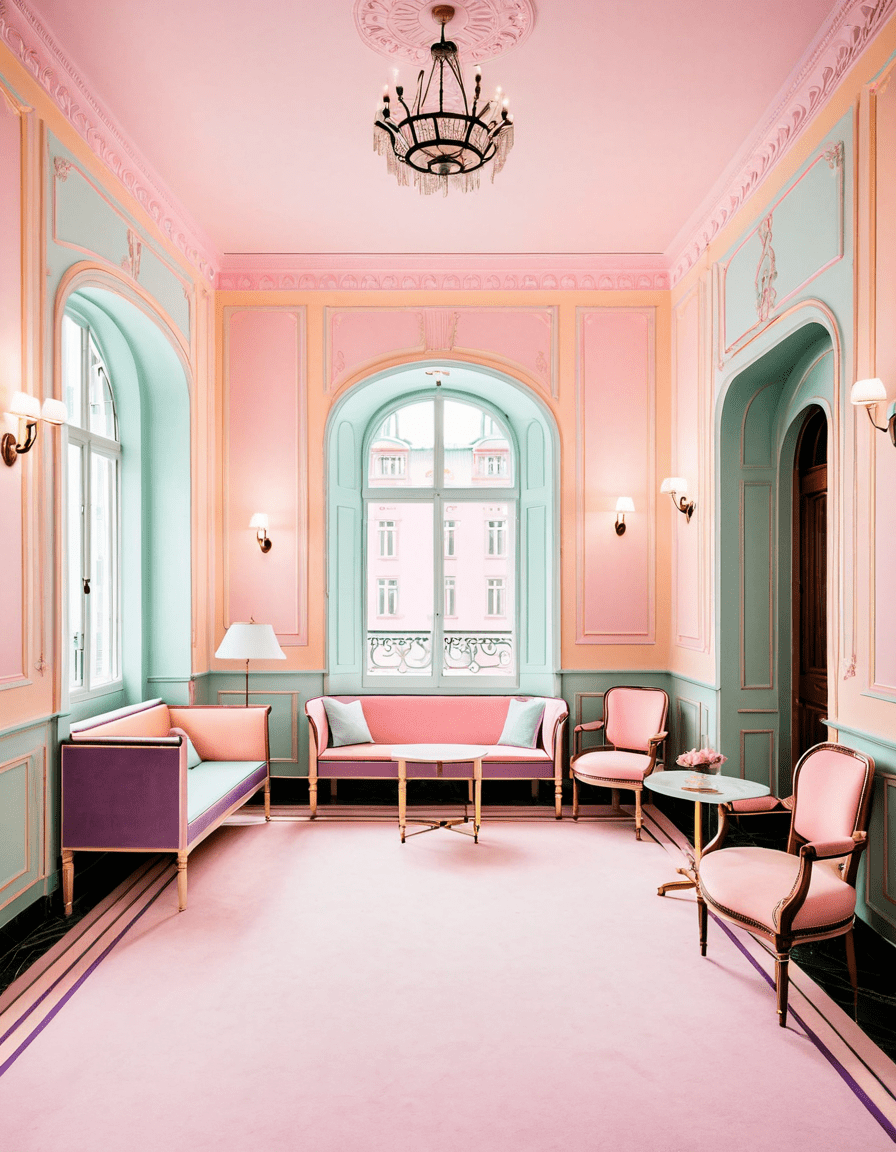
Whimsical Charm Meets Contemporary Relevance
As we step into 2026, audiences are still enchanted by the Grand Budapest Hotel. Its unique combination of humor, class, and poignant social commentary has created a lasting allure. Stellar performances, especially from Ralph Fiennes and Juno Temple, ensure that these characters remain etched in our memory long after lasering our way through the plot.
Even amidst today’s chaos, the Grand Budapest Hotel offers a sense of comforting nostalgia wrapped in whimsy. Whether you’re revisiting the subtle intricacies of friendship or just longing for laughter, this film provides a delightful escape. Its story invites us to explore the humor and elegance of our shared human experiences, making it a timeless classic that deserves a spot in our hearts and on our screens.
So grab your popcorn, cozy up, and let that whimsical charm sweep you off your feet! The Grand Budapest Hotel isn’t just a movie; it’s an experience you won’t forget.
Grand Budapest Hotel: Fun Trivia and Interesting Facts
Whimsical Inspirations Behind the Scenes
The Grand Budapest Hotel is as charming as the quirky characters that roam its halls. Did you know that director Wes Anderson drew inspiration from real hotels in Europe for his stunning film? The picturesque architecture nods to famed establishments like the iconic Hotel Bristol and the five-star Kurhaus Hotel. But the film’s allure doesn’t stop there! Its visual flair and whimsical narrative encourage comparisons to various cultural touchpoints, including the delightful horsehair worm, an unusual creature that adds a dash of eccentricity to nature and might inspire whimsical characters in future stories.
Star-Studded Cameos and Connections
One of the things that make Grand Budapest Hotel a treasure trove of delights is its stellar cast. Stars like Ralph Fiennes and Tilda Swinton often deliver unforgettable performances, but did you know that one of the film’s unique points of charm is its connection to artists outside of Hollywood? Sean Lennon, for example, has often expressed admiration for Anderson’s unique style, merging film and music on a different wavelength. Another fascinating fact is that the film’s release came around the same time as the reboot of White Men Can’t Jump, showing how diverse storytelling in cinema can be, even drawing in different audiences looking for their next fix of entertainment.
Intriguing Soundtracks and Cultural References
The film’s soundtrack lays the perfect backdrop for its whimsical charm. You can’t help but get drawn in by its upbeat melodies, evoking a sense of nostalgia while subtly conveying the movie’s deeper themes. If you’re a fan of iconic songs, check out the lyrics for “Beat It”, which captures the essence of iconic musical numbers from an era that influences many modern filmmakers. Speaking of music, Anonis work in the film embodies the emotional depth and elegance that highlights the whimsical charm of the Grand Budapest Hotel.
Overall, Grand Budapest Hotel captivates viewers not just through its picturesque visuals and quirky characters, but also through its unique trivia that enriches the viewing experience. Whether you find yourself meandering through the plush corridors of the hotel or soaking up the vibrant cultural references, this film offers a delightful escape! Be sure to take a virtual stroll around places like Hermosa Beach ca, which seemingly shares the film’s breezy charm, adding to the overall mood you carry with you long after the credits roll!